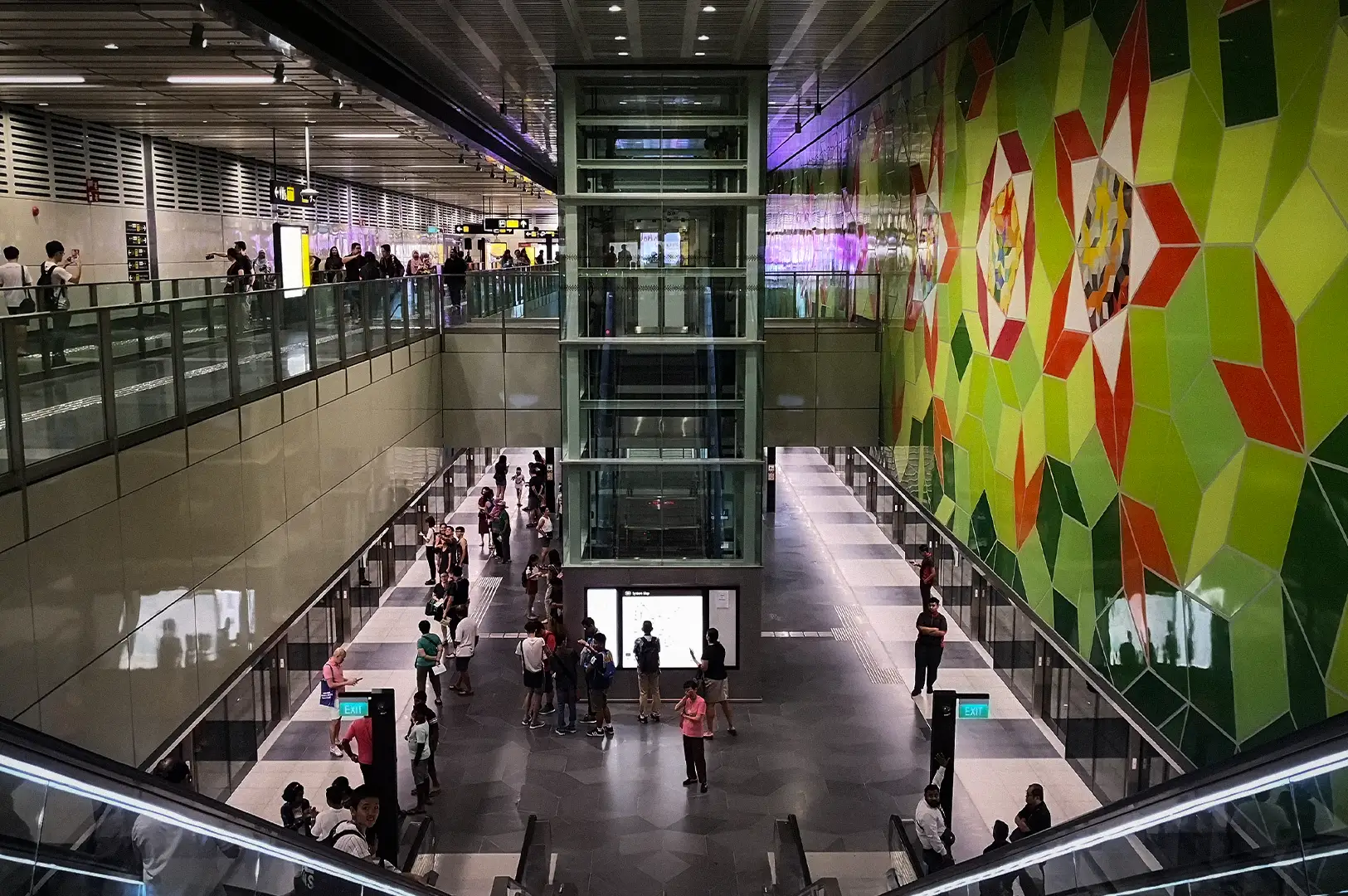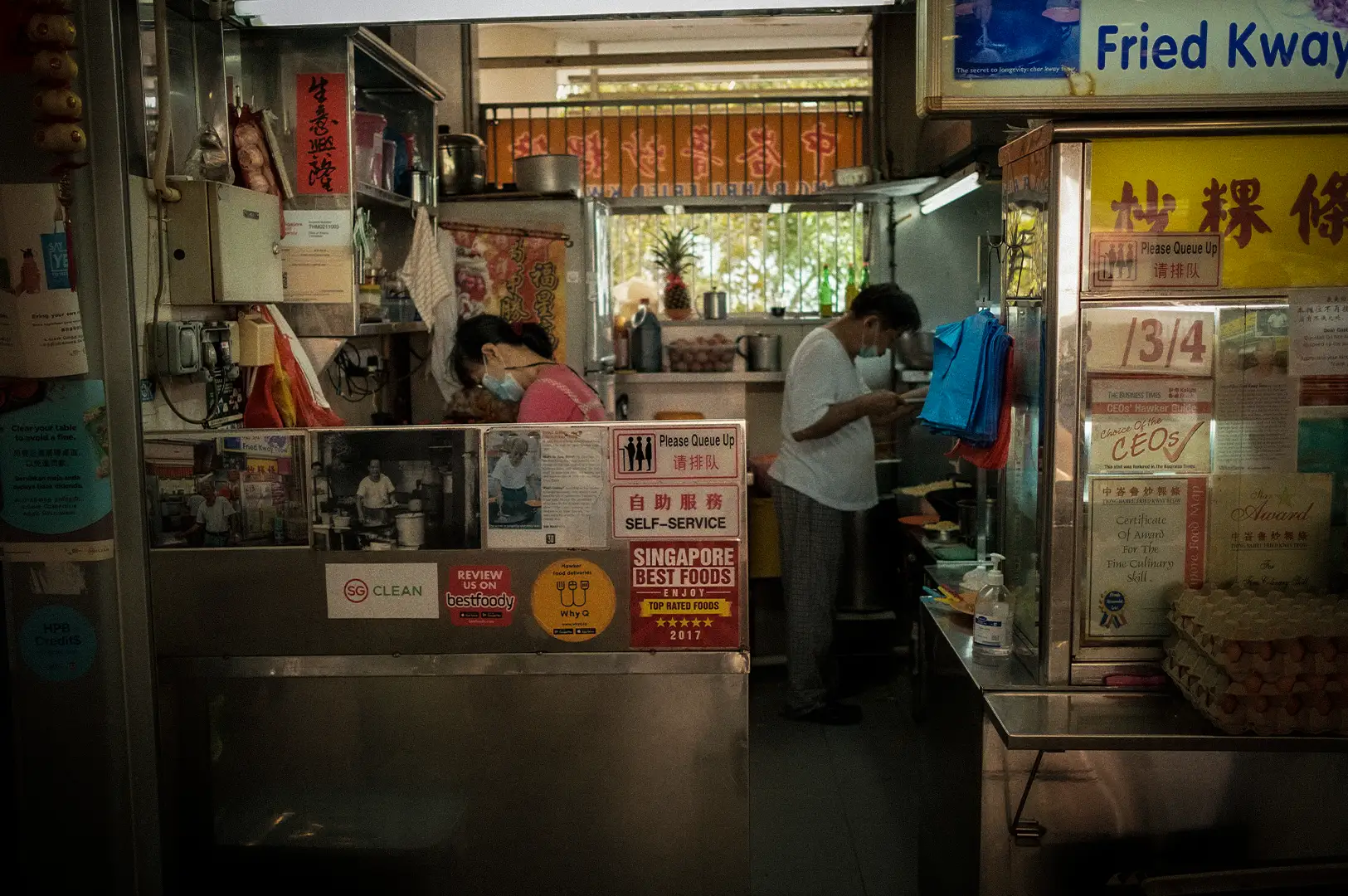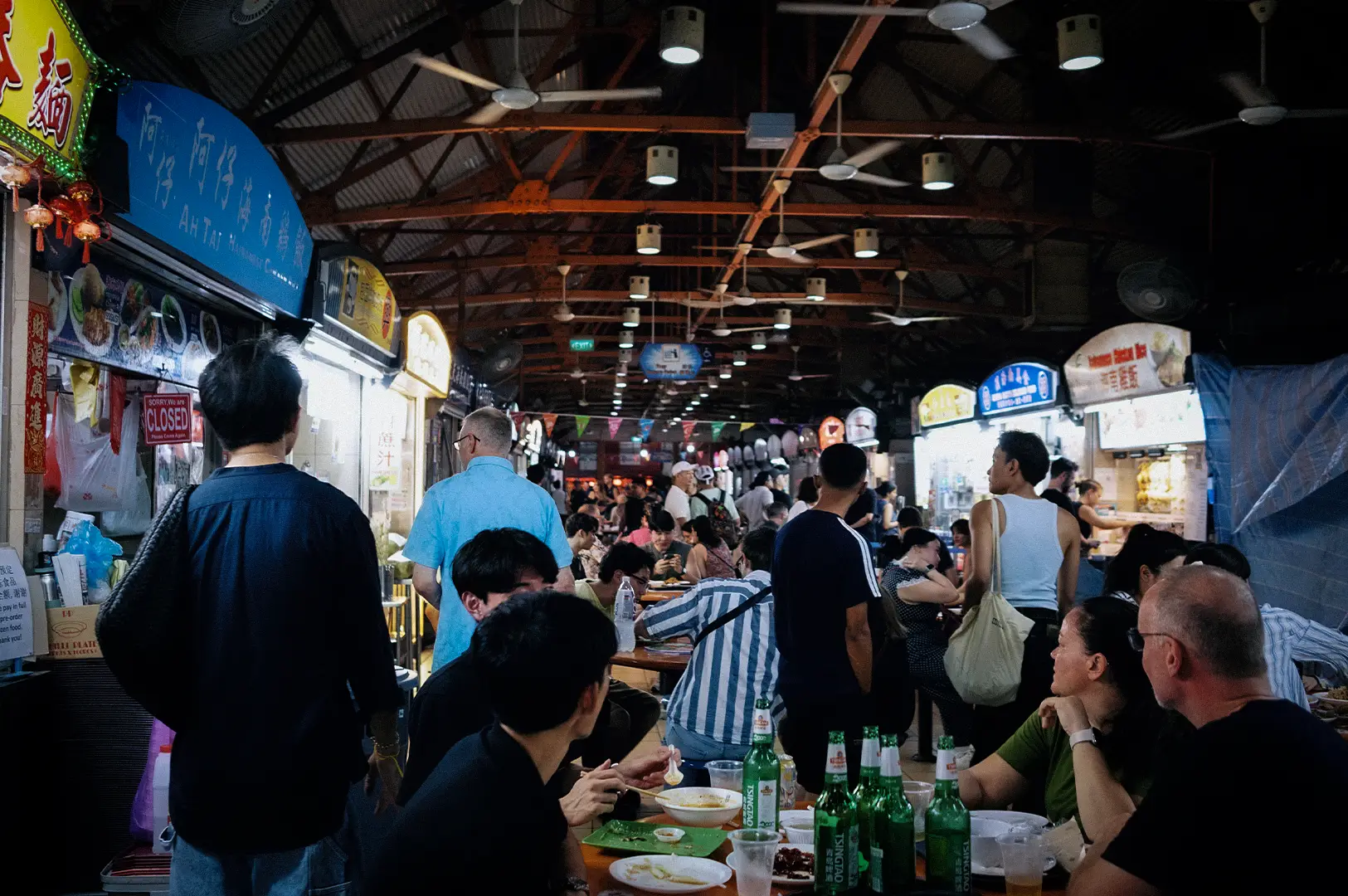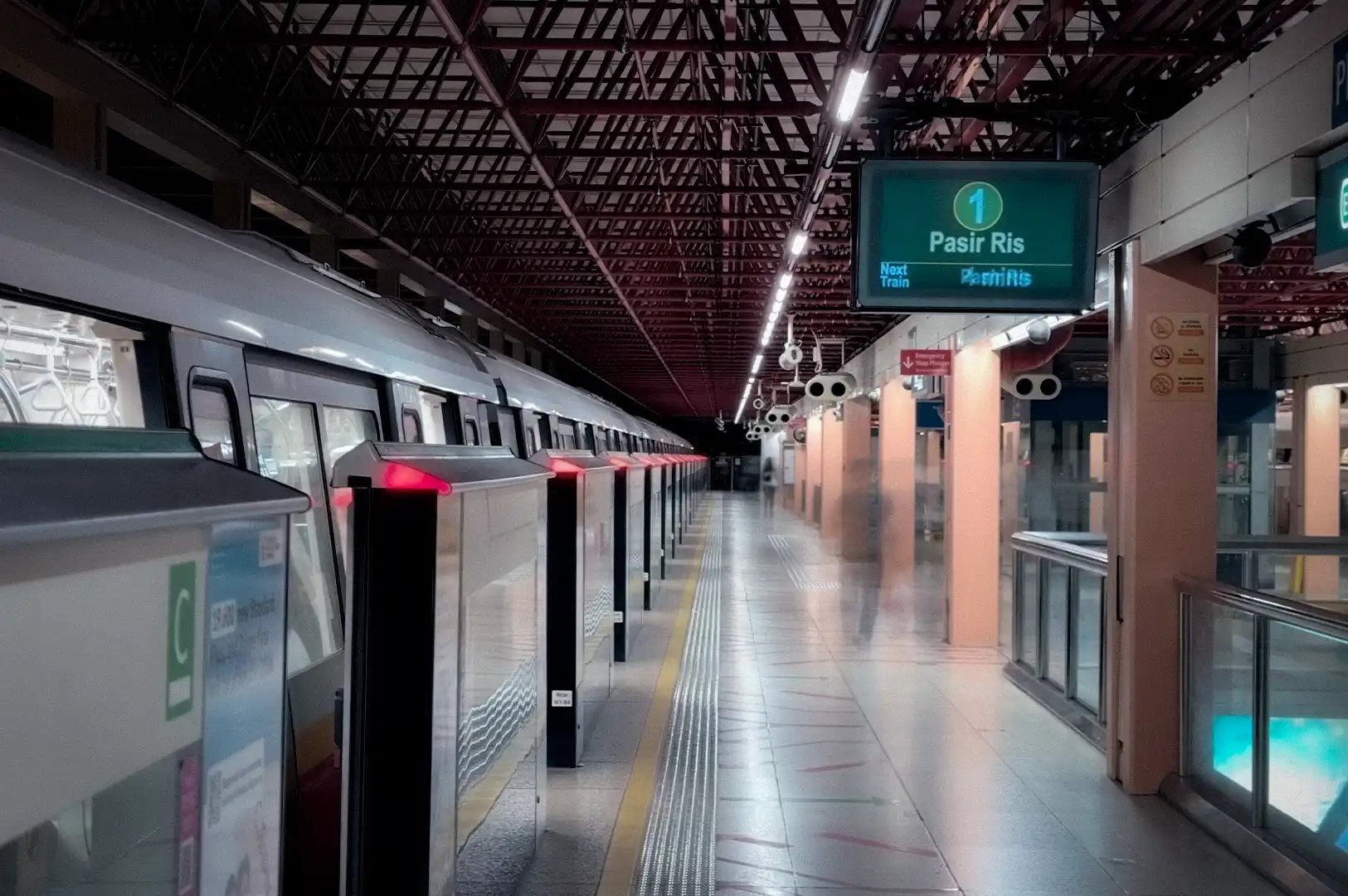
Distance near MRT stations is not always measured in metres.
It is often measured in convenience.
Some food places are technically further away, yet feel easier to reach because the route is direct, sheltered, or familiar. Others may be physically closer but seem less accessible due to road crossings, stairs, or less obvious pathways.
This influences dining behaviour.
Commuters tend to favour routes that feel simple rather than routes that are objectively shortest. Over time, these preferences become habits.
The effect can be seen around many MRT stations.
Certain food spots consistently attract customers because the journey feels effortless. The perception of distance becomes more important than the actual distance itself.
This helps explain why some equally good options receive less traffic.
People are often responding to the route rather than the destination.
Near MRT stations, convenience shapes movement.
And movement shapes where people eat.