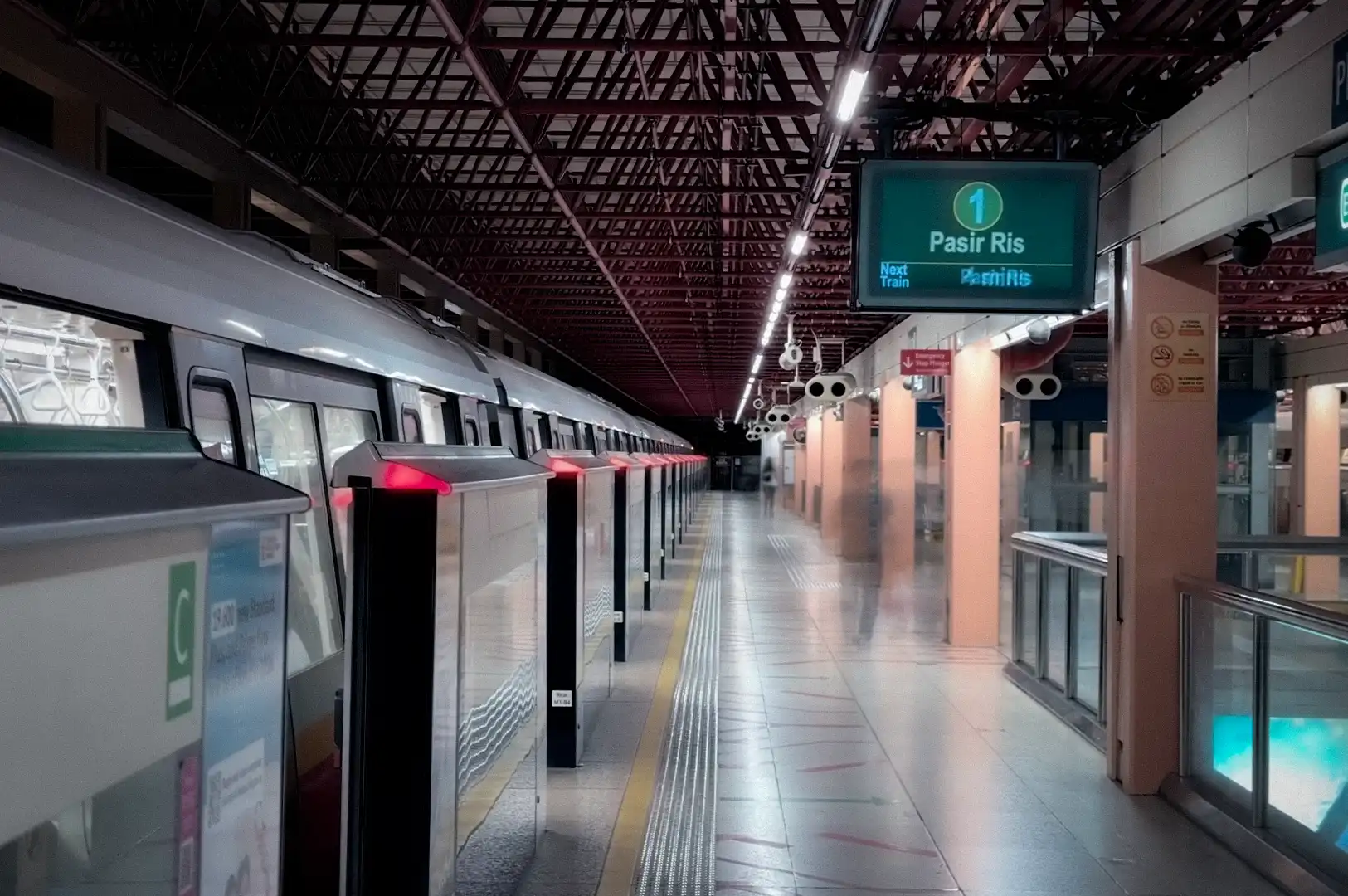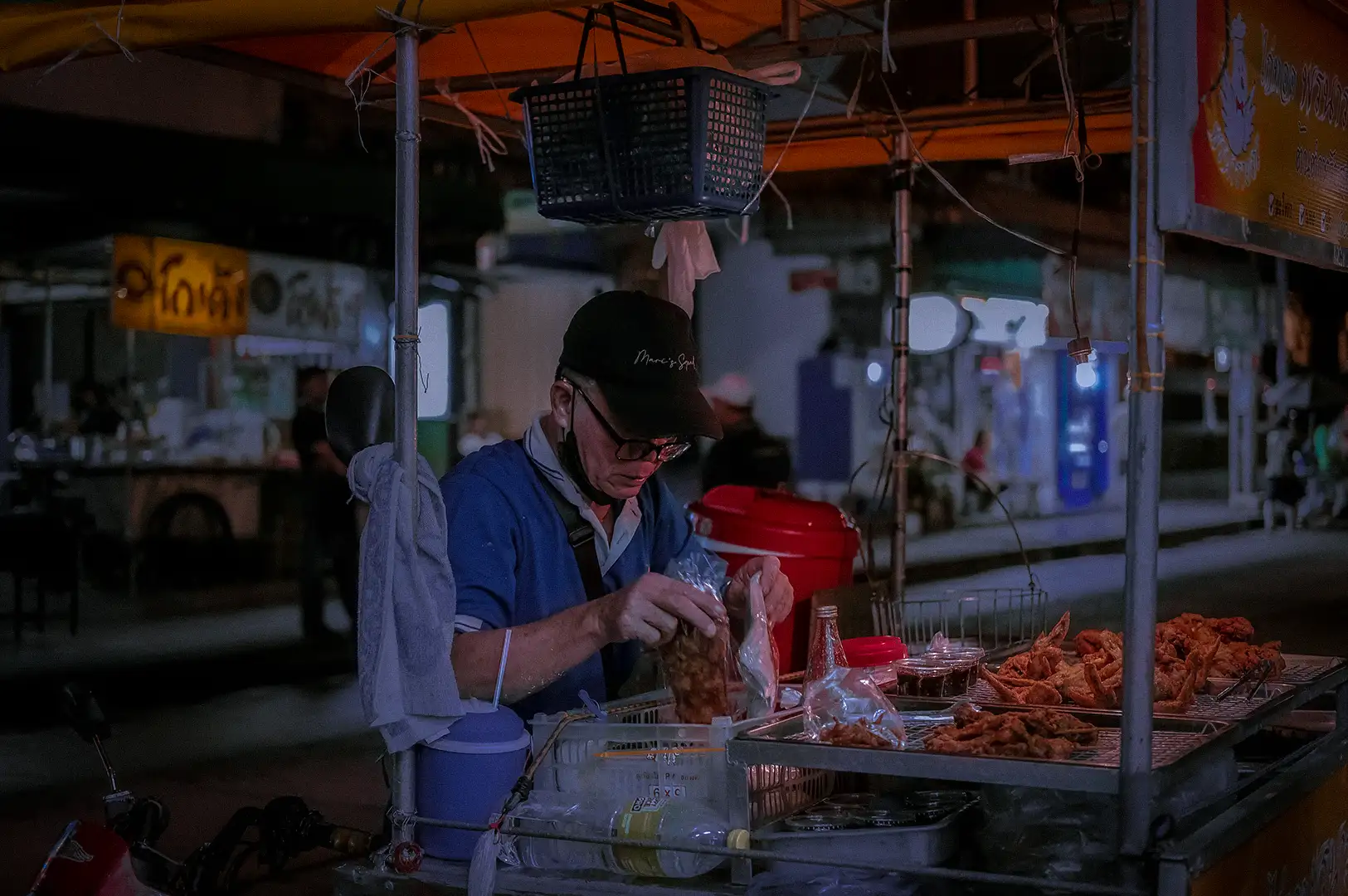
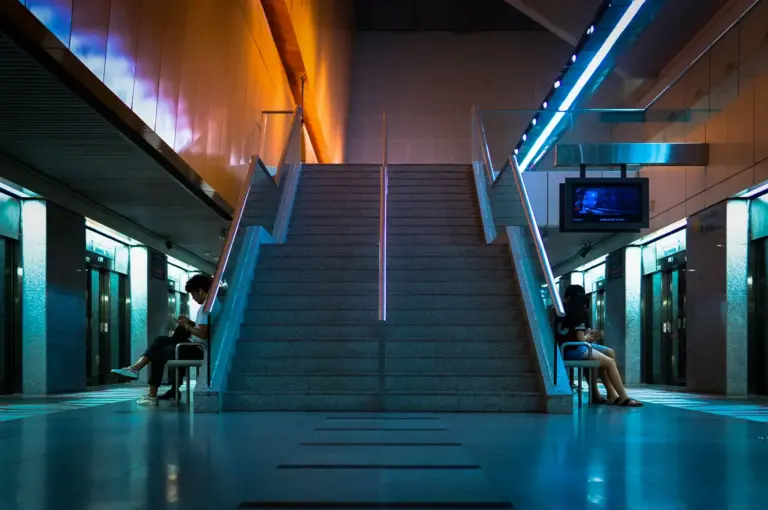
Many commuters do not decide what to eat before reaching the station.
The decision happens after they arrive.
A person may leave the train with a rough idea of where to go, but the final choice is often influenced by what they see around them.
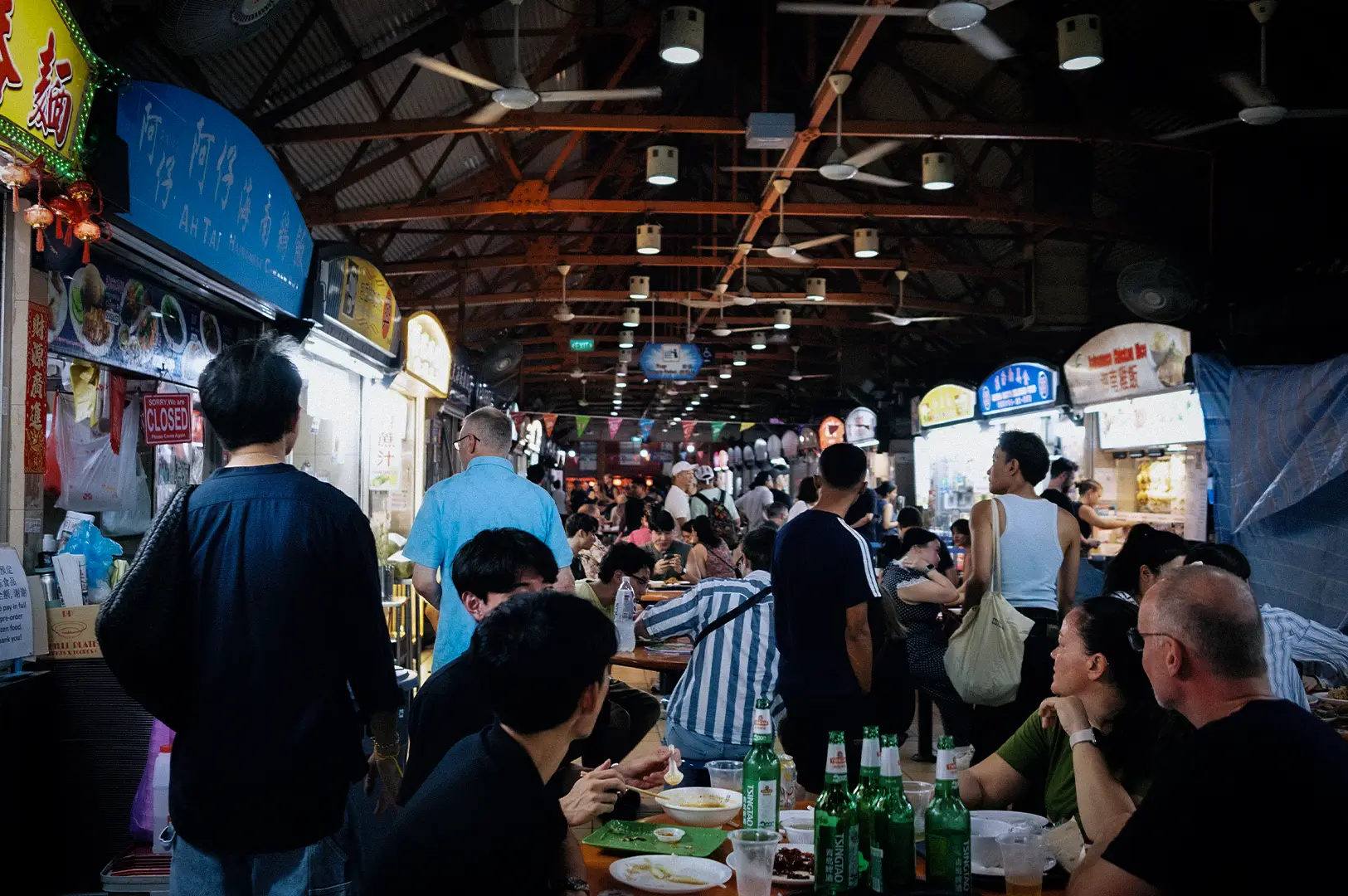
A crowded food court may lead someone elsewhere. A shorter queue may become the better option. A busy coffee shop may suggest that a particular stall is worth trying.
The crowd becomes part of the decision.
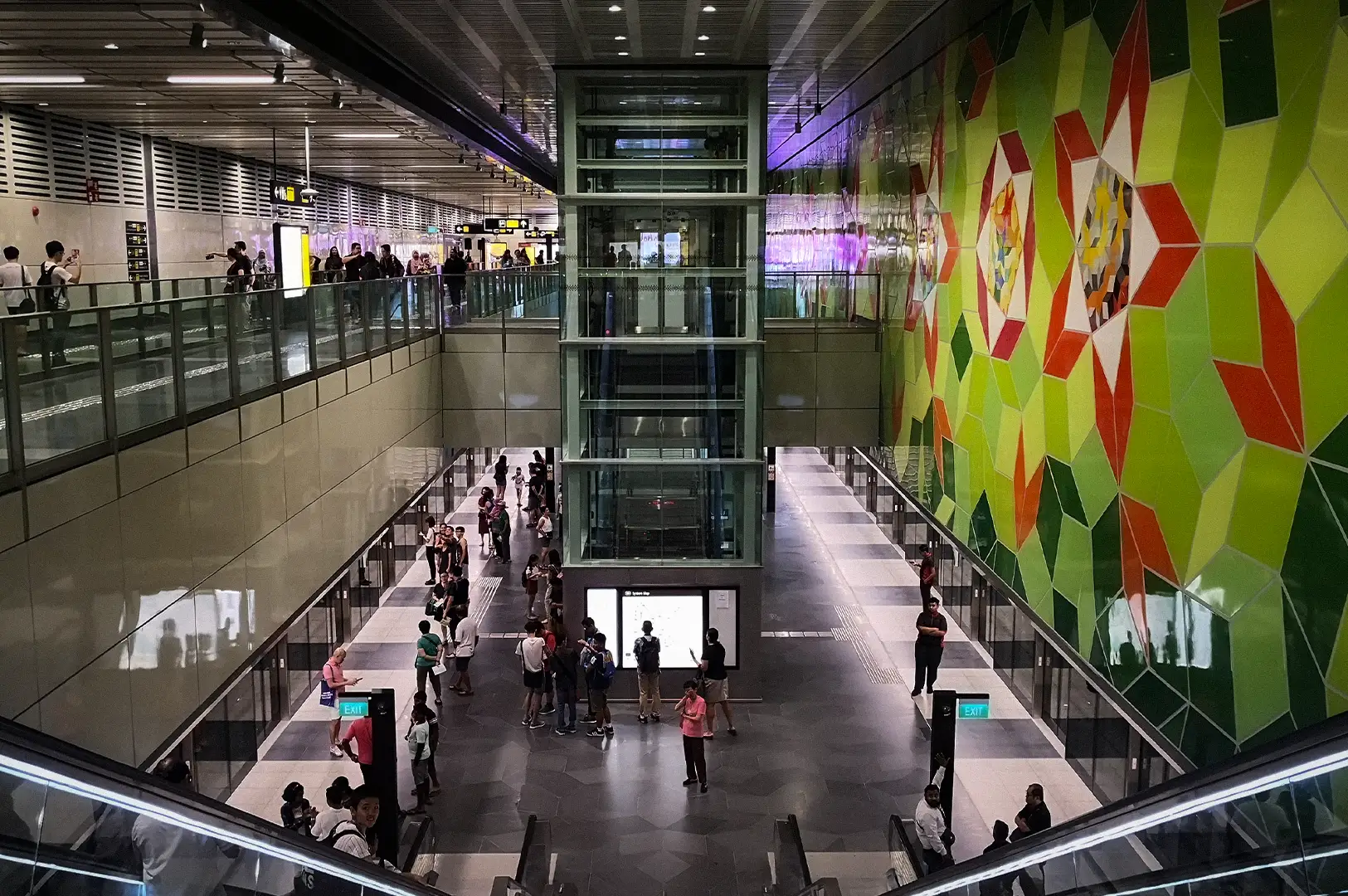
This is especially noticeable during peak hours, when MRT stations create a constant flow of people moving toward nearby food areas. Commuters are not only choosing based on preference, but also responding to the environment around them.
The layout of the station plays a role too.
Food options near major exits receive immediate attention. Places further away require an additional decision — whether to walk further, wait longer, or explore another direction.
Over time, these small choices create patterns.
Certain food places become associated with specific crowds and specific times of day. Some are known for speed, others for availability, and others simply because they fit into the daily movement of commuters.
Near MRT stations, food decisions are rarely made in isolation.
They happen within a flow of people, routes, and routines.