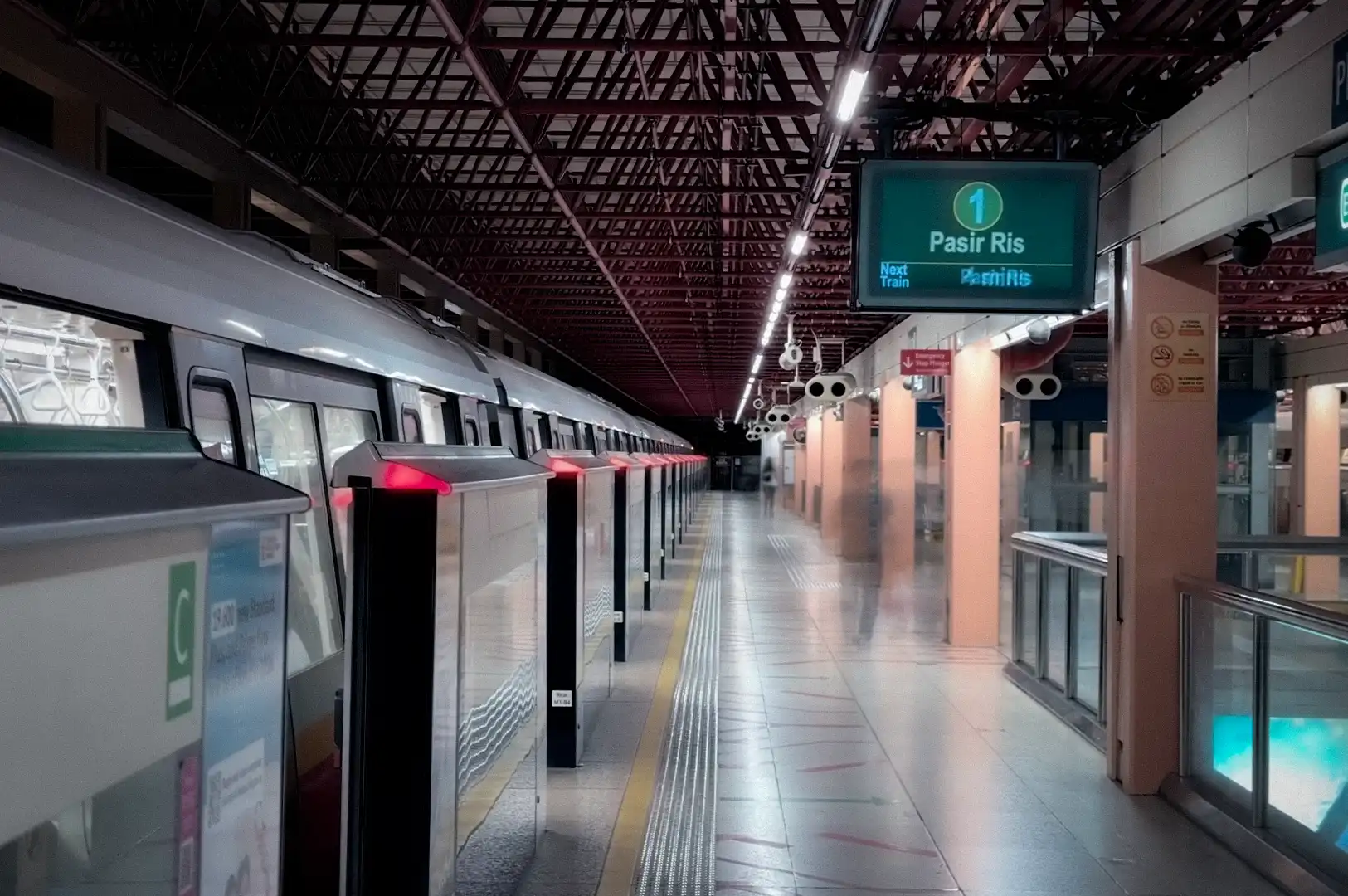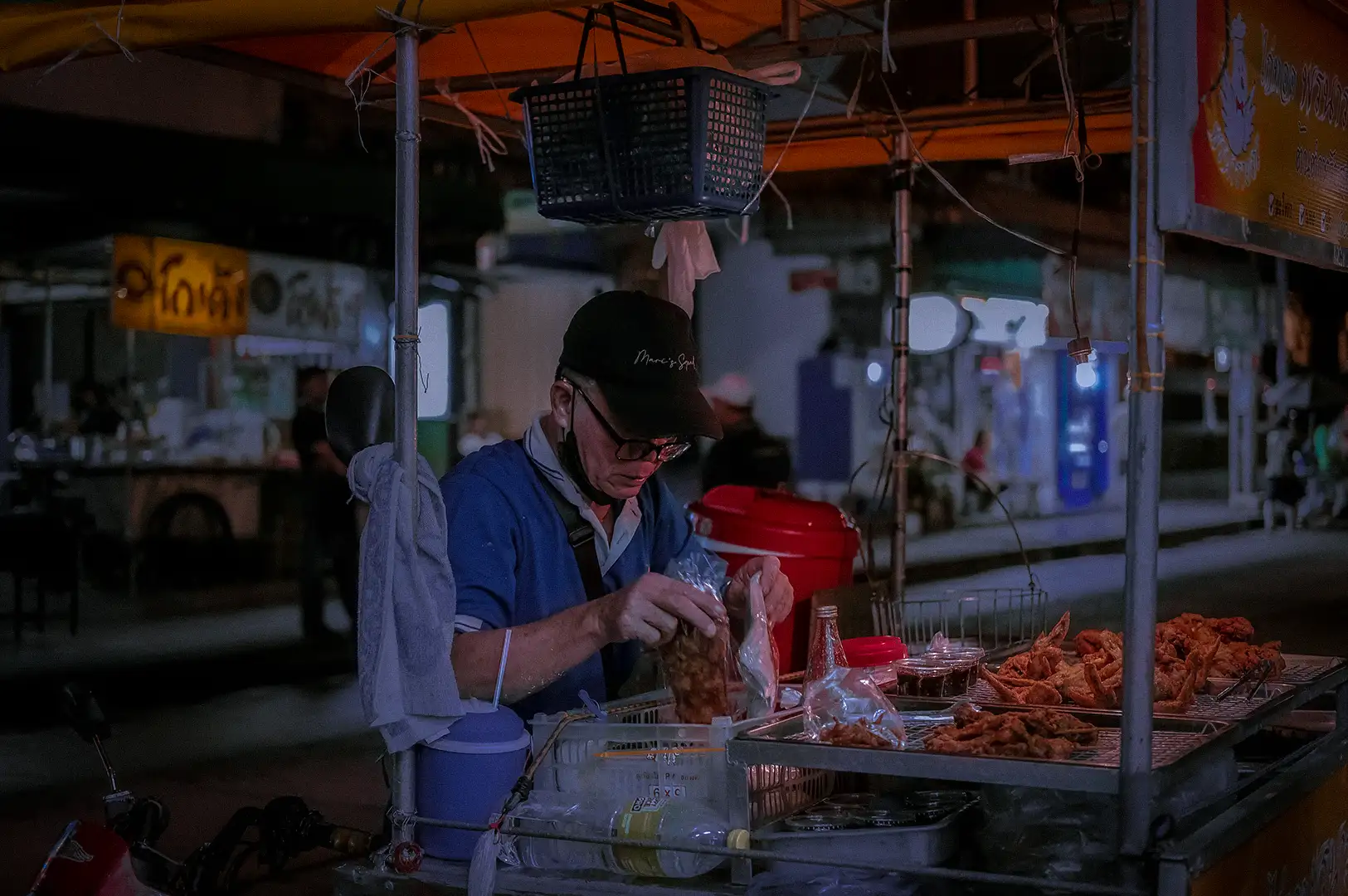
Eating near an MRT station is often about timing.
The same food place can feel completely different depending on when you arrive.
A coffee shop in the morning has one rhythm. The same place during lunch becomes more structured, with faster orders and shorter conversations. By evening, the atmosphere changes again as people return home and meals become less rushed.
Over time, commuters learn these patterns.
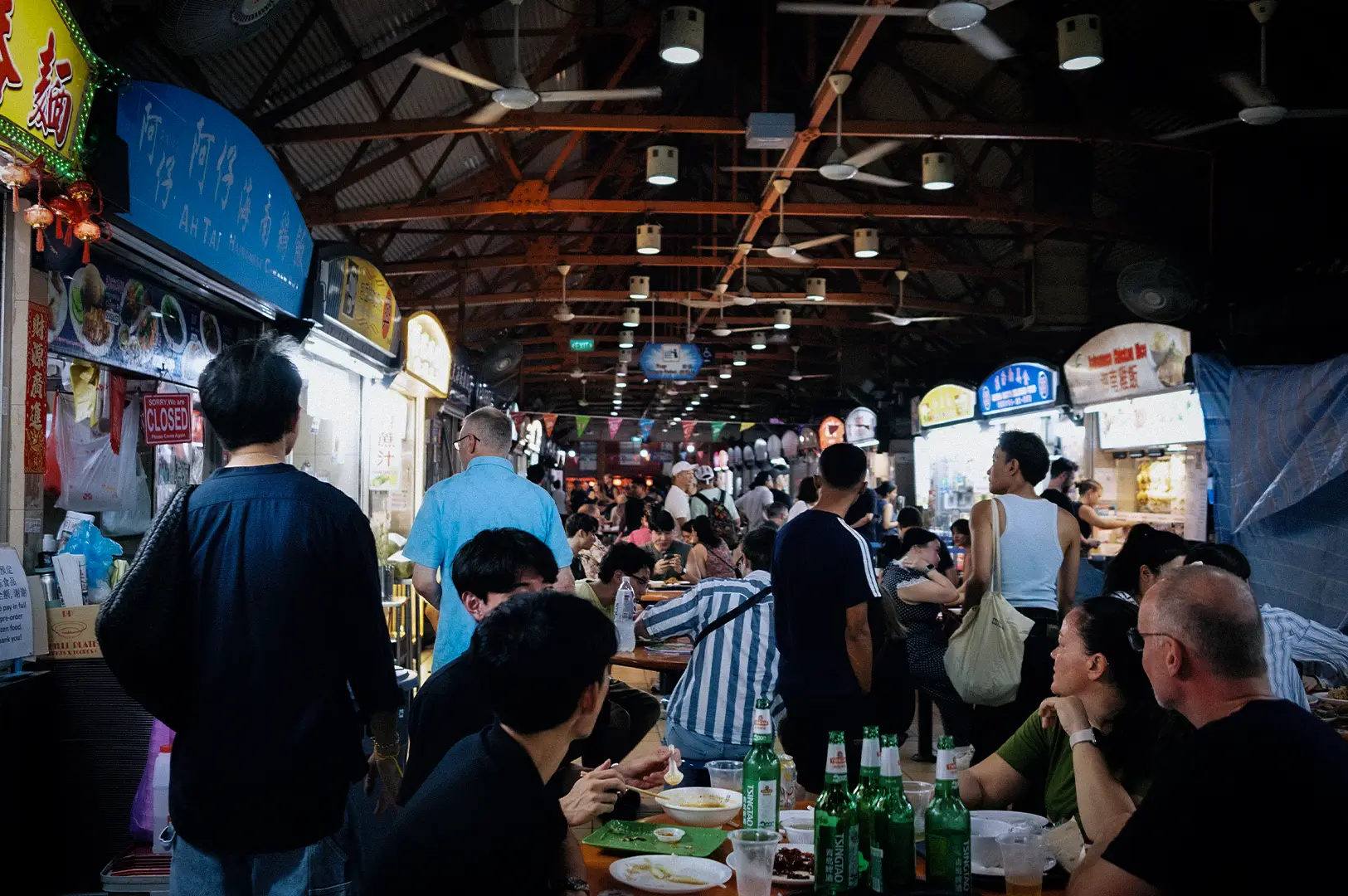
They know when a stall is usually less crowded. They know when a food court begins filling up.
They know whether there is enough time to stop for a proper meal before catching the next train.
These decisions become part of the journey.
The MRT schedule does not directly decide what people eat, but it influences the choices available to them. A short transfer window may encourage a quicker meal. A longer wait may create time for a sit-down dinner.
This is especially noticeable among regular commuters.
The station becomes familiar not only because of its location, but because of its timing. People understand how the area changes throughout the day.
Across Singapore’s MRT network, food routines are built around these small observations.
Knowing the right time can be just as important as knowing the right place.