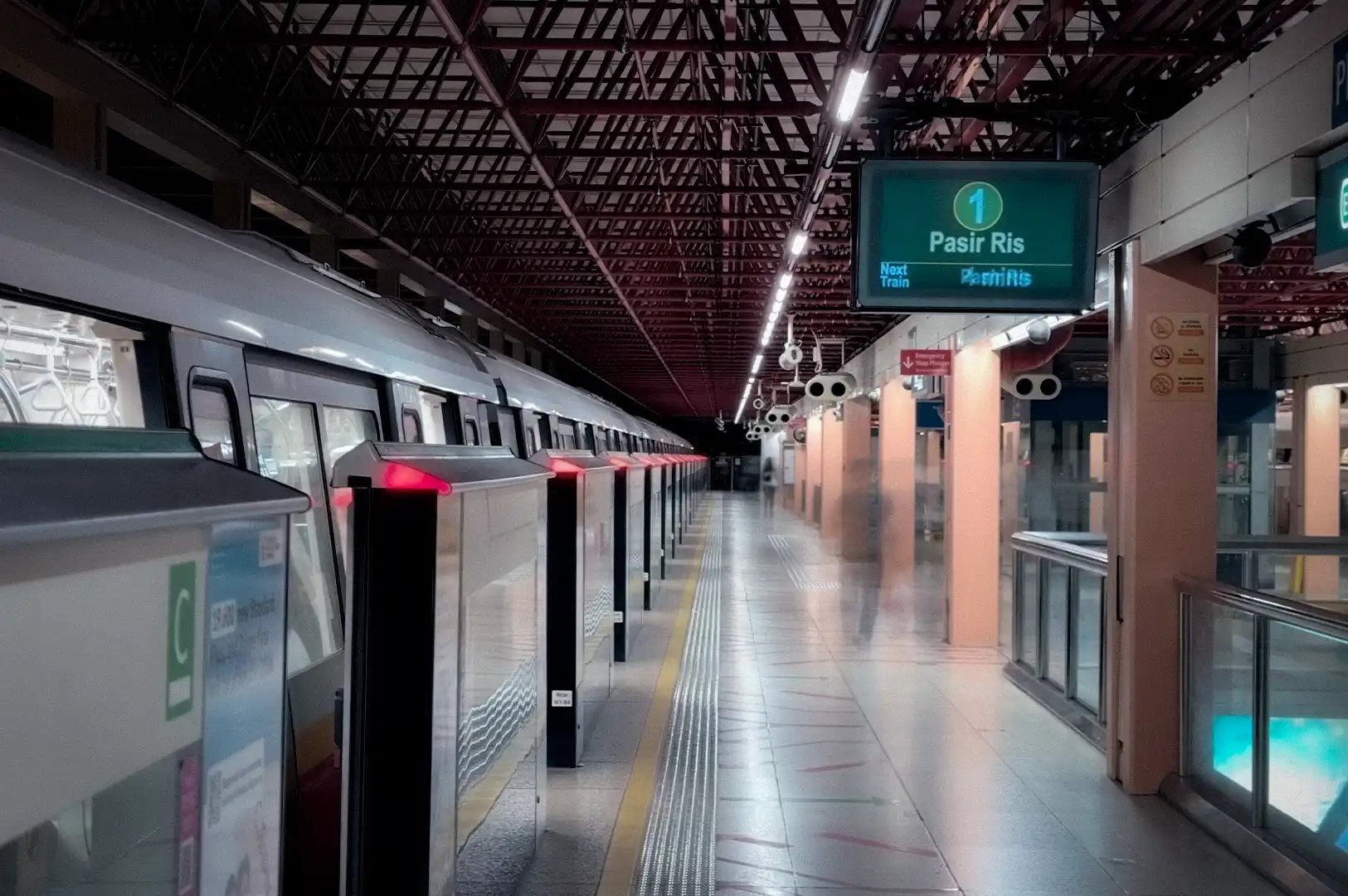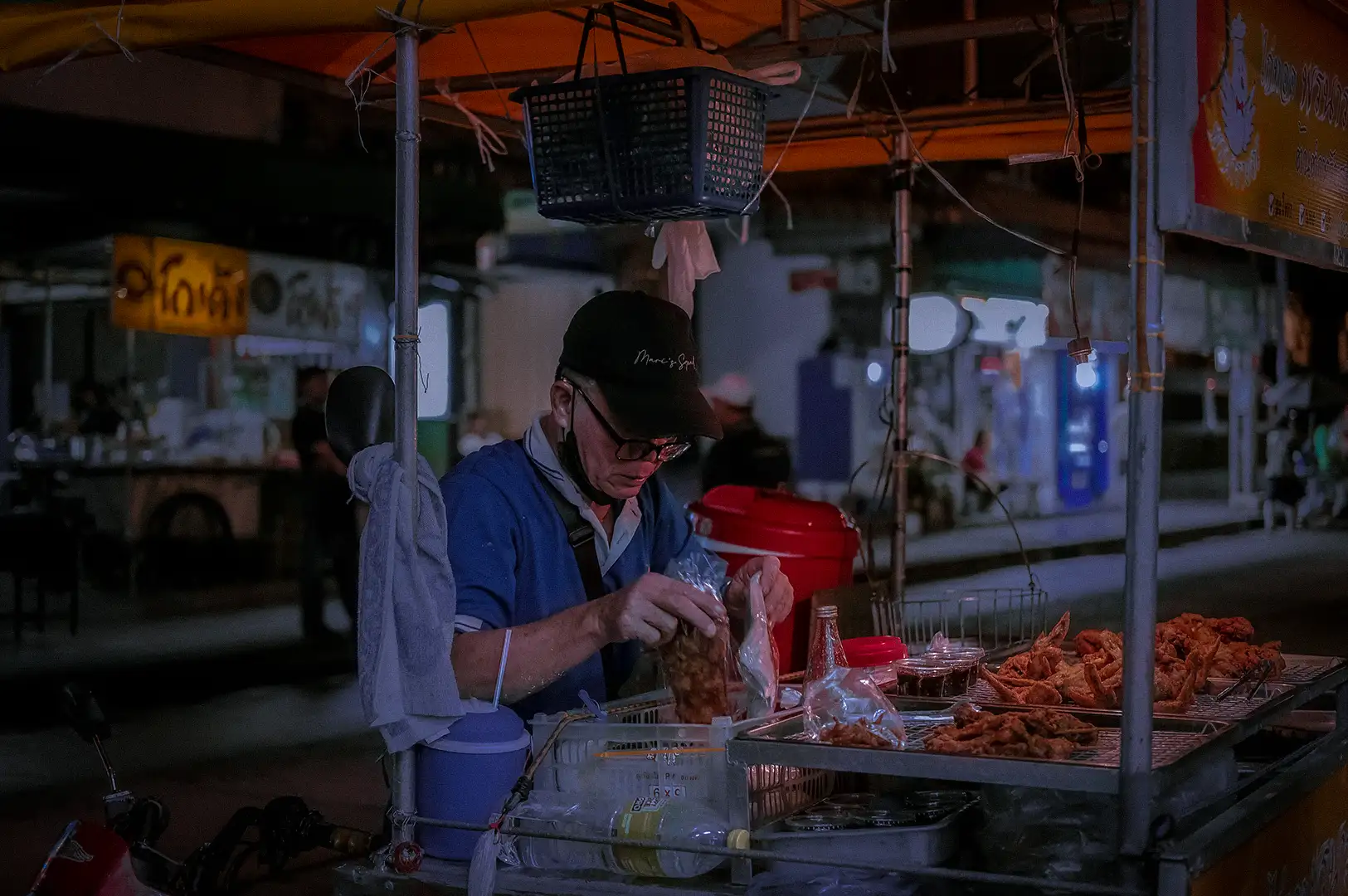
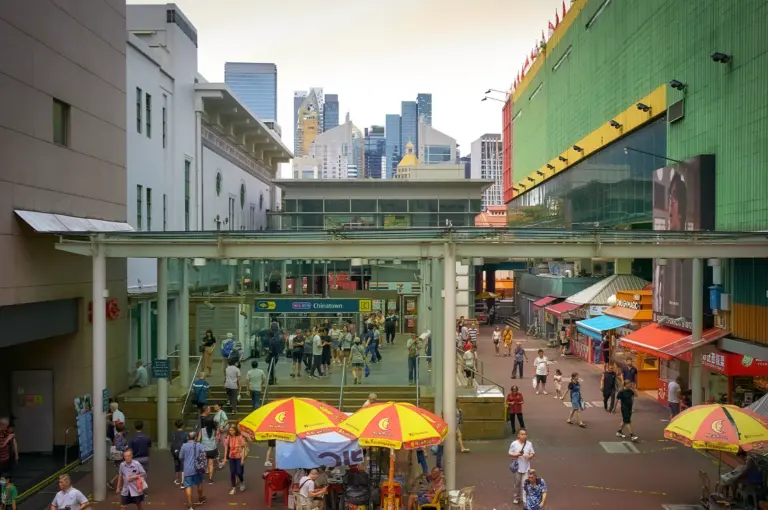
Food choices near MRT stations are influenced not only by what is available, but by the routes people take after exiting.
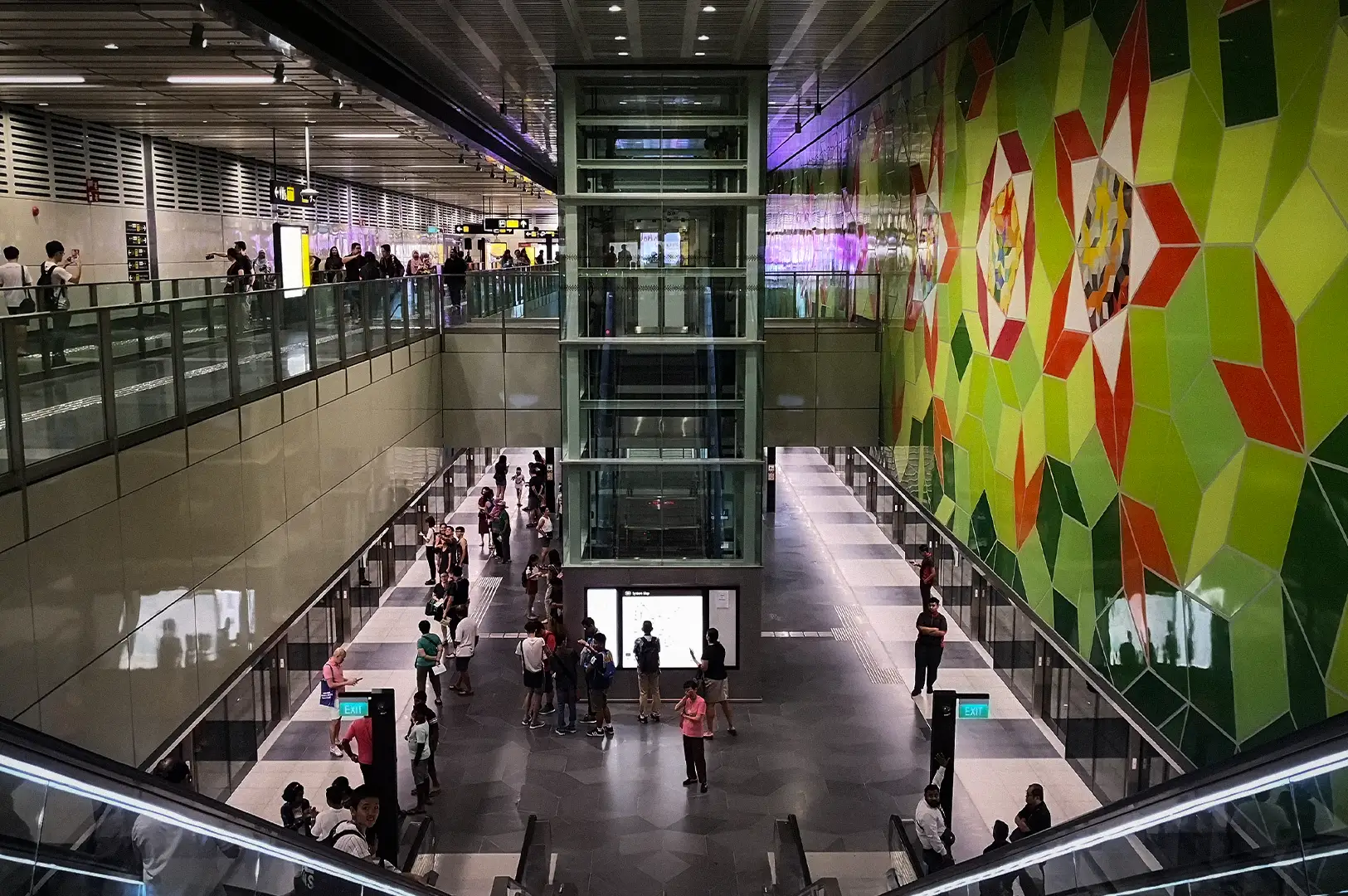
Most stations have multiple exits, each leading to different clusters of food options. The choice of exit often determines which options a commuter encounters first.
In practice, this decision is rarely random.
Commuters tend to use the same exit repeatedly, based on convenience, familiarity, or proximity to their destination. Over time, this creates a consistent pattern in where they eat.
Each exit develops its own flow.
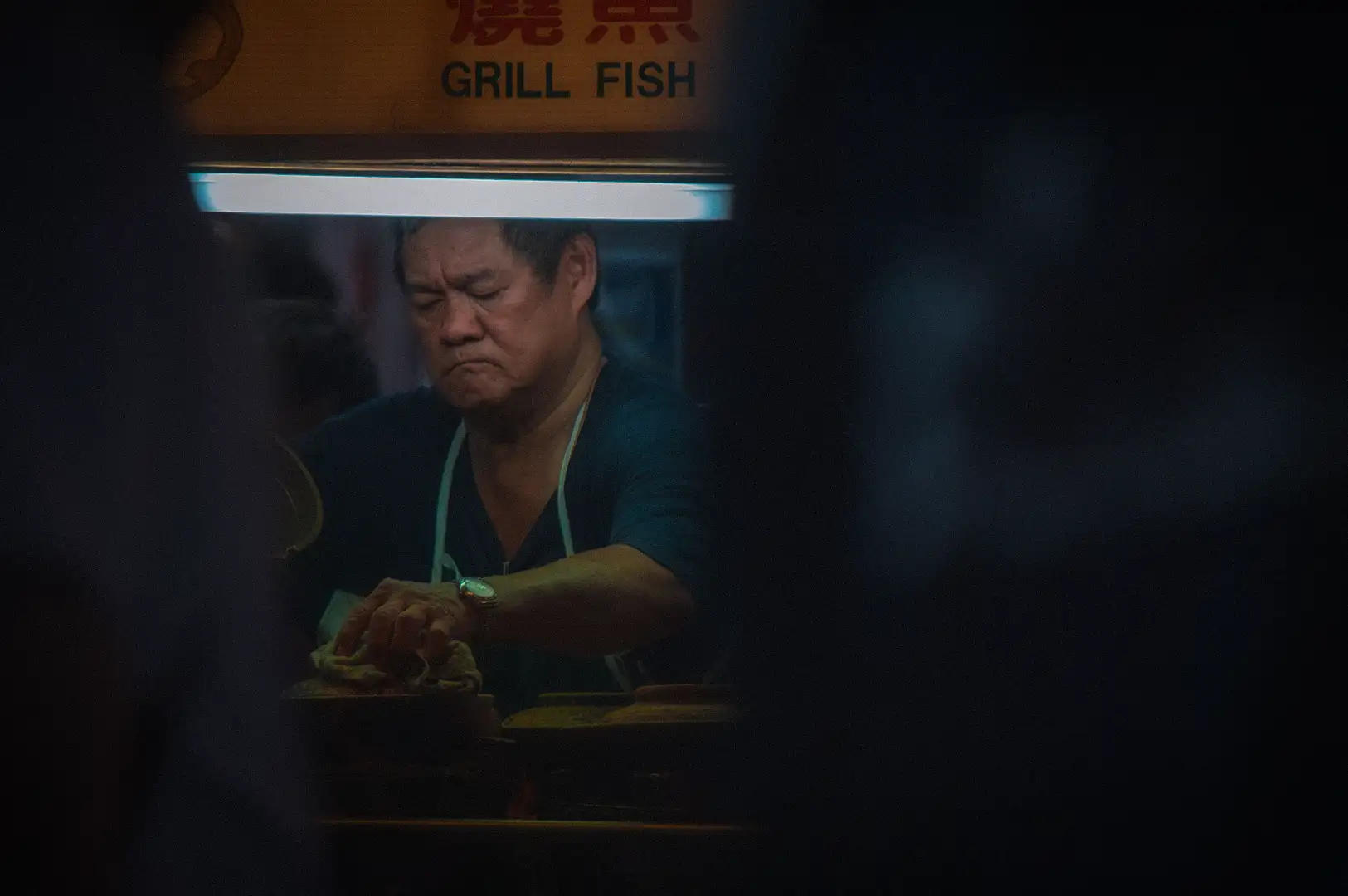
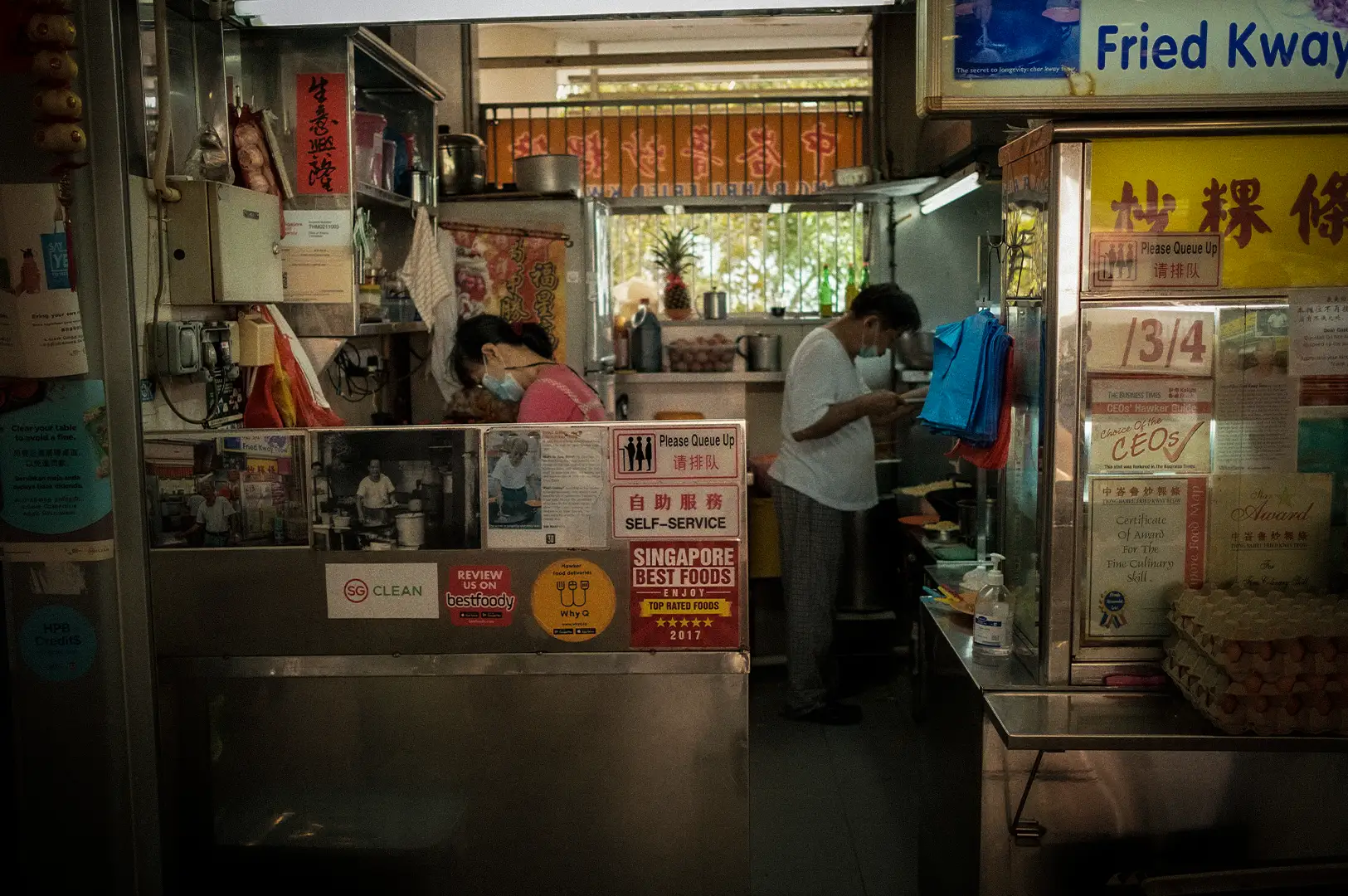
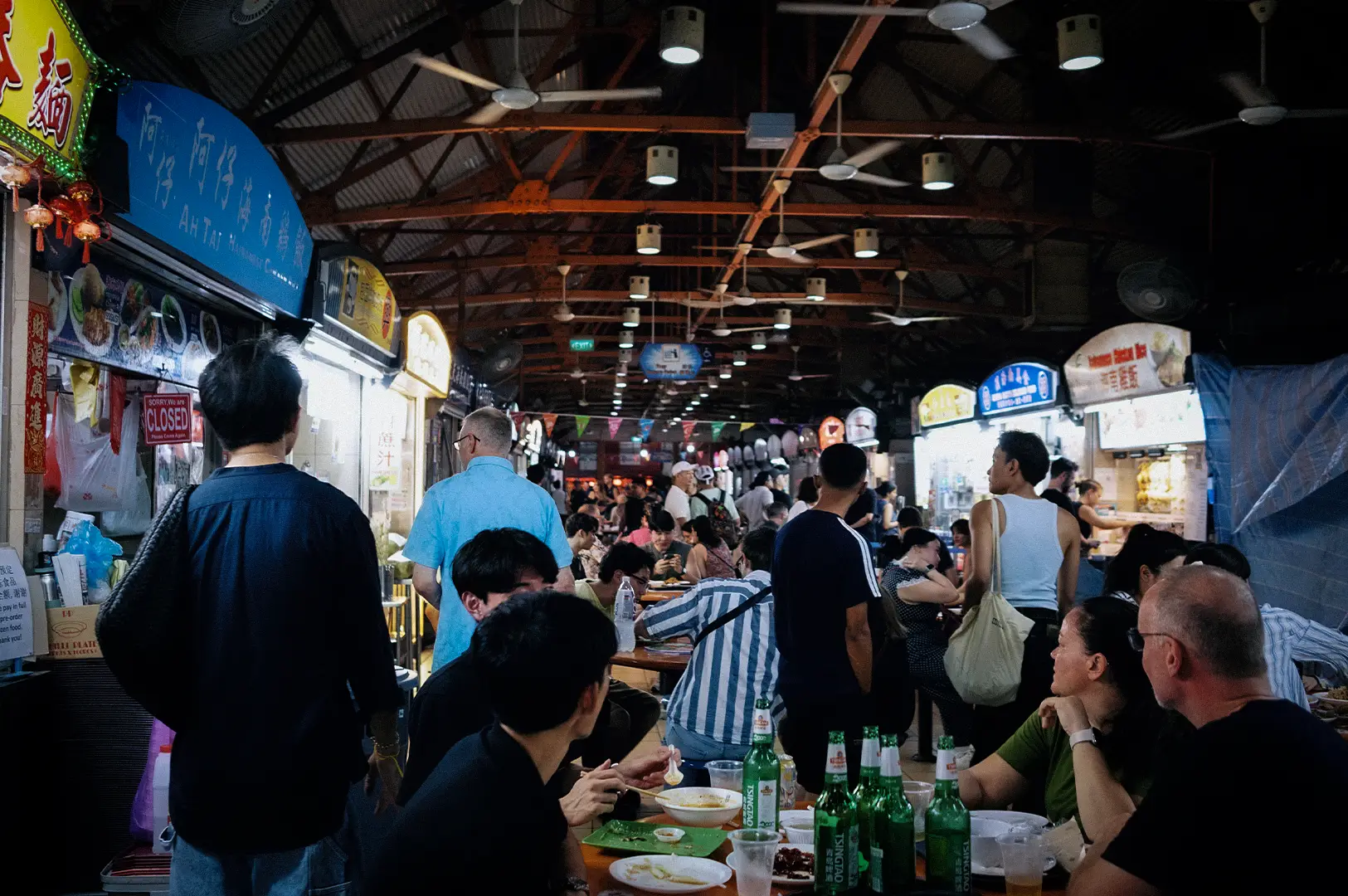
One may lead directly to a mall food court. Another may open toward a hawker centre or coffee shop cluster. A third might connect to quieter streets with fewer but more stable options.
These routes shape exposure.
If a commuter consistently uses one exit, they are more likely to return to the same set of food options, even if alternatives exist nearby.
Changing exits can lead to different outcomes.
A short detour can reveal additional choices that were previously overlooked. However, most people prefer to follow familiar paths, especially during peak hours when time is limited.
As a result, food patterns near MRT stations are often tied to movement patterns.
Where people exit determines what they see.
And what they see often determines where they eat.