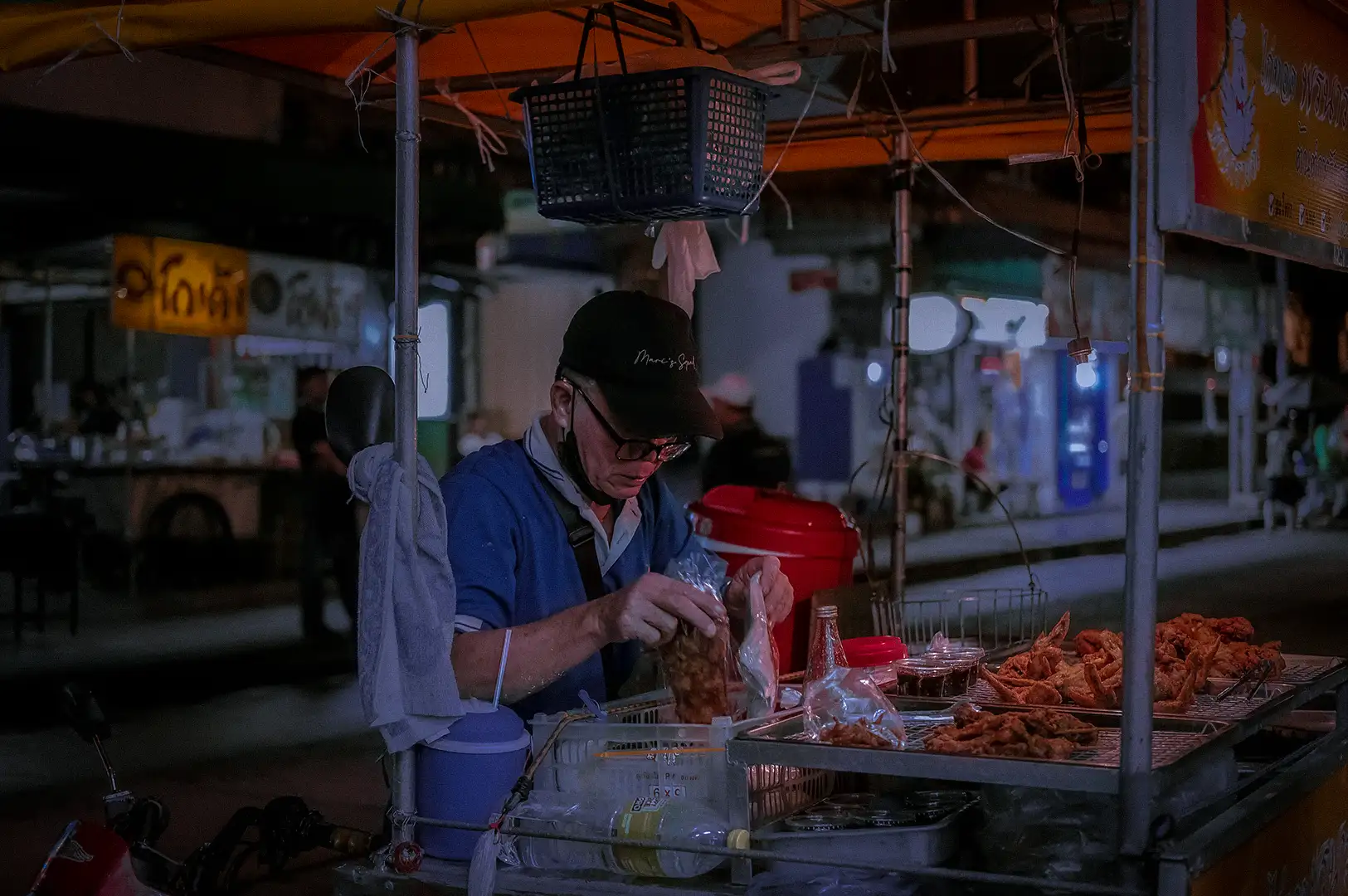
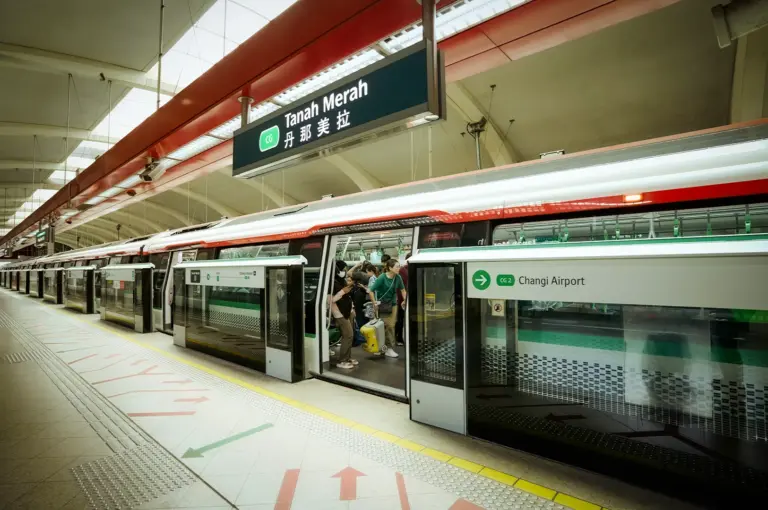
Some MRT stations do not feel the same every day.
On weekdays, they follow a predictable rhythm, morning commuters, lunch crowds, evening rush. The flow is structured, and food options adjust accordingly.
But on weekends, the pattern changes.
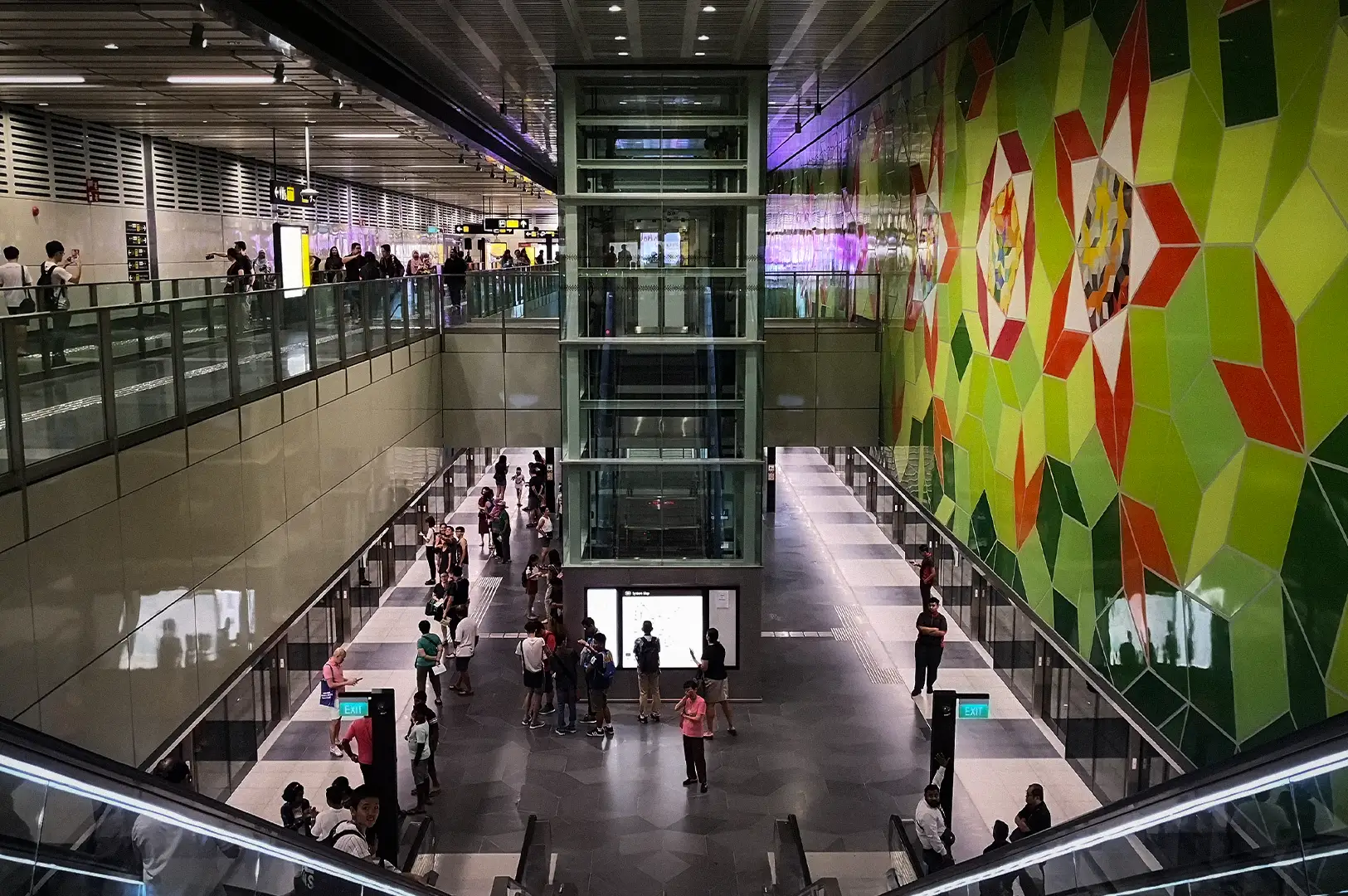
At certain stations, the crowds arrive later. Movement feels less directed. Instead of heading straight from the MRT to a specific destination, people take their time deciding where to go.
This shift affects how people eat.
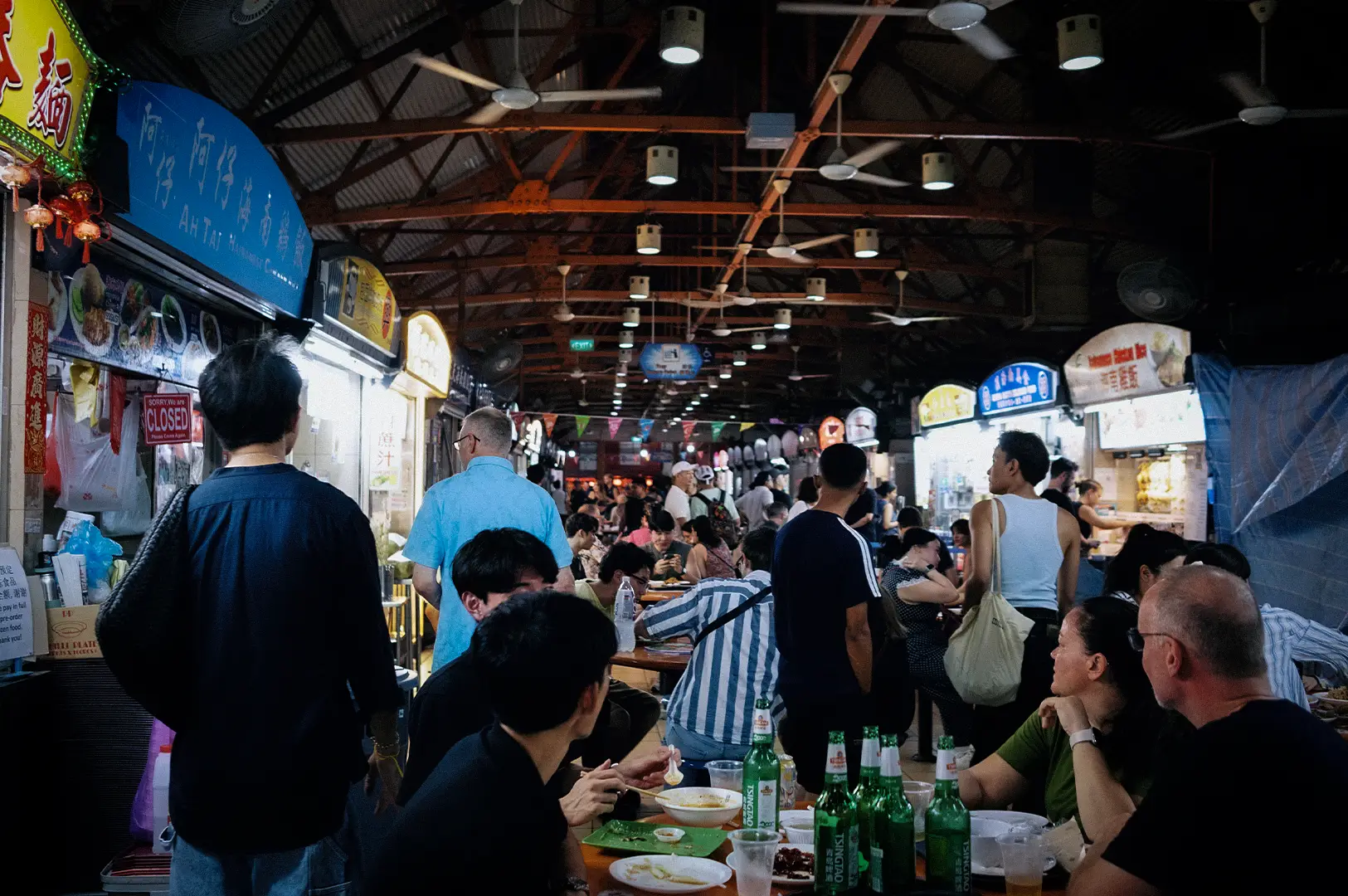
Queues form differently. They are less tied to strict lunch hours and more spread across the afternoon. Groups gather rather than individuals moving quickly between places.
Food choices also change.
There is more willingness to try something new, to walk slightly further, or to wait longer for a table. Meals become less about efficiency and more about spending time.
Even familiar stations can feel unfamiliar.
A place that is crowded with office workers during the week might feel quieter, or filled with a different type of crowd altogether, families, groups of friends, people exploring the area rather than passing through it.
Across the MRT network, this contrast is easy to observe.
The same station can support two different ways of eating, depending on the day.
And sometimes, the difference is enough to make a familiar place feel new again