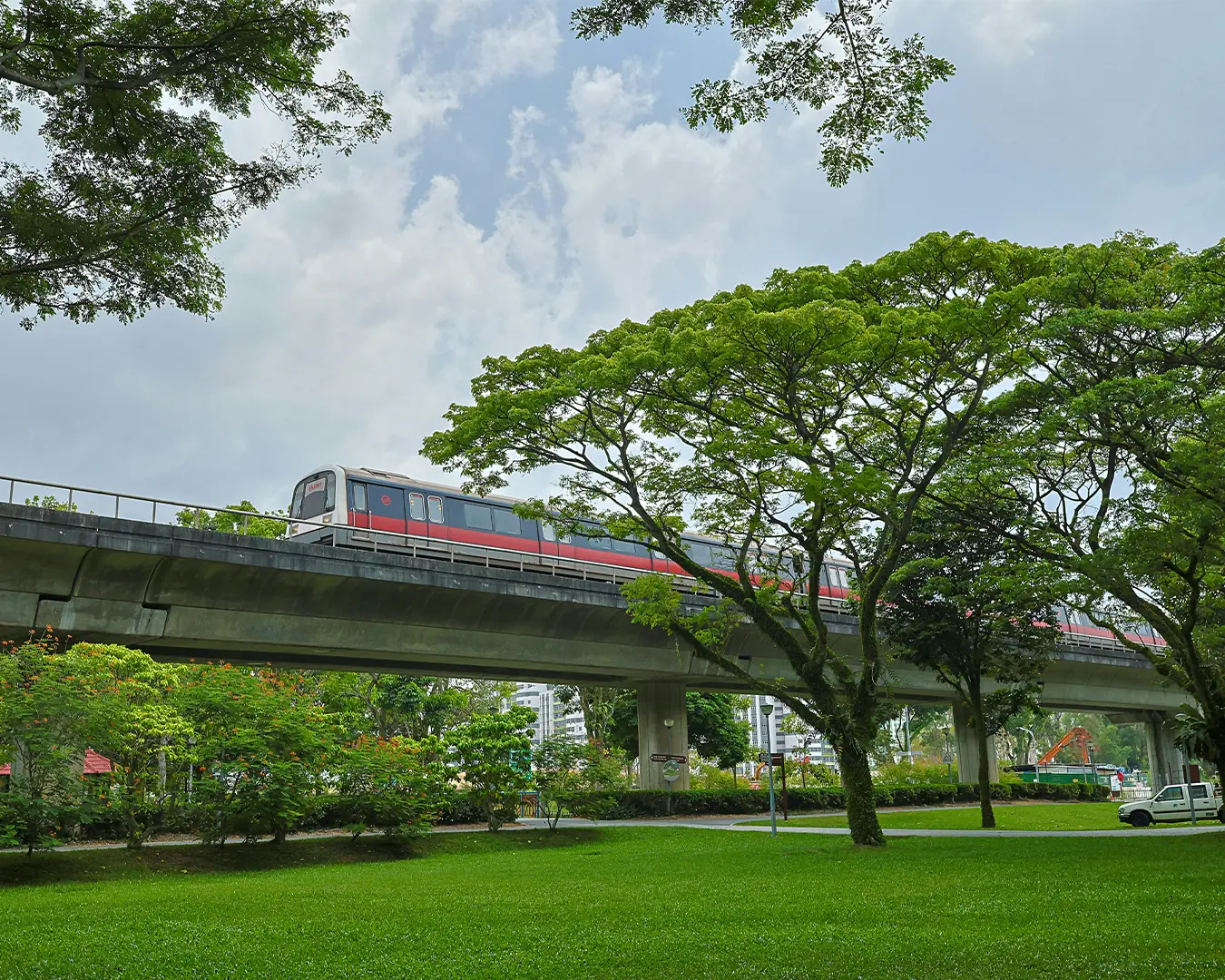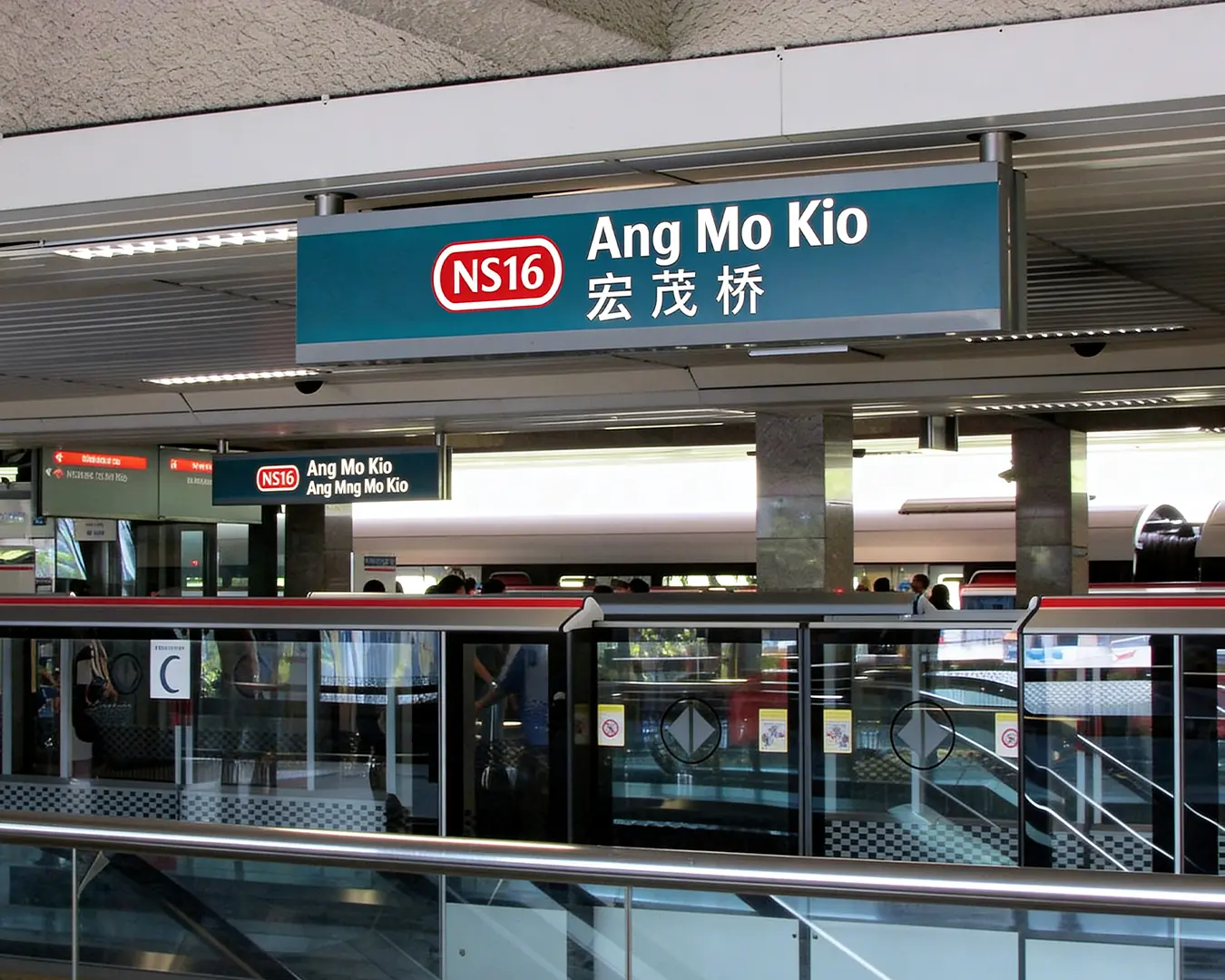
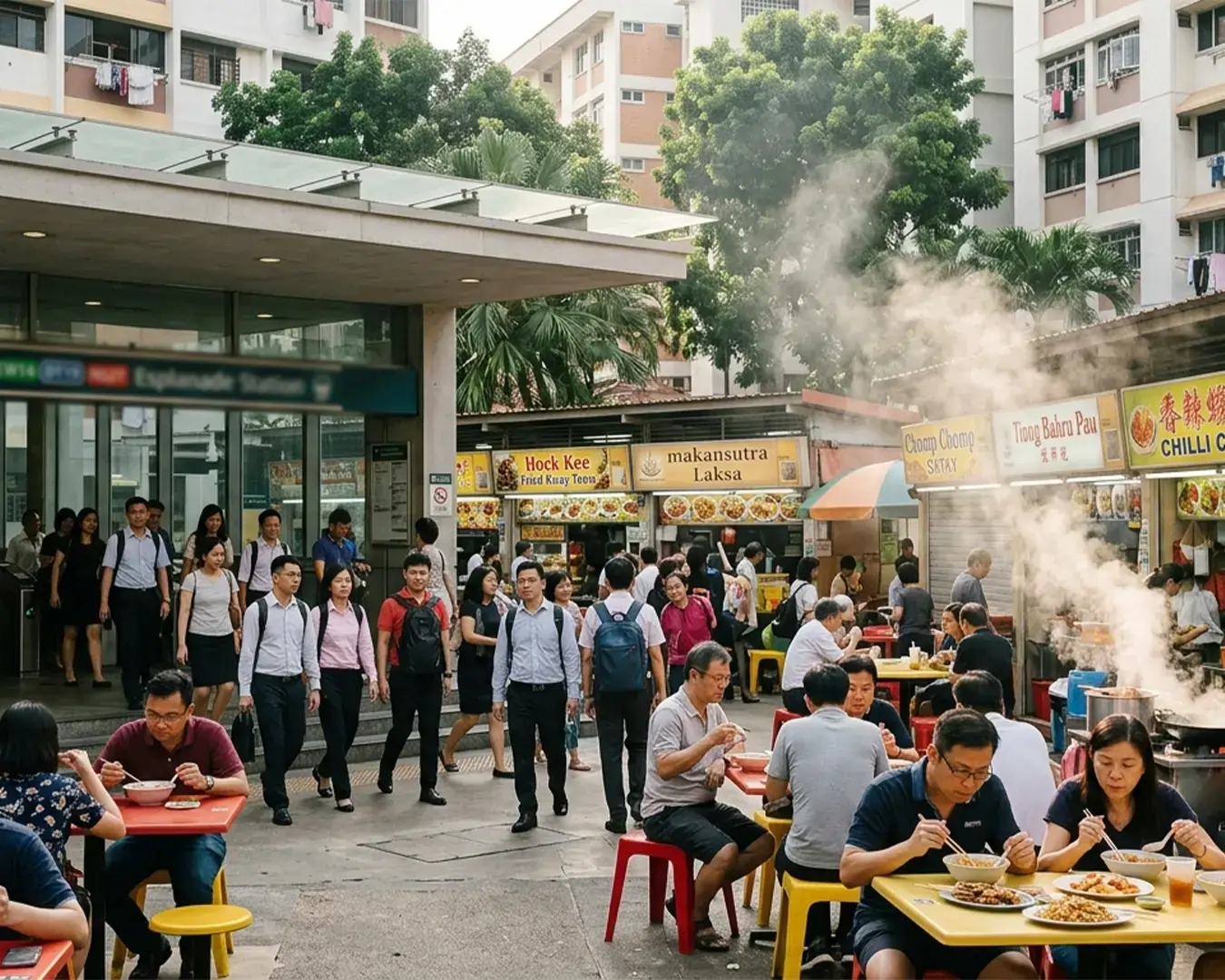
The Downtown Line stands out as one of Singapore’s most diverse food corridors, with the Downtown MRT Station serving as a key transit hub located in the vibrant Downtown Core. Stretching across the island, this MRT line seamlessly connects quiet residential neighborhoods like Bukit Panjang, rich heritage districts such as Chinatown, bustling commercial areas in the Marina Bay area, and laid-back eastern lifestyle zones near Expo.
I decided to map out a multi-stop food journey to capture this evolution. This Downtown Line food guide highlights exactly how the culinary landscape shifts from station to station, showcasing the diverse offerings near each MRT station exit. Whether you want a quick breakfast or a heavy dinner, exploring the food near Downtown Line MRT exits offers a masterclass in local dining, perfectly integrated with the transit experience.
1. Bukit Panjang — Downtown Line Food Starting Point
Our journey starts at the northwestern tip of the line at Bukit Panjang station, a deeply residential location that serves families and daily commuters seeking affordable, familiar meals. You will not find overly conceptual dining here, but you will find highly dependable everyday food.
Food Highlight: Bukit Panjang Hawker Centre and Market
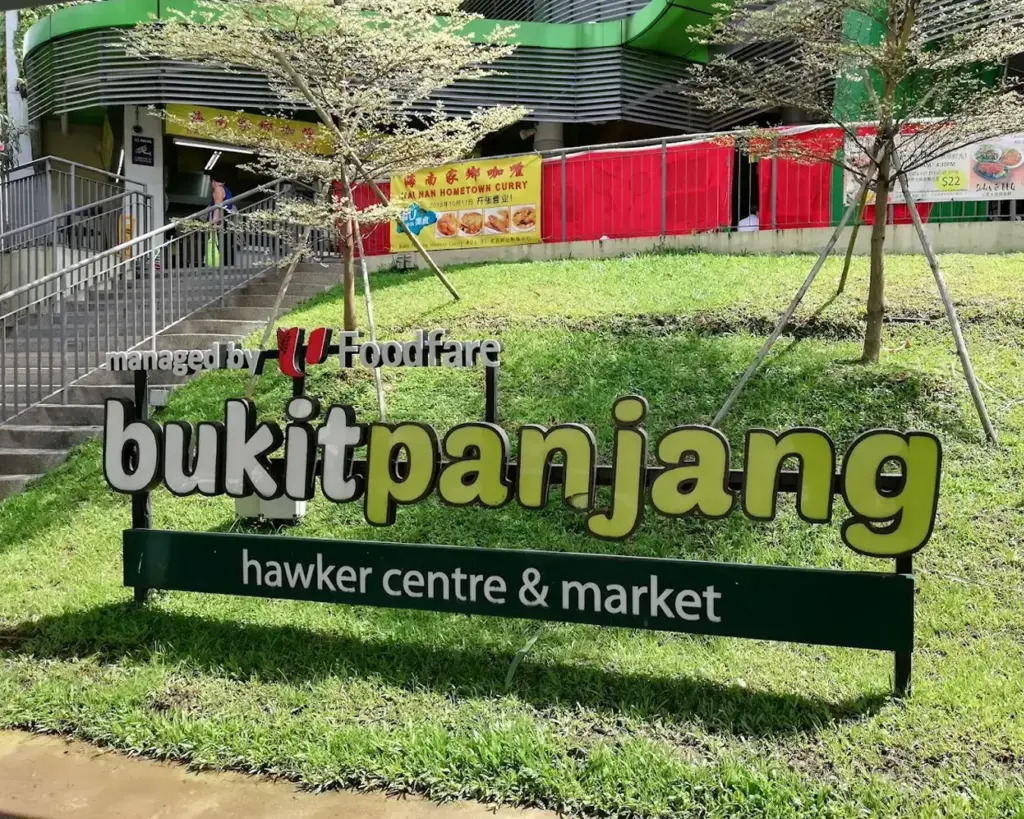
Just a short 5-minute walk from the MRT station, this modern hawker centre offers some of the best neighborhood food in the area.
What to order: I always look for the Lor Mee or the traditional minced meat noodles. The stalls here focus on generous portions and rich, comforting flavors. You can easily get a highly satisfying bowl of noodles for under $5.
Why this area is unique: Bukit Panjang retains a strong sense of community. The food scene revolves around practicality and comfort. It is the perfect starting place for our journey because it grounds you in the everyday eating habits of the western heartlands.
2. Beauty World — Hawker and Local Favourites
A few stops down the line, the train pulls into Beauty World, an area known for its massive food haven. The mix of older shopping centers, private estates, and nature reserves creates a unique crowd of hikers, students, and long-time residents.
Food Highlight: Beauty World Food Centre
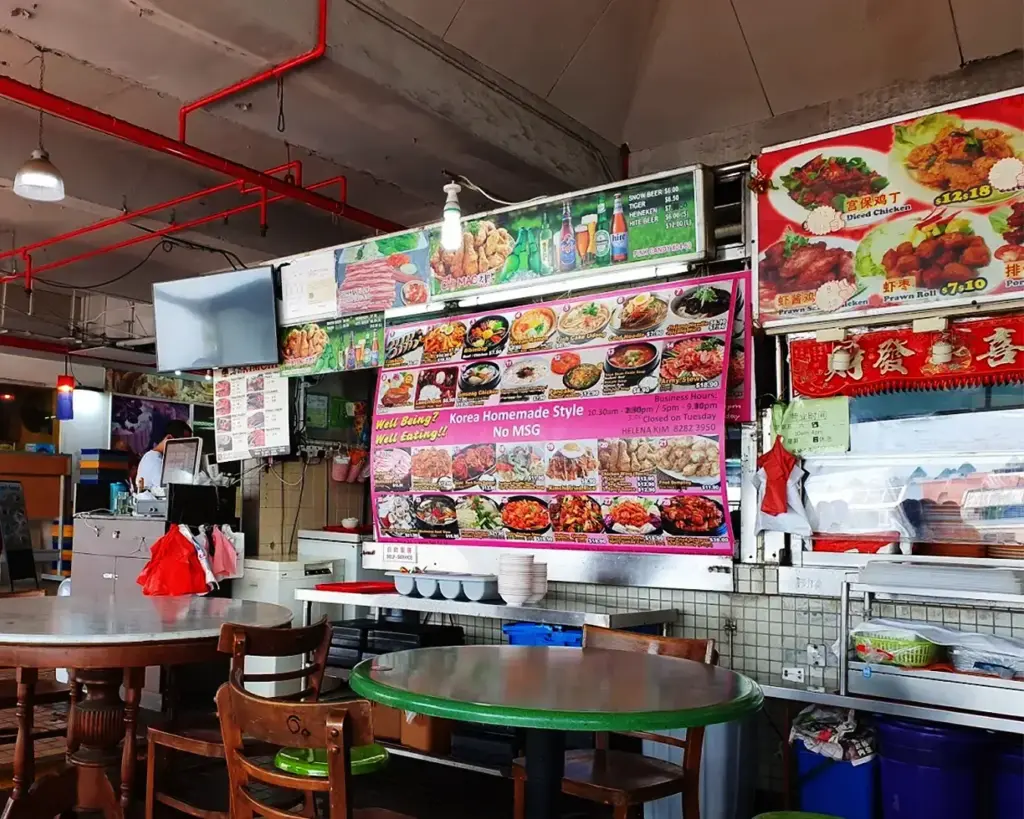
On the fourth floor of Beauty World Centre, this open-air hawker spot is legendary. It is a mere 3-minute walk from the MRT fare gates.
What to order: You cannot discuss Beauty World food without mentioning the handmade noodles (ban mian) or the thick, savory burgers from the western food stalls. The ban mian features a rich, dark sauce and perfectly springy noodles that draw long queues every single weekend.
Why this area is unique: The food centre sits on an open rooftop terrace, giving it a wonderfully nostalgic, old-school atmosphere. It feels like a pocket of the past that has remained untouched by modern mall developments.
3. King Albert Park — Cafe and Casual Dining Mix
As the train continues its route, the landscape above ground shifts into leafy, upscale residential zones. King Albert Park reflects this change perfectly. The dense hawker centres give way to a quieter environment filled with cafes and mid-range casual dining.
Food Highlight: KAP Mall Cafes
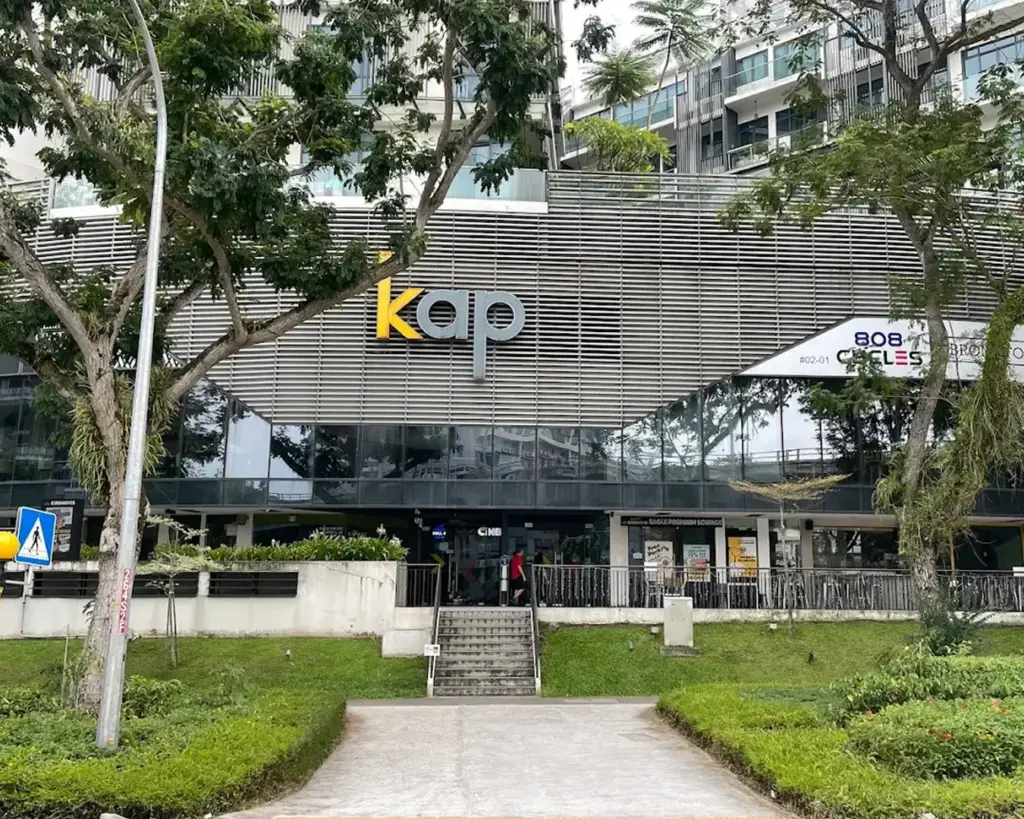
Taking a short 4-minute walk from the station brings you to KAP Mall, a quiet lifestyle enclave.
What to order: Find a table at one of the independent cafes and order a freshly pulled flat white alongside an avocado sourdough toast or a hearty brunch platter.
Why this area is unique: King Albert Park offers a brilliant respite from the heavier crowds. The pace here is noticeably slower. If you need a quiet space to read a book or catch up with a friend over quality coffee, this is the most reliable stop on the western half of the line.
4. Little India — Cultural and Heritage Dining
As the train approaches the city centre, the energy completely transforms. Stepping out at Little India engages all your senses immediately. The smell of roasted spices, fresh jasmine, and frying dough fills the air. This station offers some of the most vibrant and historically rich dining experiences on the island.
Food Highlight: Tekka Centre and Traditional Eateries
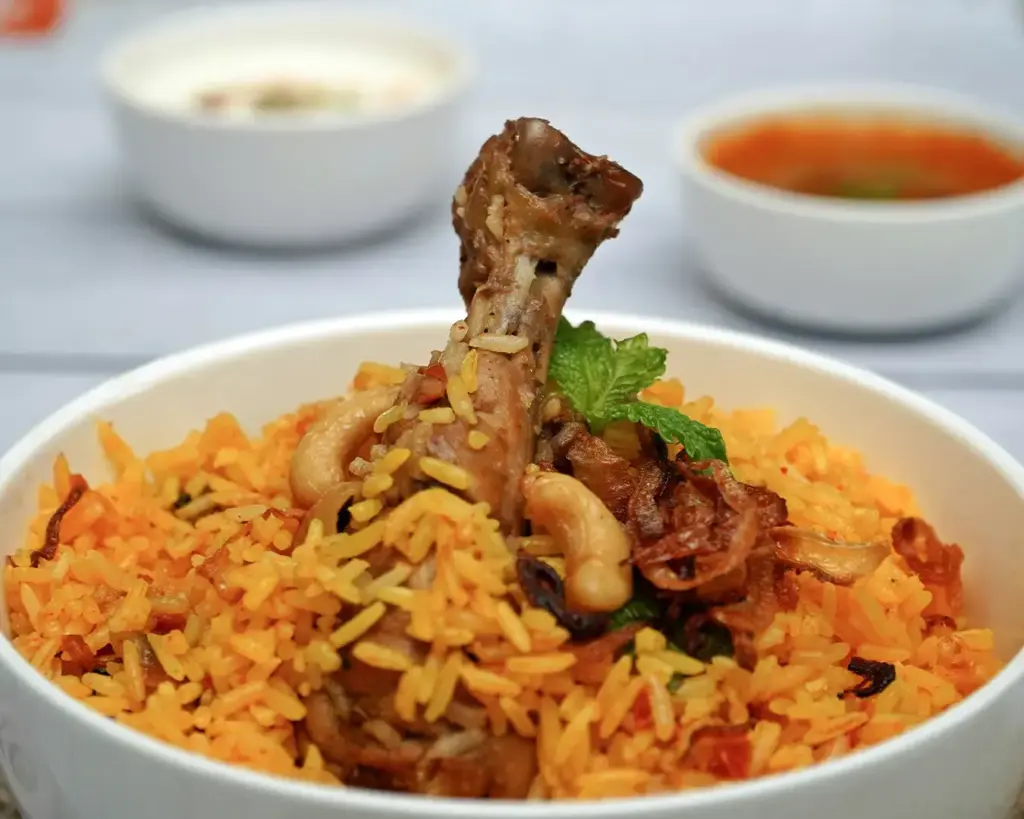
Tekka Centre is practically connected to the station, requiring less than a 2-minute walk. If you prefer a sit-down meal, the traditional eateries along Serangoon Road are just a 5-minute stroll away.
What to order: For authentic Little India food Singapore locals love, grab a massive plate of chicken biryani at Tekka Centre. The basmati rice is incredibly fragrant, and the curries pack a serious punch. Alternatively, sit down for a crispy masala dosa paired with piping hot filtered coffee at a nearby vegetarian restaurant.
Why this area is unique: The cultural identity here is incredibly strong. The dining experience is entirely authentic, deeply rooted in heritage, and offers flavor profiles you simply cannot find in the suburban malls.
5. Chinatown — Dense Food District
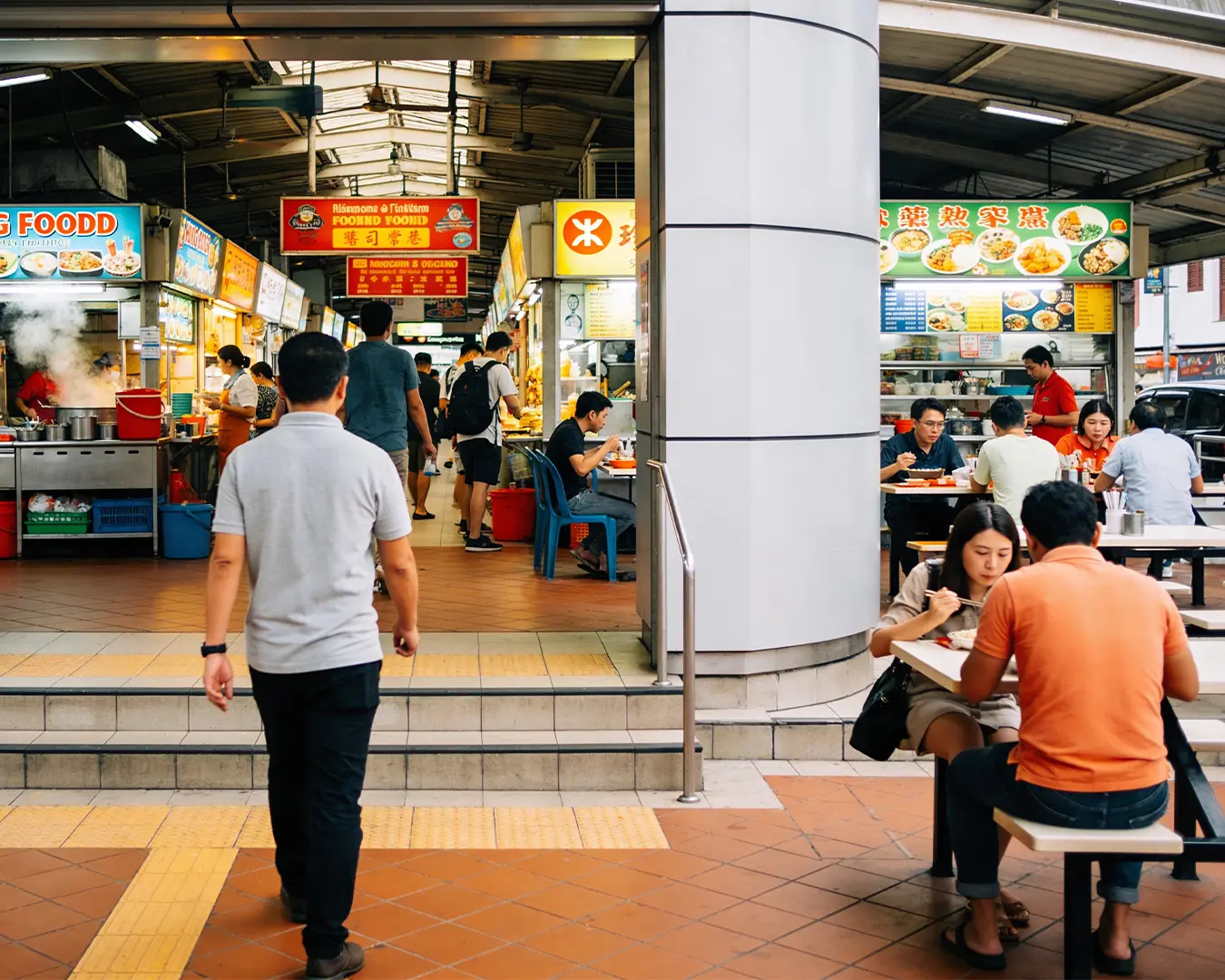
Just two stops later, you arrive at another massive cultural heavyweight. Chinatown is arguably the most densely packed food district on the entire Downtown Line. The sheer concentration of hawker centres, traditional bakeries, and regional Chinese restaurants can feel overwhelming, but it guarantees you will never leave hungry.
Food Highlight: Chinatown Complex Food Centre
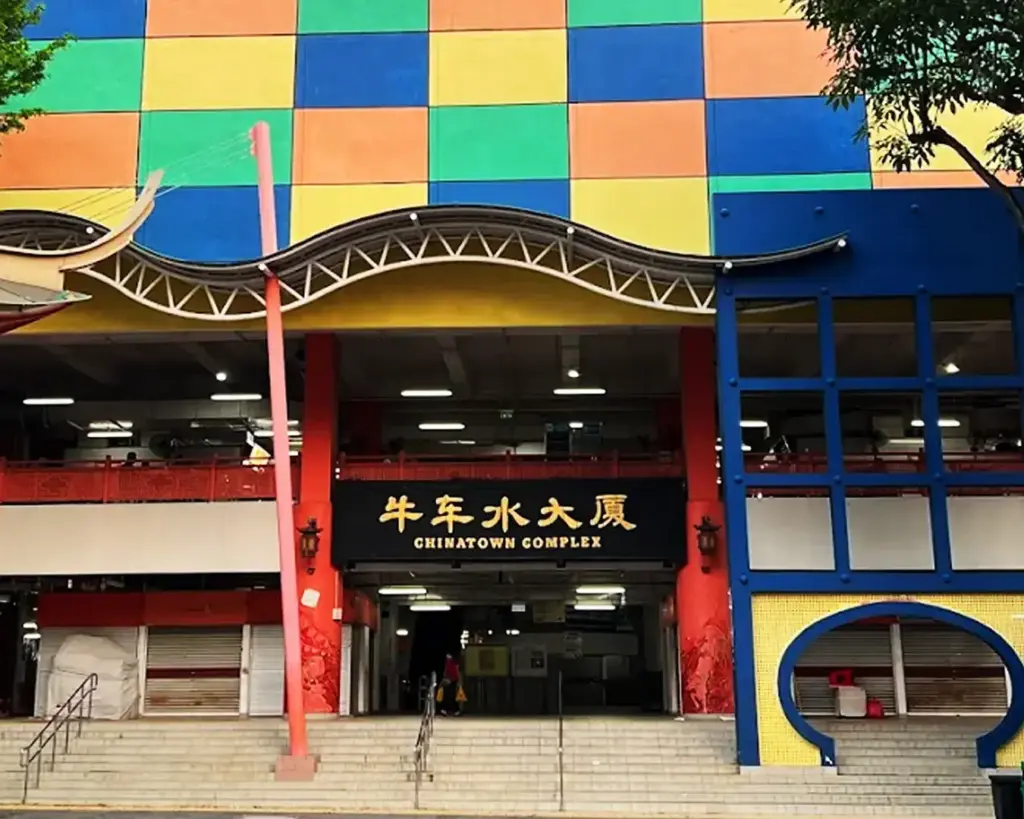
Navigating the narrow streets takes about 5 minutes from the station exit before you reach the largest hawker centre in Singapore.
What to order: You must try the claypot rice or the soya sauce chicken rice. The claypot rice features beautifully charred bits of rice at the bottom, mixed with savory dark soy sauce and tender chicken.
Why this area is unique: Chinatown MRT food represents the ultimate convergence of volume and variety. You will find vendors who have spent decades perfecting a single dish sitting right next to newer stalls experimenting with craft beers. It is chaotic, loud, and absolutely brilliant.
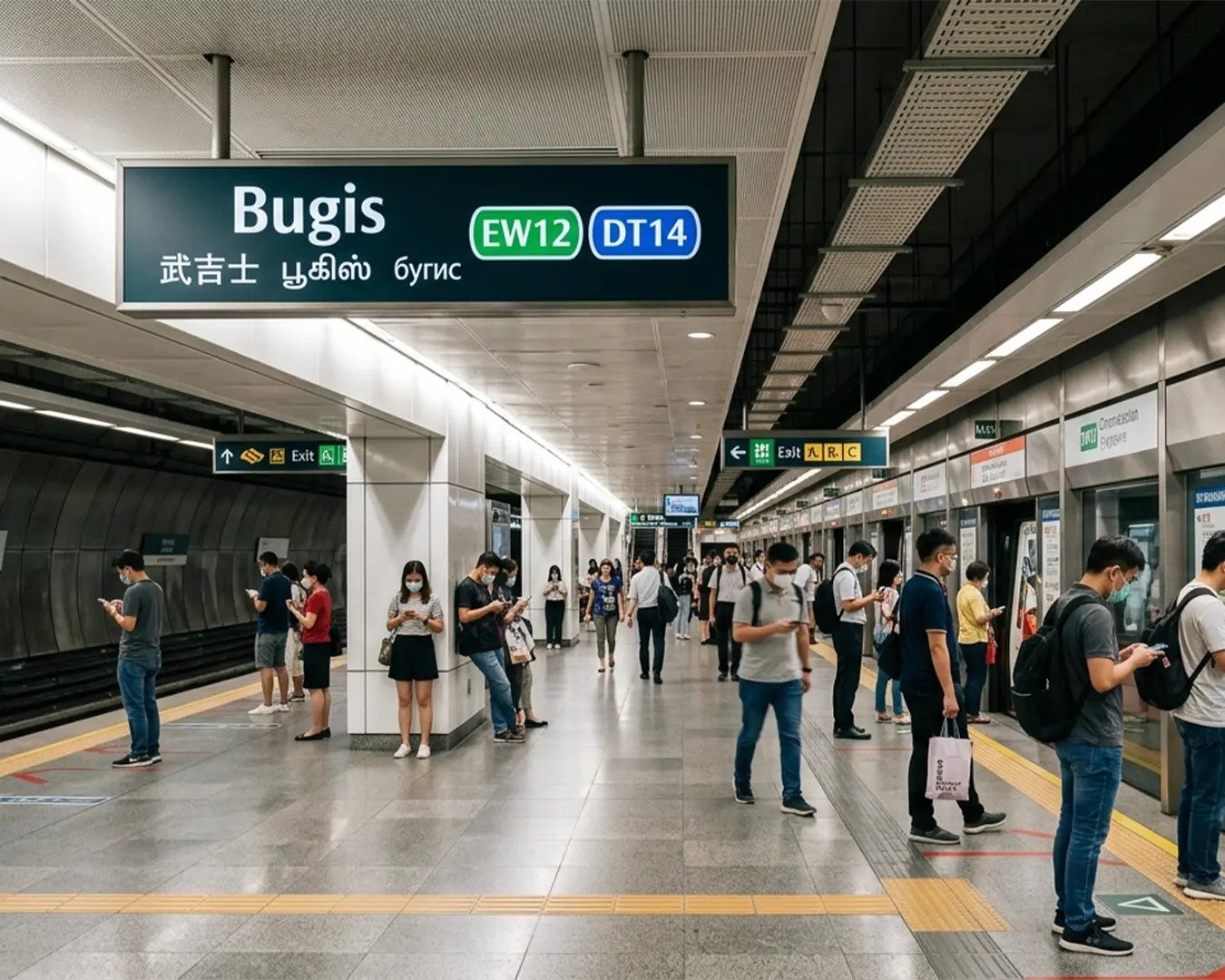
6. Bugis — Transition to Modern Dining
Moving slightly north, Bugis represents the perfect transition zone. It sits right on the edge of the downtown core and successfully blends historic street food with highly polished, modern dining. It is a massive retail hub that draws a younger, energetic crowd.
Food Highlight: Albert Centre and Surrounding Streets
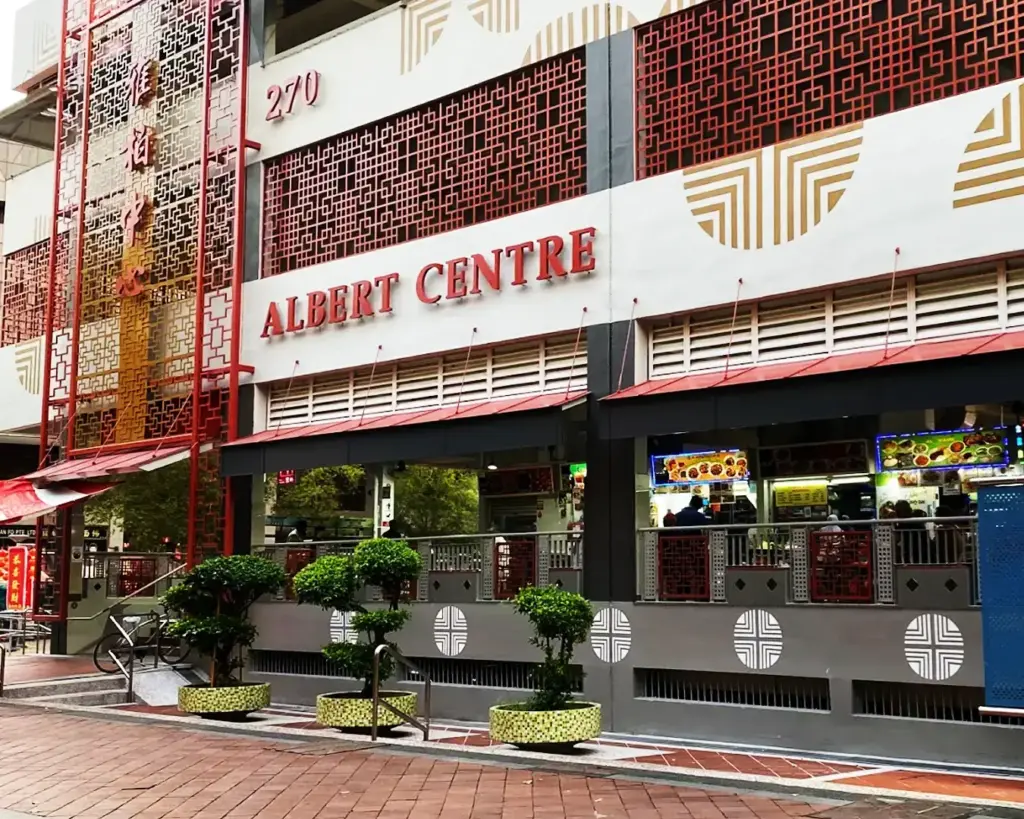
Albert Centre provides traditional hawker fare within a 4-minute walk, while the surrounding streets like Haji Lane offer trendy cafes.
What to order: If you want traditional food near Bugis MRT, get the local dessert soups (cheng tng or tau suan) at Albert Centre. If you prefer modern dining, head toward the cafes for specialty pastas and artisanal pastries.
Why this area is unique: Bugis gives you the freedom to choose your dining era. You can eat a $4 bowl of traditional noodles for lunch and follow it up with a $20 artisanal dessert just two streets away.
7. Bedok Reservoir / Bedok North — East-Side Comfort Food
Further east, the pace shifts again. The towering city buildings disappear, replaced by the breezy, relaxed atmosphere of the eastern heartlands. The stations around Bedok Reservoir and Bedok North bring the journey back to comforting, neighborhood-focused food.
Food Highlight: Bedok North Hawker Eateries
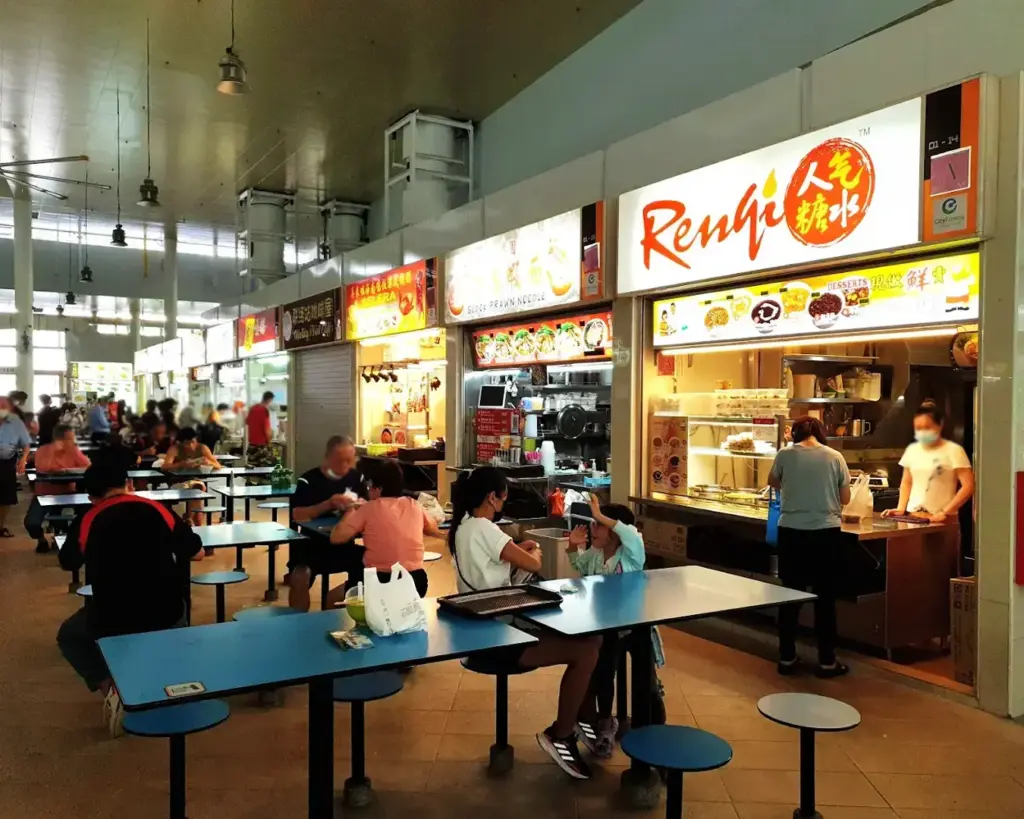
Walking about 6 to 8 minutes into the surrounding HDB estates reveals several beloved neighborhood coffee shops and hawker clusters.
What to order: The minced meat noodles (bak chor mee) in this region are famous across the island. The east-side variation often features a rich, pork-based broth loaded with handmade dumplings and springy egg noodles.
Why this area is unique: The east side of Singapore is fiercely proud of its local food. The eating spots here do not rely on tourist footfall; they thrive on the loyalty of residents who have eaten the same reliable everyday food for years.
8. Expo — Casual and Convenient Options
Our journey concludes at the far eastern end of the line. Expo is a major transit node, heavily utilized by business travelers, event-goers, and professionals working in the nearby business parks. Because people are usually on the move here, the food scene prioritizes accessibility and speed.
Food Highlight: Changi City Point
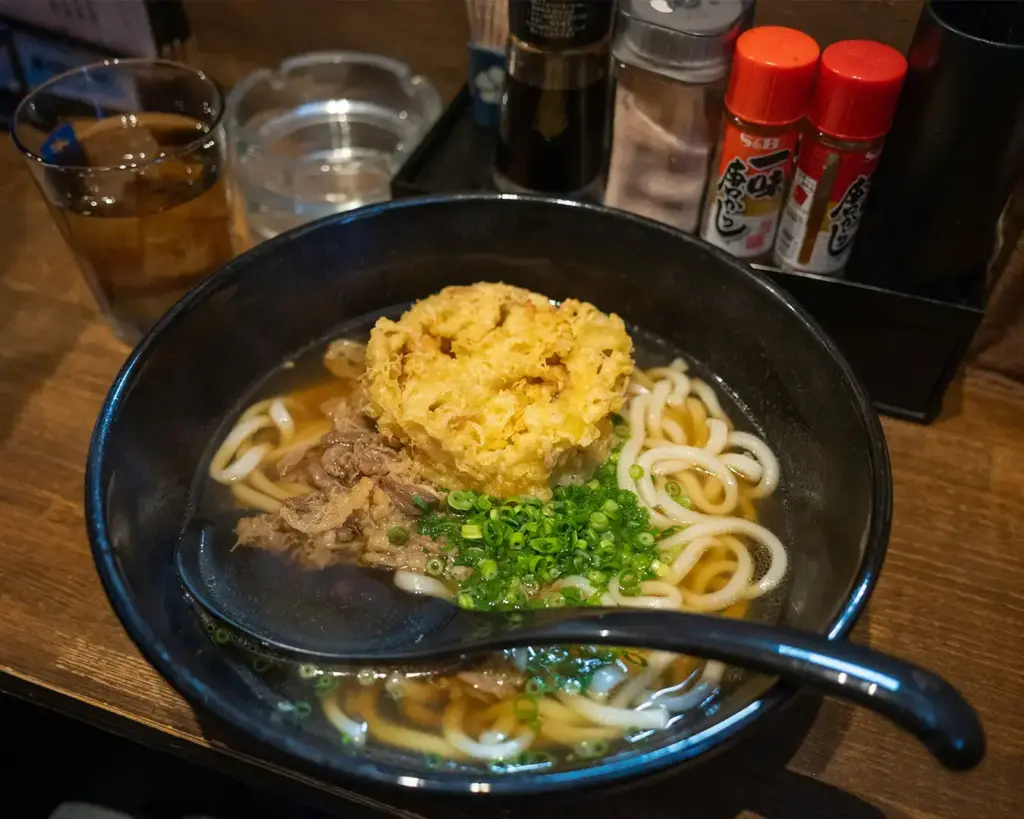
This massive mall is directly integrated with the Expo MRT station, requiring zero time outdoors to reach the food options.
What to order: Head to the basement for quick, reliable casual dining. A hot bowl of Japanese ramen or a fast-casual Korean bento box provides the perfect, satisfying end-of-line meal.
Why this area is unique: Expo represents maximum transit convenience. It is heavily optimized for commuters who need a quick, air-conditioned meal before catching a flight or attending a convention. It lacks the historic grit of Chinatown, but it makes up for it with sheer efficiency.
Downtown MRT Station: A Key Transit Hub and Artistic Landmark
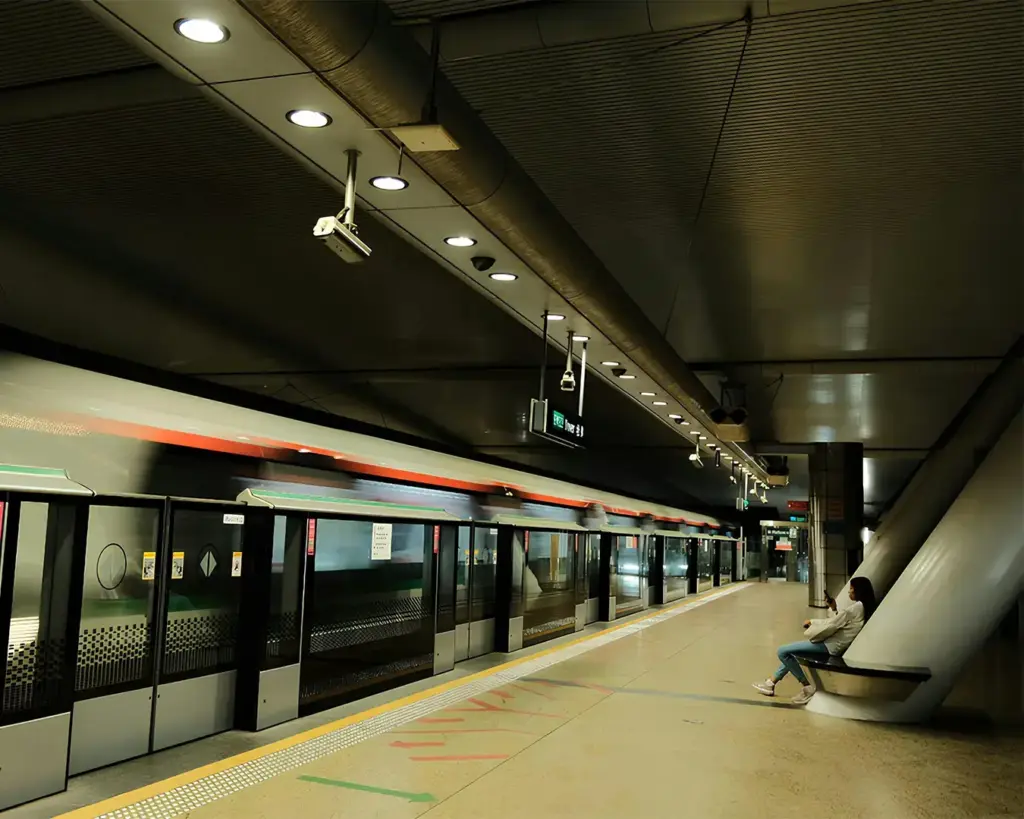
In addition to its culinary delights, the Downtown MRT Station, located underneath Central Boulevard in the Downtown Core, serves as a crucial transit hub. It connects commuters to iconic landmarks such as Marina Bay Suites, the SGX Centre, and the Marina View area. The station, originally known as Landmark Station during its construction phase, was awarded to Taisei Corporation and officially opened in 2013. It features side platforms and tunnels that enhance passenger flow and comfort during peak hours and weekends.
The station’s design is inspired by the intricate mosaic artwork “Leaves” by Jason Lim, which draws from the delicate structure of bamboo leaves. This art piece integrates seamlessly into the station’s architecture, offering commuters a visual respite amidst the hustle of the CBD. The blades of mosaic leaves guide people in various ways throughout the station, symbolizing the interconnectedness of the Marina Bay area and the broader Singapore transit network.
Final Bites at Downtown Station: A Culinary Journey’s End
The Downtown Line is much more than just a transit route; it acts as a moving cross-section of the city’s entire culinary identity. By simply tapping your card and riding a few stops, you can shift from the comforting heartland meals of Bukit Panjang to the intense heritage cuisine of Little India, and finally to the fast-paced modern dining of the eastern business parks.
Exploring the line is easily one of the most efficient ways to experience entirely different food cultures in a single, uninterrupted route. Each stretch of the Downtown Line offers something slightly different, which makes it one of the more interesting routes to explore when it comes to food. For more mrt food adventures, check out the Underrated Hawker Food Near MRT Stations.