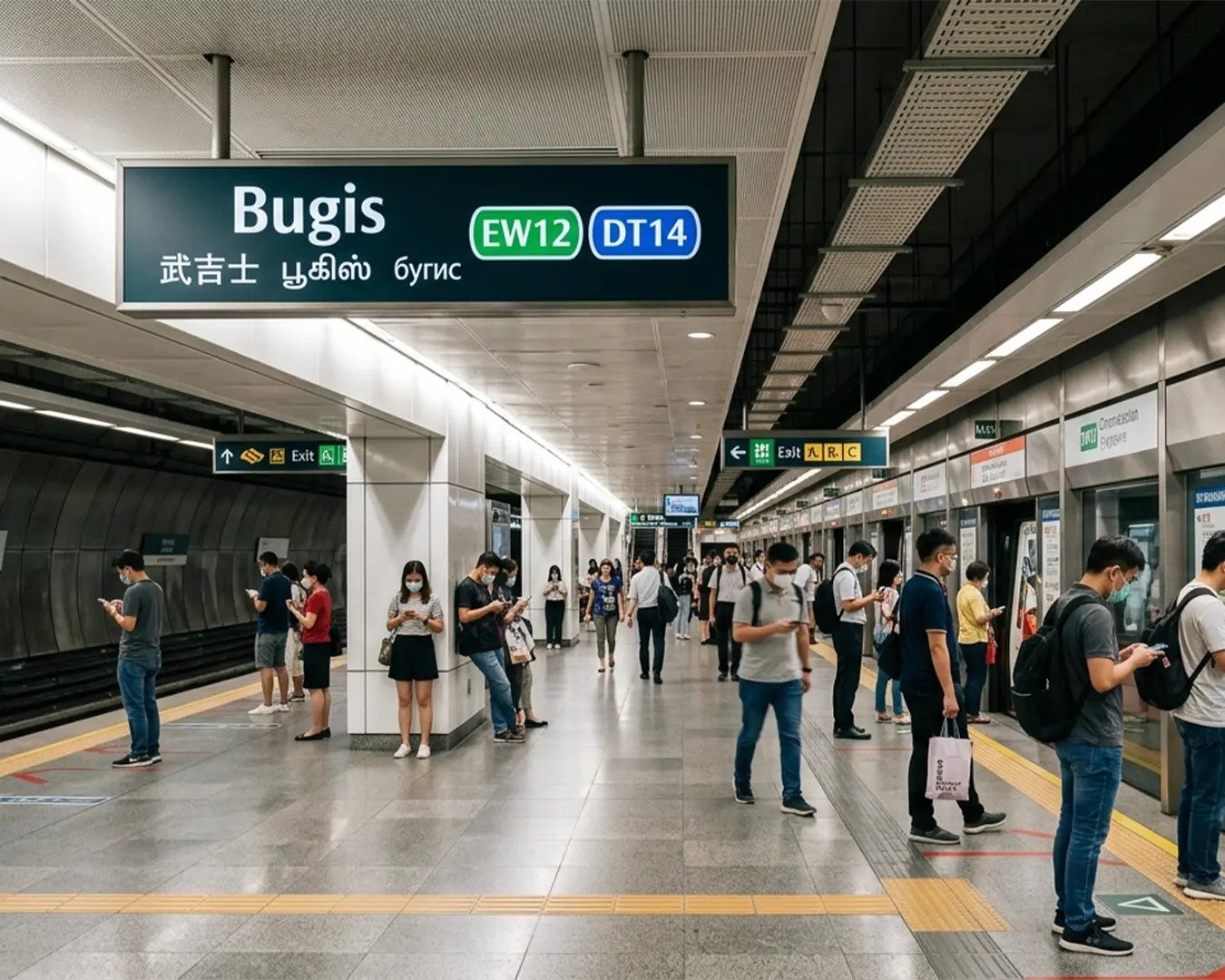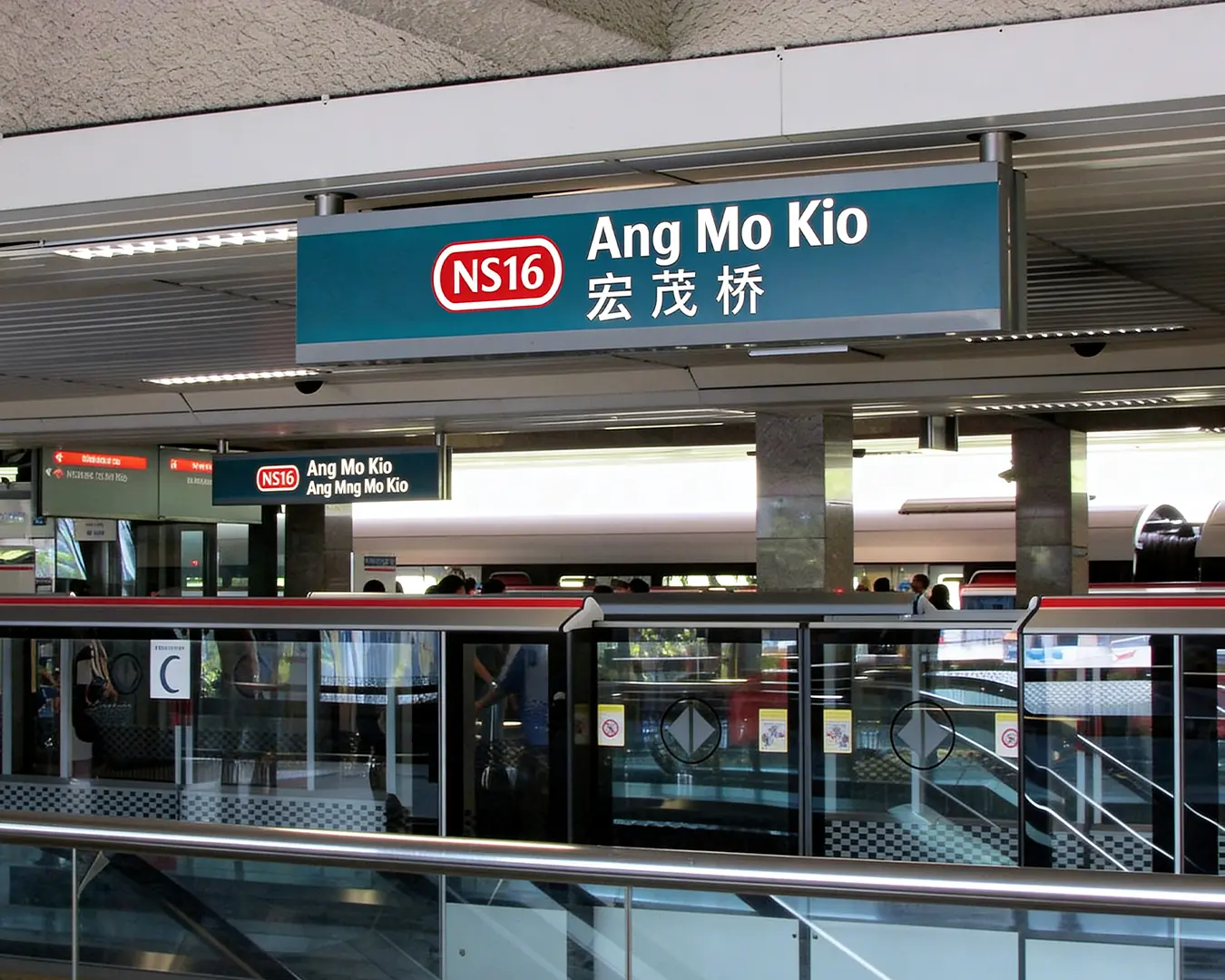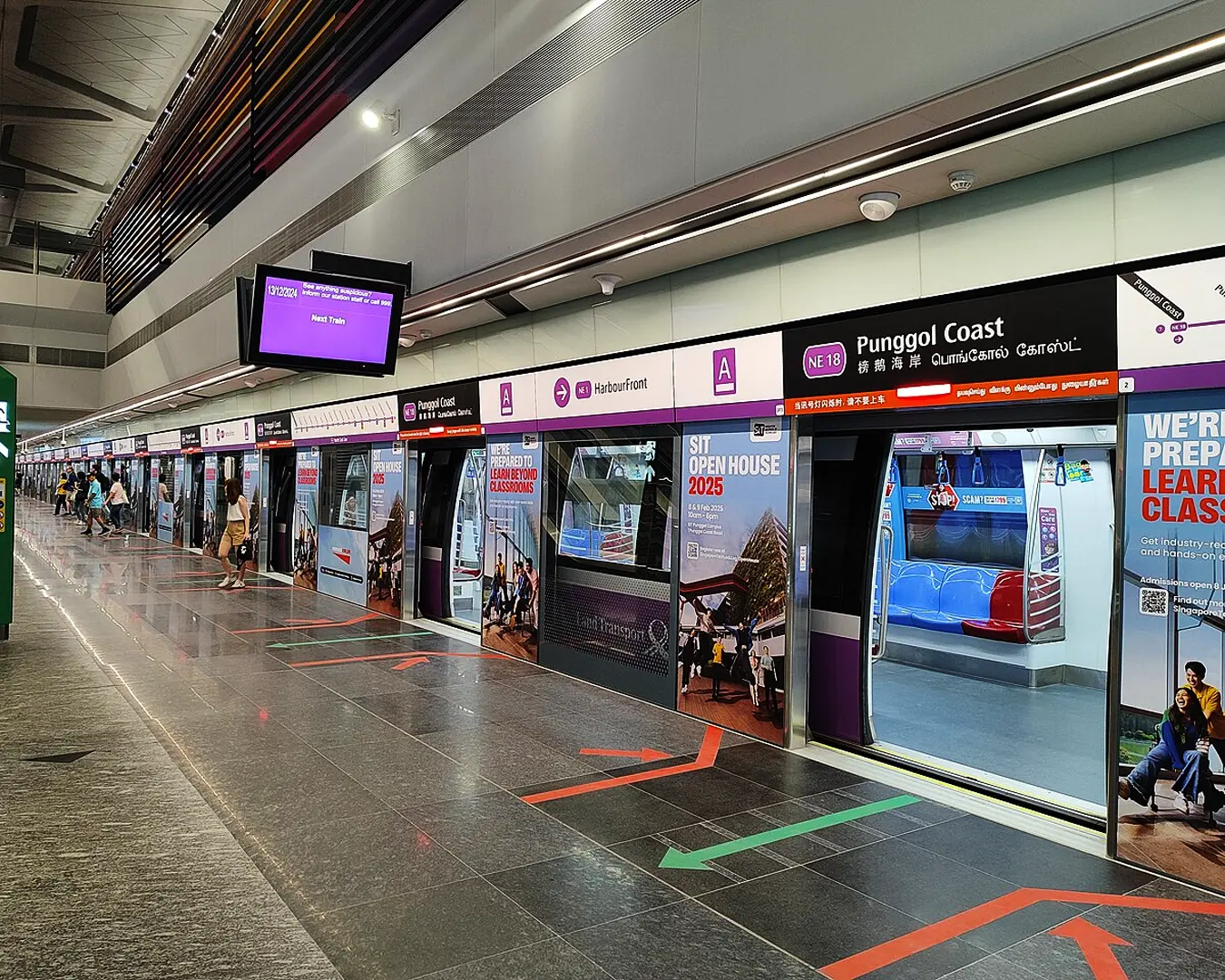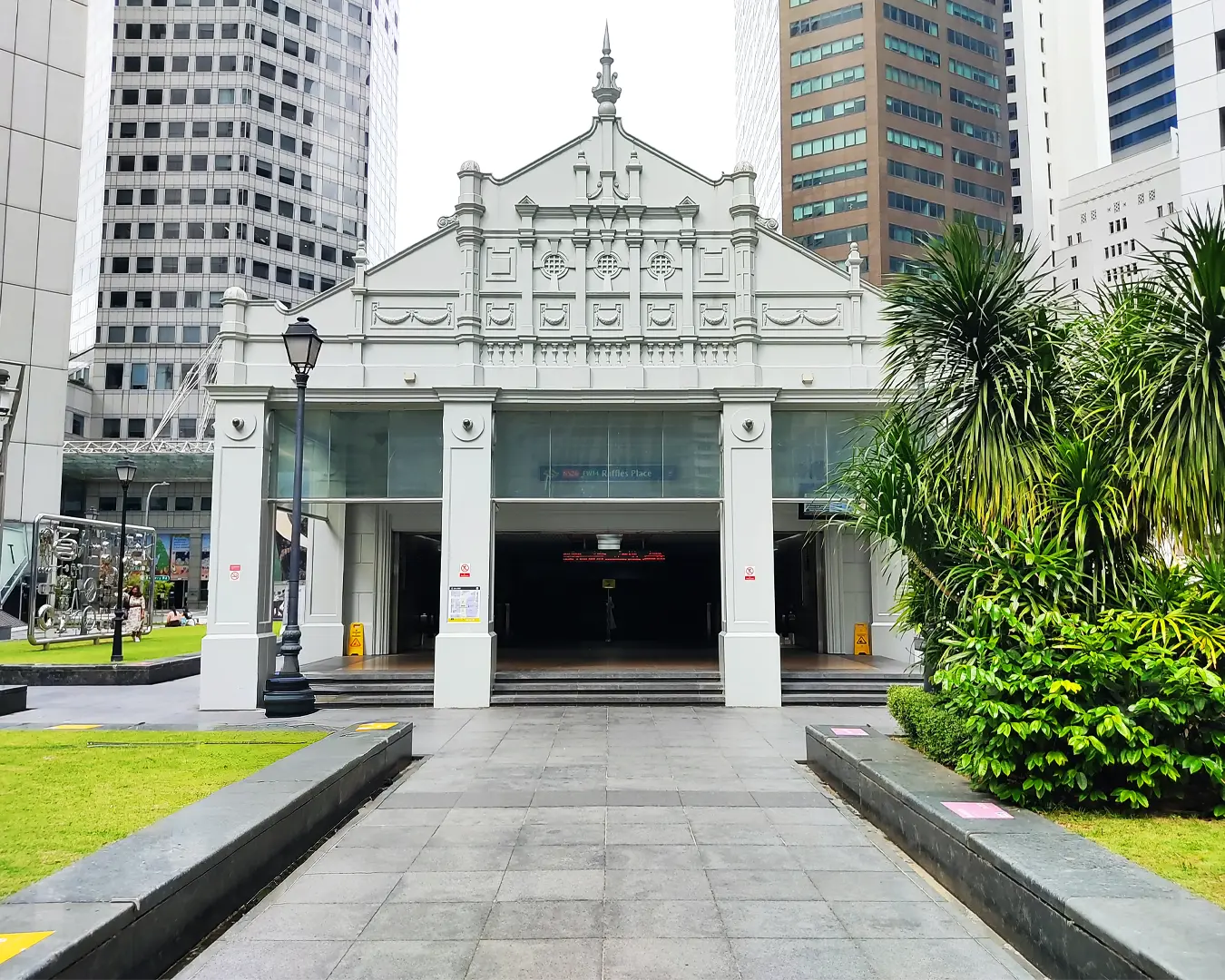
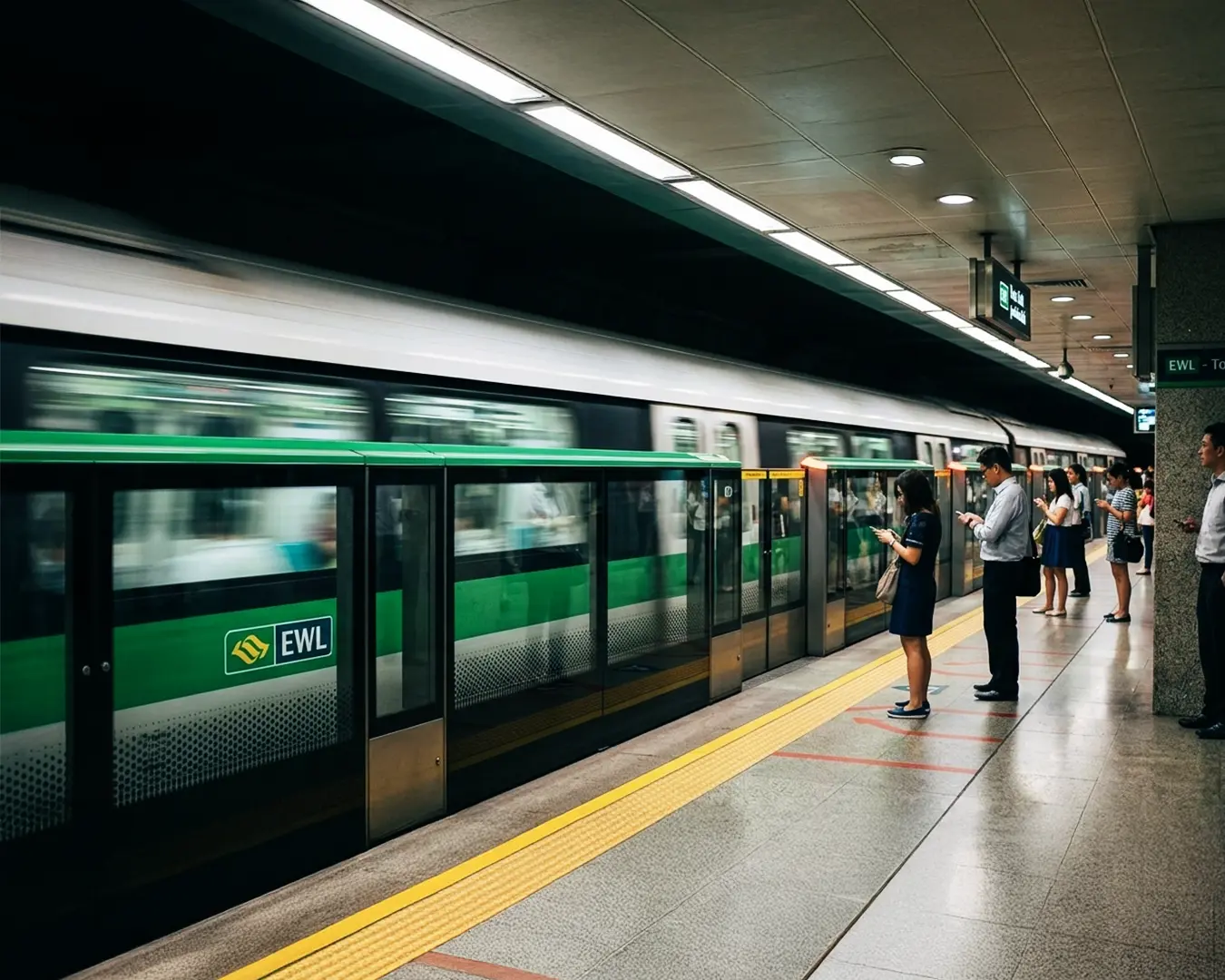
The East–West Line is one of the longest stretches of everyday Singapore. It cuts across housing estates, industrial zones, office districts, and older neighbourhoods, and somewhere along the way, the way people eat begins to shift.
Spending a day moving along the line makes those differences easier to see.
In the western stations, mornings feel practical. Coffee shops near the MRT fill early with workers ordering kopi, toast, and bowls of noodles before the day begins. The stalls that draw queues tend to be the familiar ones — the same fried bee hoon stall, the same porridge counter that regulars have been visiting for years.
Food here moves quickly. People already know what they’re getting.
As the train moves closer toward the city, the pace starts to change. Stations begin connecting directly to malls or office towers, and the number of food options multiplies. Lunch crowds arrive in waves. The queues get longer, but they move with quiet efficiency.
Office workers step out of the station with a destination already in mind. A chicken rice stall, a ban mian shop, a particular café tucked beside the MRT exit.
It’s less about habit and more about routine.
By mid-afternoon, the energy around many stations softens again. Some food stalls slow down between lunch and dinner, while cafés and casual eateries start filling with students and people working remotely. These stations feel less hurried, almost like pauses along the line.
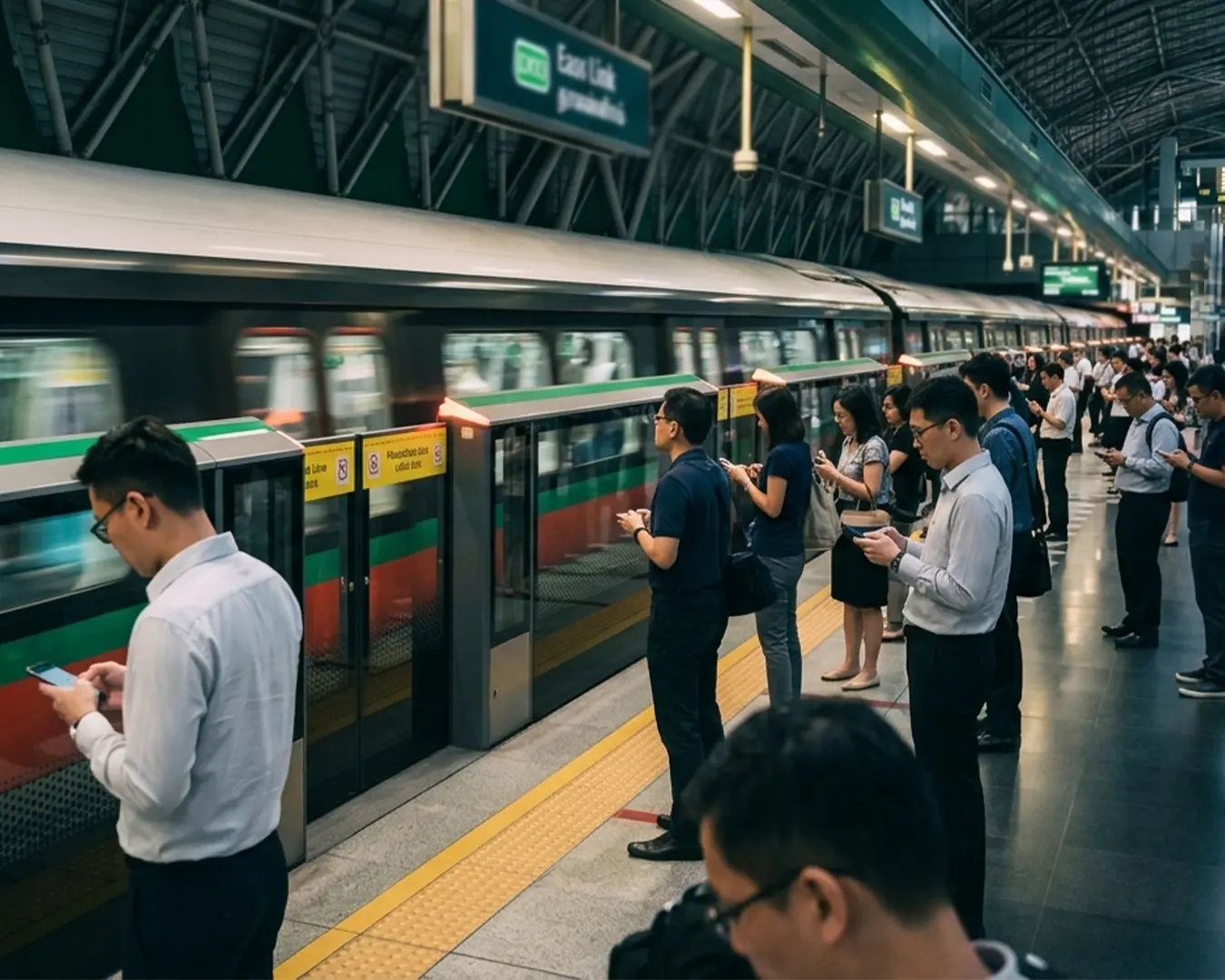
Then evening arrives, and the East–West Line fills with commuters heading home.
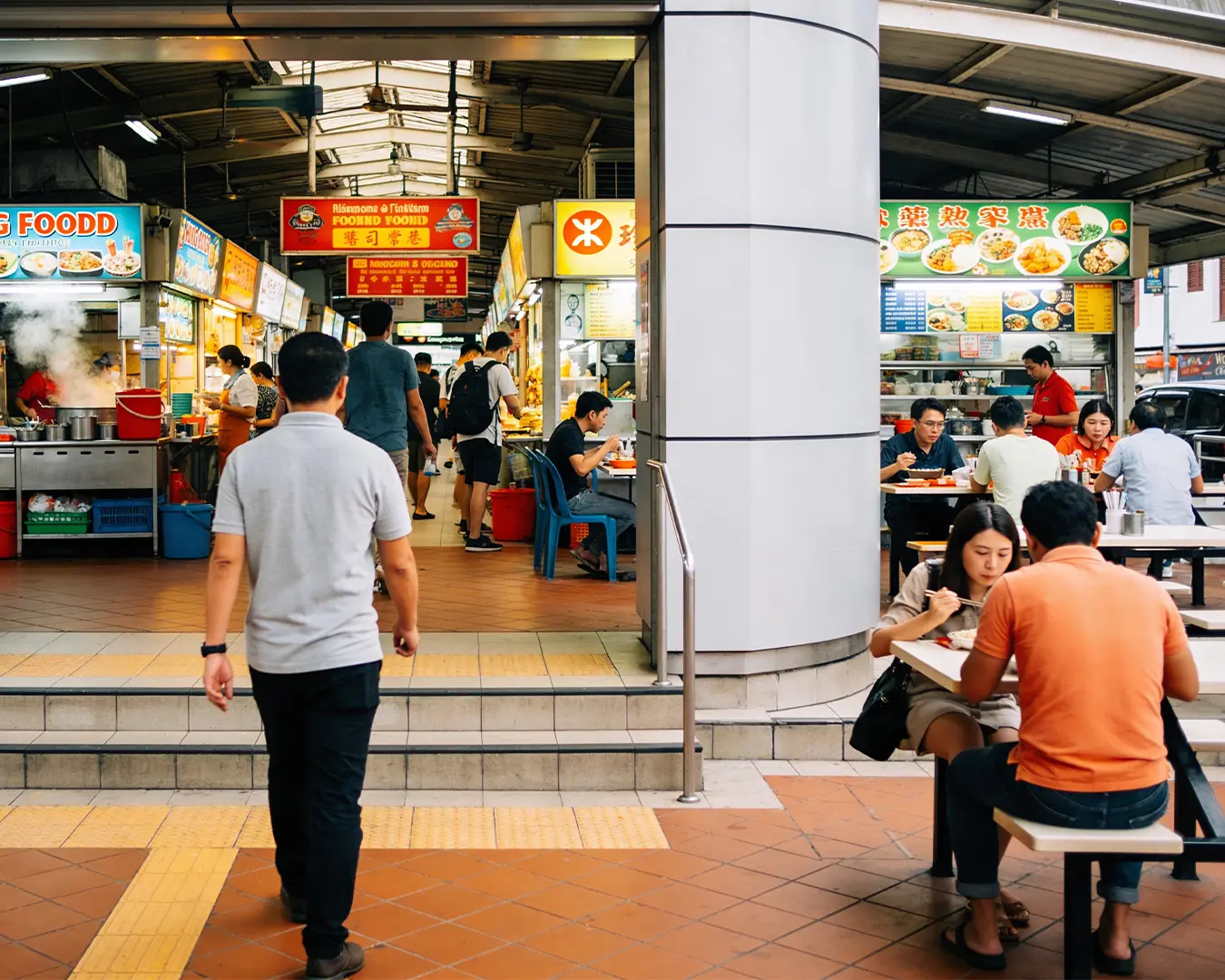
Dinner decisions happen quickly after tapping out. Some people head toward hawker centres nearby. Others drift into mall food courts or small neighbourhood coffee shops. The stalls that stay busy are the ones offering familiar comfort — roasted meats, noodles, rice dishes that can be served fast.
Watching these patterns unfold along the line reveals something simple about how Singapore eats.
Food near MRT stations isn’t just about what’s available.
It’s about timing, routine, and the quiet habits people build around the stations they pass through every day.