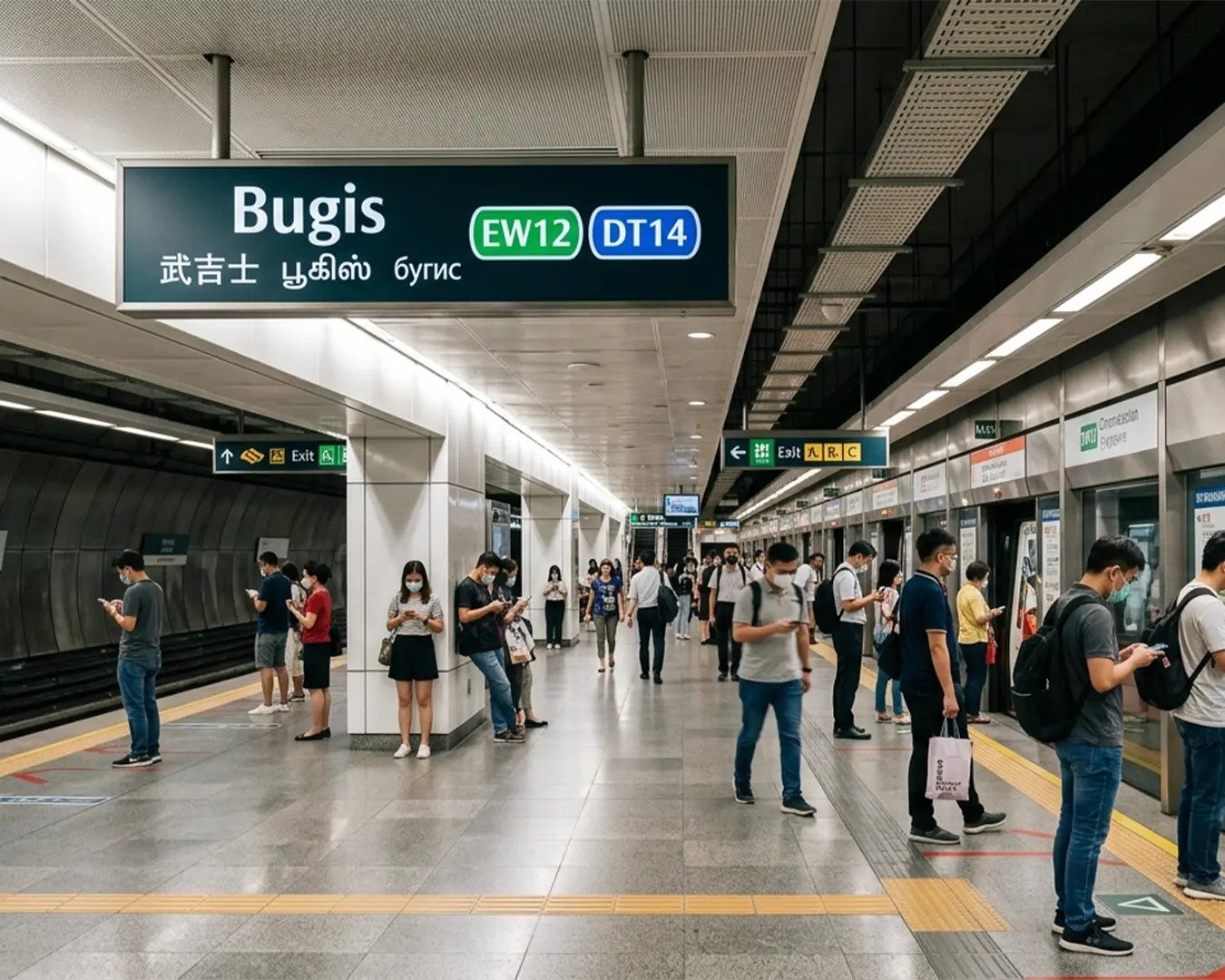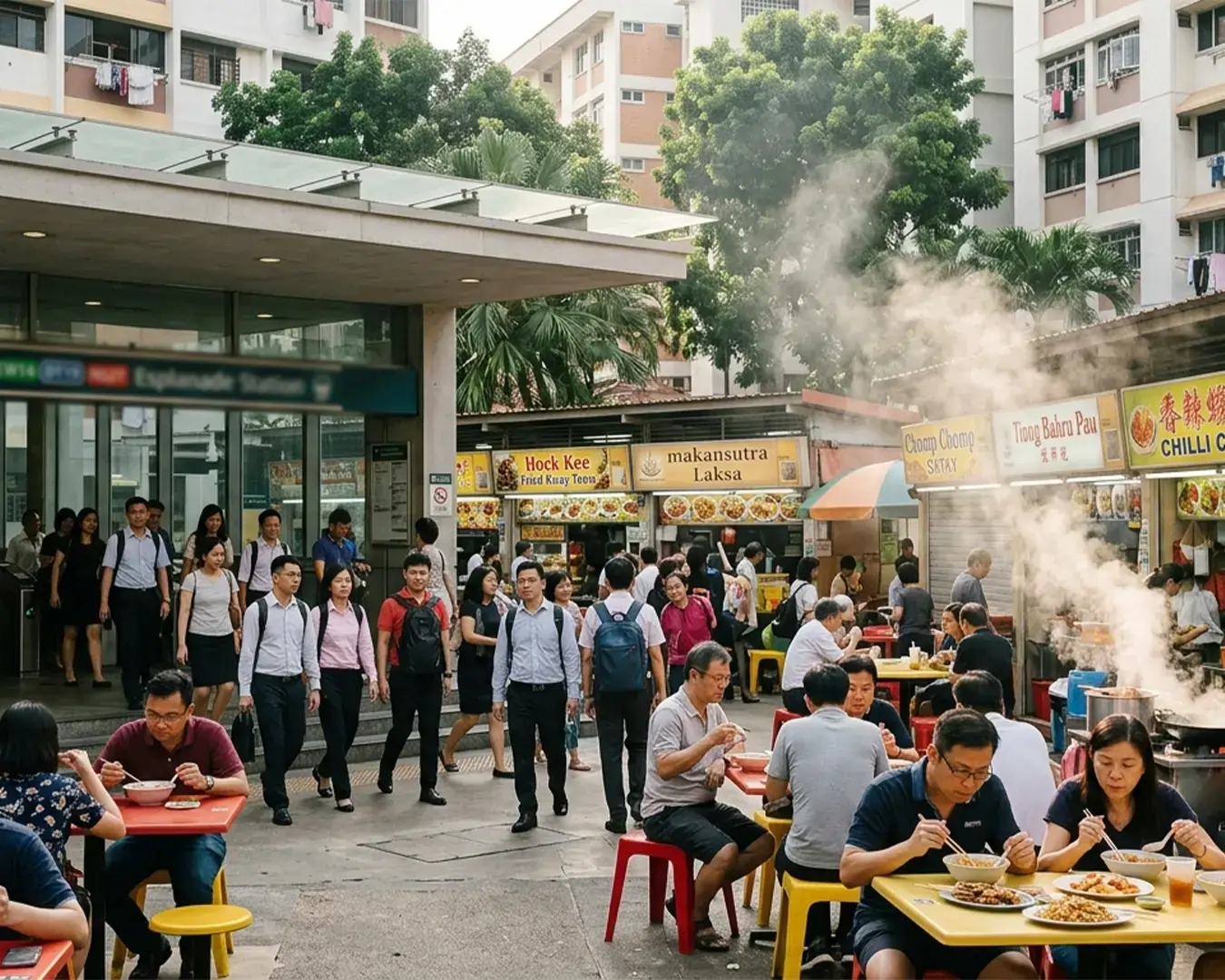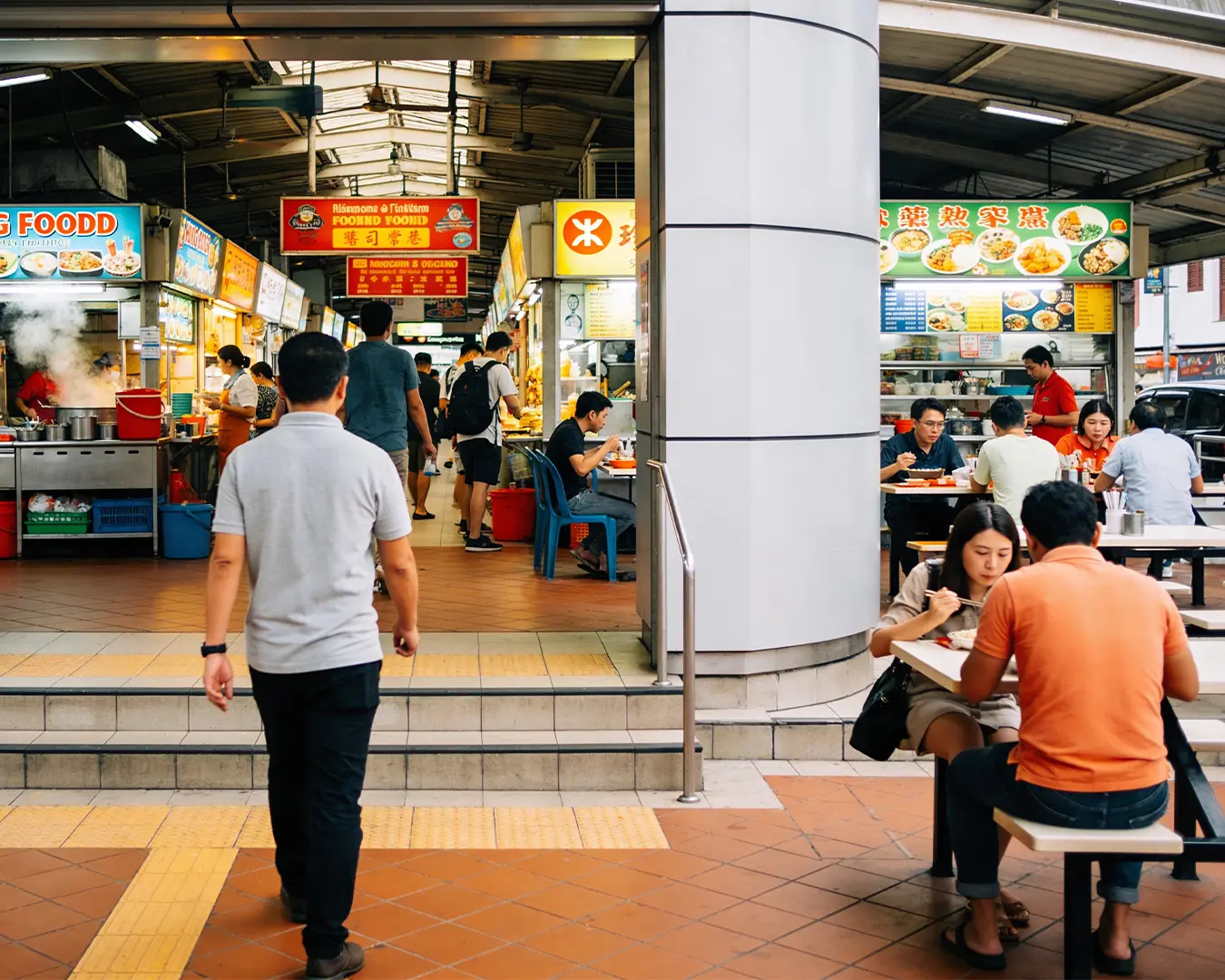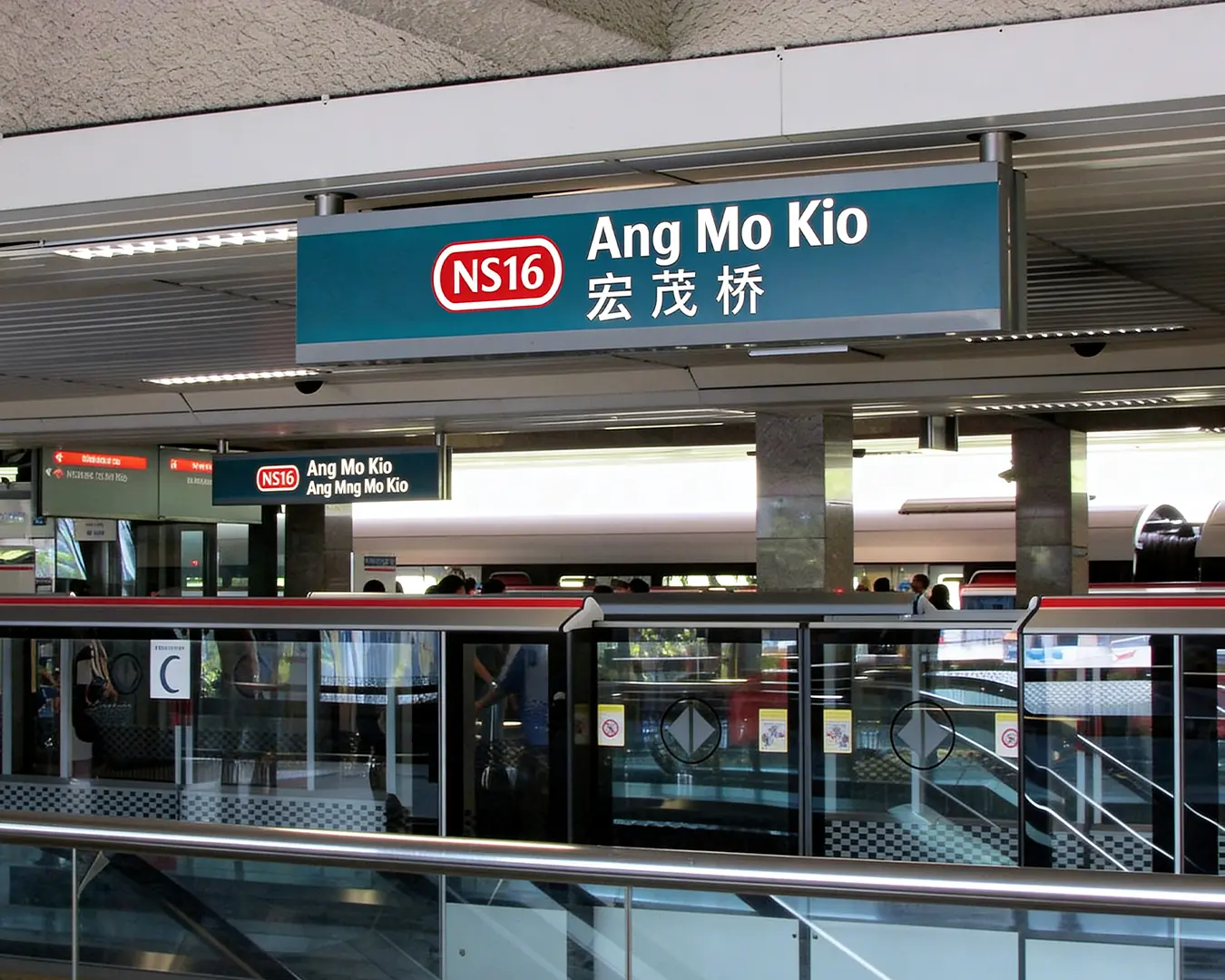
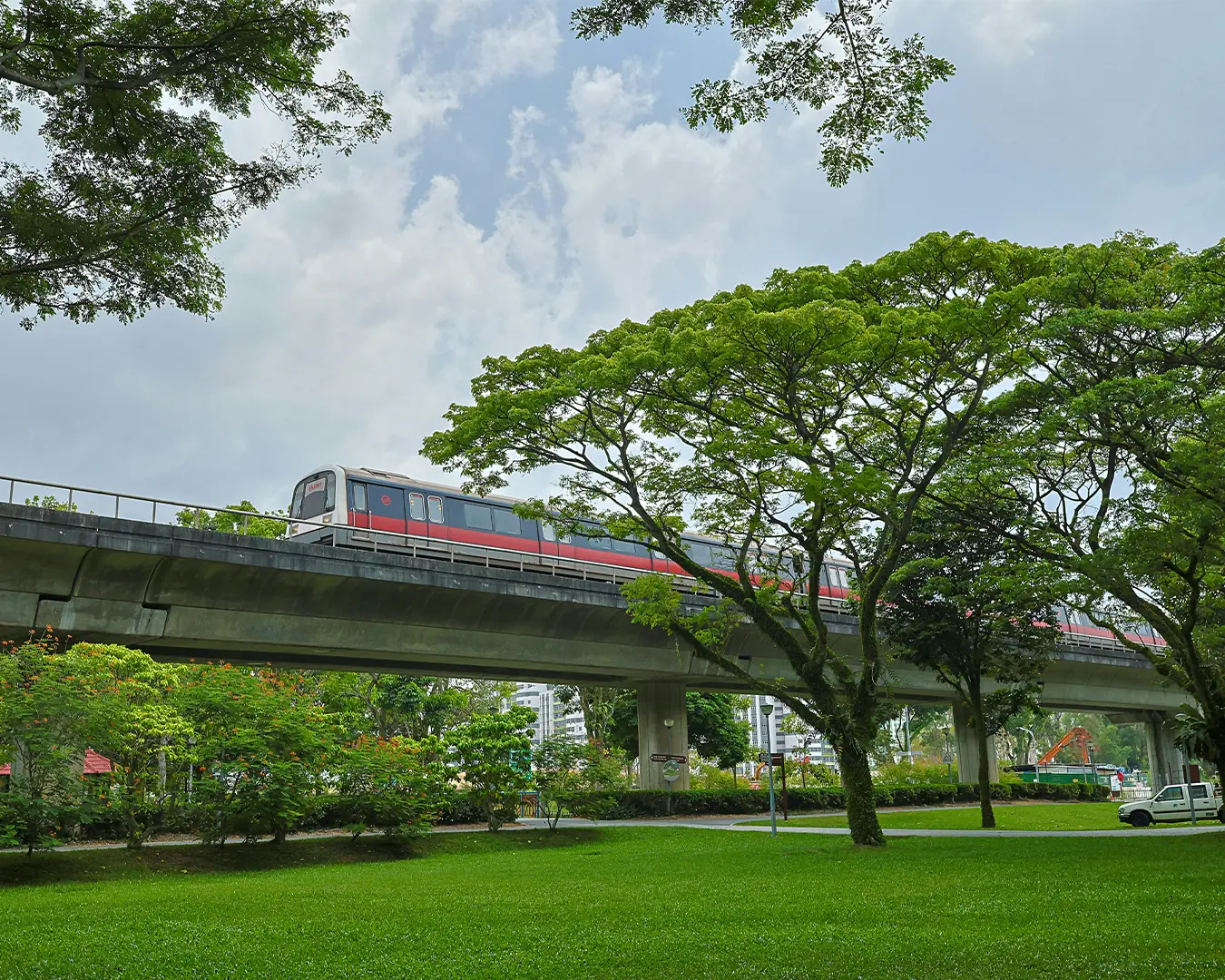
Navigating Singapore’s extensive train network is one of the easiest ways to explore the city’s massive food landscape. Every track connects distinct neighborhoods, bringing commuters straight to the doorsteps of historic hawker centers, modern cafes, and regional specialty restaurants. If you want to know what to eat near MRT Singapore exits, the train system acts as the perfect structural map.
Each MRT line has its own specific food identity. These culinary profiles are shaped directly by the neighborhoods the trains pass through. A line that cuts through the central business district offers a completely different dining experience than a line connecting mature residential estates or historic heritage districts. Building a mental Singapore MRT food map helps you bypass tourist traps and find exactly what you want to eat.
The MRT system in Singapore, managed by the Land Transport Authority, consists of six MRT lines, each operated by two public transport operators. These lines connect over 160 MRT stations and interchange stations, integrating seamlessly with LRT lines and public transport services island-wide.
The Comprehensive MRT Stations Food Guide Singapore: Line by Line Breakdown
1. North-South Line — Classic Heartland to City Mix
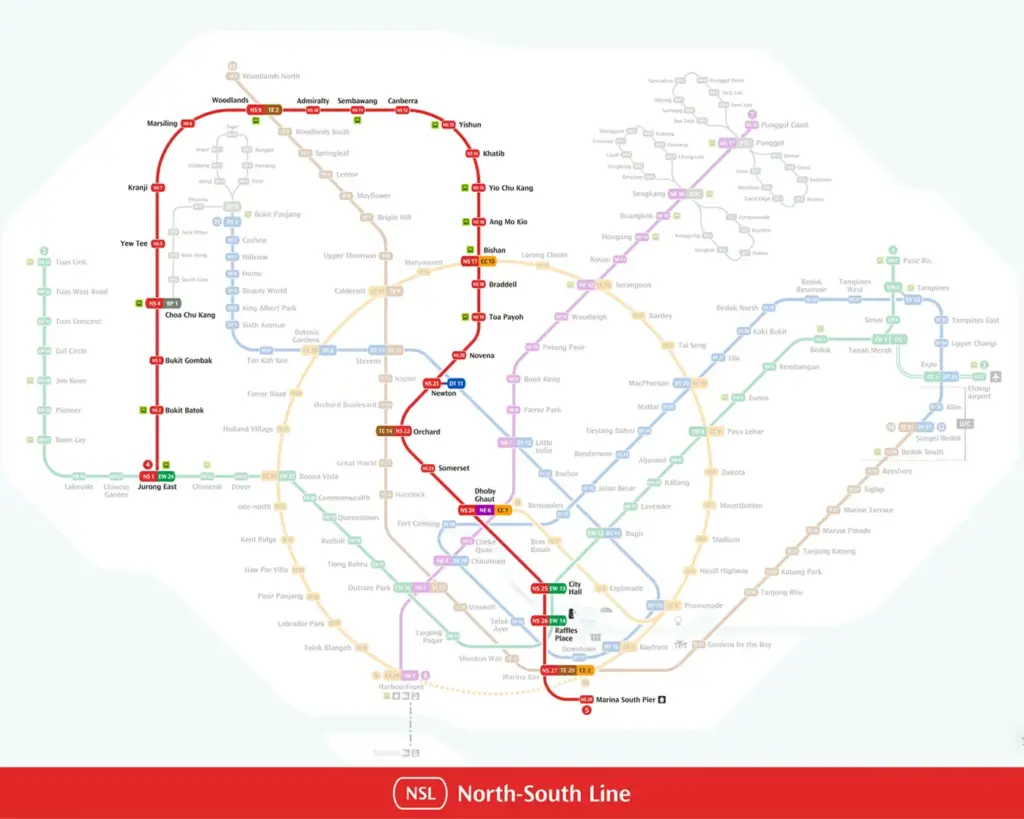
The North-South Line (Red Line) is Singapore’s oldest MRT line, with its first section constructed in the early stages of the system’s development. It originally spanned six kilometres with five stations and has since been extended years ahead of schedule to serve both mature residential estates and the city center.
Line Overview and Dining Experience:
Traveling on the North-South Line provides a complete cross-section of everyday Singaporean dining. The northern and central stretches are heavily residential, offering affordable, reliable meals meant for daily consumption. As the train moves south toward the city, the landscape shifts entirely to premium mall dining and international restaurant franchises.
Types of Food Commonly Found:
You will find a strong mix of established hawker food and massive air-conditioned food courts. The heartland stops feature traditional roasted meats, fishball noodles, and local coffee shops. The central stops focus heavily on Japanese cuisine, international fast food, and premium casual dining.
Notable Food Districts or Stations:
Toa Payoh: Known for legendary hawker stalls and traditional bakeries located right next to the bus interchange.
Orchard: The epicenter of premium mall dining, featuring everything from high-end steakhouses to massive basement food halls.
Jurong East: A bustling western hub that balances massive mall food courts with traditional coffee shops located just a short walk away.
Who this line is best suited for:
This line is perfect for commuters seeking a reliable, balanced food route. It offers the flexibility to grab a $4 bowl of noodles in the morning and a $40 steak for dinner without changing trains.
2. East-West Line — Wide Variety Across the Island
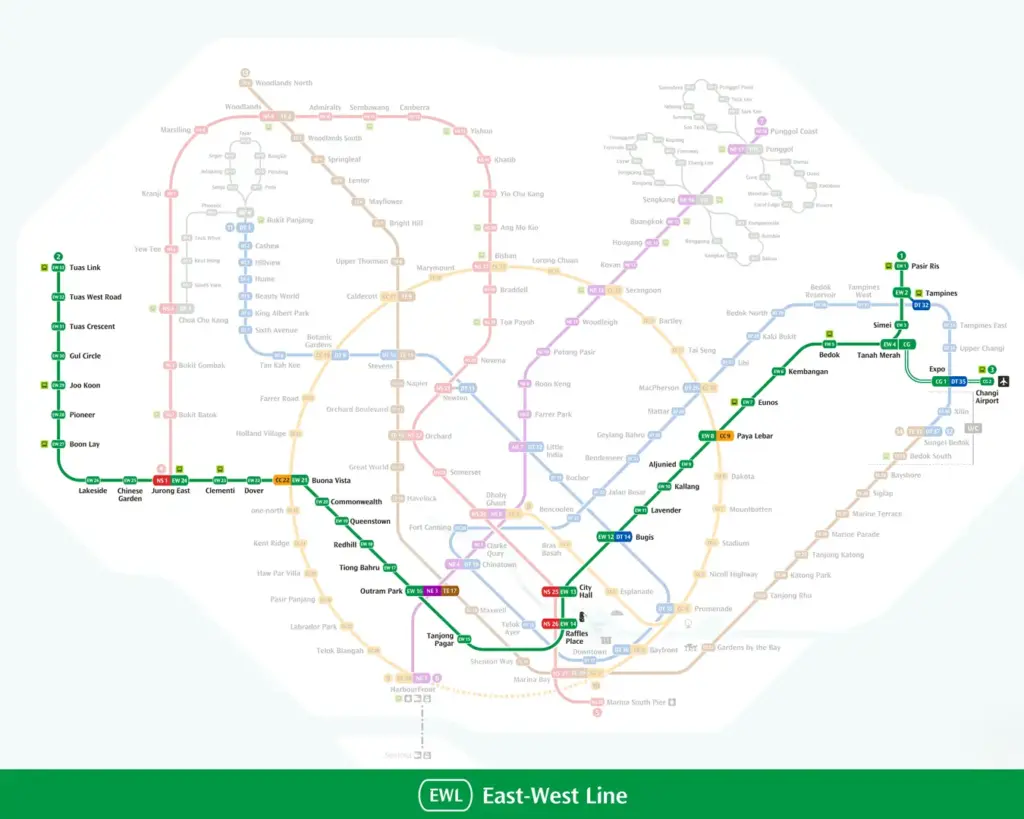
The East-West Line (Green Line) is a massive artery stretching from the far eastern coast to the deep industrial west. Known for its slower speed compared to other lines, it is highly diverse and incredibly accessible.
Line Overview and Dining Experience:
Because this line spans the entire width of the island, the food near MRT lines here shifts dramatically depending on your stop. It passes through university districts, the central business district, and some of the oldest residential neighborhoods in the east. This creates a constantly changing dining experience that caters to students, corporate workers, and families alike.
Types of Food Commonly Found:
The western end is packed with student-friendly budget meals and massive heartland hawker centers. The central stretch features quick, efficient corporate lunch spots and high-end business dining. The eastern stretch is famous for its rich local food heritage, featuring legendary chicken rice stalls and late-night supper spots.
Notable Food Districts or Stations:
Clementi: A heavy-hitting student food hub offering affordable mixed rice, traditional hawker centers, and quick mall eats.
Tanjong Pagar: The ultimate destination for authentic Korean barbecue, late-night dining, and bustling corporate lunch options.
Bedok: An eastern powerhouse famous for minced meat noodles (bak chor mee), late-night dessert stalls, and massive open-air food centers.
Who this line is best suited for:
The East-West Line is ideal for people who prioritize variety. It is the best MRT line for food Singapore commuters who want maximum diversity, covering everything from budget student meals to premium CBD dining.
3. Downtown Line — Cultural and Neighborhood Food Stops
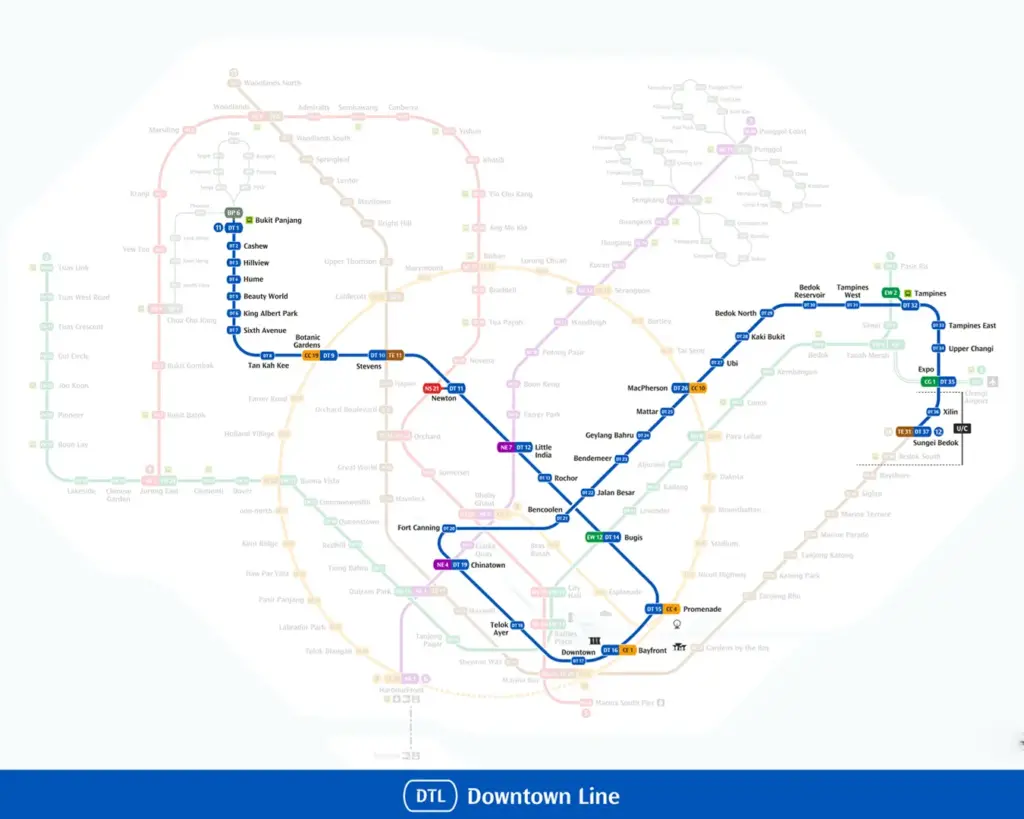
The Downtown Line (Blue Line) is often considered the culturally rich food line. It weaves through several important heritage districts and older, established neighborhoods.
Line Overview and Dining Experience:
If you want to experience authentic local flavors and heritage recipes, this is the line to take. The Downtown Line bypasses many of the generic mega-malls, opting instead to drop commuters near historic shophouses, cultural enclaves, and long-standing local eateries. The dining experience here feels distinctly more traditional and culturally immersive.
Types of Food Commonly Found:
This route is heavy on regional Chinese cuisine, authentic Indian food, and specialized local dishes. You will find generations-old hawker stalls operating out of historic markets, alongside traditional dessert shops and spice-heavy regional restaurants.
Notable Food Districts or Stations:
Beauty World: A nostalgic western stop famous for its open-air rooftop hawker center, handmade noodles, and bustling local coffee shops.
Little India: The definitive stop for authentic Indian cuisine, featuring massive plates of biryani, crispy dosas, and traditional sweets.
Chinatown: A densely packed food district offering an overwhelming variety of regional Chinese dishes, complex hawker centers, and historic bakeries.
Who this line is best suited for:
This line is built for food enthusiasts hunting for heritage flavors. It caters directly to those who prefer robust, traditional cooking over highly polished, commercialized mall food.
4. Circle Line — Cafes and Lifestyle Areas
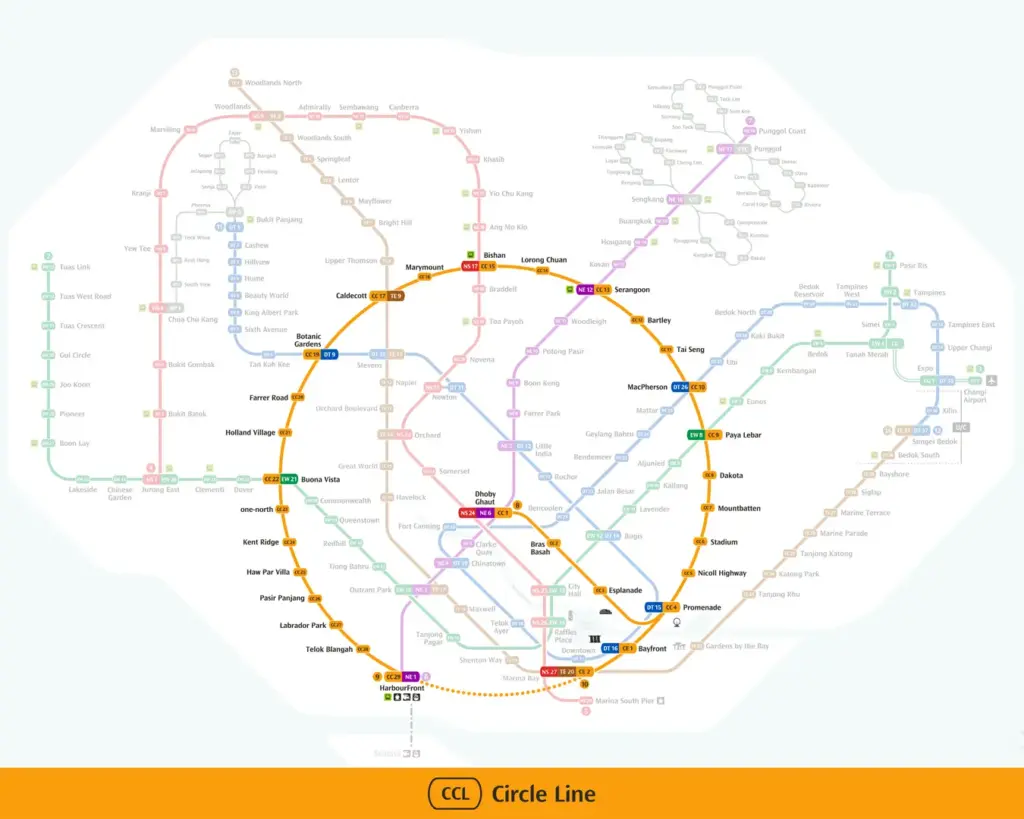
The Circle Line (Yellow Line) acts as a ring around the city’s core, connecting several affluent residential neighborhoods and lifestyle hubs.
Line Overview and Dining Experience:
The Circle Line is synonymous with weekend brunch and relaxed dining. Because it largely avoids the intense rush of the central business district, the dining pace here is noticeably slower. The environments prioritize comfort, aesthetics, and leisurely conversations.
Types of Food Commonly Found:
This is the dominant line for specialty coffee, artisan bakeries, and brunch platters. You will find a high concentration of independent cafes serving avocado toast, single-origin espresso, and European pastries. It also features numerous casual dining bistros and modern fusion restaurants.
Notable Food Districts or Stations:
Holland Village: A classic lifestyle hub packed with varied restaurants, comfortable cafes, and lively evening bistros.
Botanic Gardens: The go-to stop for scenic, nature-adjacent cafes and premium bakeries catering to the weekend morning crowd.
Paya Lebar: A rapidly expanding eastern hub that perfectly blends polished corporate cafes with accessible mall dining.
Who this line is best suited for:
If you are looking for cafes, casual dining, and lifestyle spots, the Circle Line is unmatched. It is perfect for remote workers, weekend cafe hoppers, and casual meetings.
5. North-East Line — Heartland Food Strength
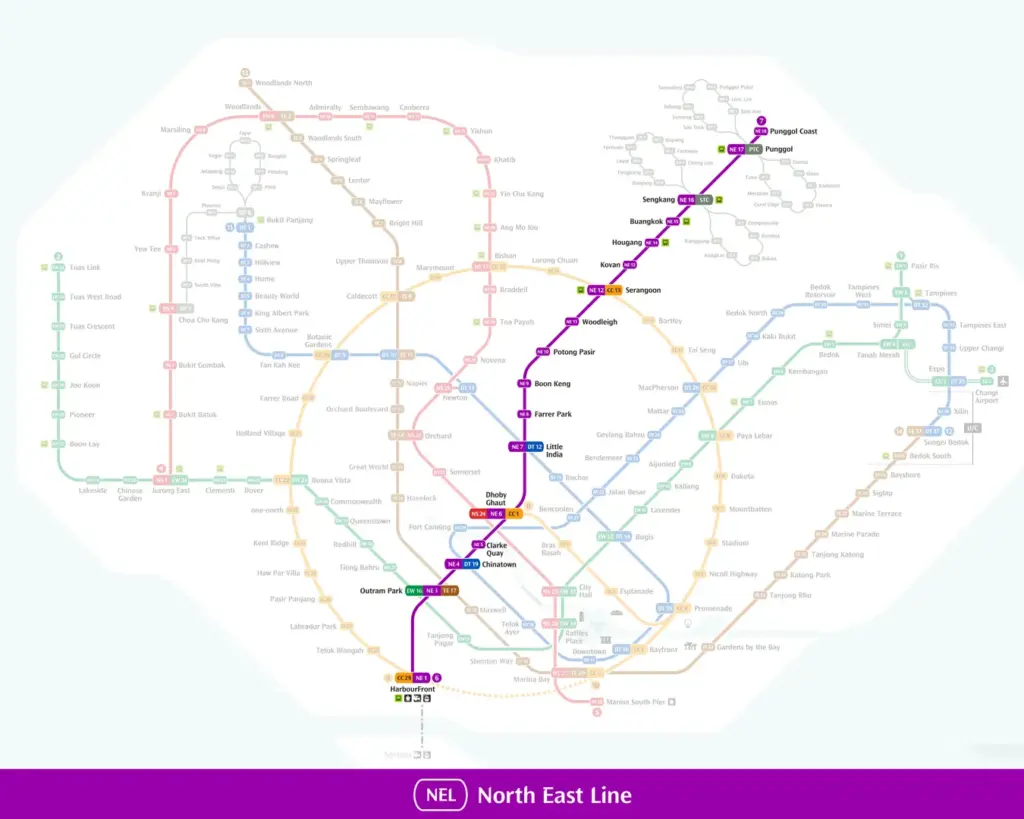
The North-East Line (Purple Line) connects the bustling city center directly to the densely populated northeastern estates. It is one of the first fully automated heavy rail lines in Southeast Asia.
Line Overview and Dining Experience:
The North-East Line is a heavy lifter when it comes to neighborhood food. It serves massive residential populations, meaning the food options are highly practical, intensely competitive, and deeply embedded in the local culture. The dining experience here is completely unpretentious and focused on everyday satisfaction.
Types of Food Commonly Found:
This line excels at traditional heartland fare. You will find massive coffee shops serving local stir-fry (zi char), extensive seafood restaurants situated under HDB blocks, and highly popular late-night supper stretches.
Notable Food Districts or Stations:
Hougang: A fierce heartland food district known for reliable everyday meals, traditional porridge stalls, and bustling neighborhood coffee shops.
Serangoon: A major interchange station that offers a massive suburban mall alongside quiet, hidden cafe enclaves located just a short walk from the station.
Kovan: Famous for its bustling market and food center, offering incredibly popular late-night supper options and traditional local breakfasts.
Who this line is best suited for:
This route is strong in neighborhood food and local eats. It is best suited for commuters who want generous, affordable, and deeply comforting local meals without traveling into the city.
6. Thomson-East Coast Line — Newer Food Discoveries
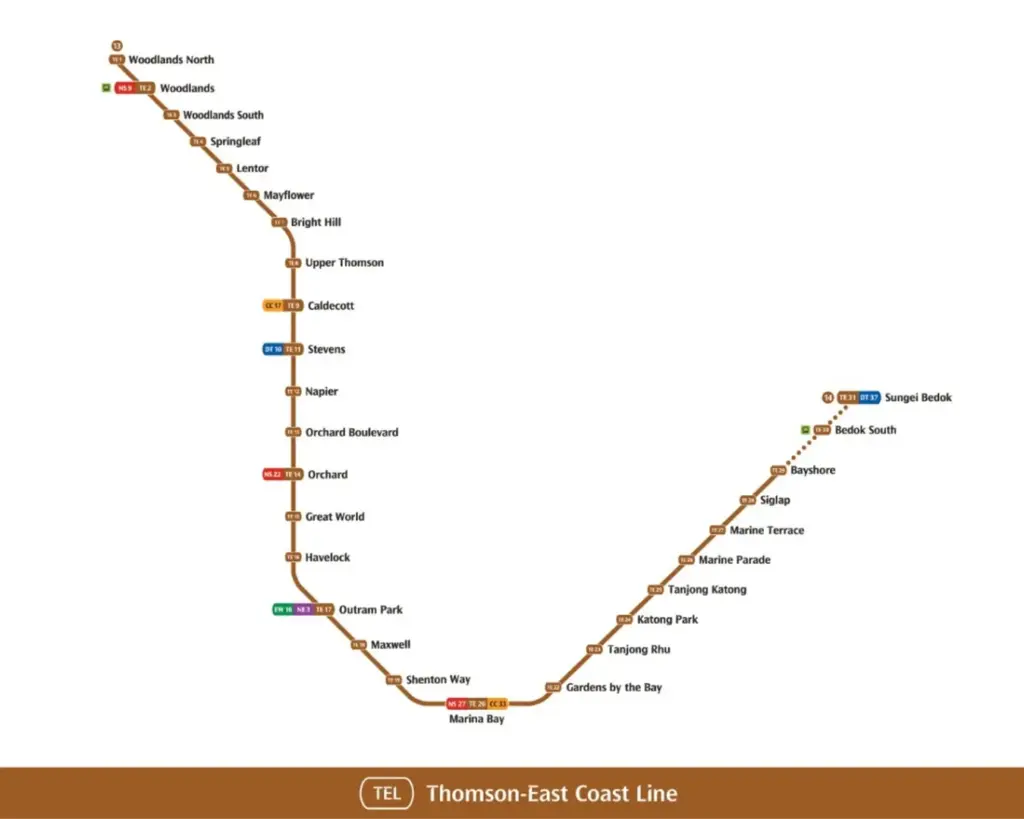
The Thomson-East Coast Line (Brown Line) is the newest major addition to the MRT network. It opens up previously disconnected residential corridors and introduces fresh culinary routes.
Line Overview and Dining Experience:
Because this line connects older, affluent residential estates to the city, it presents a growing and evolving food scene. The dining experience feels like a process of discovery. It brings commuters directly to older, established eateries that were previously difficult to reach without a car, while also spurring the growth of new, trendy establishments.
Types of Food Commonly Found:
This line offers a fascinating mix of old and new. You will find decades-old local eateries famous for specific dishes like prata or chicken rice, operating right next door to brand-new, minimalist espresso bars and modern ice cream parlors.
Notable Food Districts or Stations:
Upper Thomson: A legendary food stretch finally connected by rail, famous for late-night prata, bustling cafes, and specialized local restaurants.
Maxwell: Drops you right at the doorstep of one of the most famous tourist and local hawker centers in the country, known for its chicken rice.
Marine Parade (and the East Coast stretch): Connects commuters to the rich, relaxed dining culture of the East Coast, featuring famous laksa stalls and breezy coastal cafes.
Who this line is best suited for:
This line is suited for explorers and weekend food hunters. It perfectly blends established residential dining with emerging cafe culture, offering something new for even the most seasoned local foodies.
MRT System Features and Operations
Singapore’s MRT system is operated by two public transport operators, SMRT Corporation Ltd and SBS Transit, under the oversight of the Land Transport Authority. The system spans over 240 kilometres of track, serving more than three million commuters daily, making it the busiest rail network in Southeast Asia.
Train operations run from 5:30 am to around midnight daily, with extended hours during festive periods. Train frequency is typically 2 to 3 minutes during peak hours and about 5 to 7 minutes during off-peak times, ensuring efficient movement of passengers.
Payment for MRT fares is cashless and integrated, allowing commuters to pay using stored value EZ-Link cards, NETS FlashPay cards, SimplyGo cards, contactless credit and debit cards, and mobile wallets. Single trip tickets were phased out in March 2022. General ticketing machines are available at all MRT stations for easy top ups and fare purchases.
Final Thoughts: Savor the Flavors of Every MRT Line
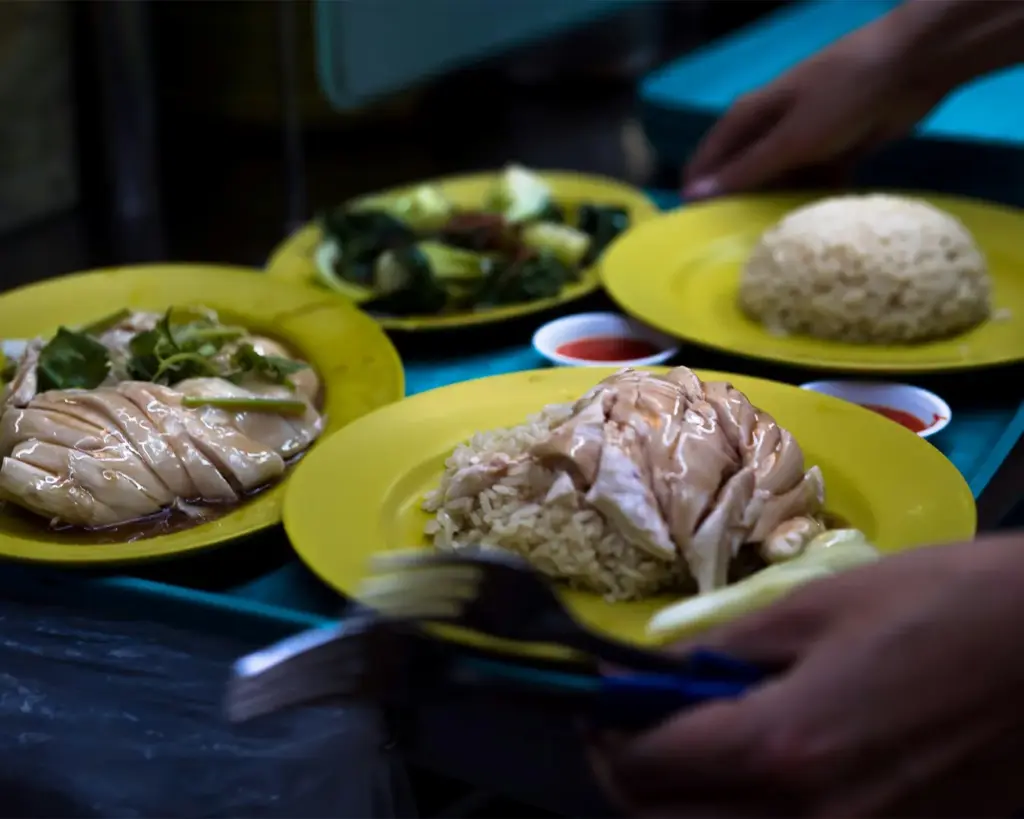
Every track in Singapore’s massive transit network offers a distinct culinary profile. From the robust heritage dishes found along the Downtown Line to the quiet, air-conditioned cafes scattered across the Circle Line, each route provides a completely different way to explore the city’s food scene.
No single line has everything. The best approach is to cross lines, explore different interchange stations, and remain open to the specific specialties each neighborhood offers. Building a strong understanding of the network ensures you can always find a reliable, satisfying meal without wasting time wandering aimlessly.
Understanding what each MRT line is known for makes it easier to decide where to go depending on what you feel like eating. Ready to start your delicious journey? Check out this article on underrated hawker food near MRT stations for some hidden gems to try along your route.