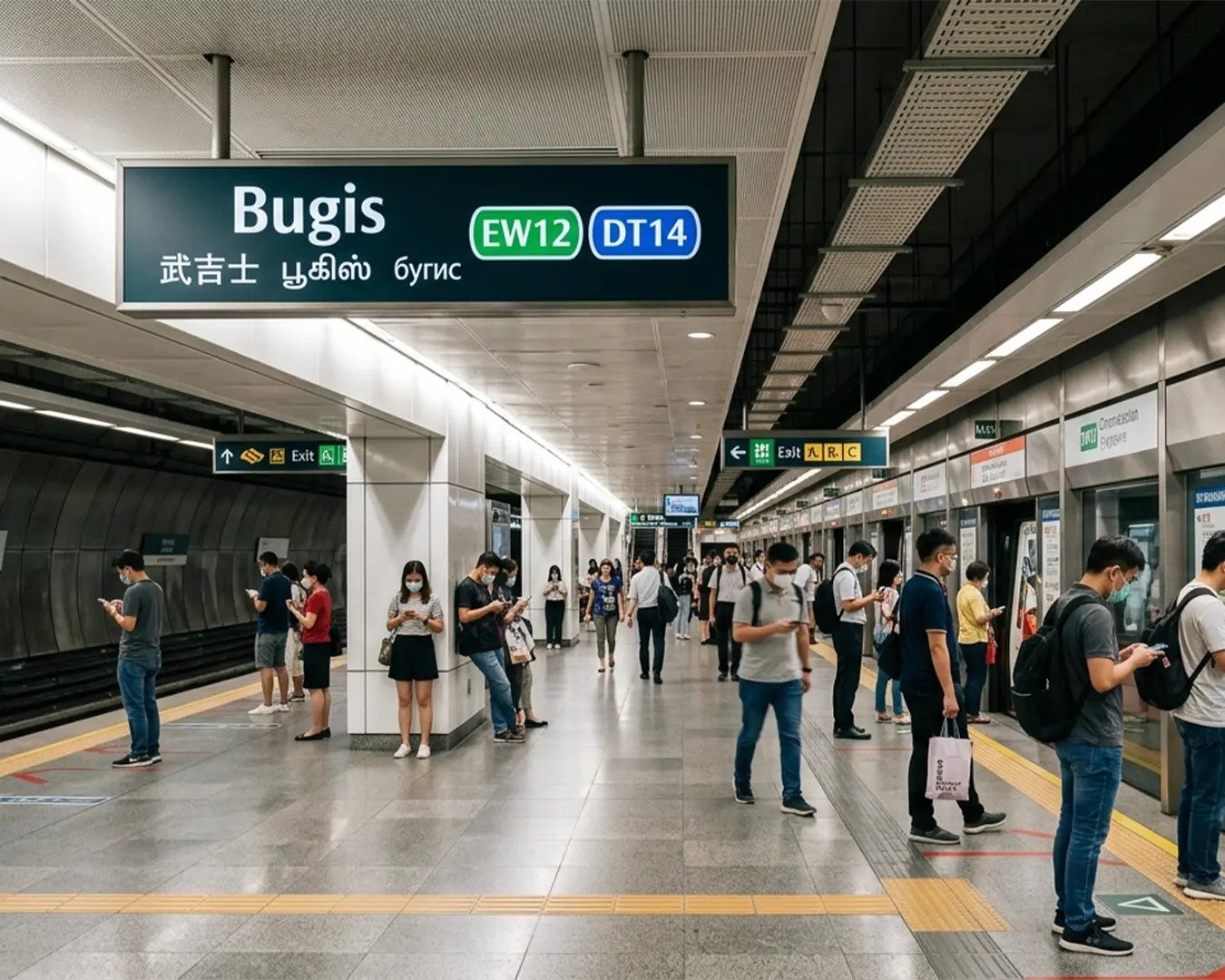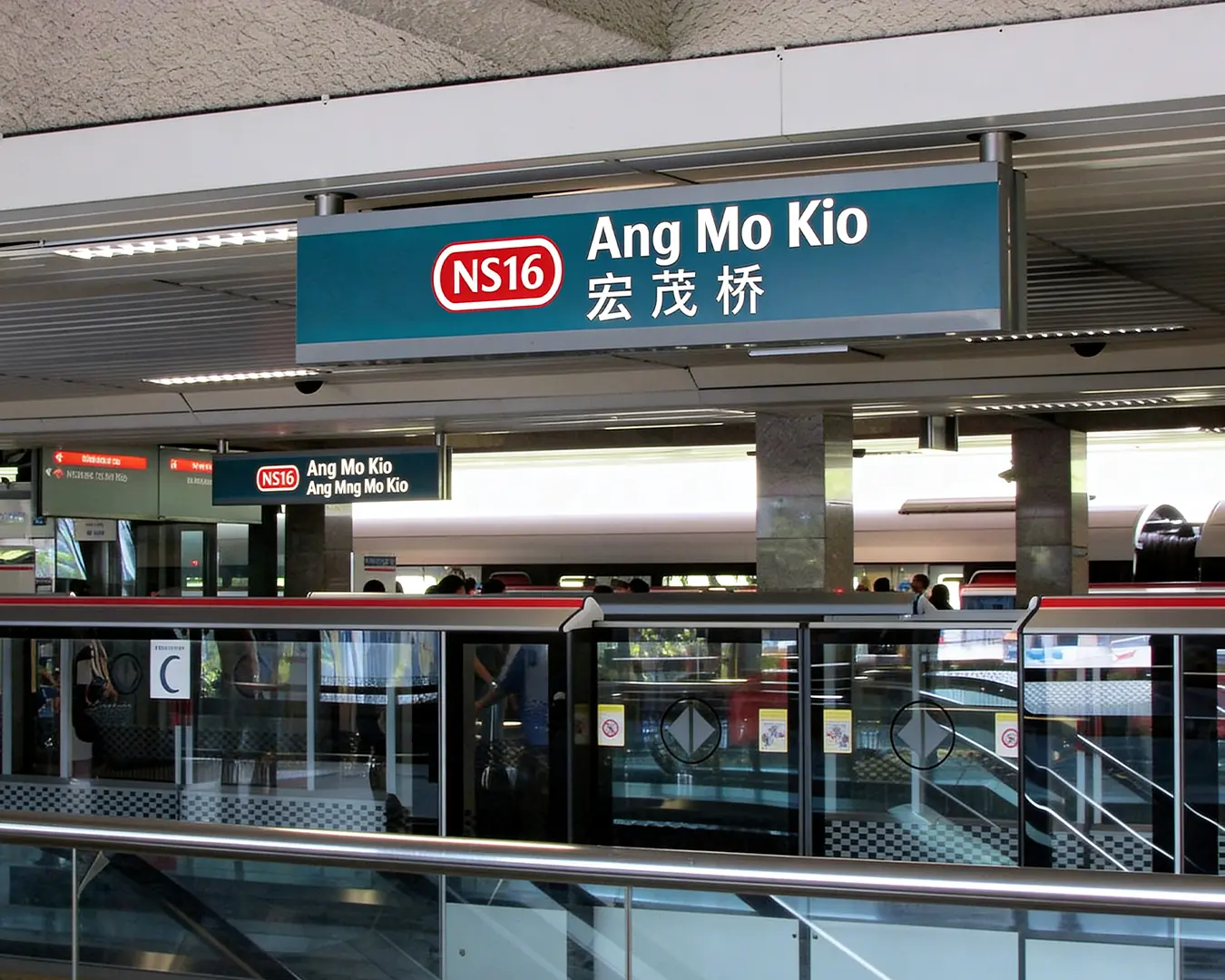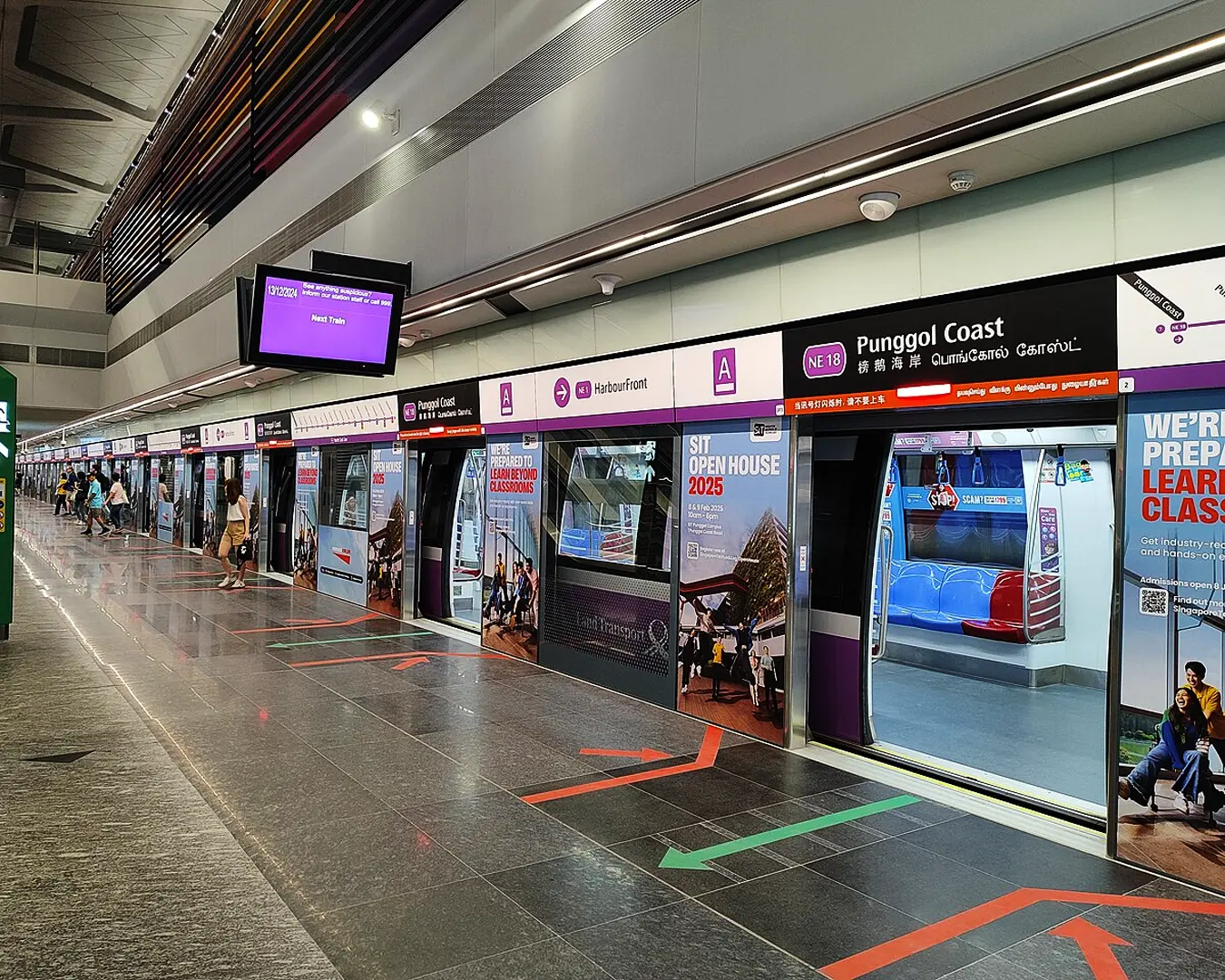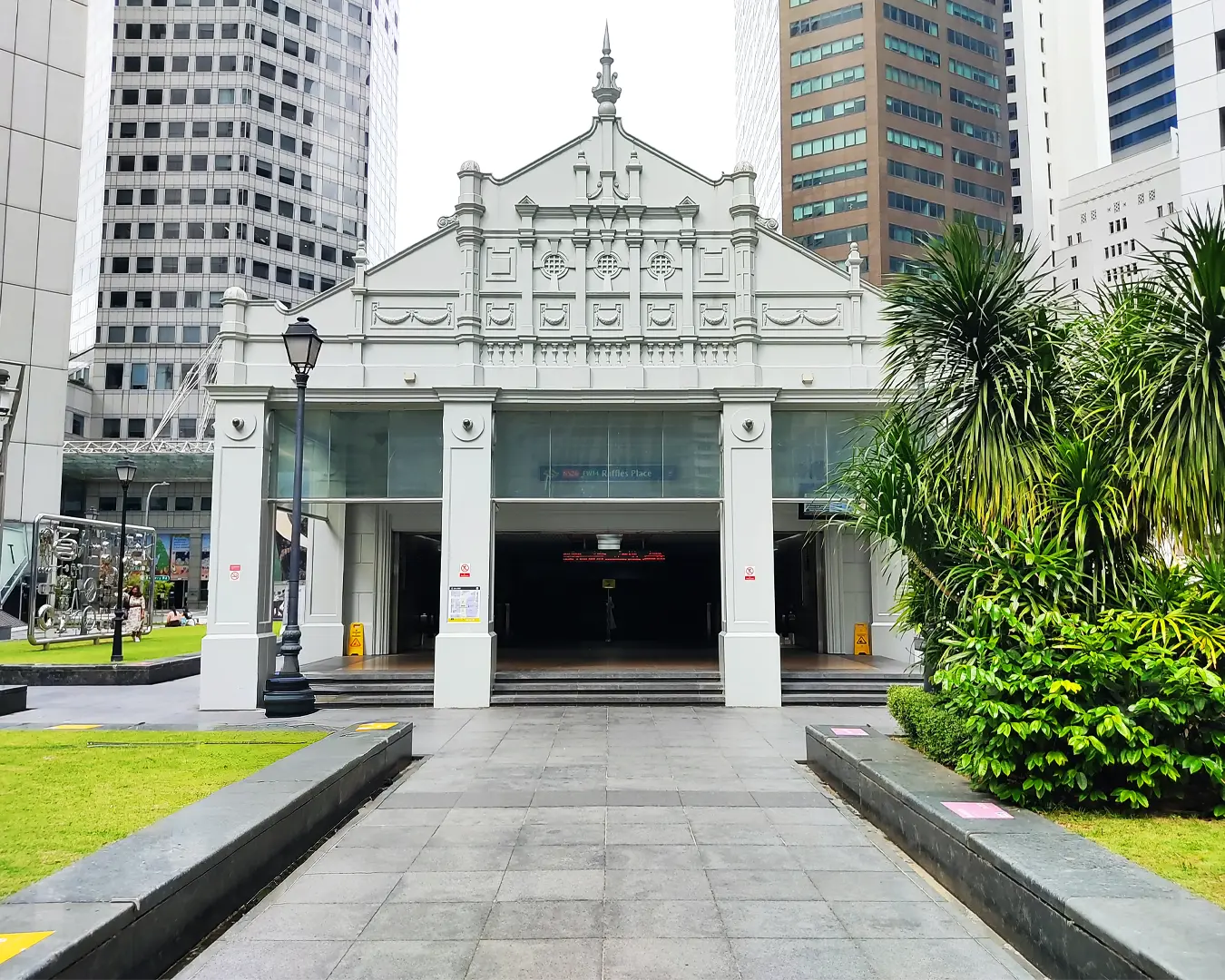
There are MRT stations you visit often enough that you stop noticing them.
The exits become routine.
The walk feels automatic.
And somewhere along that route, certain food places begin to stand out, not because they are the best, but because they are always there.
Over time, these places start to feel familiar.
Near some stations, it’s a coffee shop you pass every evening. The same stall still open, the same few tables occupied, the same dishes being served without much variation. You may not eat there every day, but you recognise it.
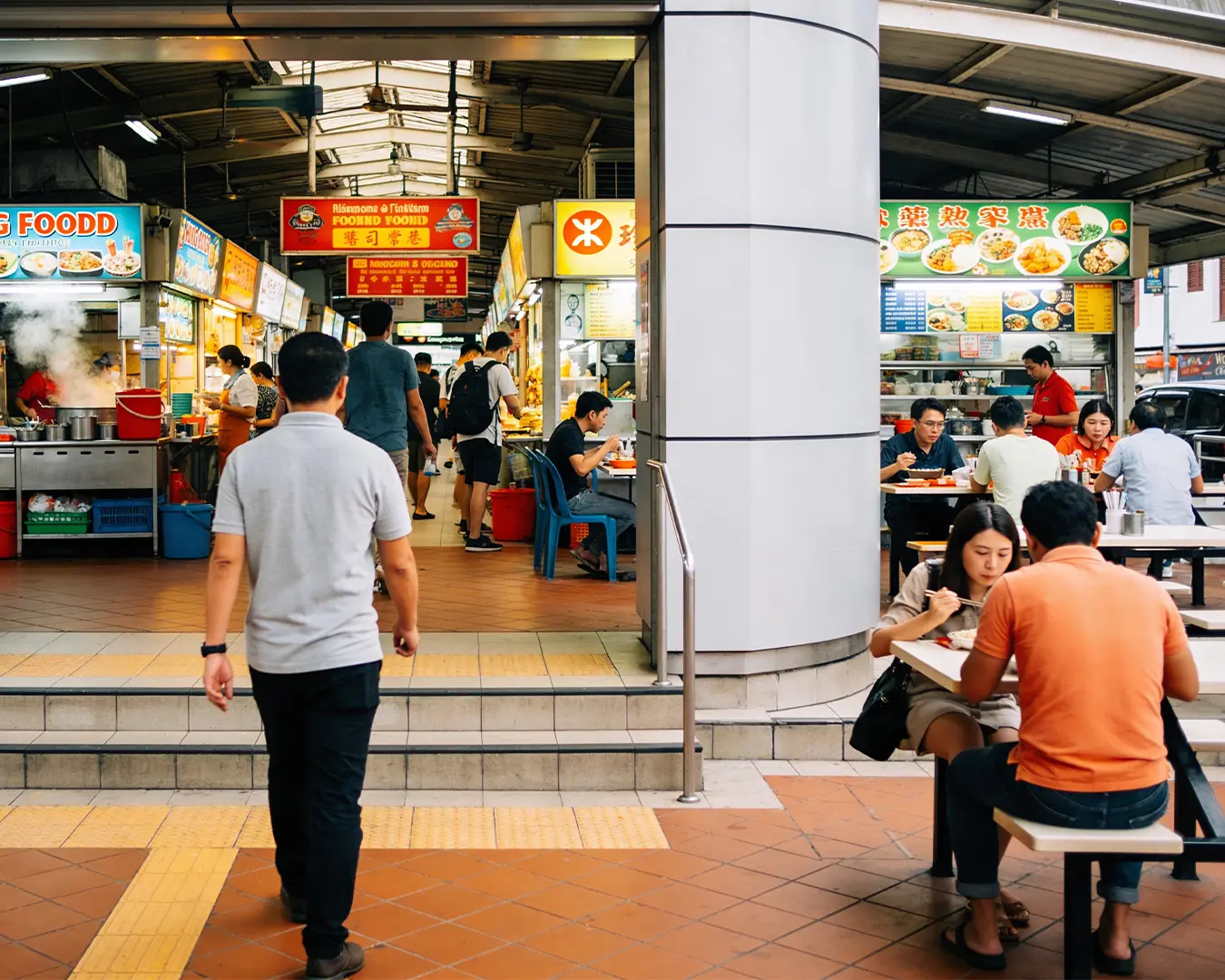
At other stations, it might be a hawker centre just a short walk from the exit. The layout becomes predictable. You know which stalls will have queues, which ones move faster, and where you’re likely to find an empty seat.
These are not places you go out of your way for.
They are places that slowly become part of your route.
What makes them different is consistency.
The lighting doesn’t change much. The stalls operate at the same pace. The food tastes the same each time. Even the people around you begin to feel familiar, regulars who arrive at similar times, sitting in similar spots.
Across the MRT network, these quiet food stops exist at many stations.
They don’t draw attention in the way popular food destinations do. They don’t rely on long queues or recommendations. Instead, they become part of everyday movement, places you return to without needing to decide too much.
After a while, the experience becomes less about what you are eating.
It becomes about recognising where you are.
Some stations are remembered for specific meals.
Others are remembered for the feeling of returning to something familiar along the way.