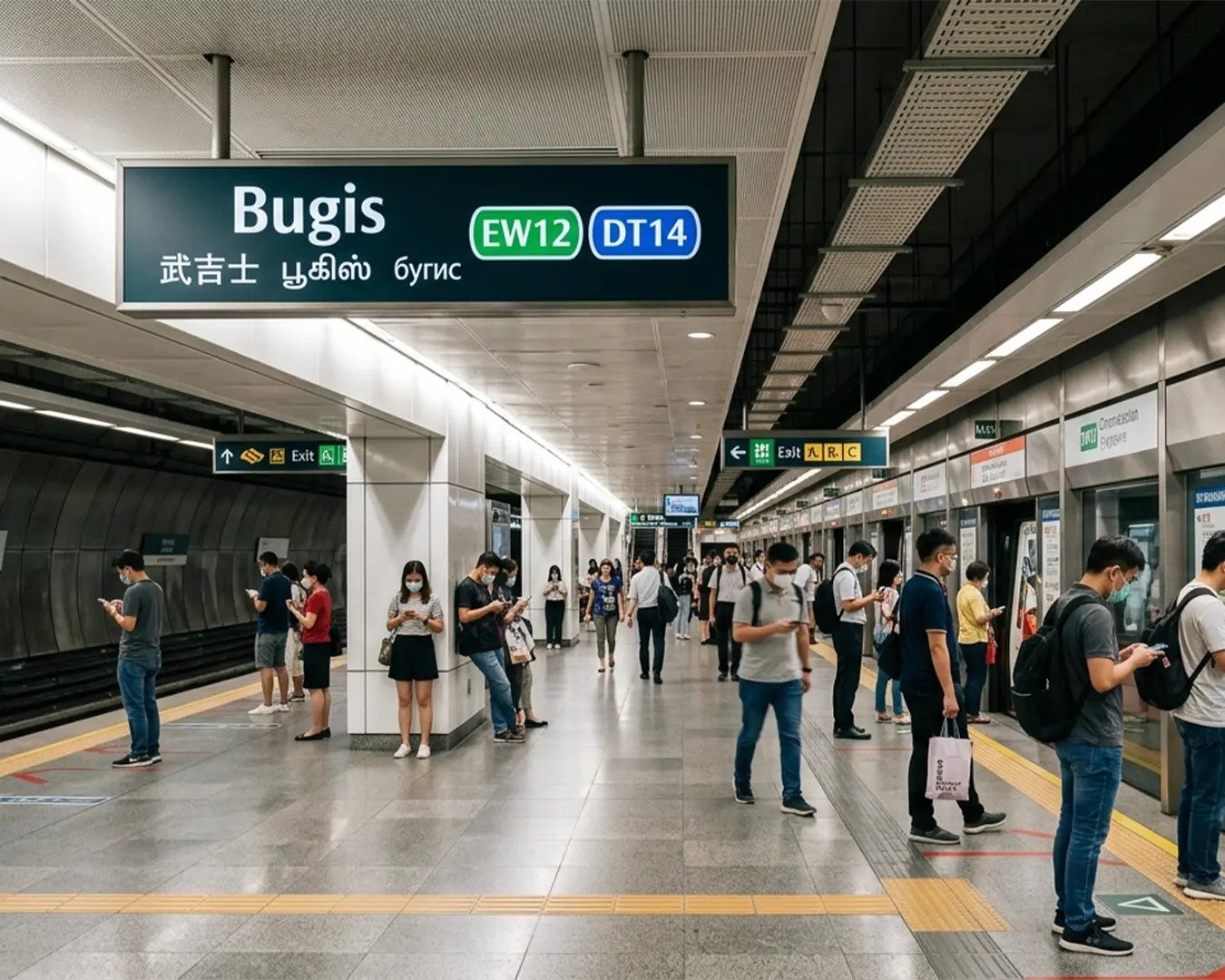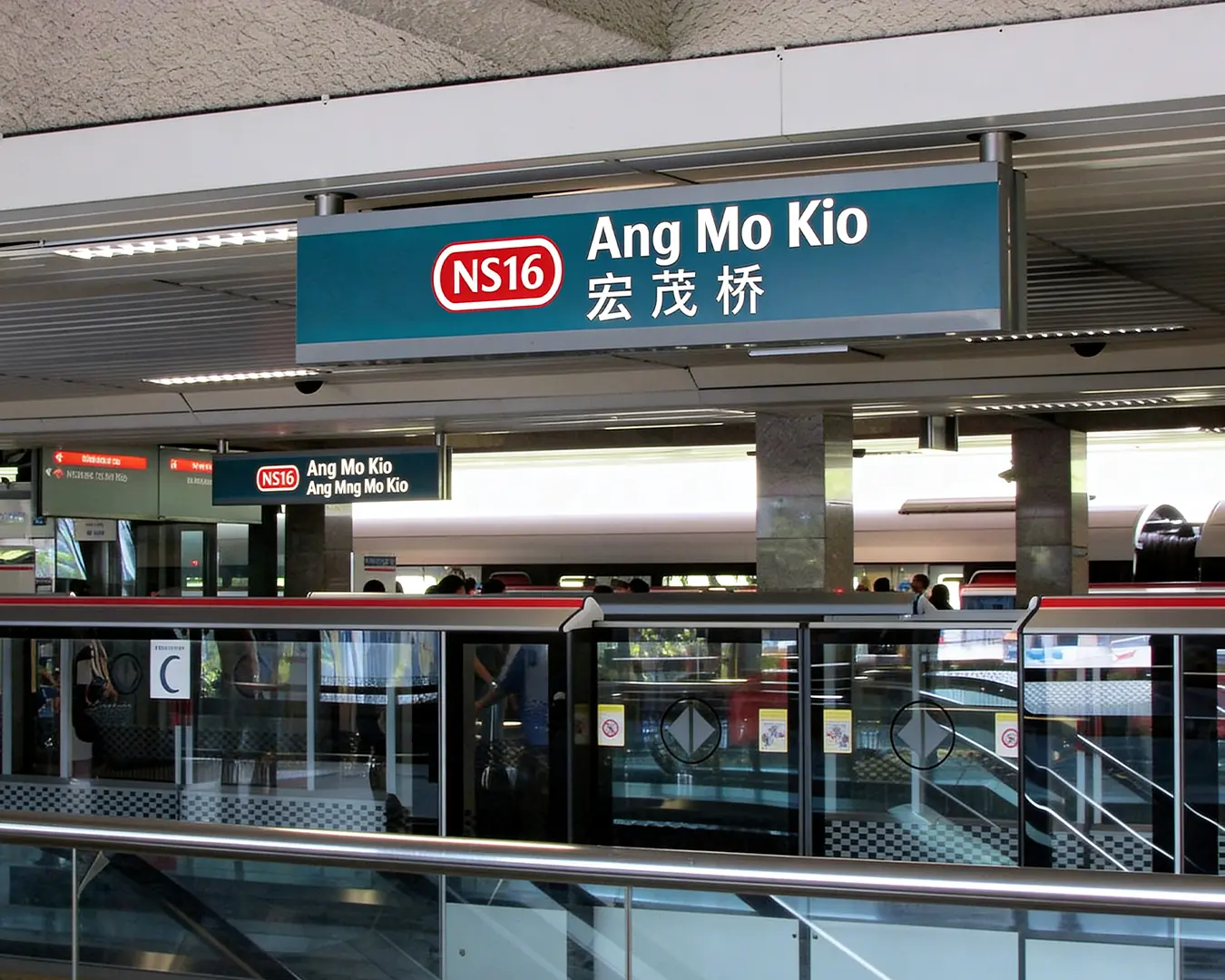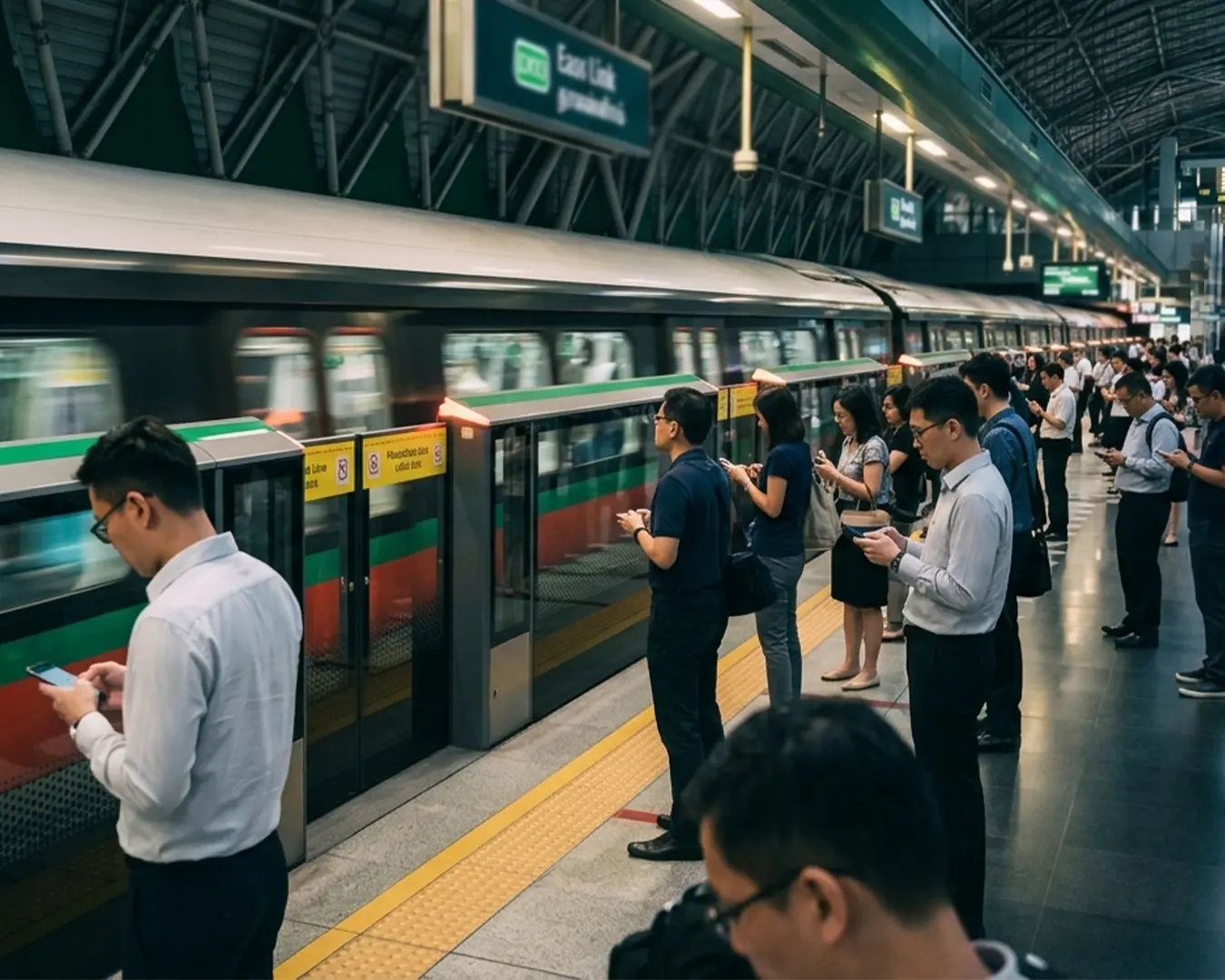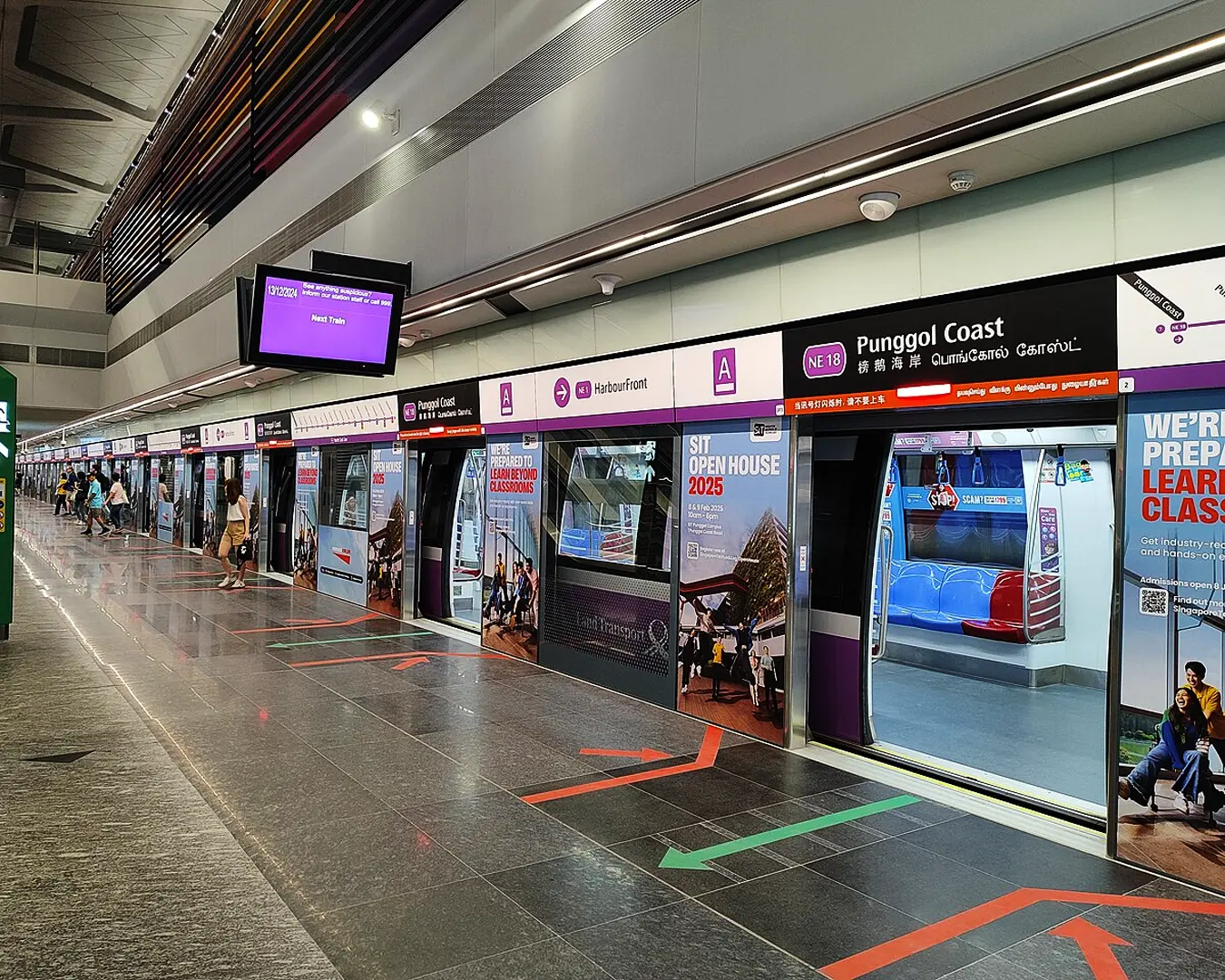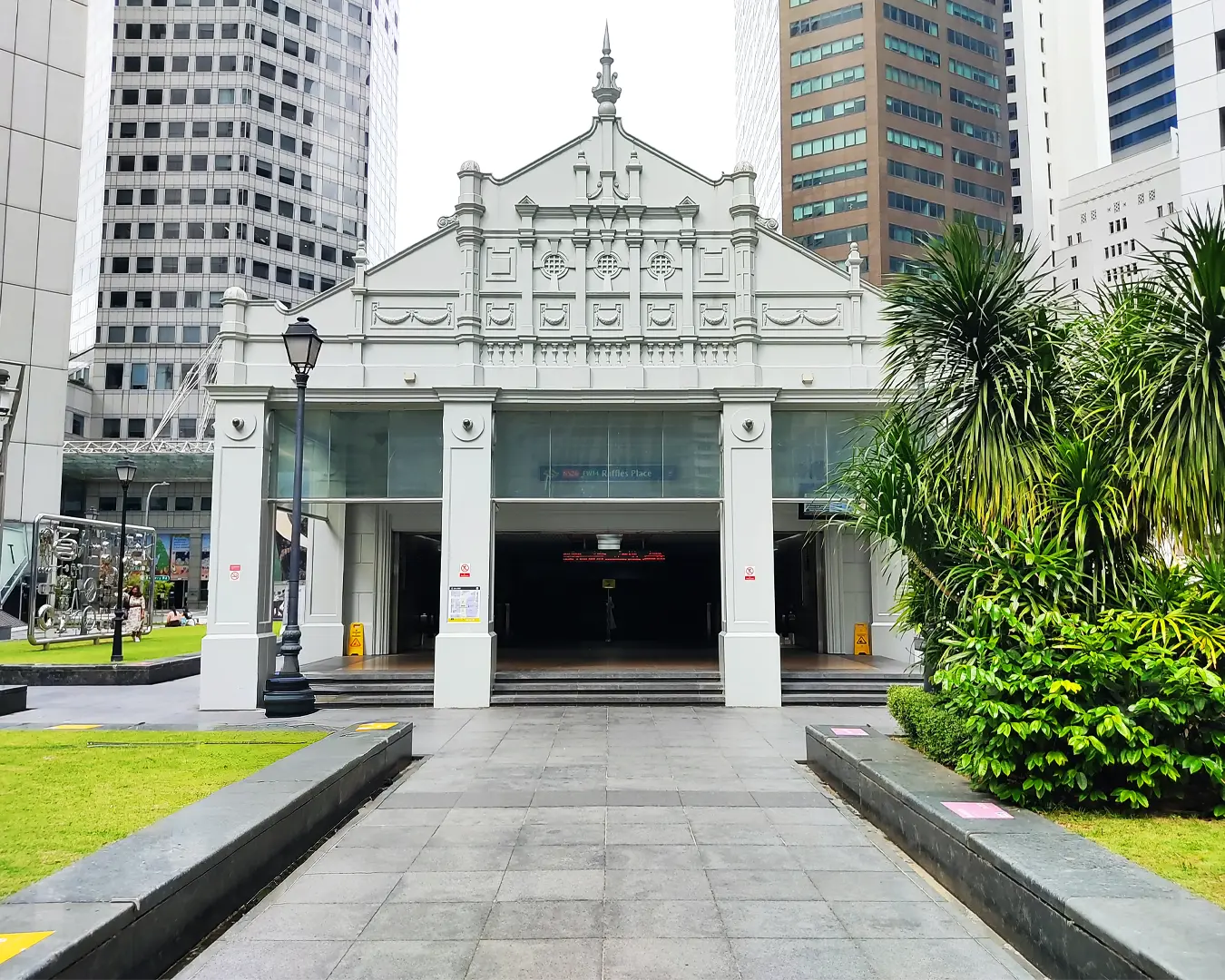
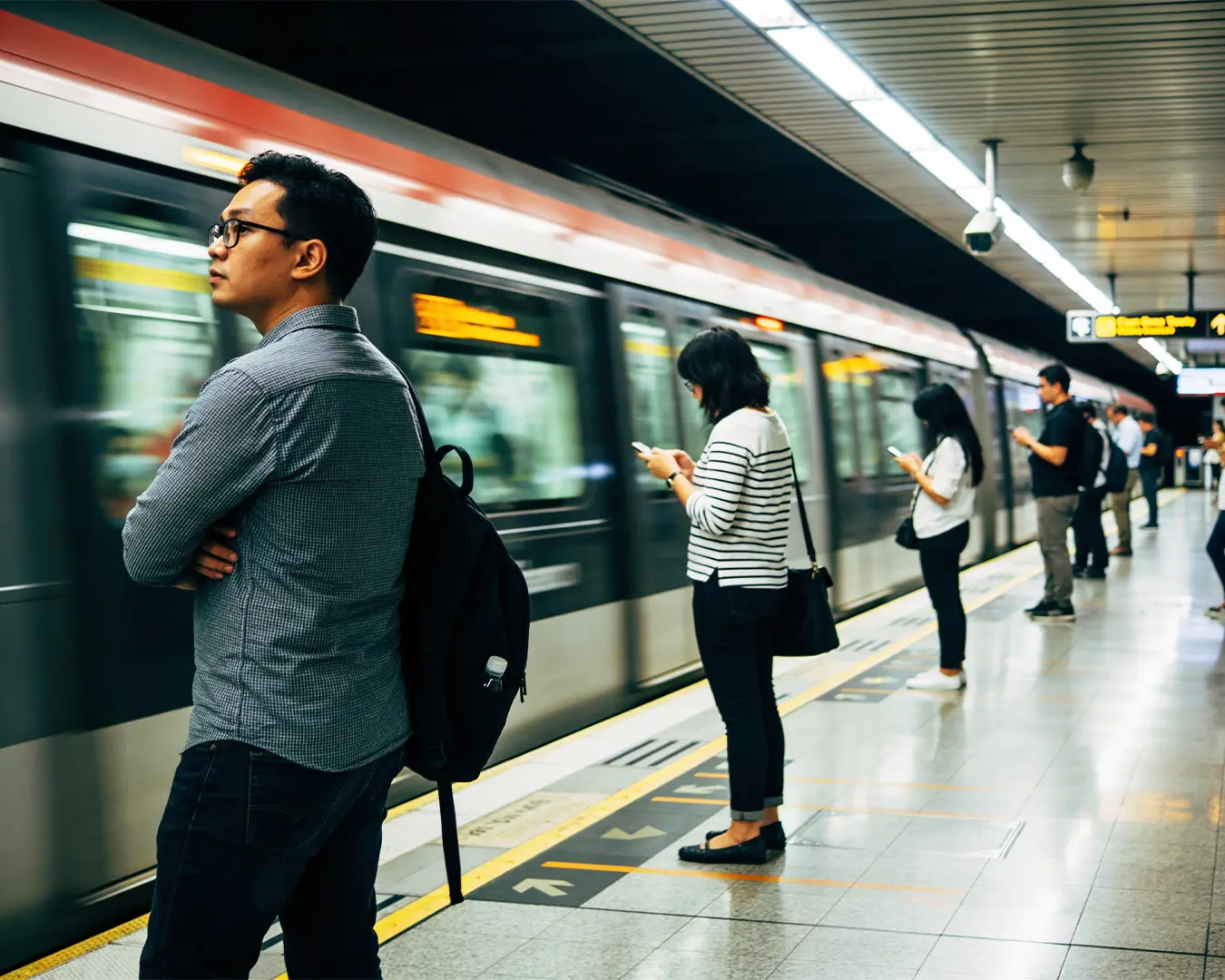
There are MRT stations most people pass through without thinking much about them.
They’re not major interchanges.
They don’t appear often in food lists.
They’re simply part of the route between somewhere else and home.
For a long time, I had one of those stations.
I used to ride past it regularly without getting off. The train would slow, the doors would open, a few commuters would step out, and within seconds the train would move again.
It looked like just another stop along the line.
One afternoon, I stepped out simply because I had time before my next meeting.
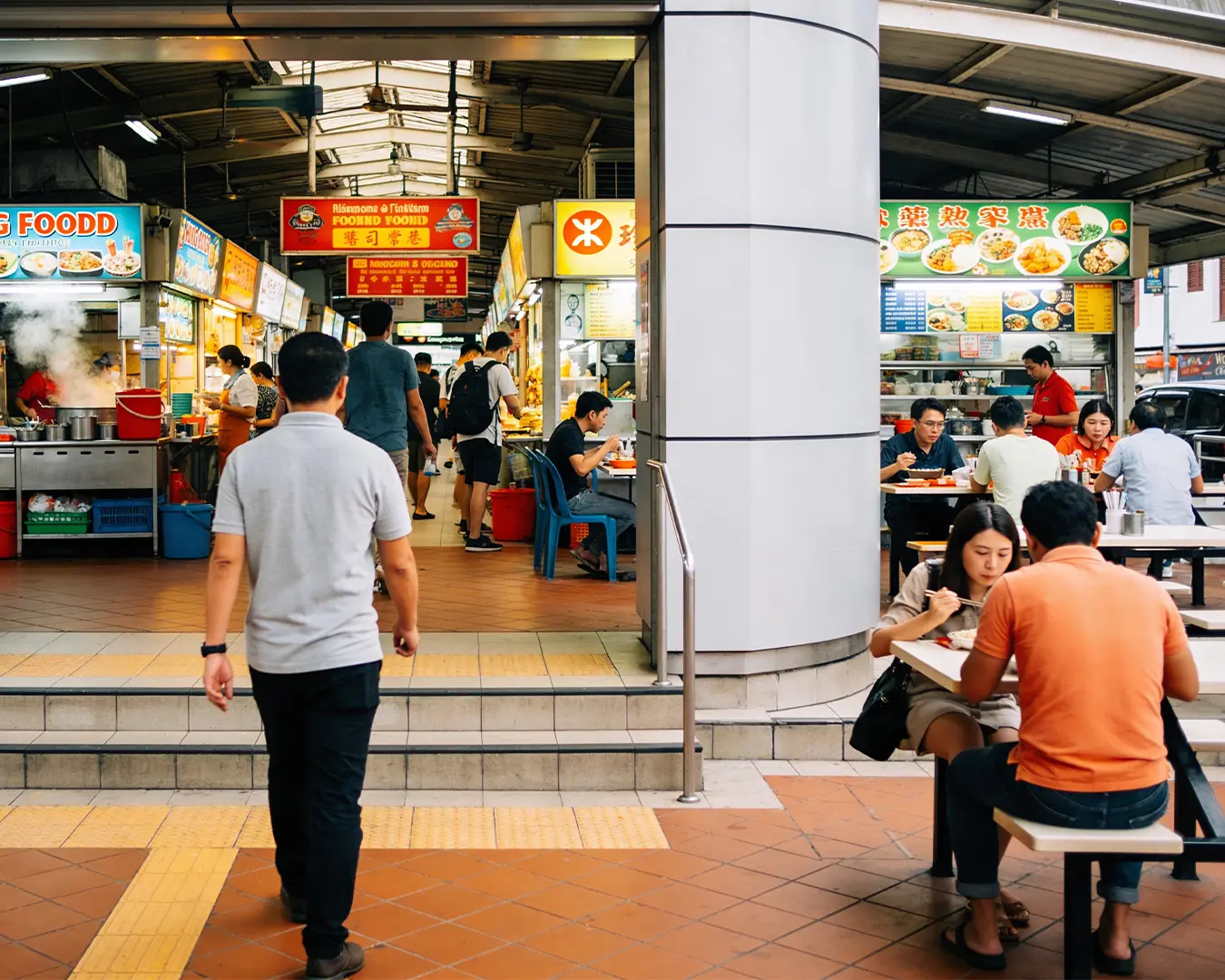
Outside the station was a small cluster of coffee shops and neighbourhood eateries. Nothing flashy — just practical places where people were already eating.
Office workers finishing late lunches. Residents picking up takeaway dinners. A few regulars sitting with kopi.
The stalls were simple too: roasted meats, noodle soups, rice dishes that could be served quickly.
It wasn’t a food destination.
It was everyday food for the people who lived nearby.
That was the moment I realised something about the MRT network. Some stations are famous for food, but many quieter ones quietly feed their neighbourhoods every day.
Since then, I’ve made it a habit to occasionally step out at stations I used to ignore.
More often than not, there’s something worth noticing just a short walk away.