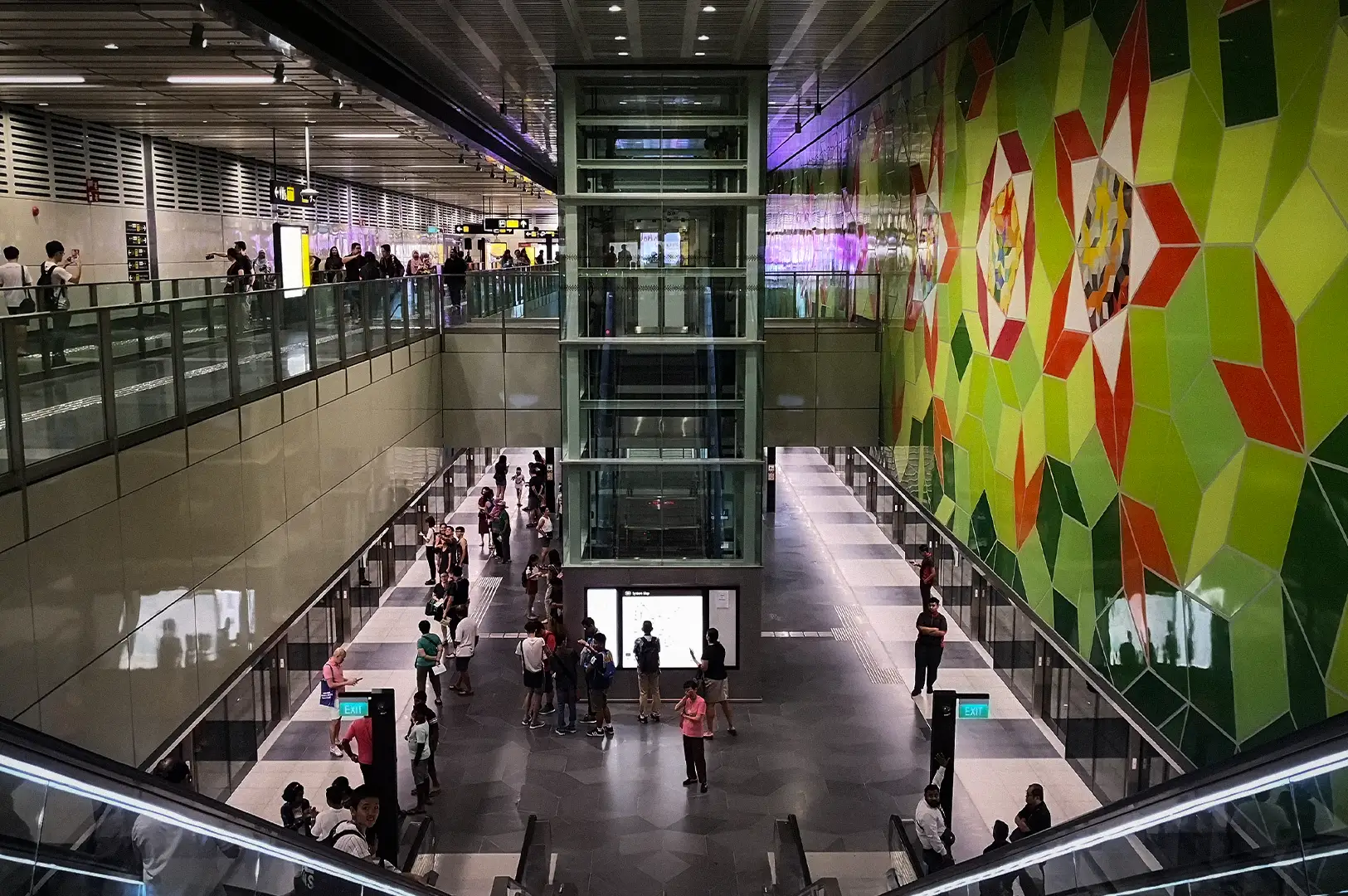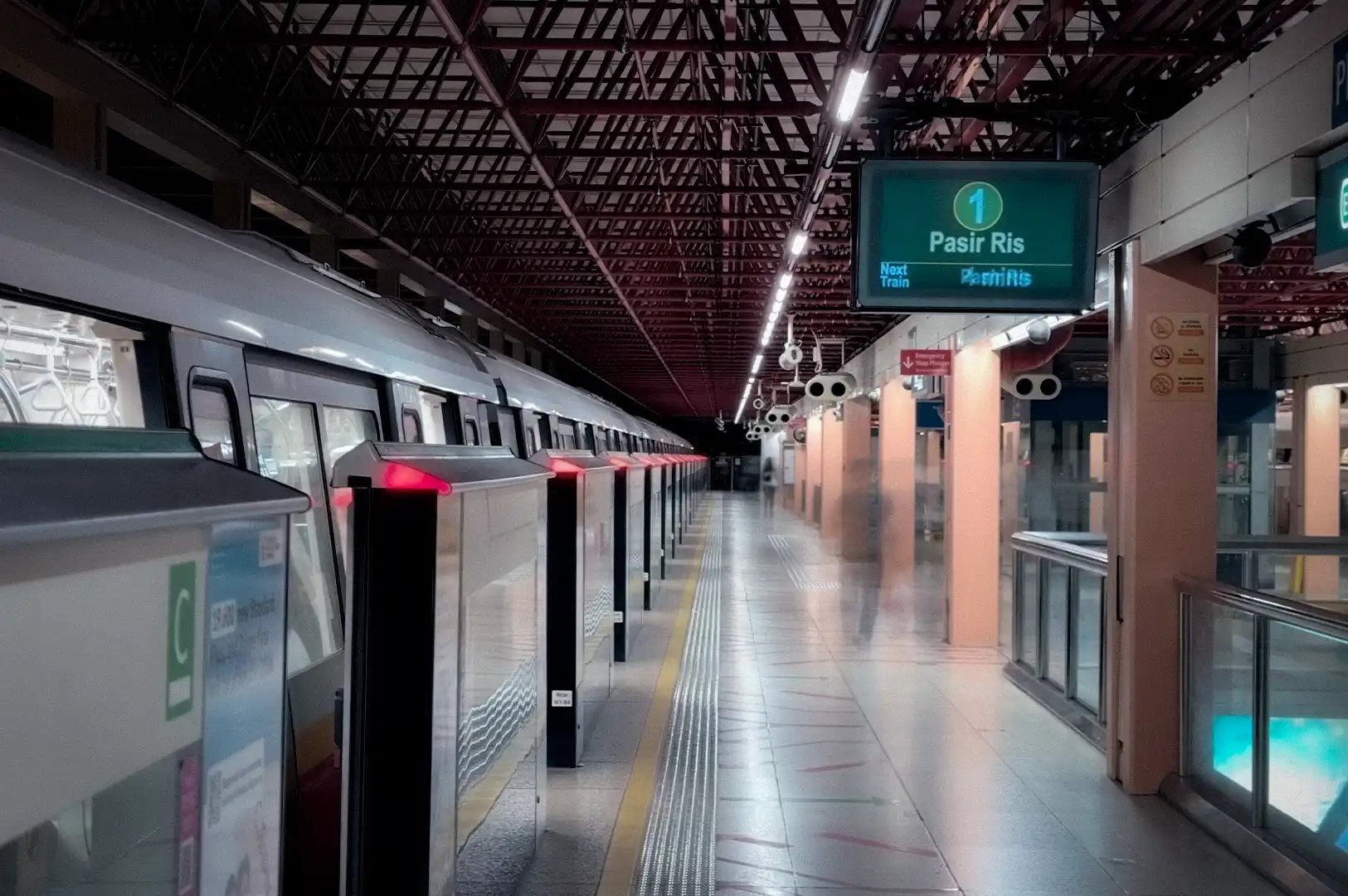
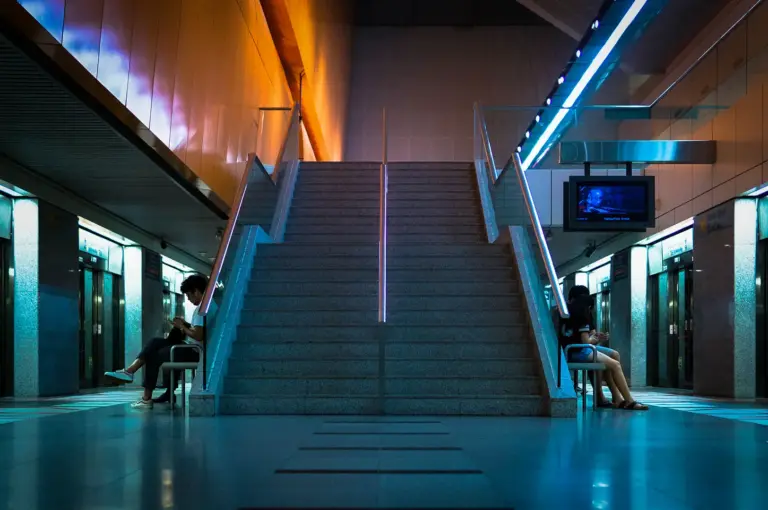
Some MRT stations are defined by movement.
People arrive, transfer, and leave with little reason to stay.
Others feel different.
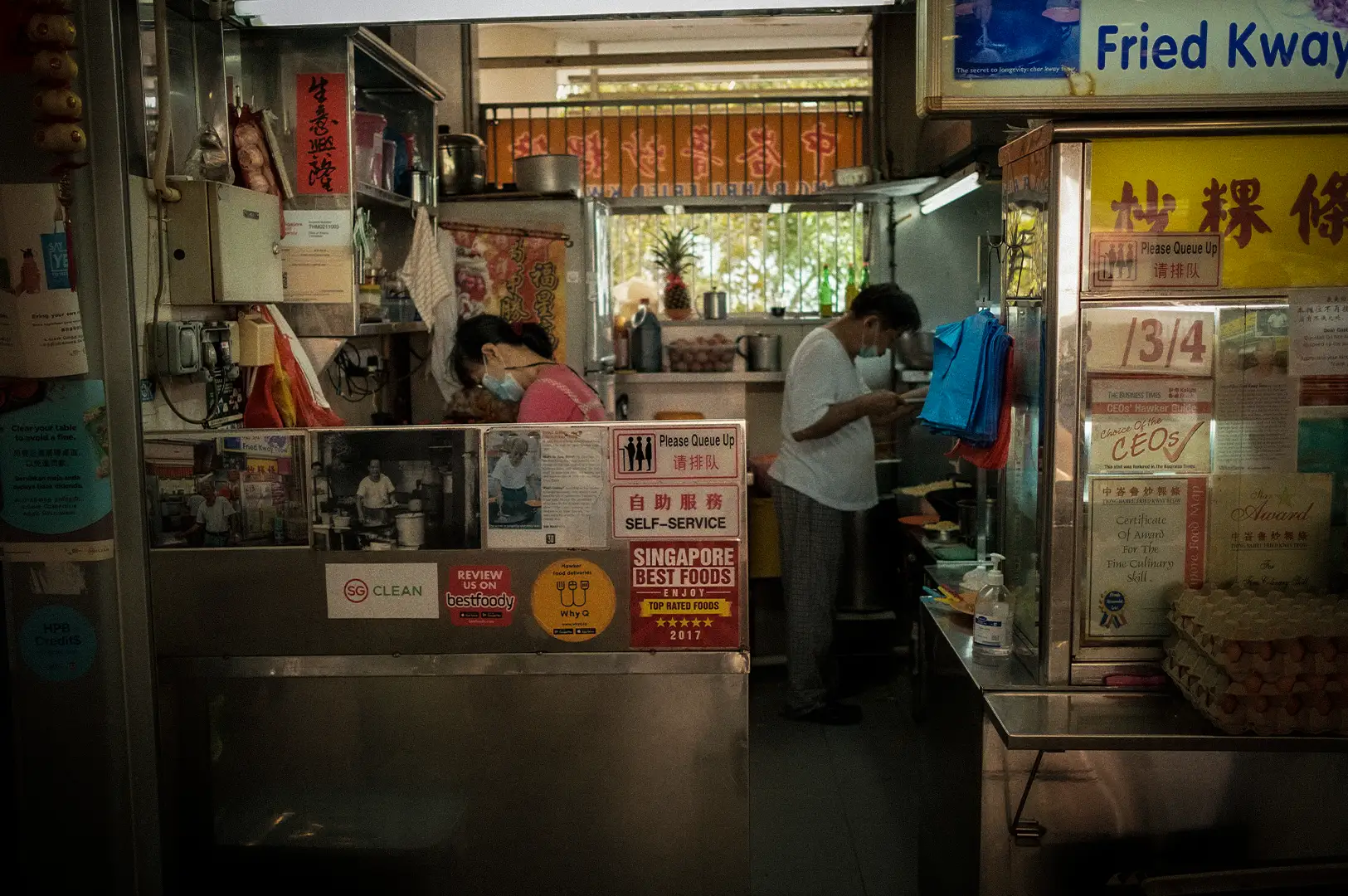
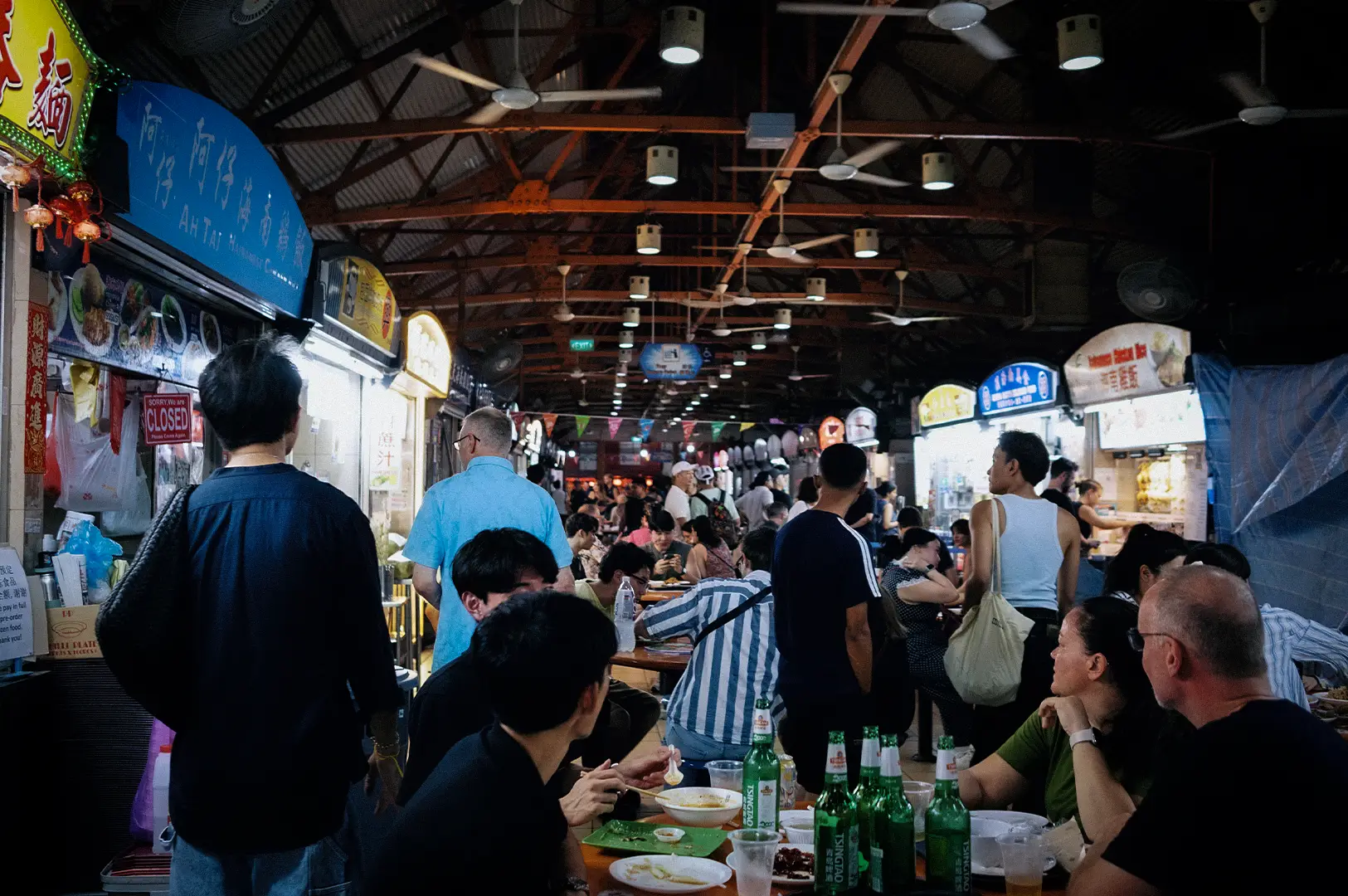
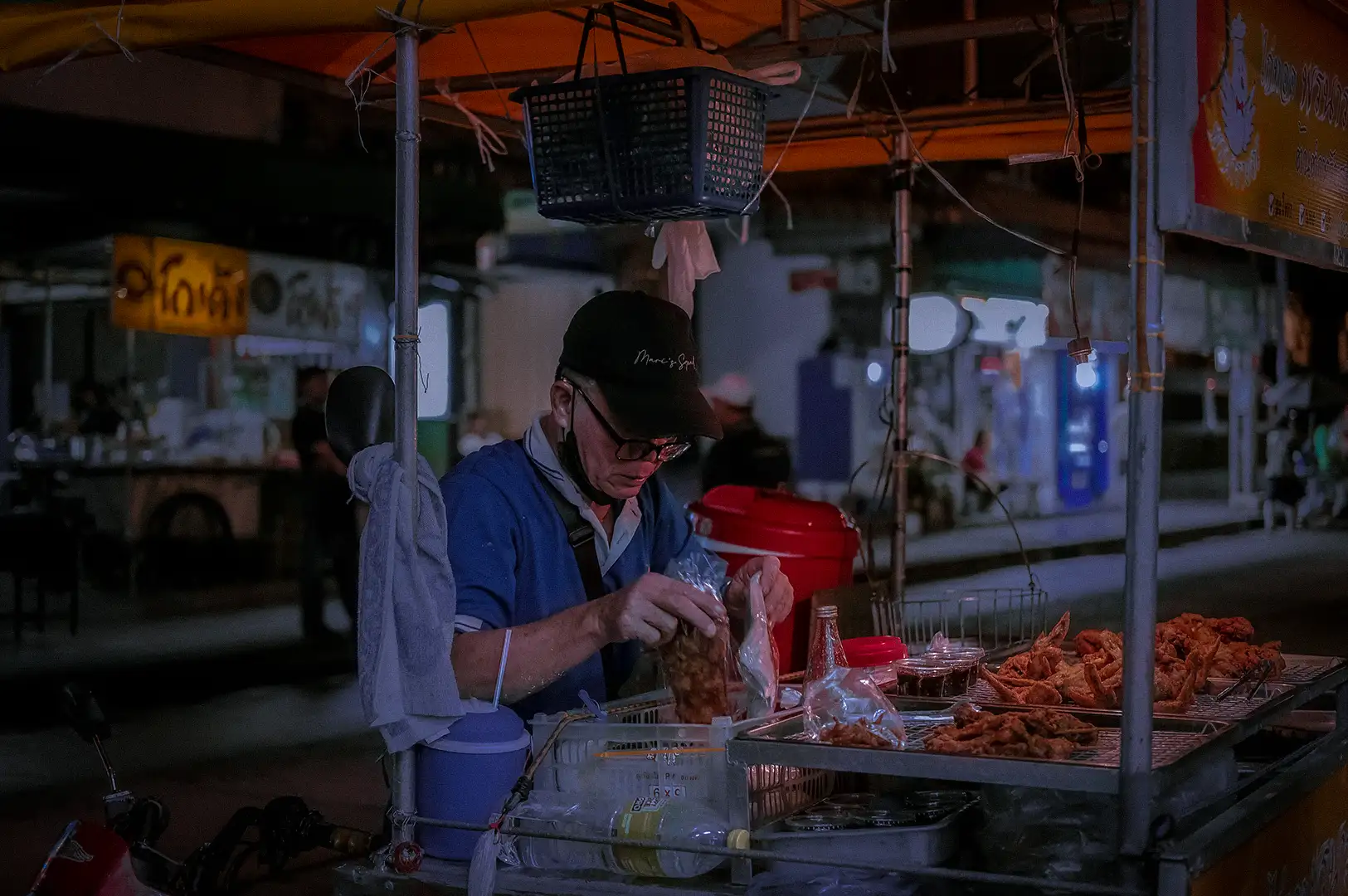
The station sits at the centre of daily neighbourhood life. Residents shop nearby, meet friends for meals, and visit familiar stalls that have become part of their routine.
Food plays a large role in this feeling.
The places around these stations are often designed for regular customers rather than visitors. Stall owners recognise familiar faces. Customers know exactly where they are going before they arrive.
The station becomes more than infrastructure.
It becomes part of the neighbourhood itself.
You see it in the pace of movement. In the familiarity between people and places. In this way meals fit naturally into everyday routines.
Across the MRT network, some stations connect destinations.
Others connect communities.