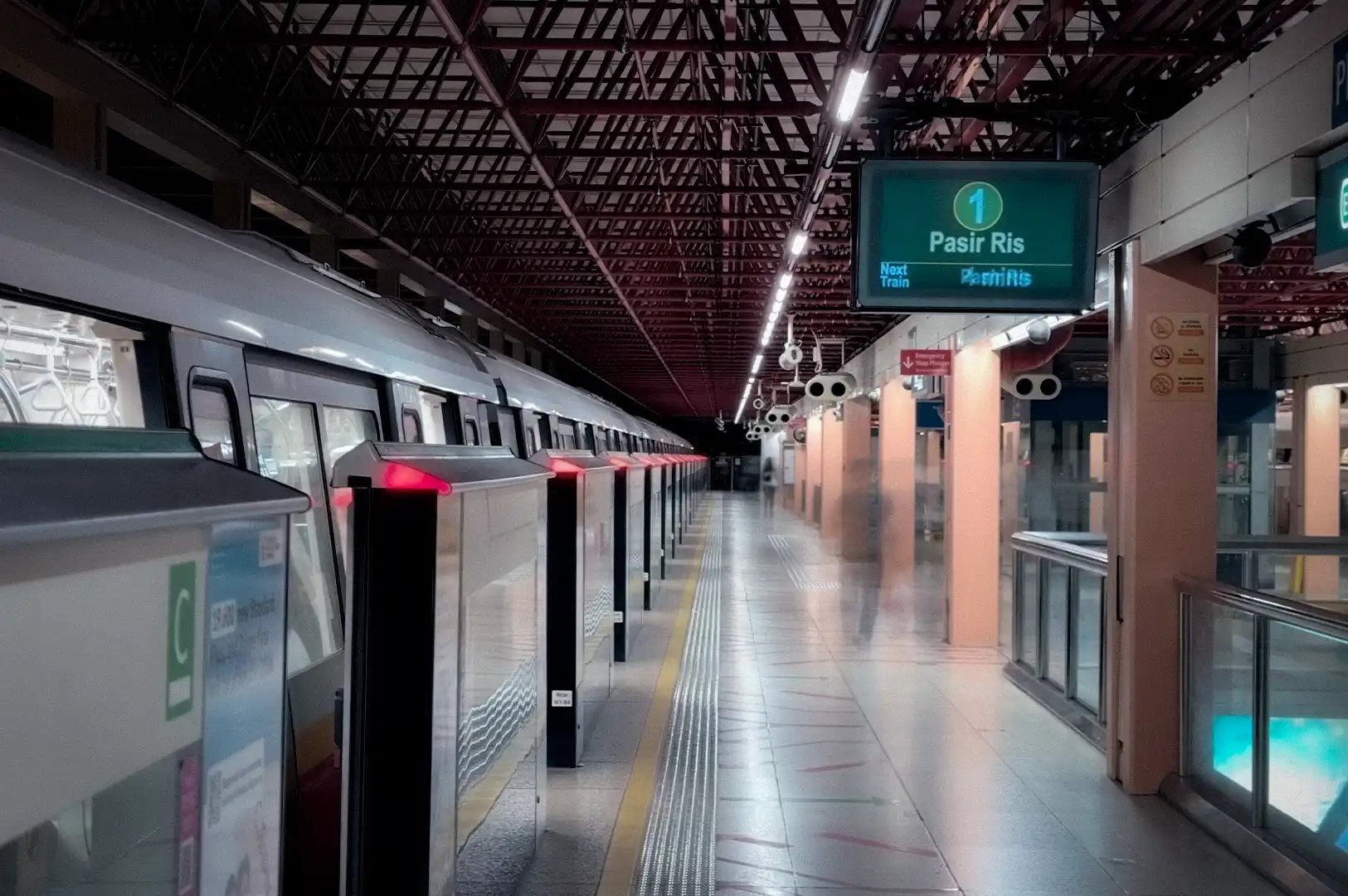
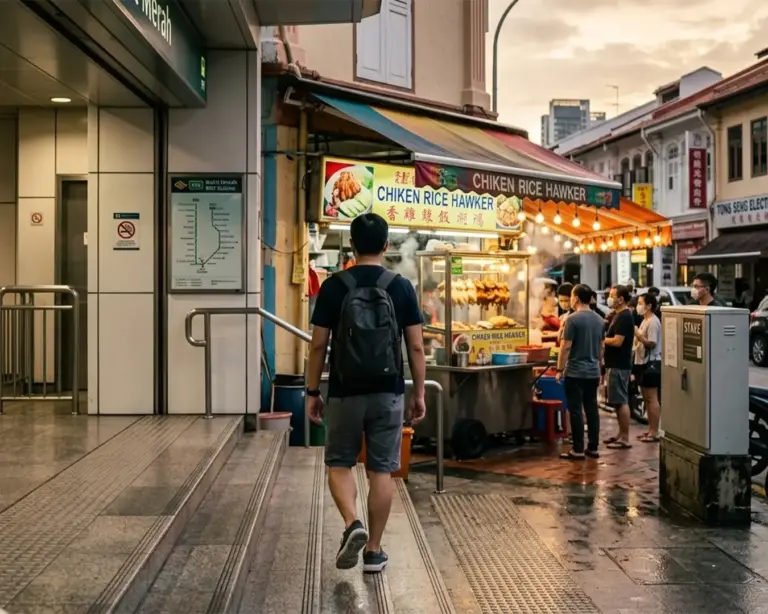
Near most MRT stations, food is rarely more than a few minutes away.
But those few minutes often determine where people end up eating.
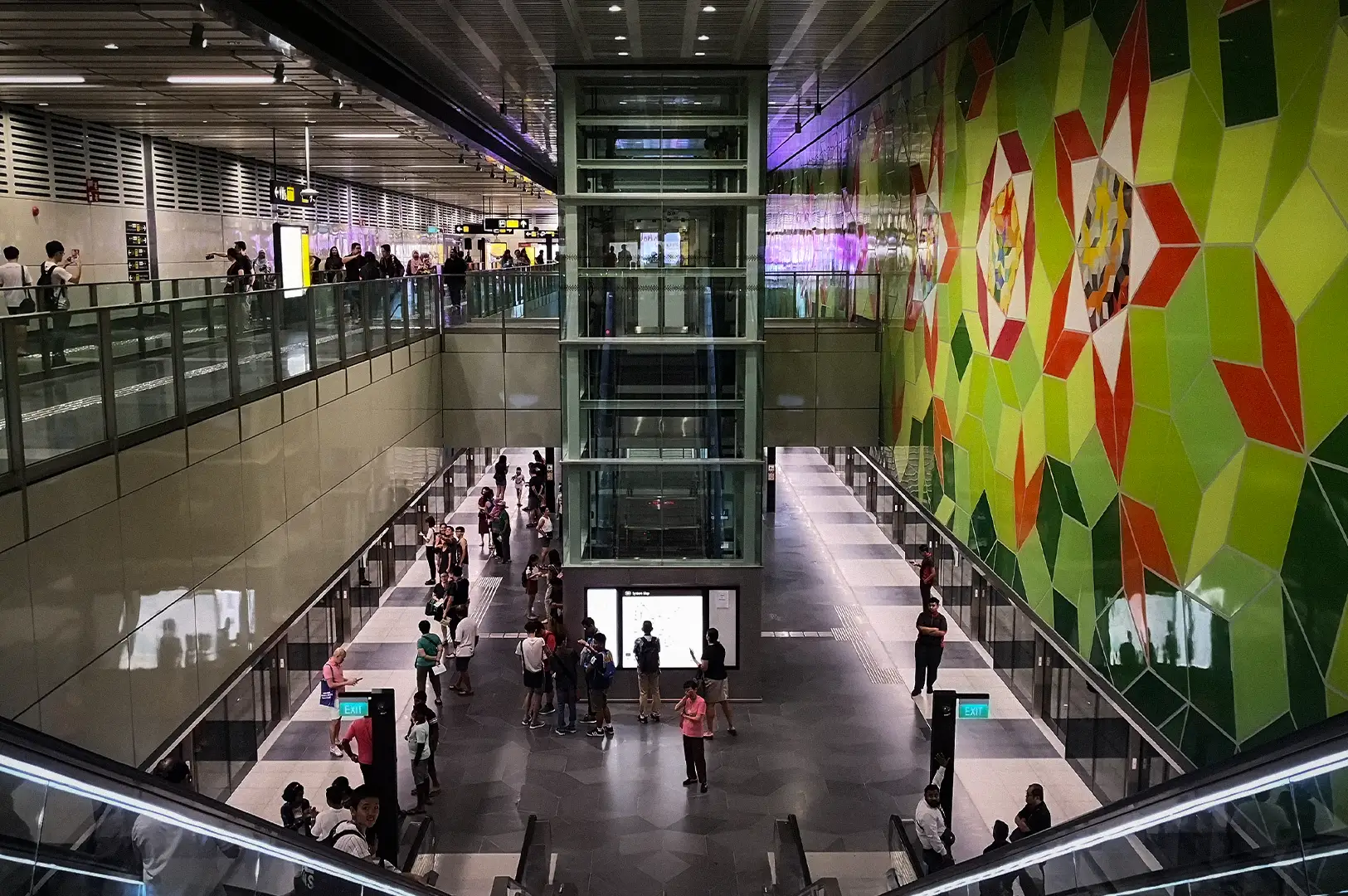
After tapping out, commuters typically follow the most direct route out of the station. Along that path, they pass several food options, some immediately visible, others slightly further away.
The difference between them is often just a short walk.
In practice, that distance matters.
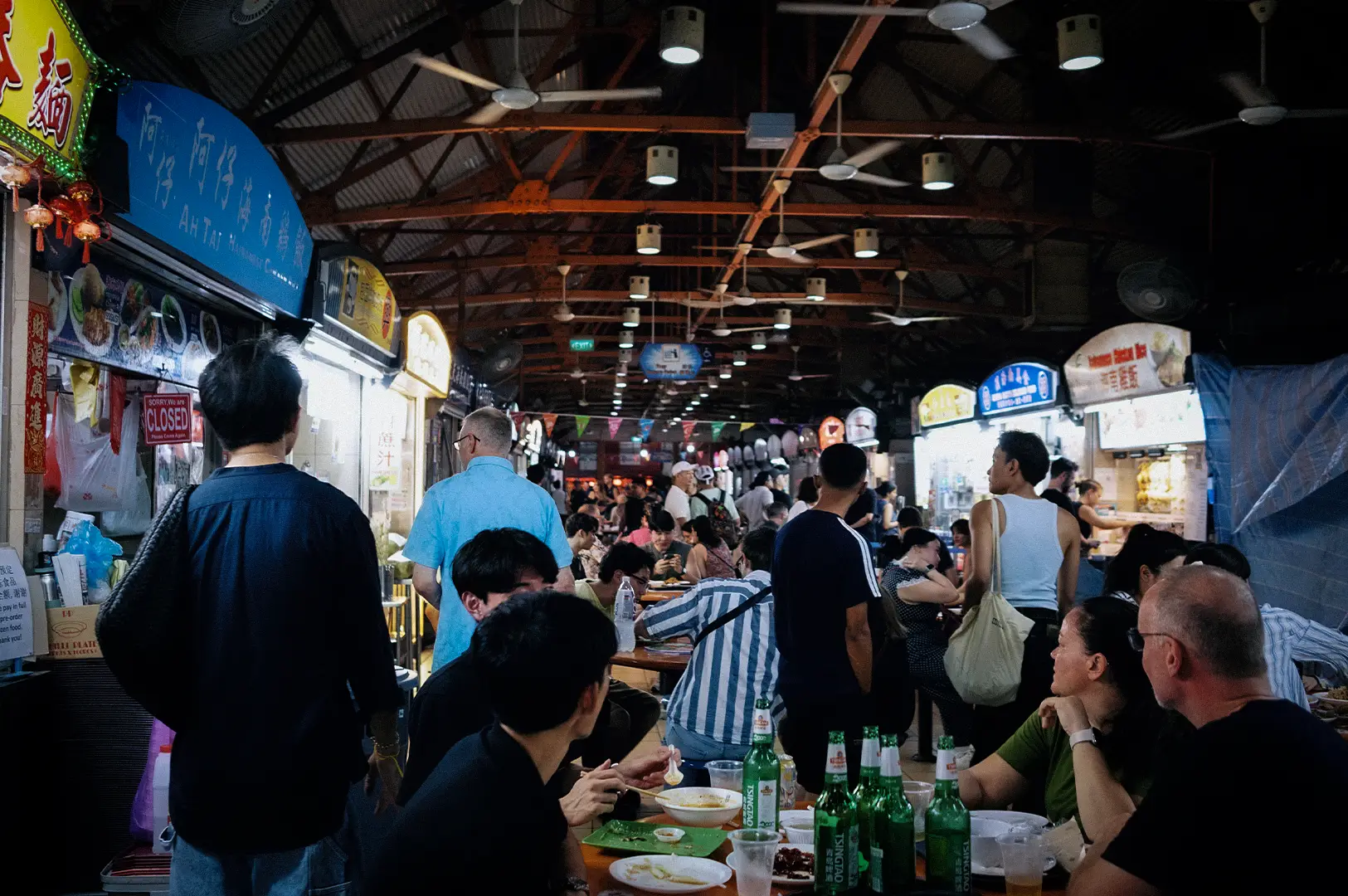
Food options closest to MRT exits tend to receive the highest traffic. They are the first to be seen, the easiest to access, and require the least amount of effort. As a result, these places often become default choices, especially during busy periods.
Further away, the pattern changes.
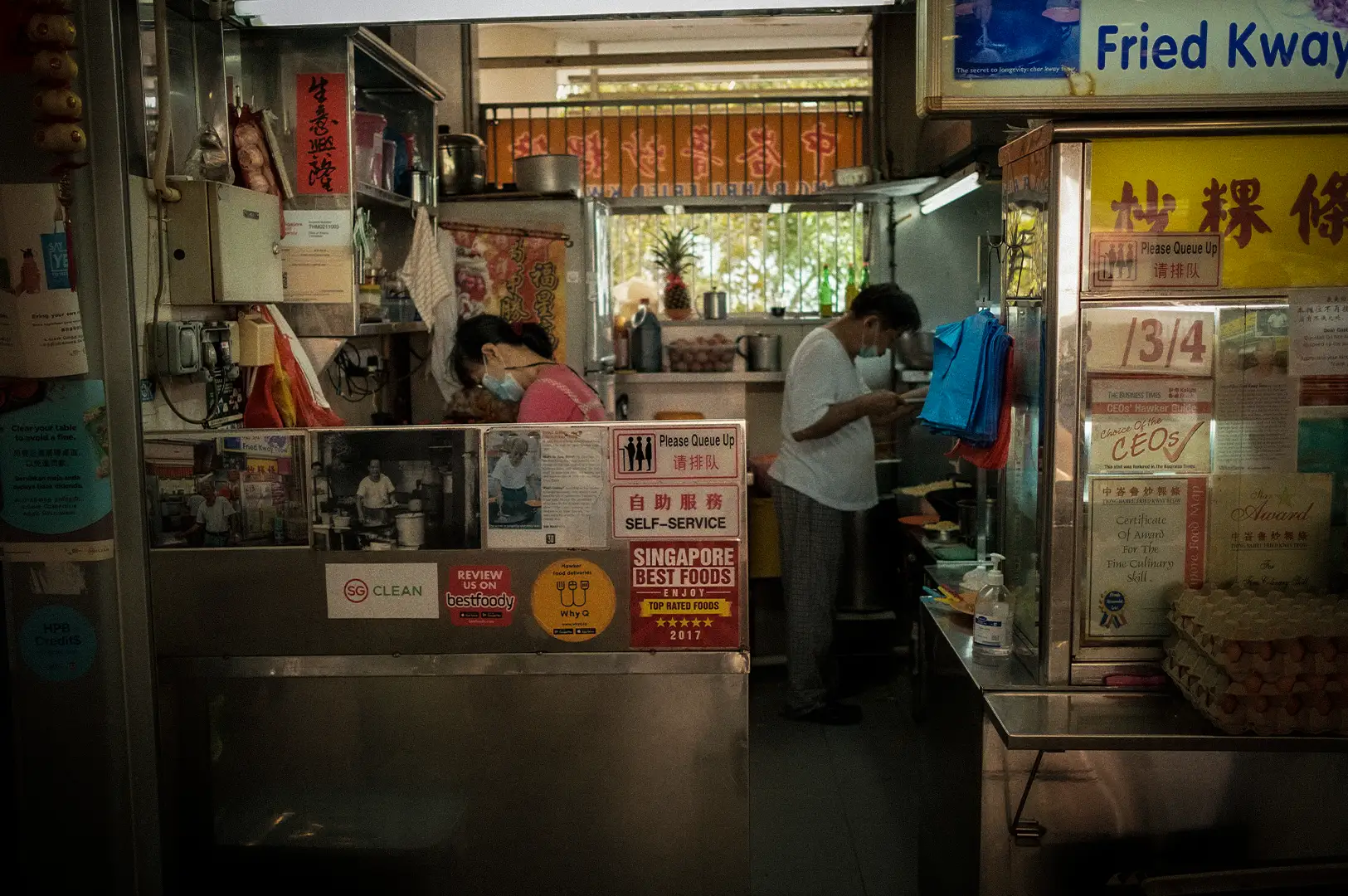
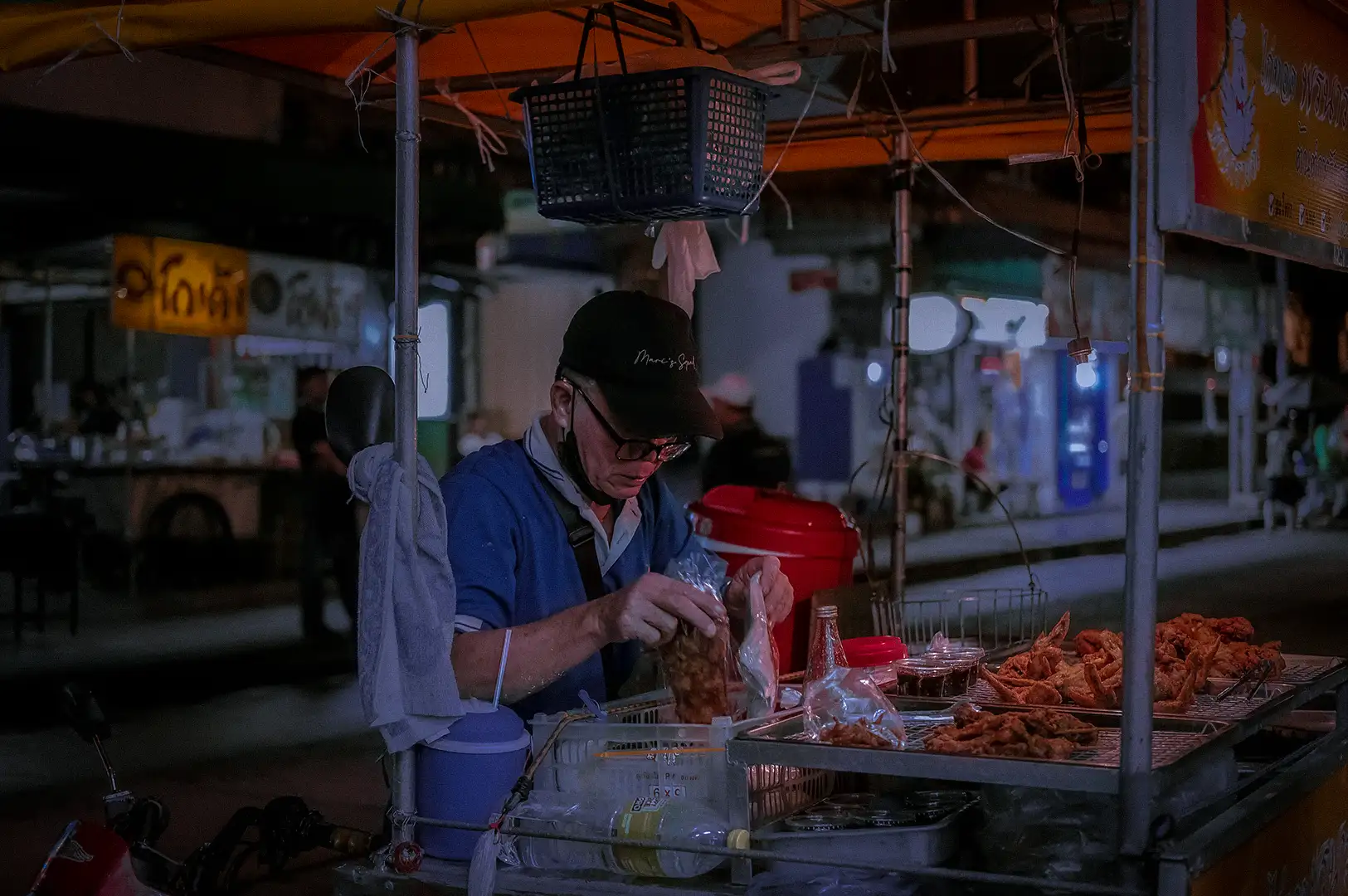
Stalls and eateries that are not directly connected to MRT exits rely more on regular customers and those familiar with the area. These places may offer similar or even better value, but require an extra decision, to walk a little further.
Most people choose not to.
Time, convenience, and visibility all favour the options that are closer.
This creates a consistent pattern across different stations.
Food closest to the station supports high turnover and fast decisions. Food slightly further away operates at a steadier pace, often serving regulars who are willing to make that short walk.
The distance may only be a few minutes.
But in the context of daily routines, it is often enough to decide where someone eats.