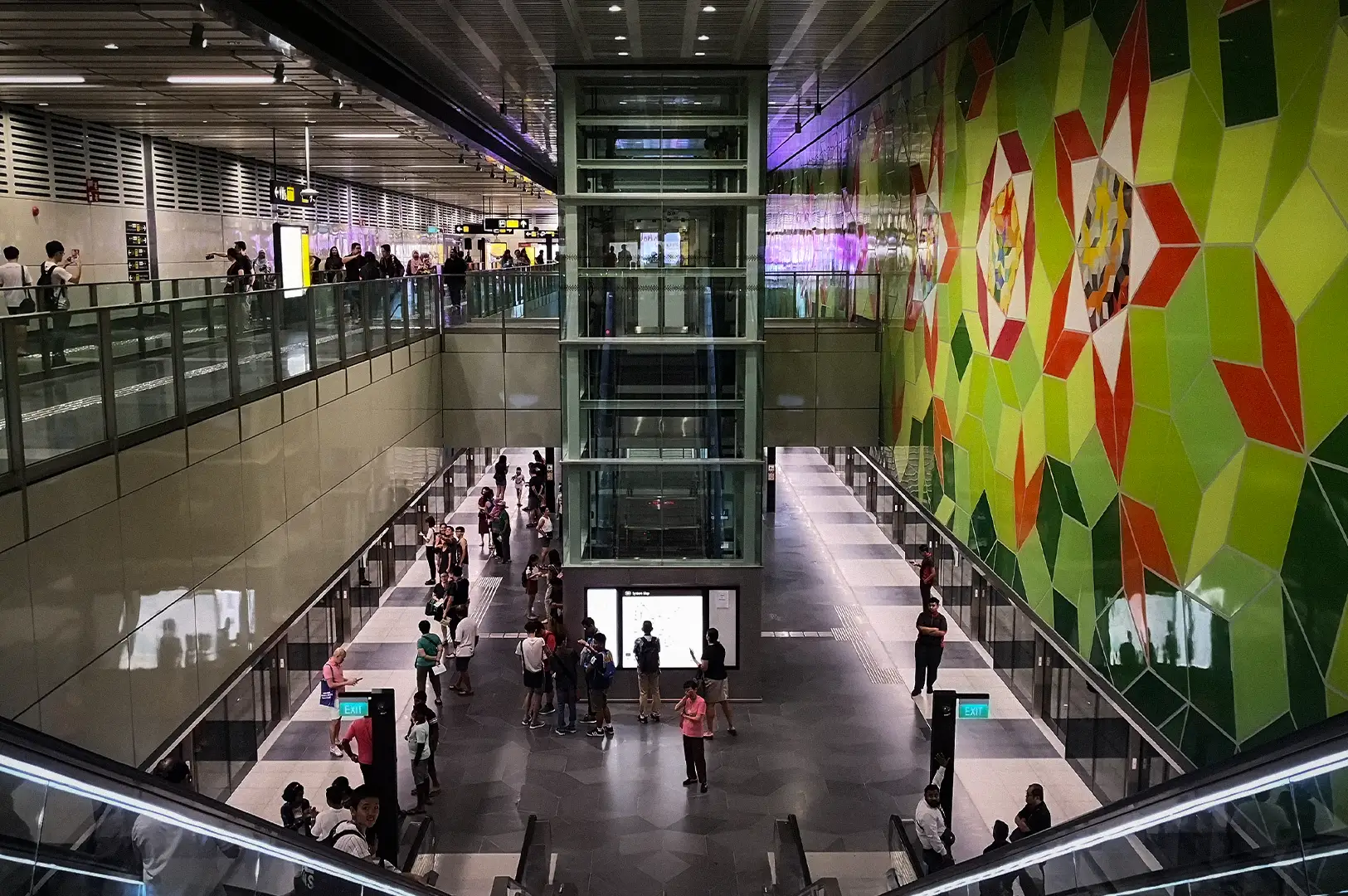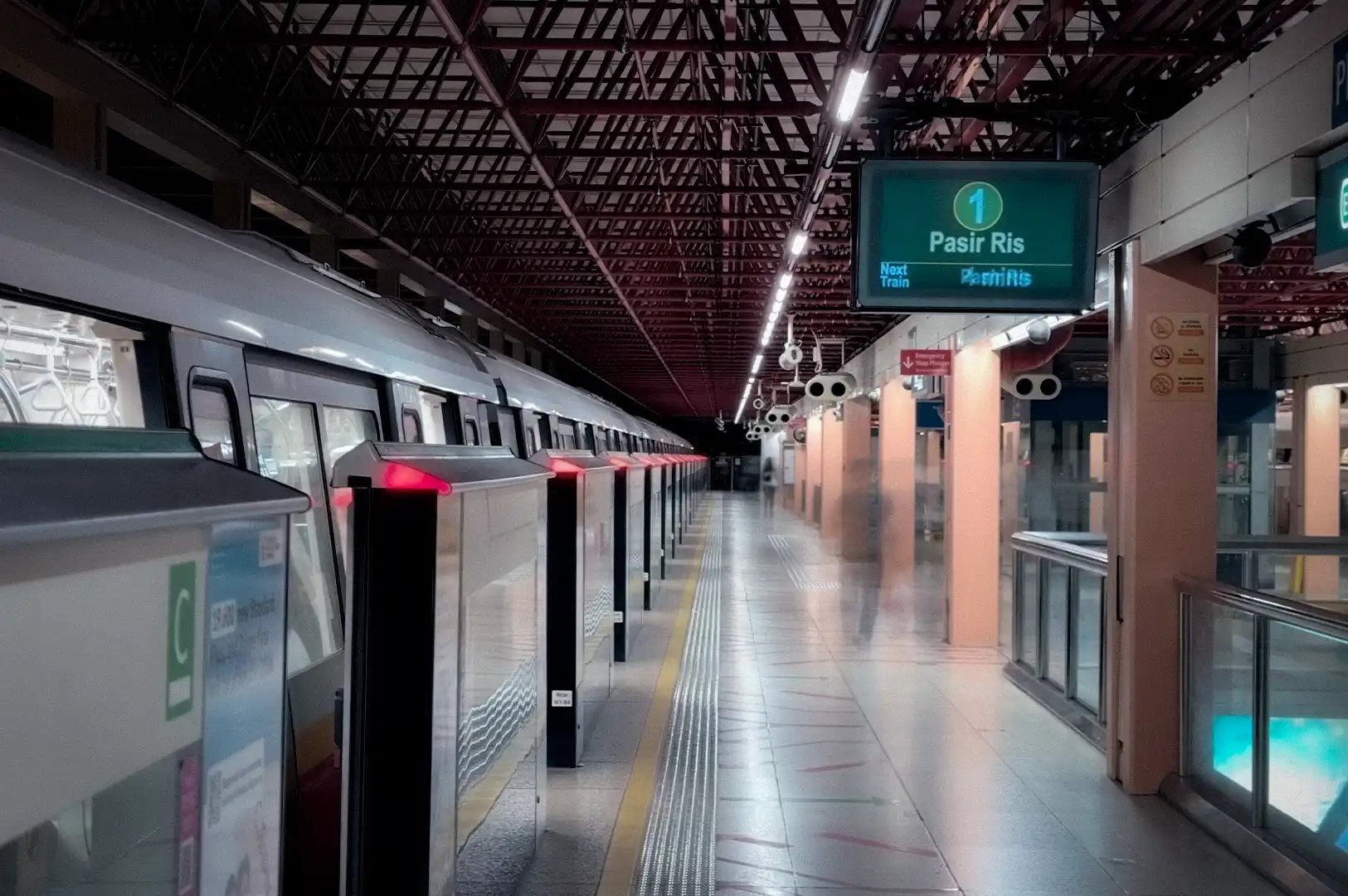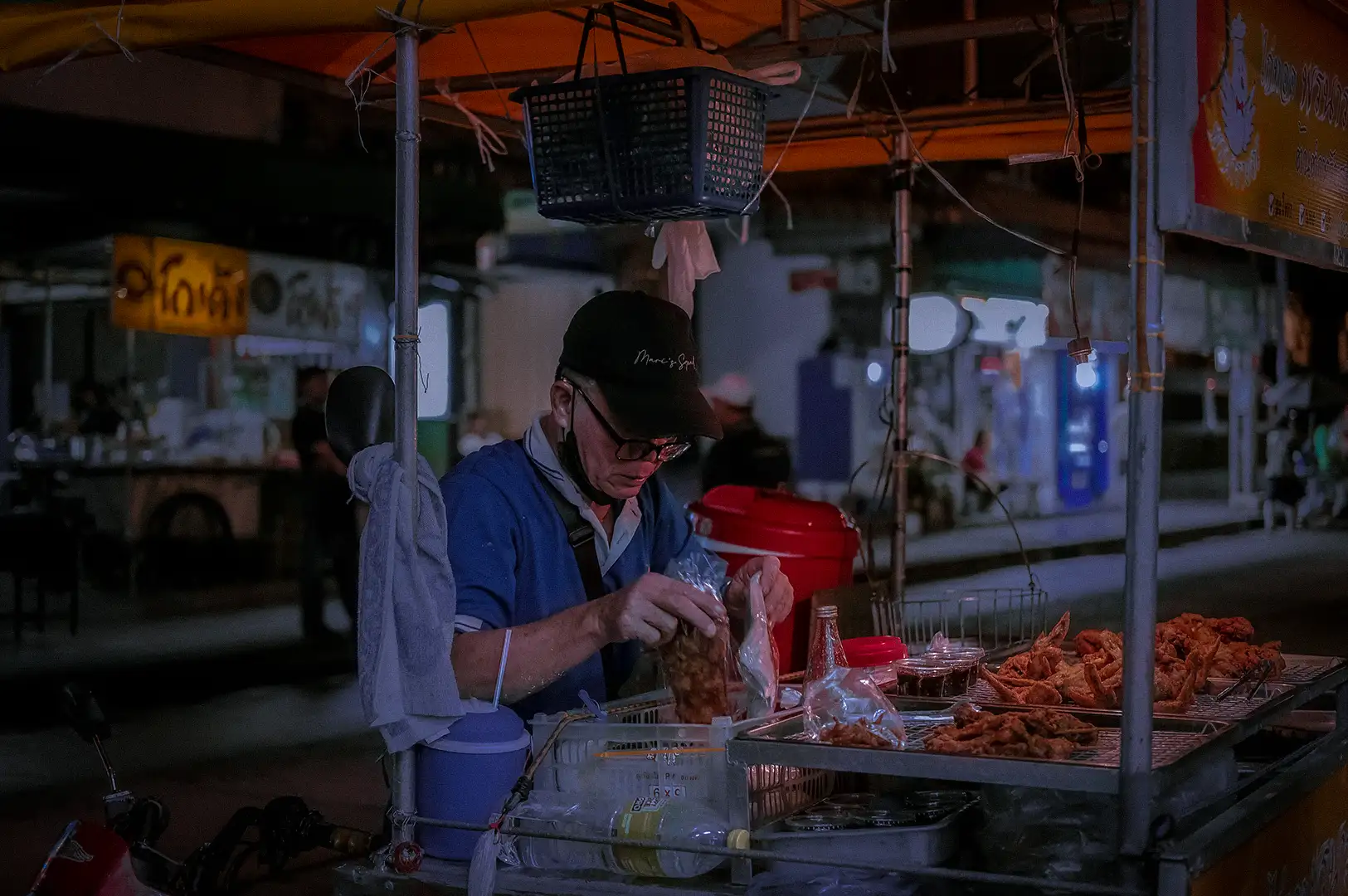
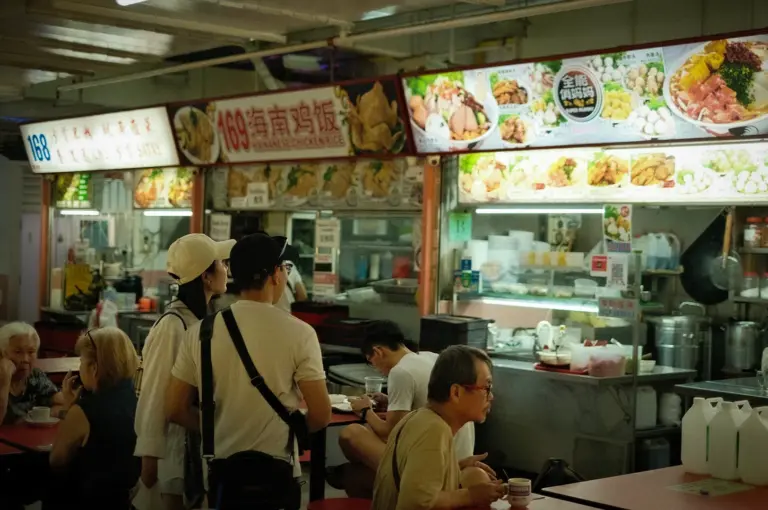
Some food places near MRT stations function less like destinations and more like extensions of the commute itself.
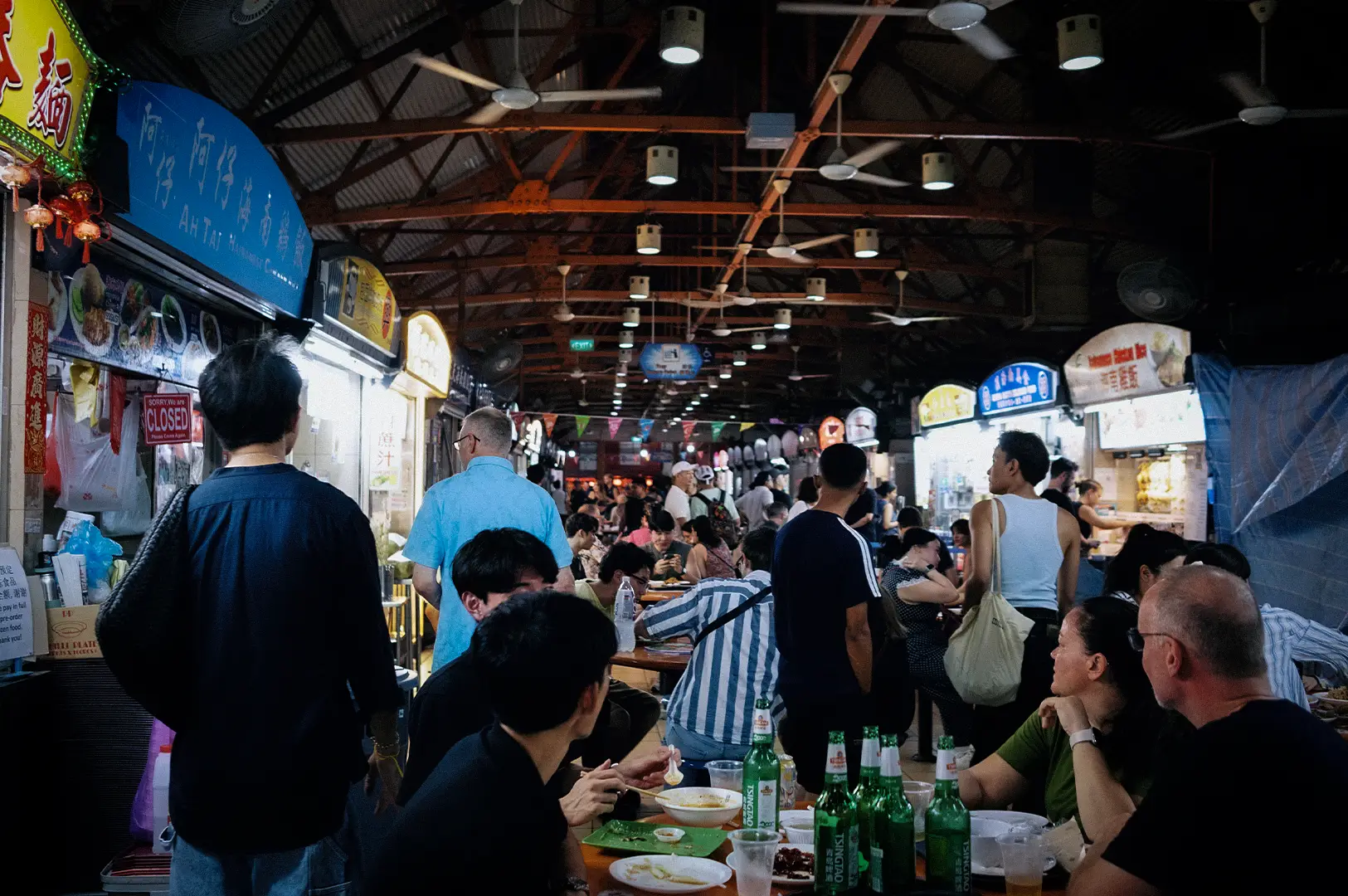
This is especially visible at food courts directly connected to stations or integrated into nearby malls.
Commuters move through them with familiarity. The route from platform to table becomes routine, repeated daily with little variation. Meals are chosen quickly, often from the same stalls, and timing remains closely tied to train schedules and work hours.
The convenience is intentional.
These spaces are designed to handle continuous movement, short queues, efficient seating turnover, and layouts that allow commuters to enter and leave without significant delays.
As a result, the food court becomes part of the station environment rather than separate from it.
This affects how people eat.
Decisions prioritise accessibility and predictability over exploration. Meals are structured around efficiency, particularly during peak periods when large numbers of commuters arrive simultaneously.
The pattern repeats across many MRT stations in Singapore.
Certain food courts are not remembered for individual stalls, but for how consistently they fit into daily movement between work, home, and the train platform.