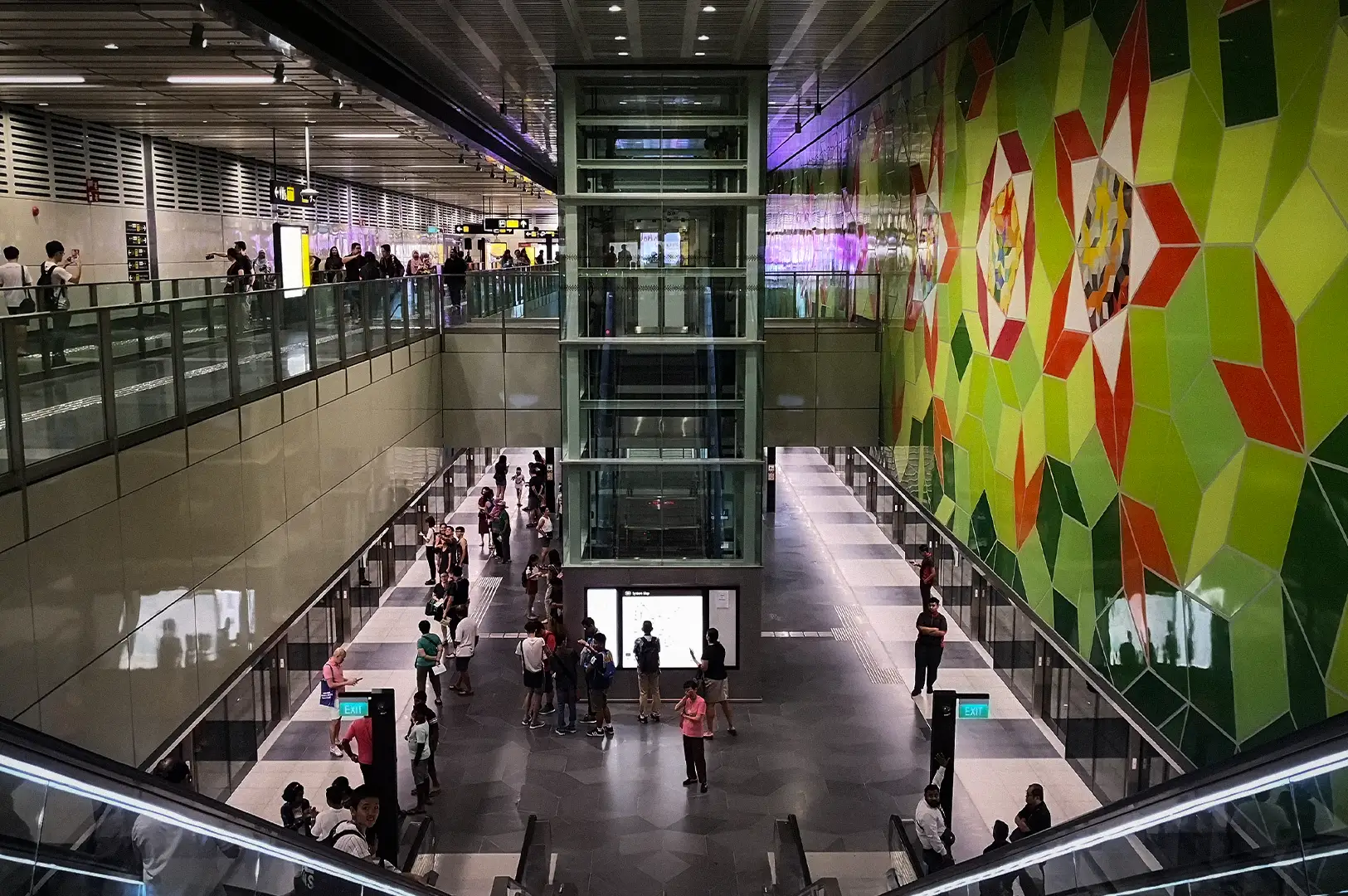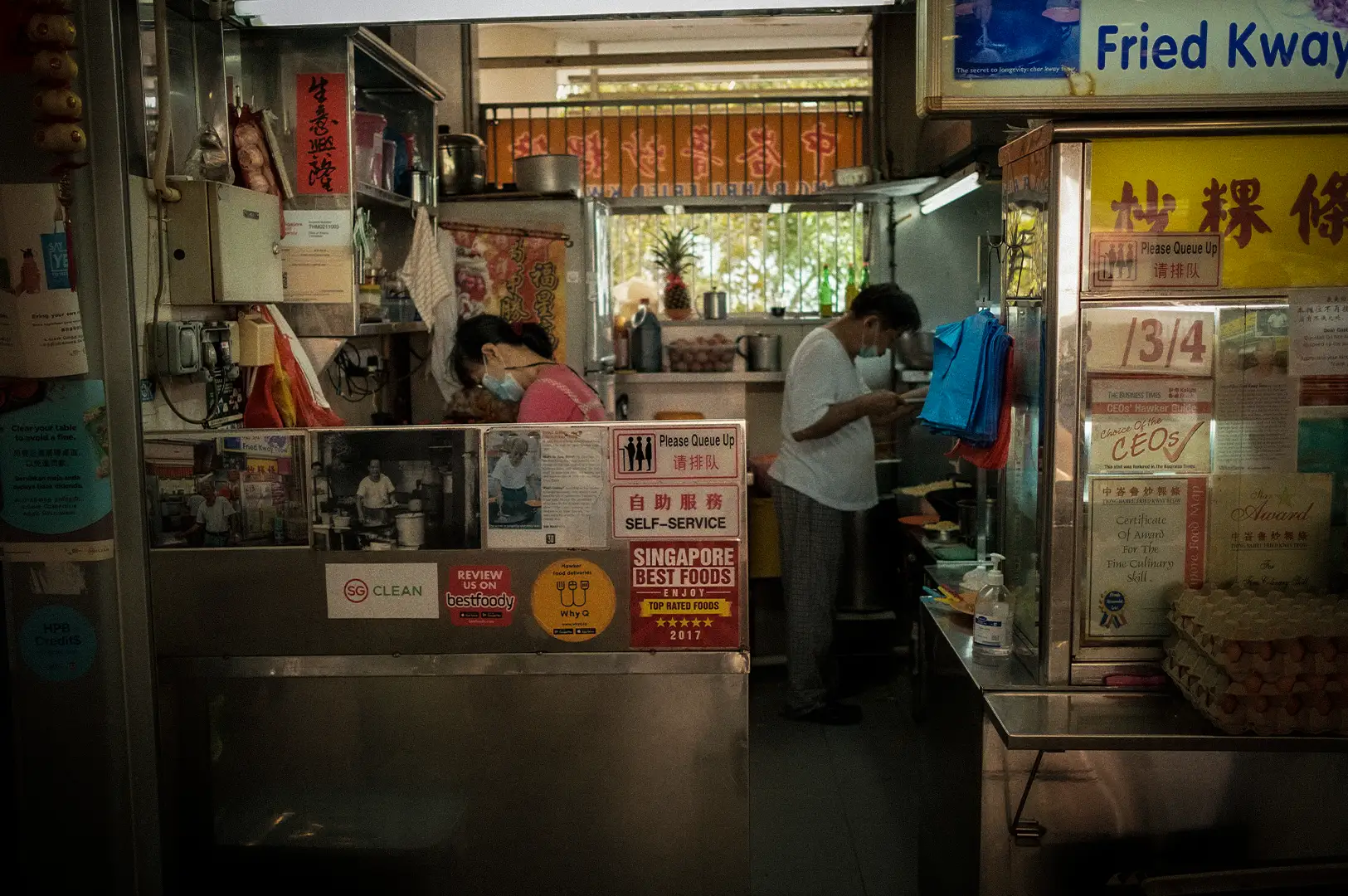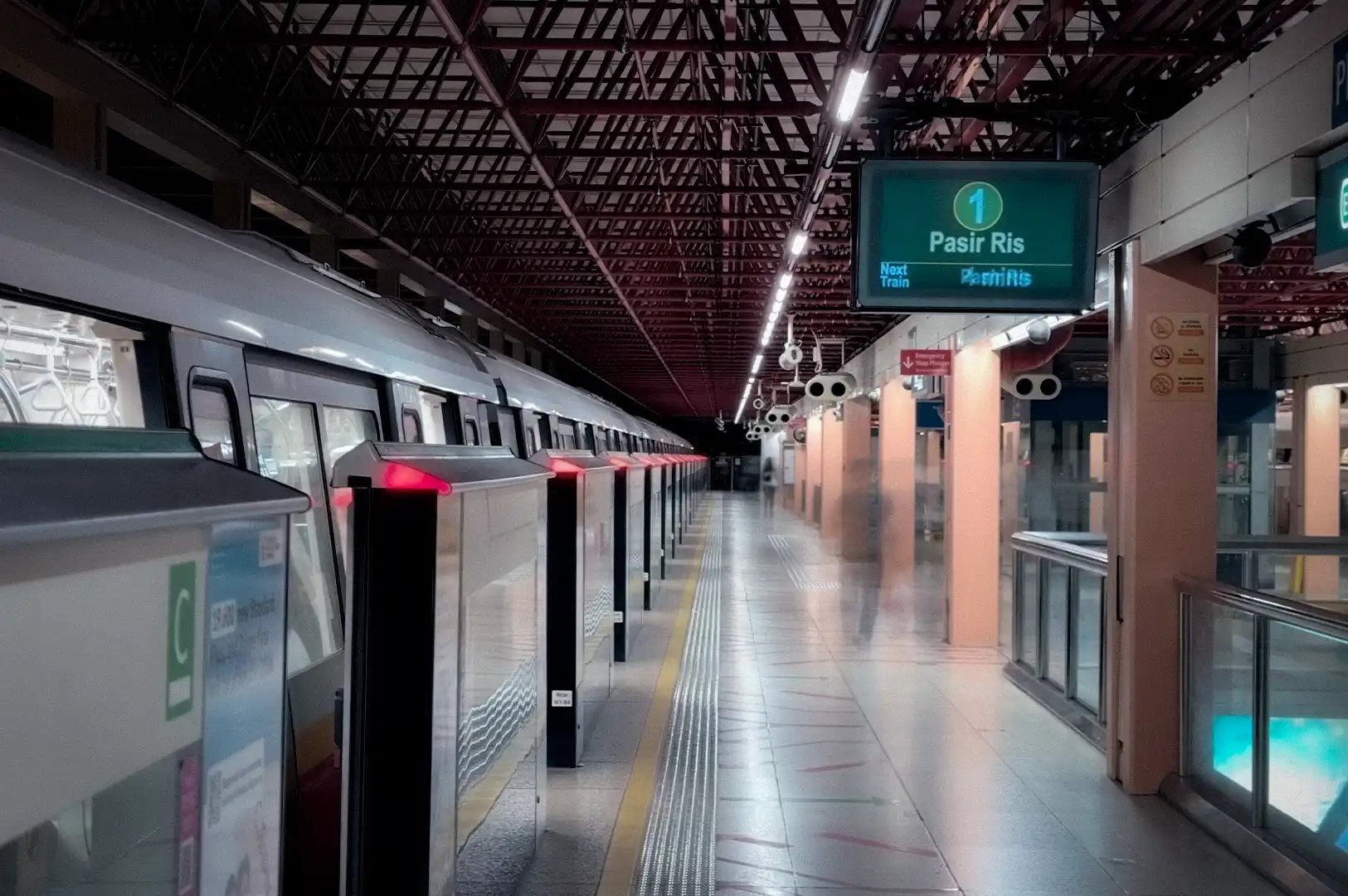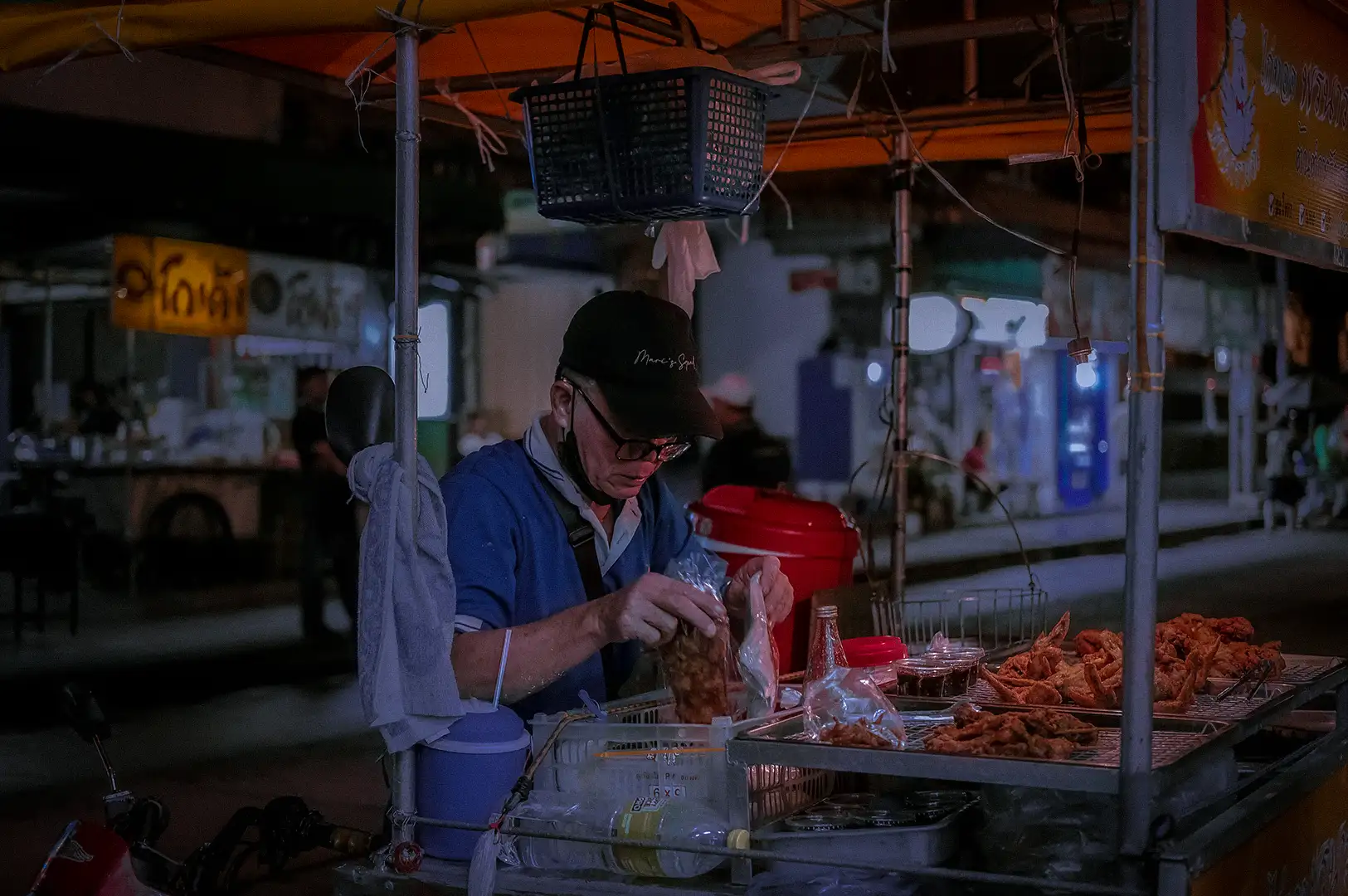
Some MRT stations feel more social than others.
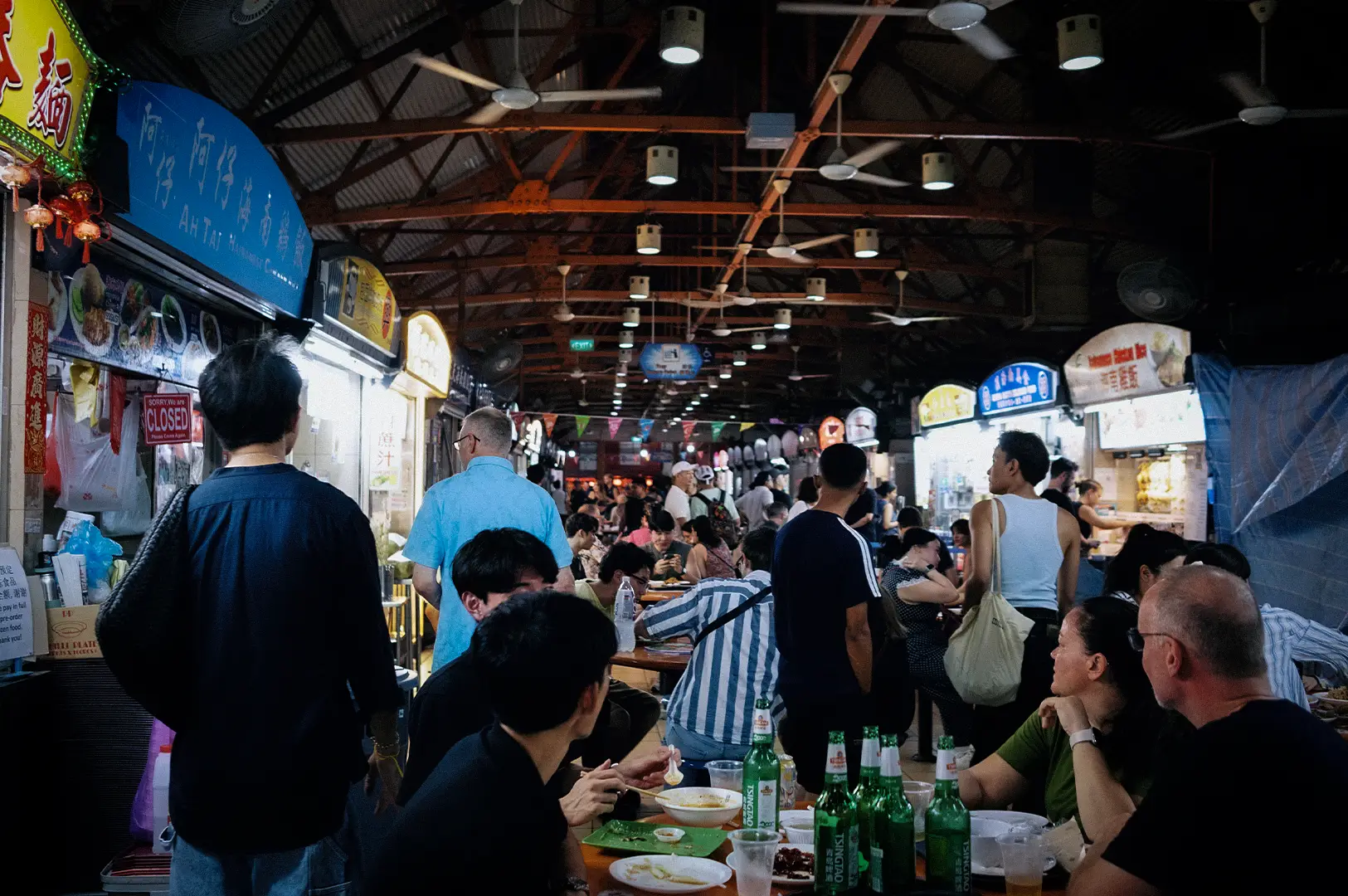
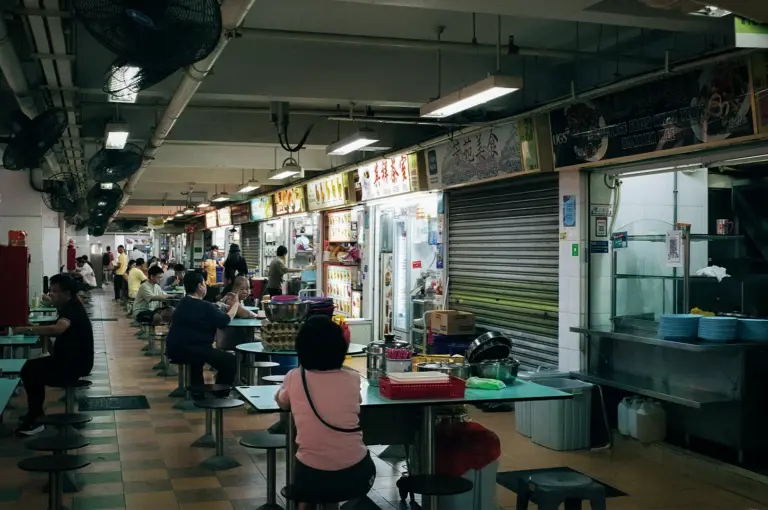
You notice it most during meal hours. At certain stations, tables are filled with groups, colleagues, families, students gathering after class. At others, a larger number of people eat alone.
The difference is subtle, but consistent.
Near stations surrounded by office buildings, solo dining becomes more common. People arrive with limited time, order quickly, and eat without much pause before returning to work or continuing their journey.
The pace shapes the atmosphere.
Meals become quieter. Tables turn over faster. Even food choices tend to lean practical, dishes that can be served quickly and finished within a short break.
At residential stations, the pattern shifts slightly.
There are still solo diners, but more meals happen in pairs or groups. People appear less rushed, and the spaces around coffee shops and hawker centres feel more conversational.
The station itself influences this rhythm.
Areas built around movement and efficiency naturally encourage shorter, more individual routines. Stations connected closely to neighbourhood life allow meals to feel more social and extended.
Across the MRT network, these patterns repeat every day.
The way people eat near a station often reflects the pace of the area surrounding it.
And sometimes, you can understand the rhythm of a place simply by watching how people sit down for dinner.