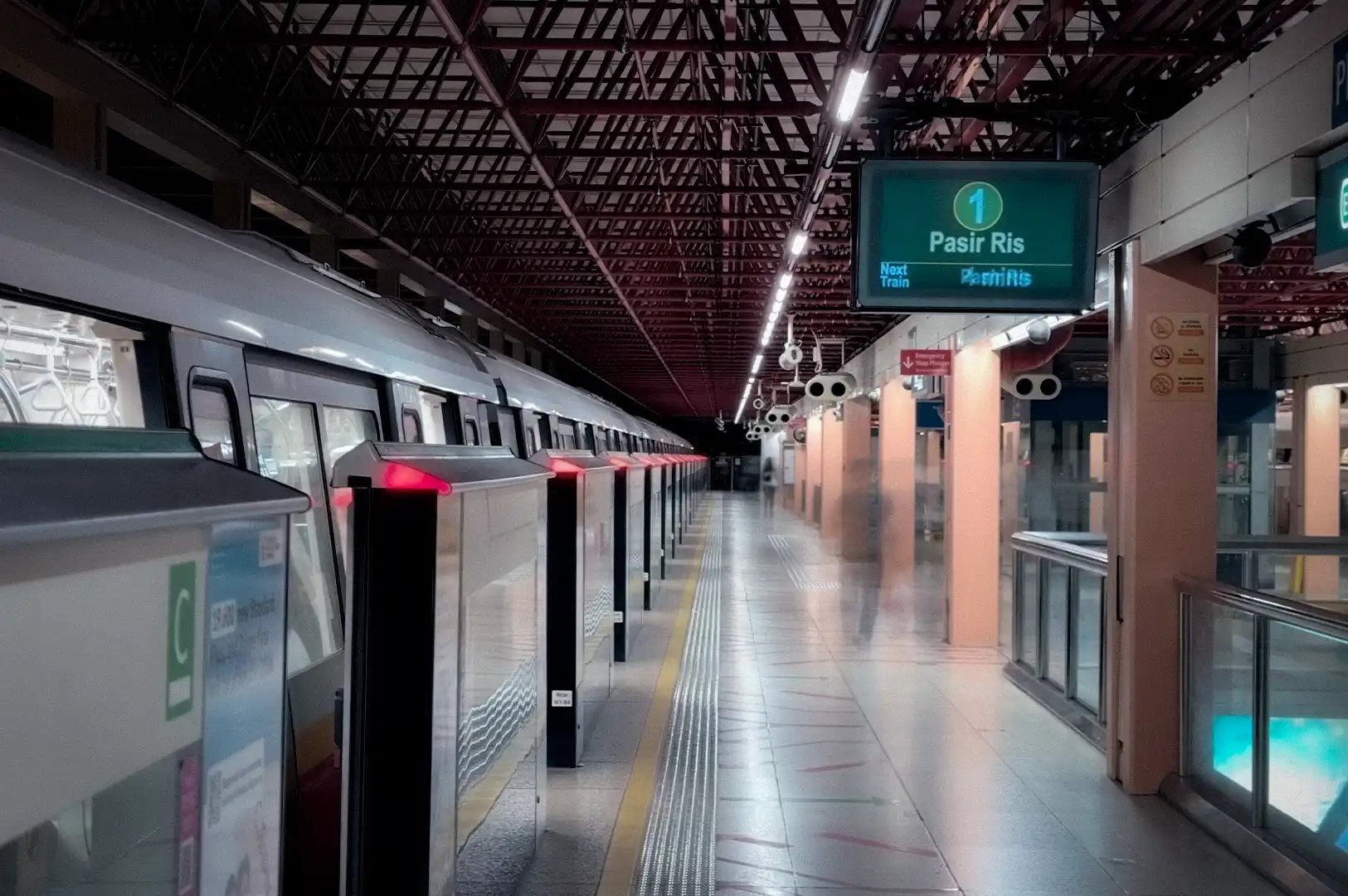
At some MRT stations, eating is followed immediately by departure.
Commuters finish their meals, return to the platform, and continue their journey with little delay.
At other stations, the pattern is different.
People remain in the area after eating. They walk through nearby shops, spend time in connected malls, or continue conversations at cafés and public spaces near the station.
The surrounding environment influences this behaviour.
Stations integrated with shopping areas or mixed-use developments naturally encourage longer stays. Food becomes one part of a larger routine rather than the final activity before leaving.
This changes how people choose where to eat.
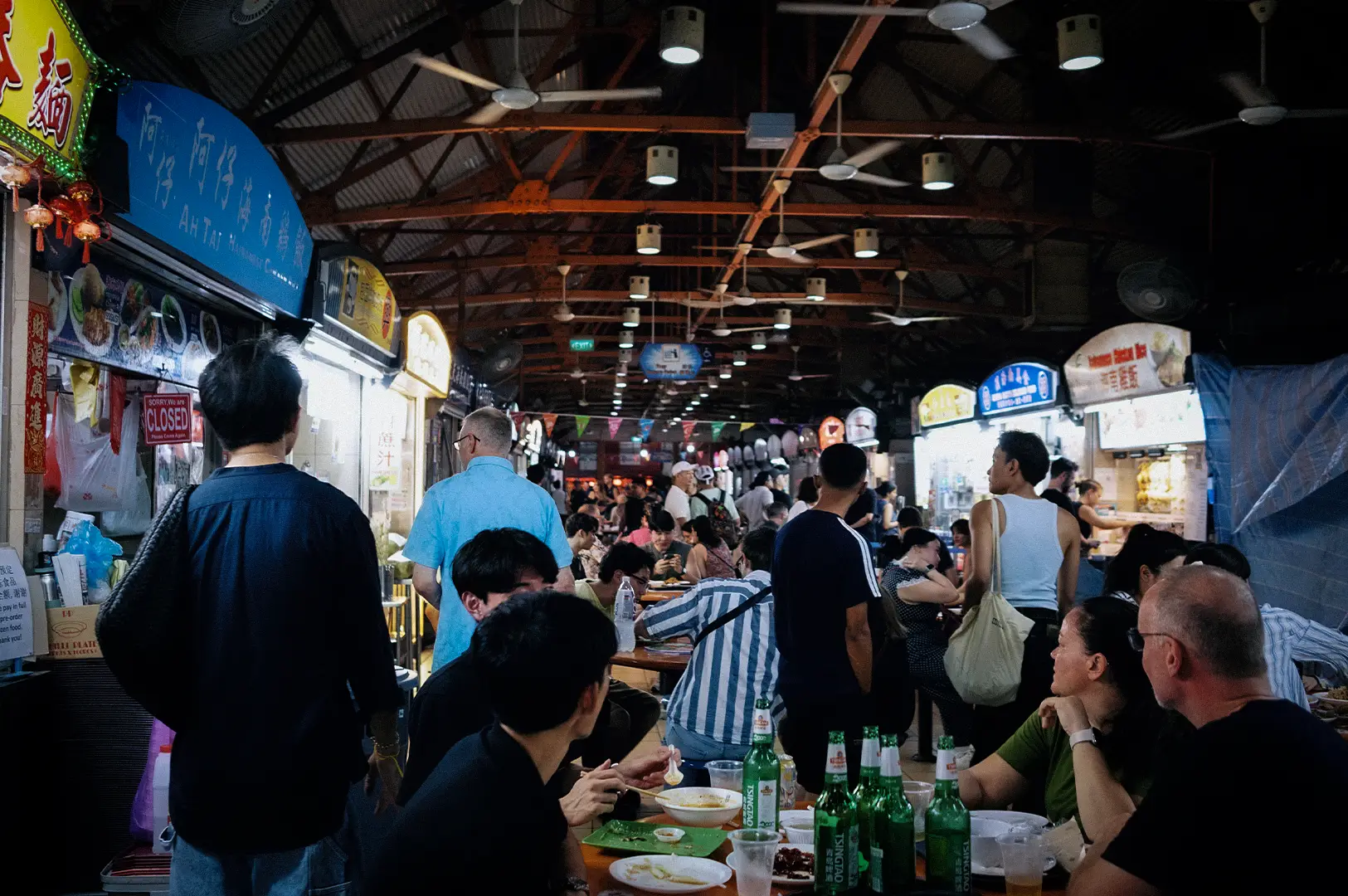
There is often more willingness to sit longer, visit cafés, or choose places with a more relaxed environment. Time pressure becomes slightly less important compared to stations primarily focused on movement and transit.
The contrast is noticeable across the MRT network.
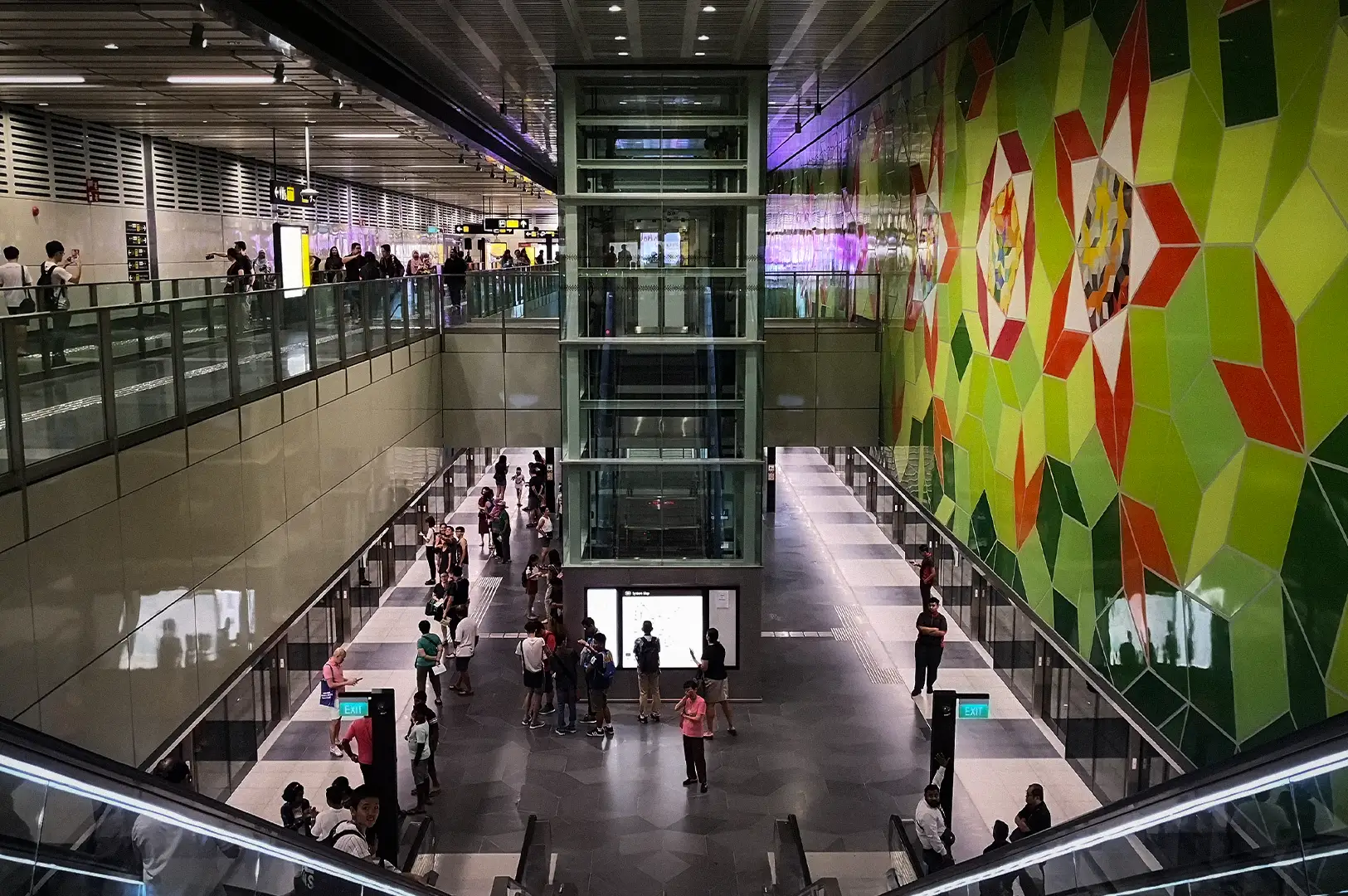
Some stations are designed around continuous flow. Others allow movement to slow after meals, creating a different relationship between the station and the surrounding food spaces.
In these areas, eating does not always mark the end of the journey.
Sometimes, it becomes the reason people stay a little longer.