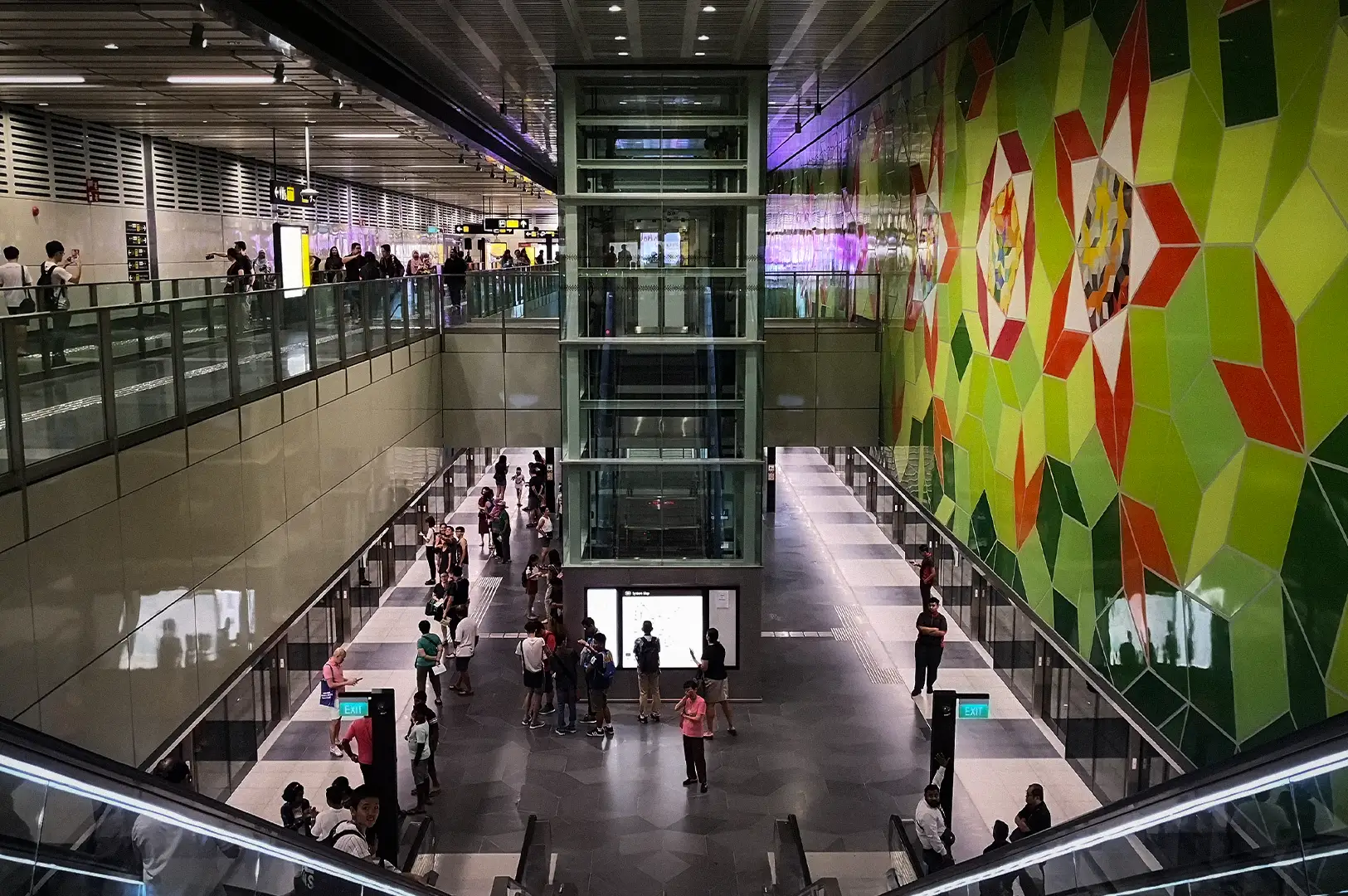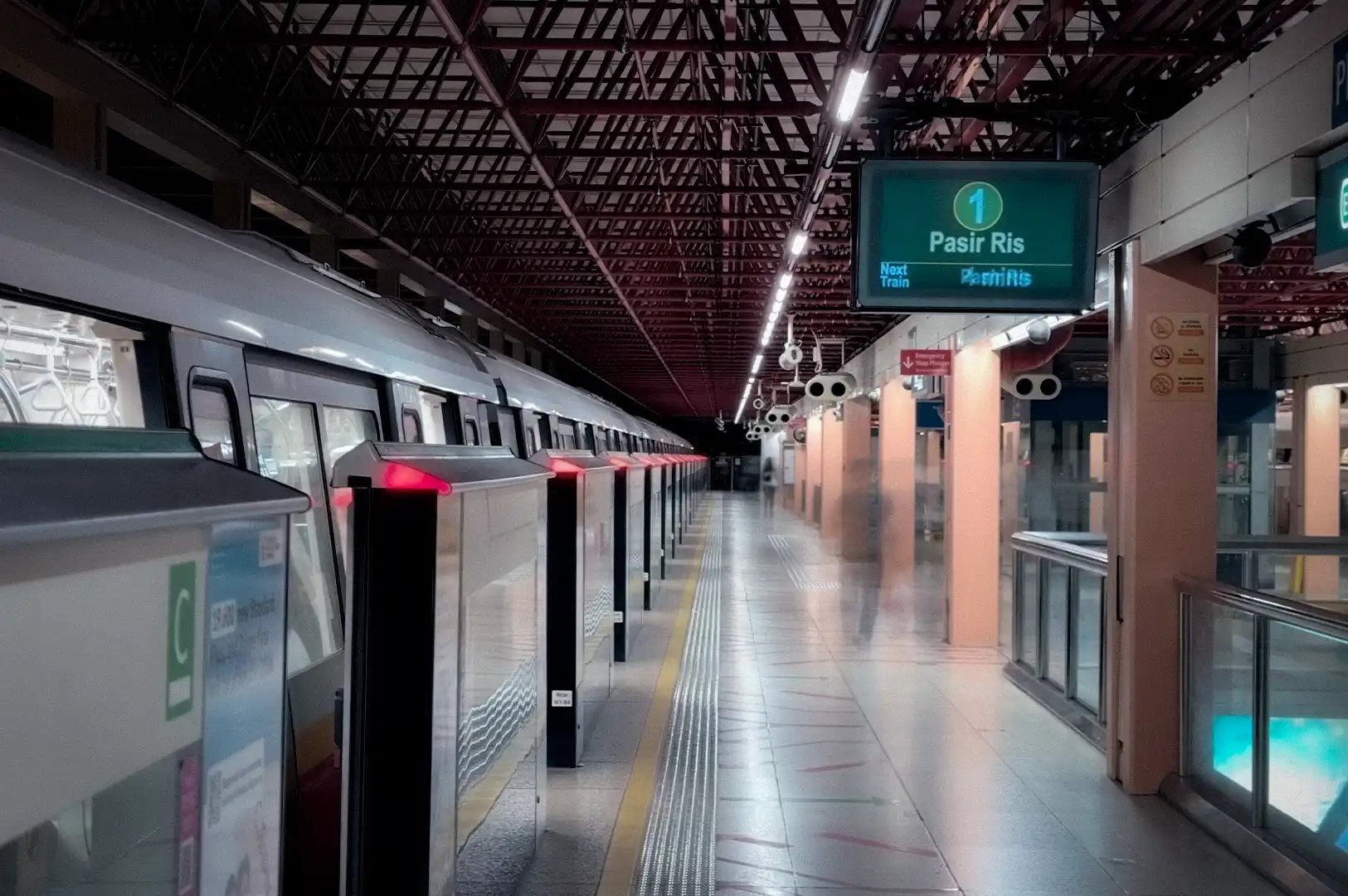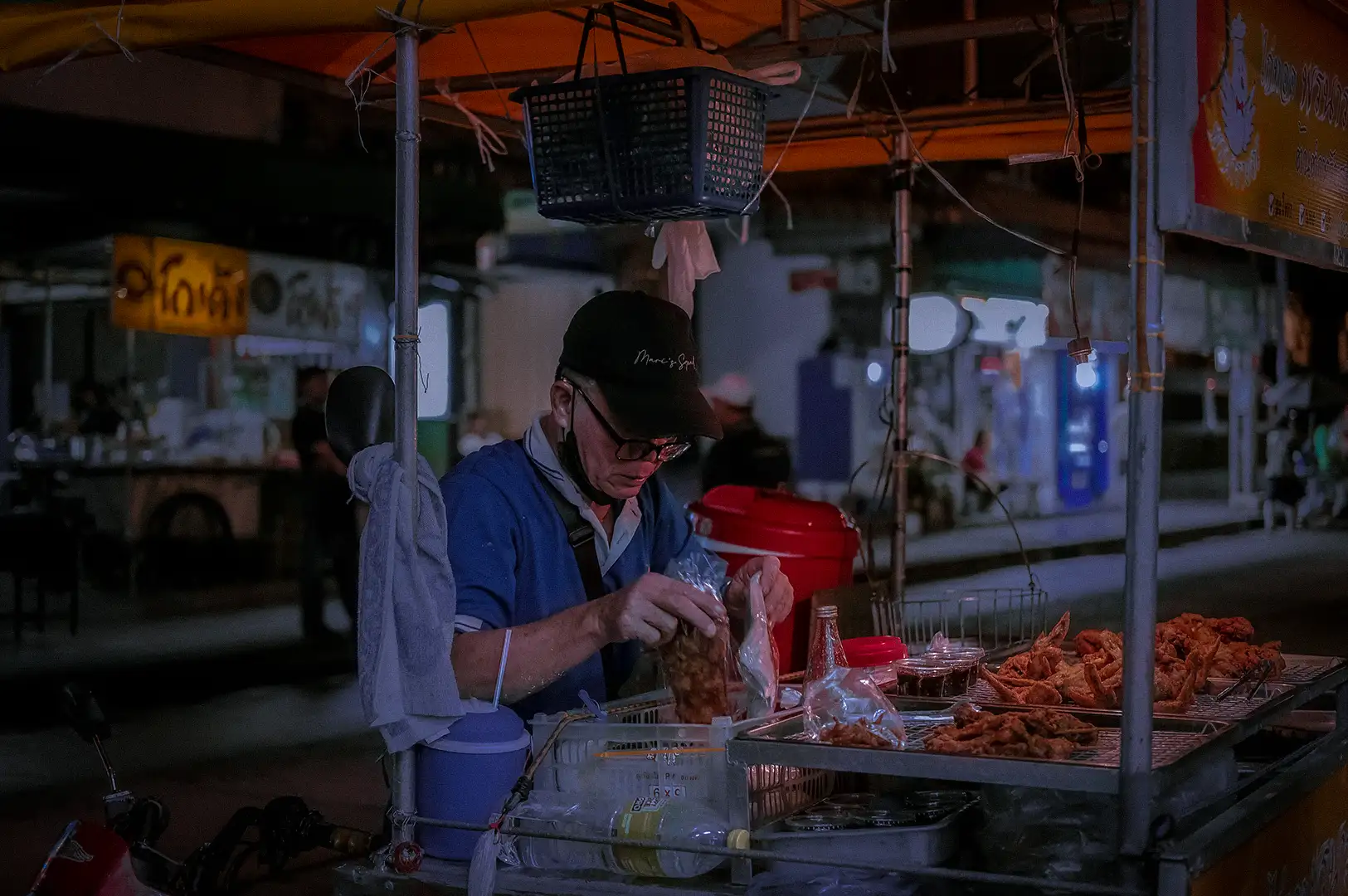
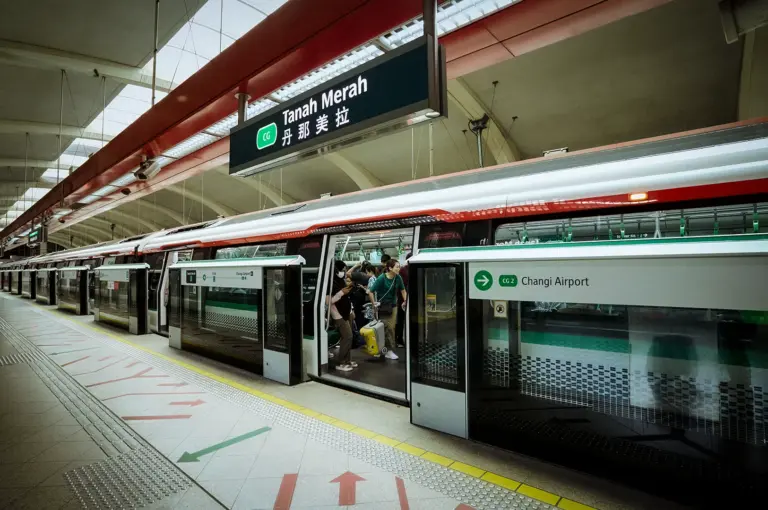
Some MRT stations seem predictable during the day.
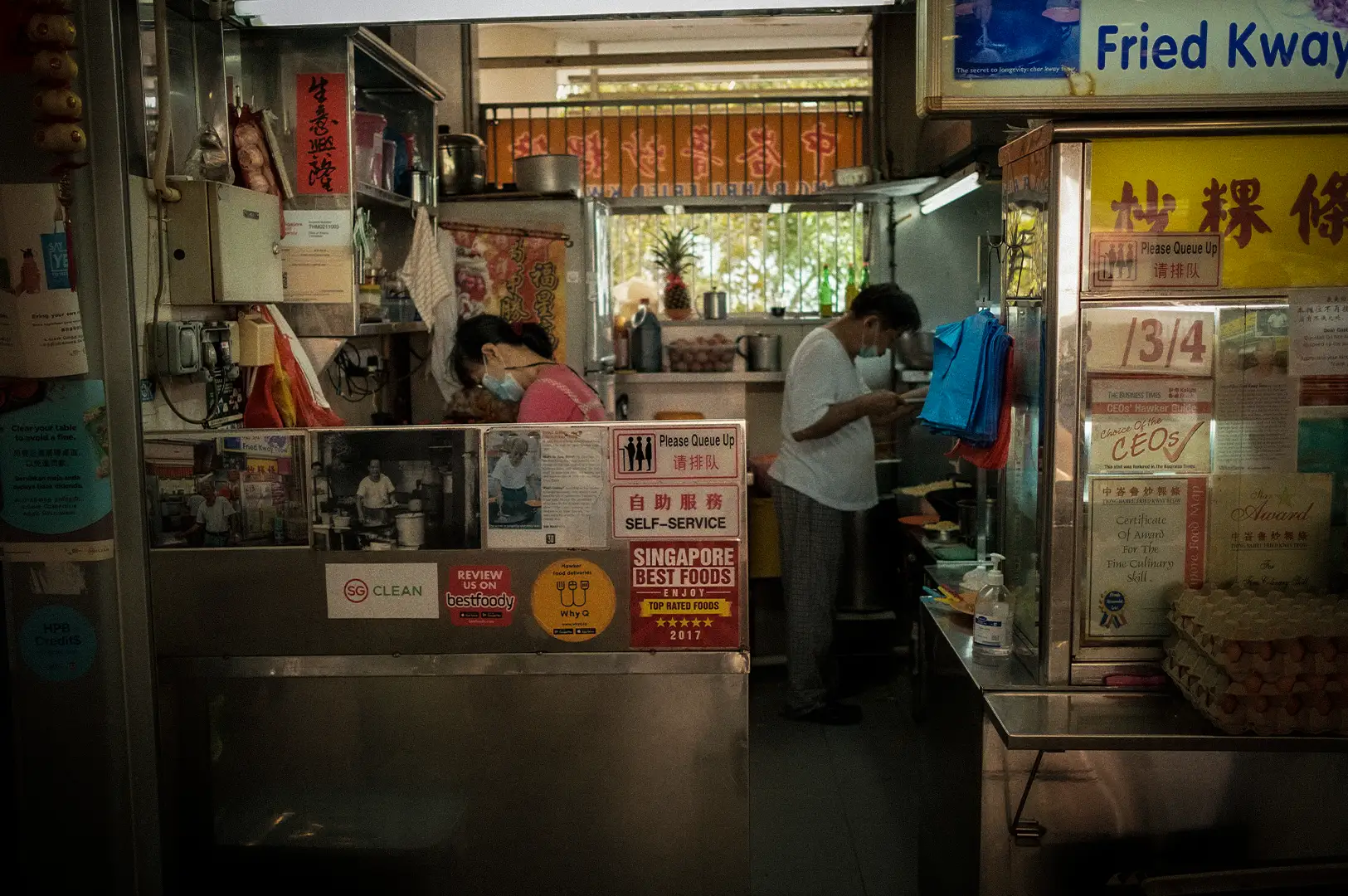
The food options are busy but orderly. Office workers move between buildings and lunch spots. Queues form and disappear with familiar timing.
Then evening arrives.
The same station begins to feel different.
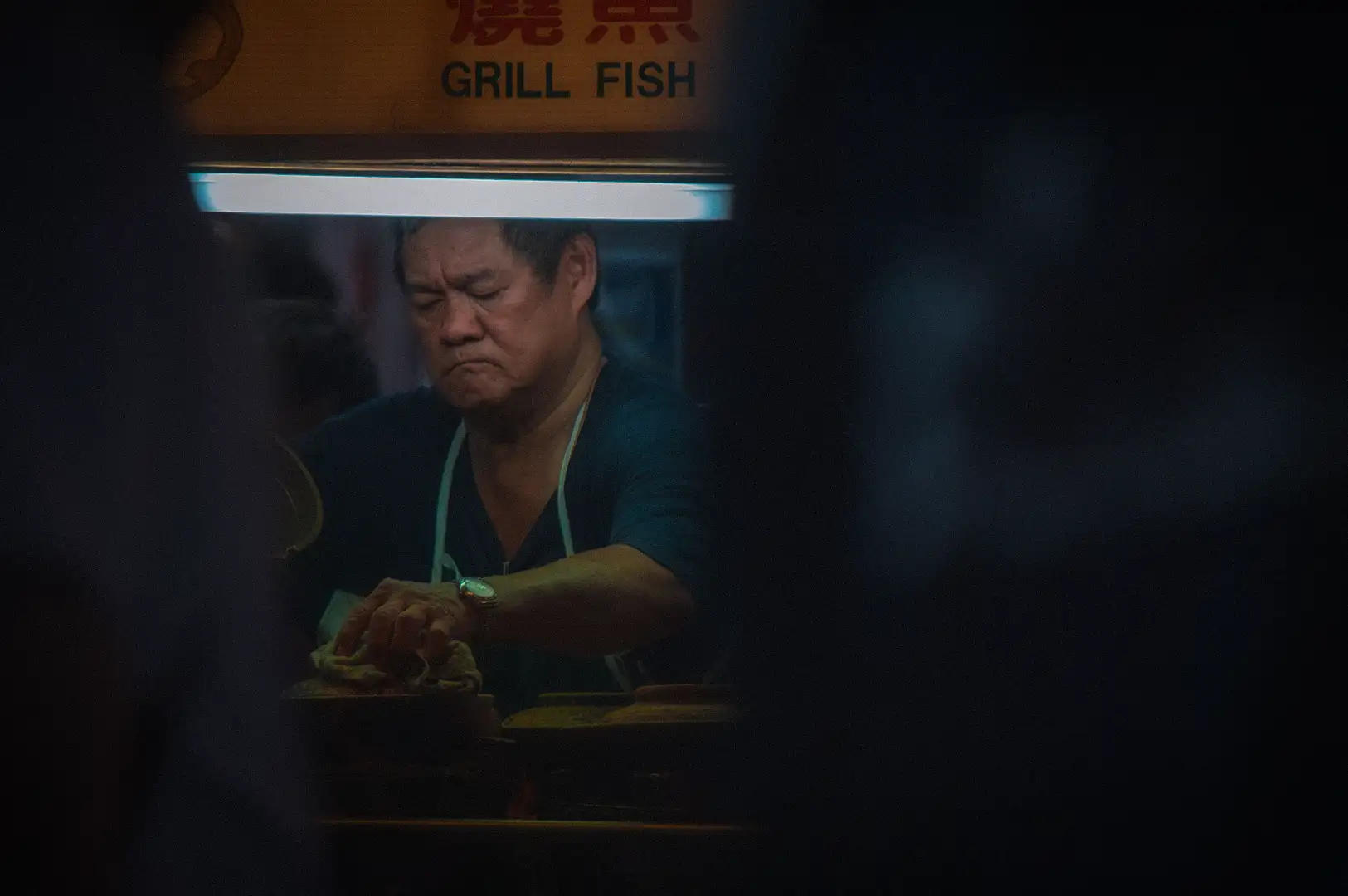
Crowds shift from office workers to residents, families, and commuters heading home. Food places that were quiet during the afternoon become active. Others that relied on lunch traffic begin to empty out.
The change is not dramatic.
But it is noticeable.
The atmosphere softens. People appear less rushed. Meals become less tied to schedules and more connected to how individuals choose to spend the rest of their evening.
Even the routes people take start to change.
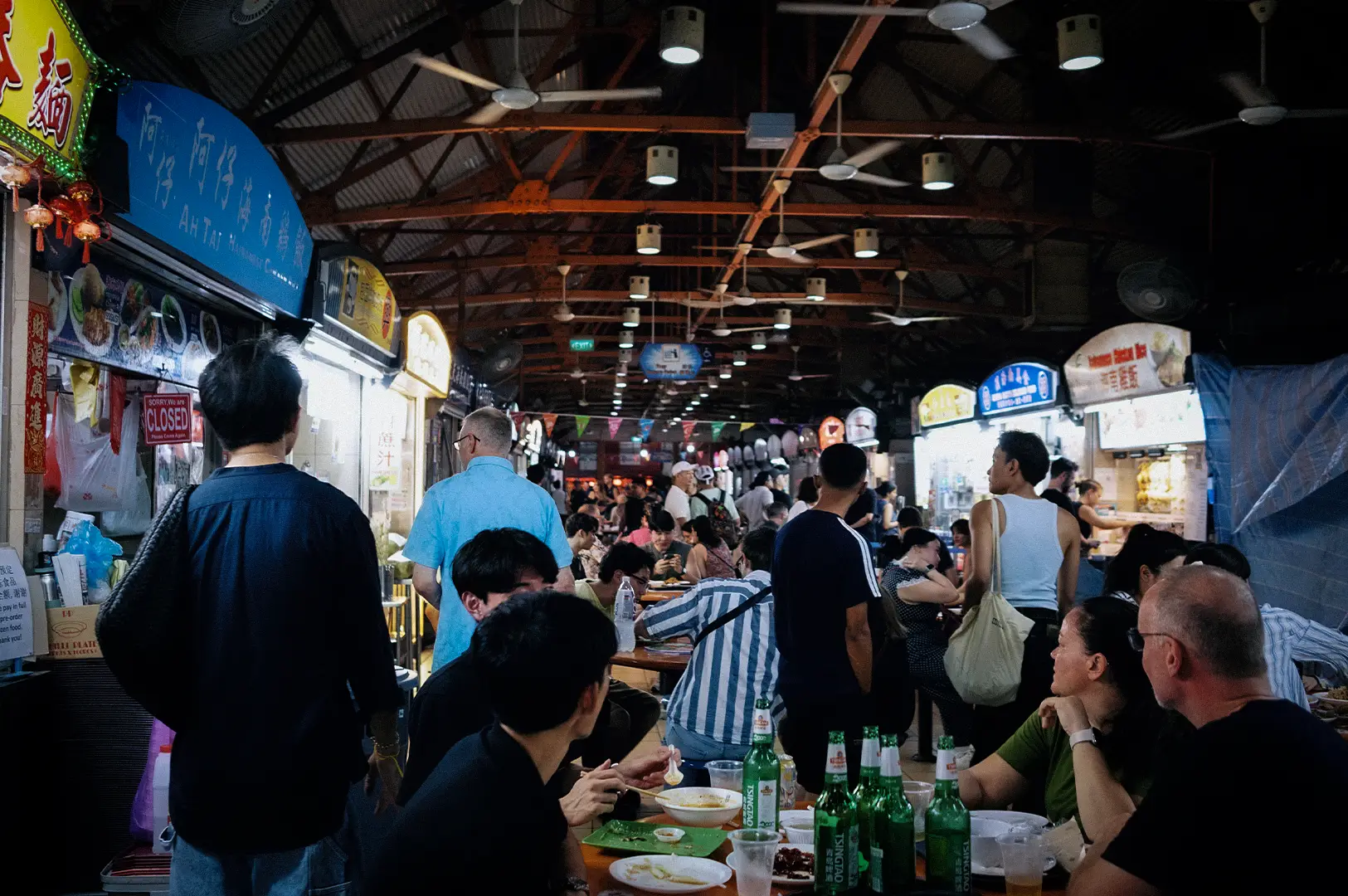
Lunch crowds often move directly toward food. Evening crowds are more likely to wander, stop, or meet others before deciding where to eat.
Across Singapore’s MRT network, some stations undergo this transformation more clearly than others.
The station remains the same.
The people — and the rhythm of eating around it — do not.