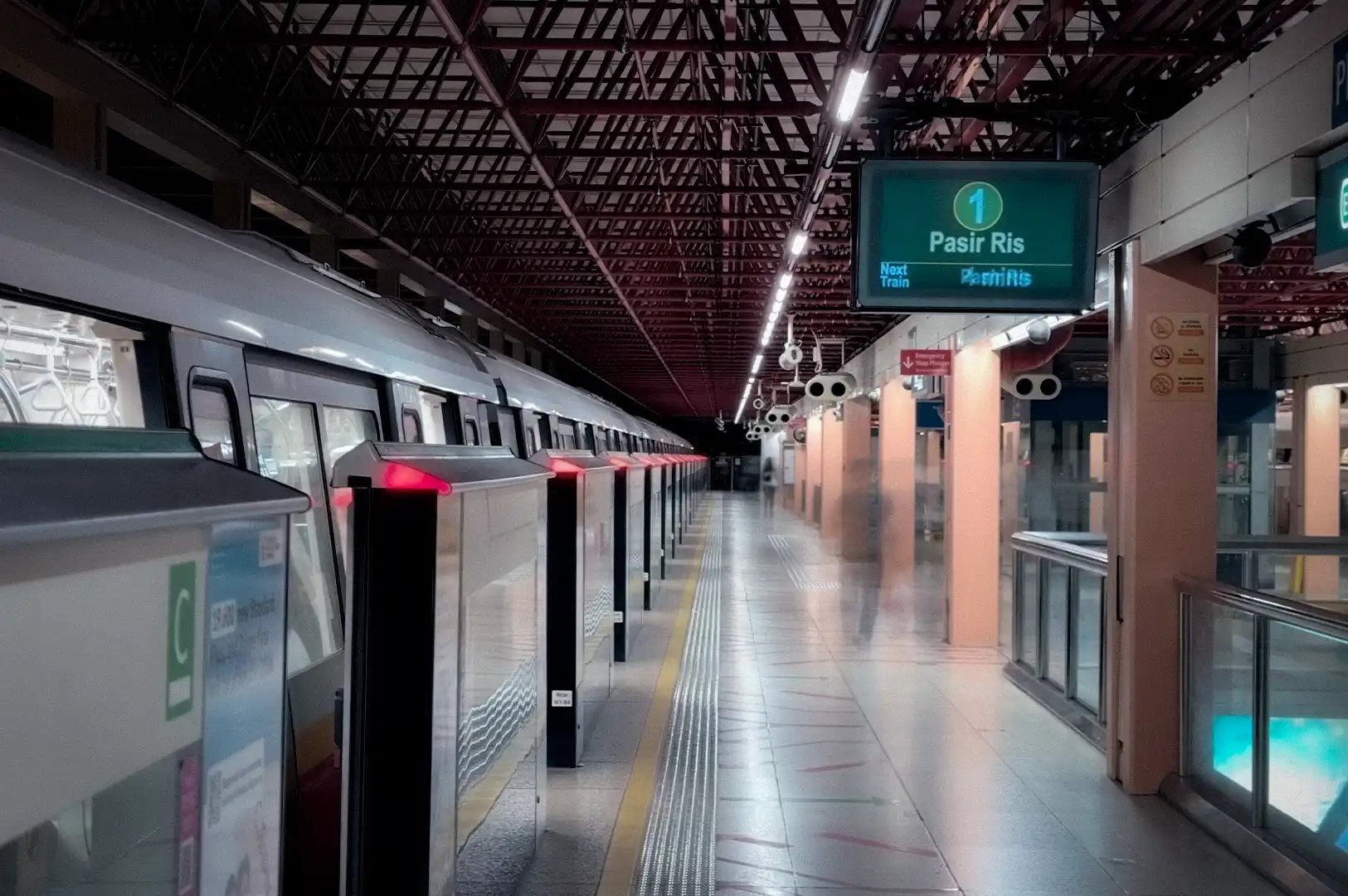
Some MRT stations are busy because people pass through them.
Others are busy because people stay.
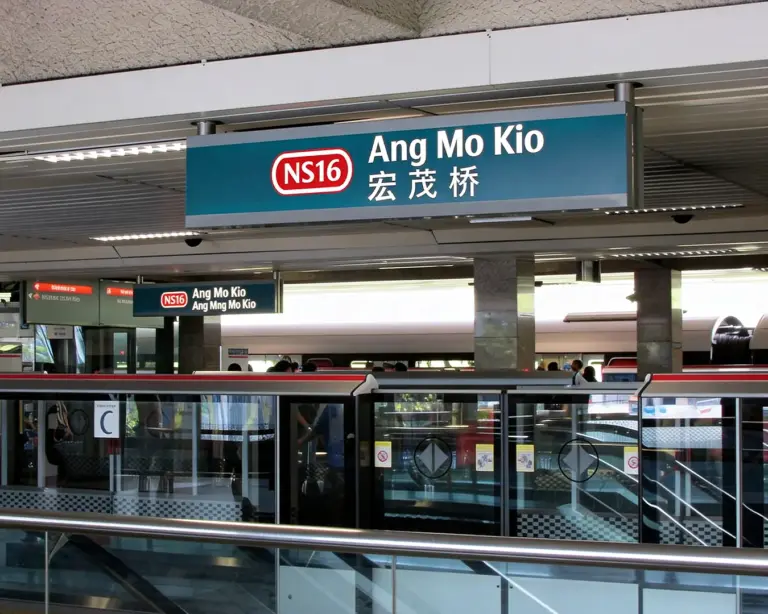
Ang Mo Kio MRT feels like the second.
Step out of the station at almost any time of day, and the movement is steady but unhurried. People aren’t just transferring or rushing to the next train. Many are already where they intend to be, heading toward familiar food spots nearby.
The options around the station are not new. They are established.
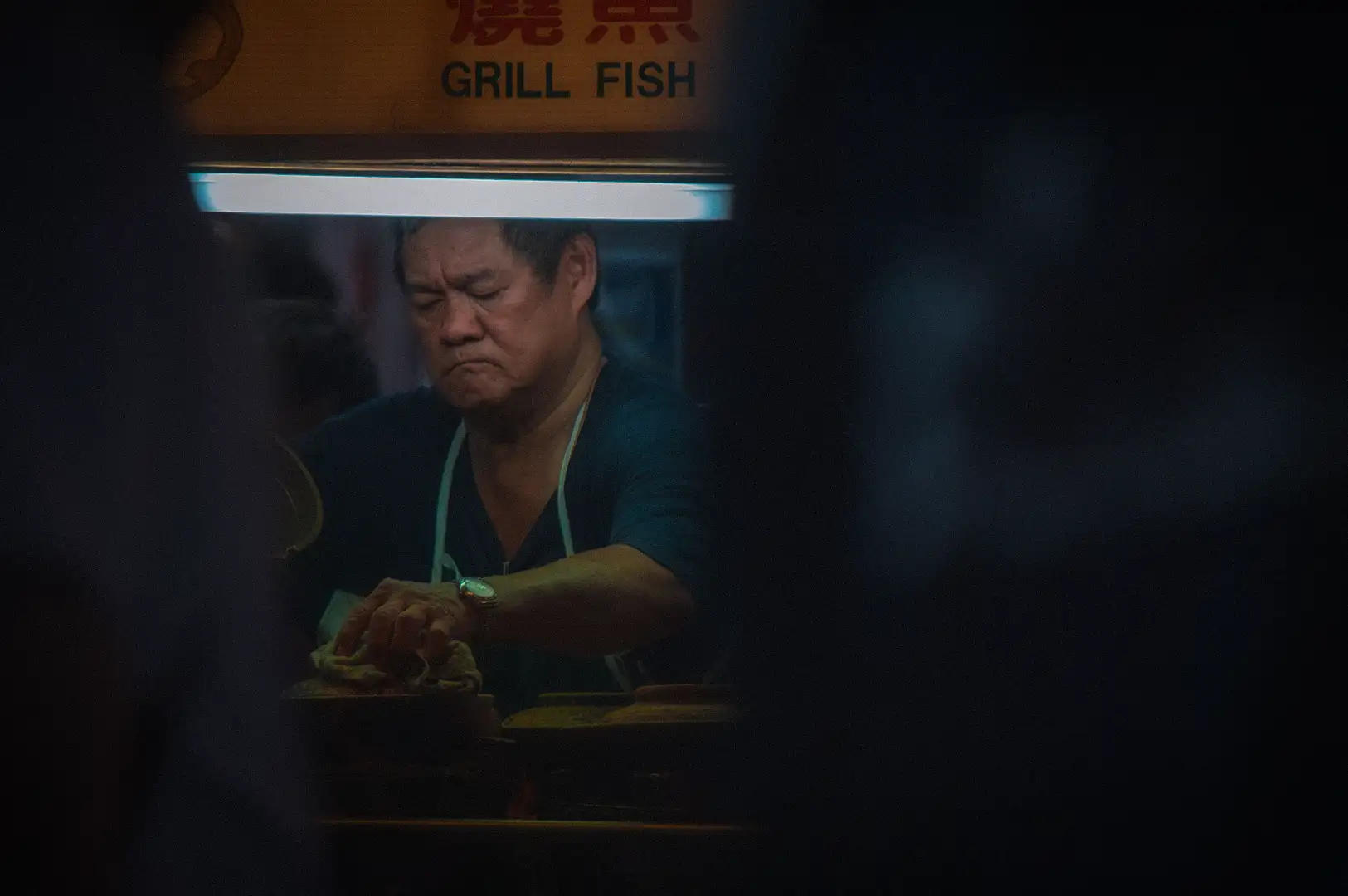
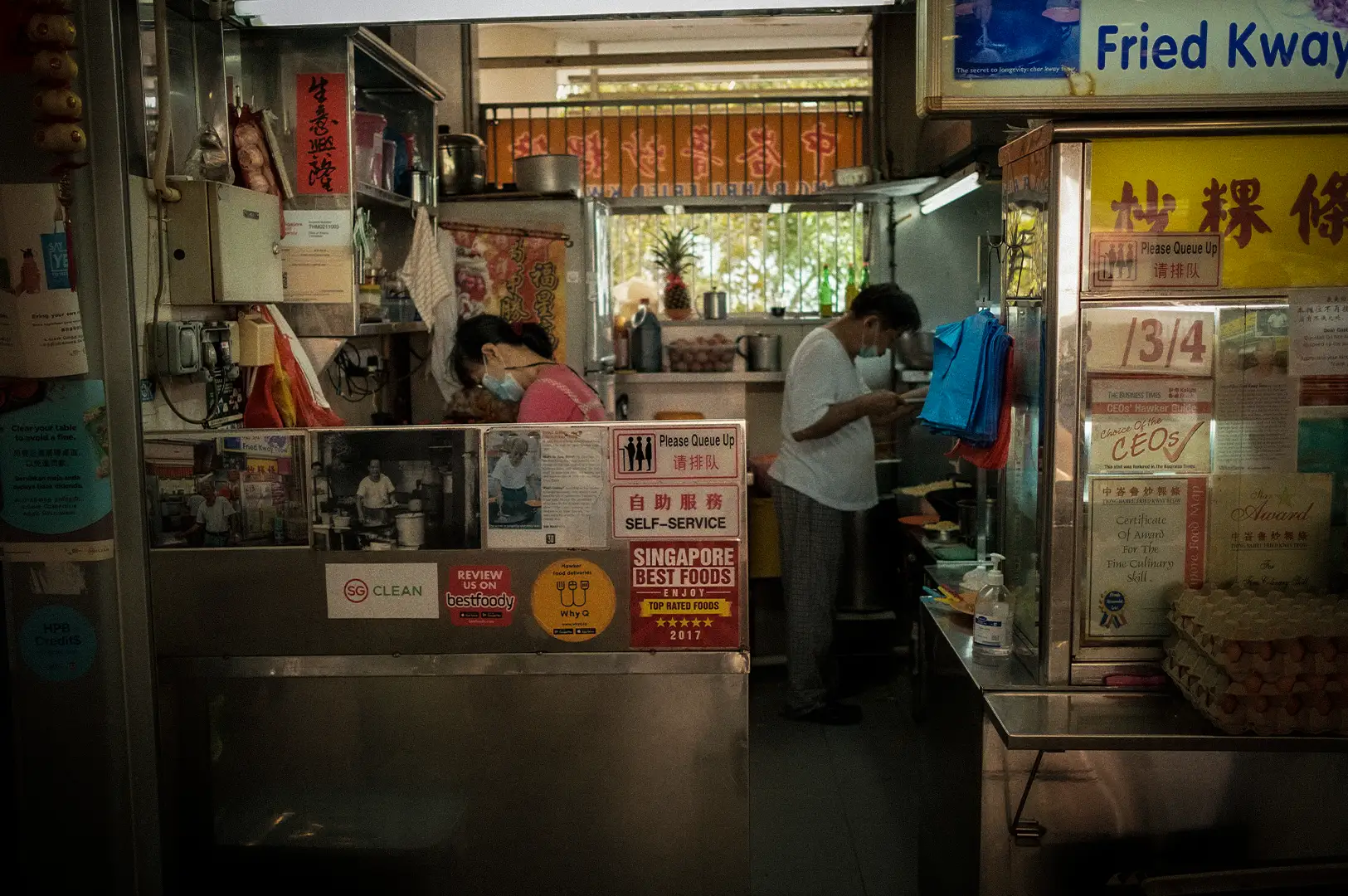
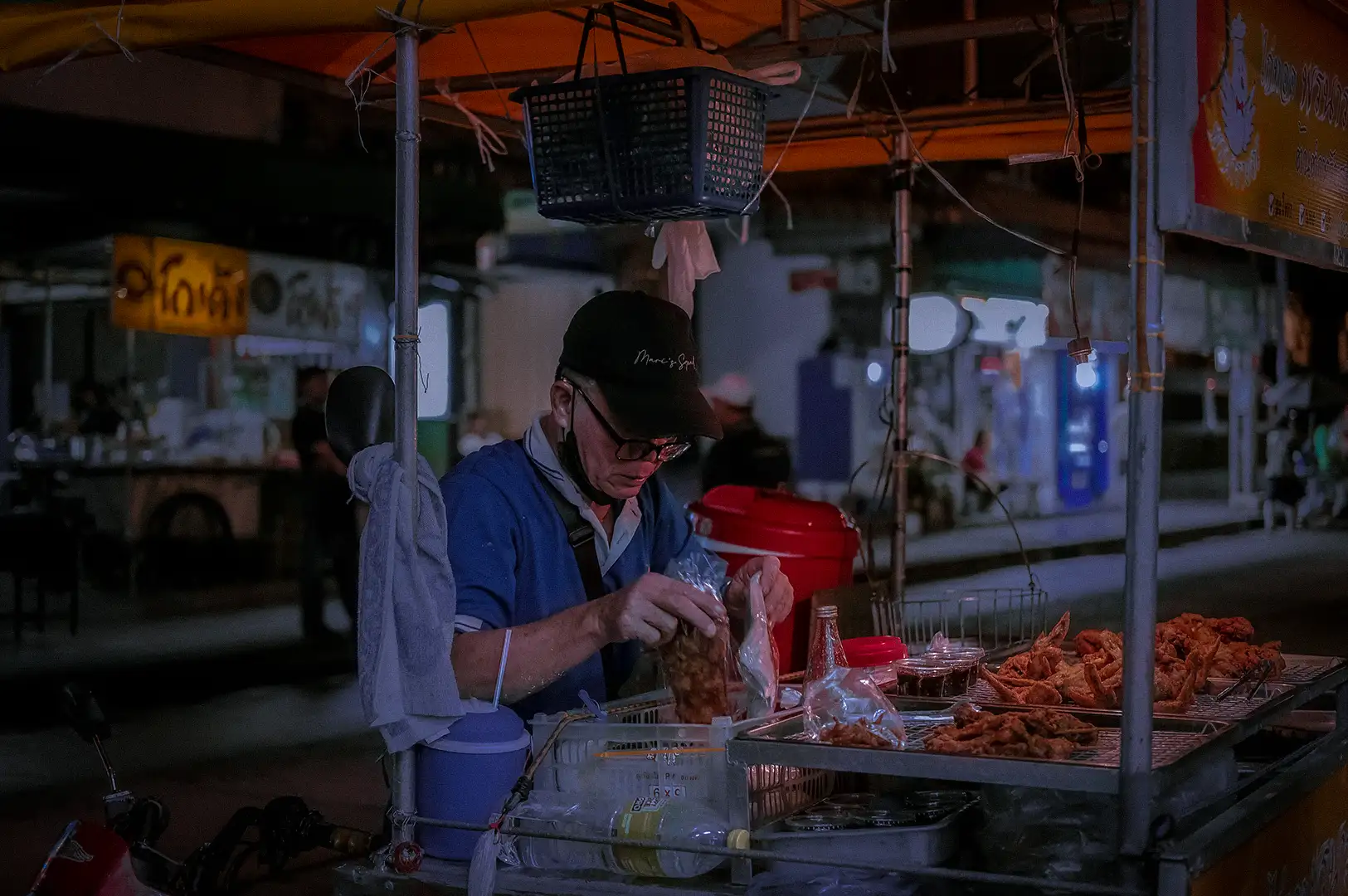
Coffee shops, hawker centres, small eateries that have been part of the neighbourhood for years. The kind of places where regulars don’t need to look at menus, and stall owners recognise returning faces.
Meals here feel routine in a different way.
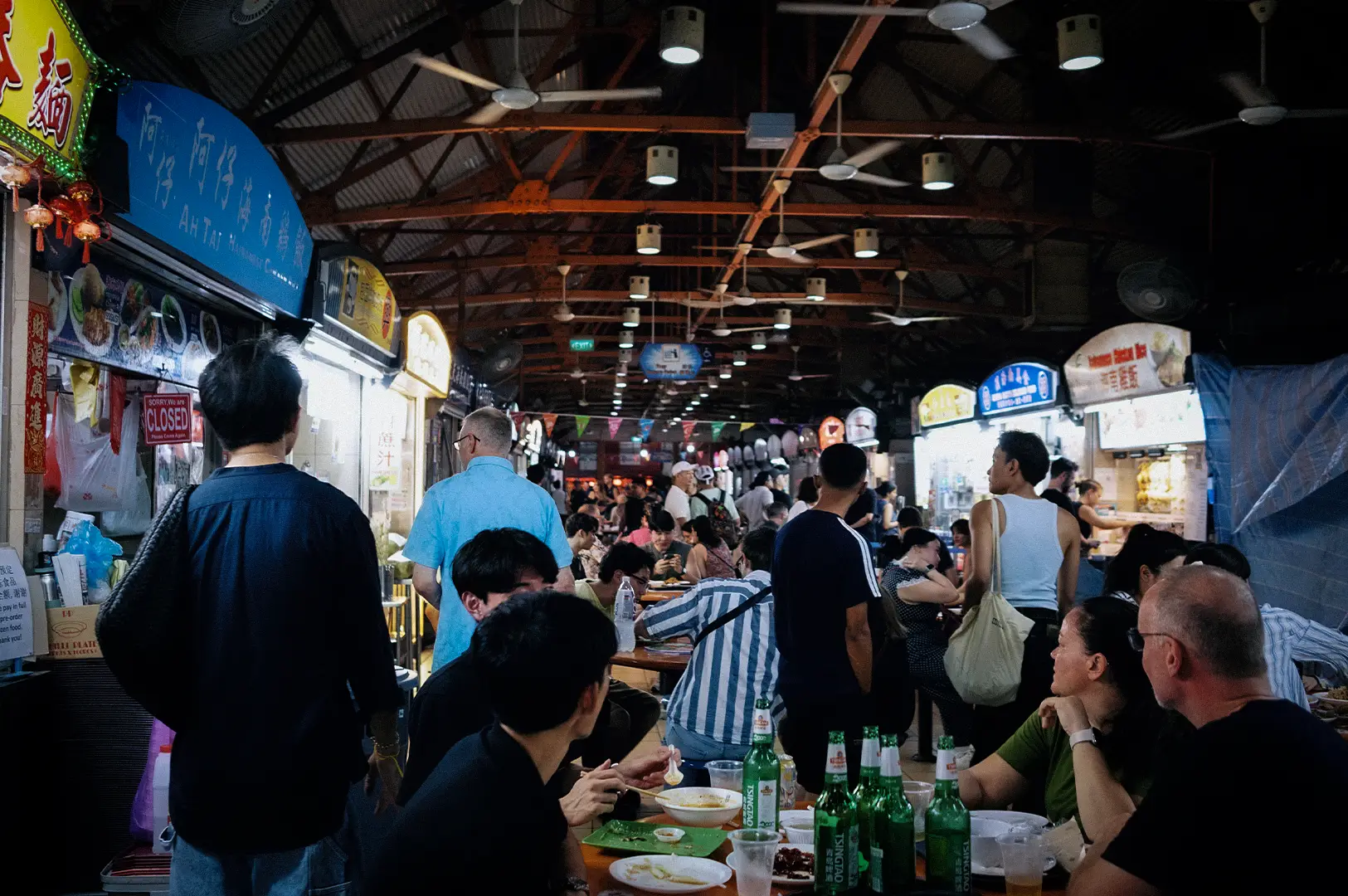
In the morning, residents stop by for kopi and simple breakfasts before starting the day. In the afternoon, the pace slows, and tables fill with quieter conversations. By evening, the area becomes active again, with people picking up takeaway dinners or sitting down for a quick meal before heading home.
What stands out is not variety, but familiarity.
Many people come back to the same stalls, ordering the same dishes. The food does not need to surprise. It only needs to be consistent.
That consistency creates a different kind of comfort.
Unlike stations in the city, where food choices often depend on time and convenience, eating near Ang Mo Kio MRT feels less rushed. Even during busier hours, the crowd moves with a rhythm that suggests people know exactly where they are going.
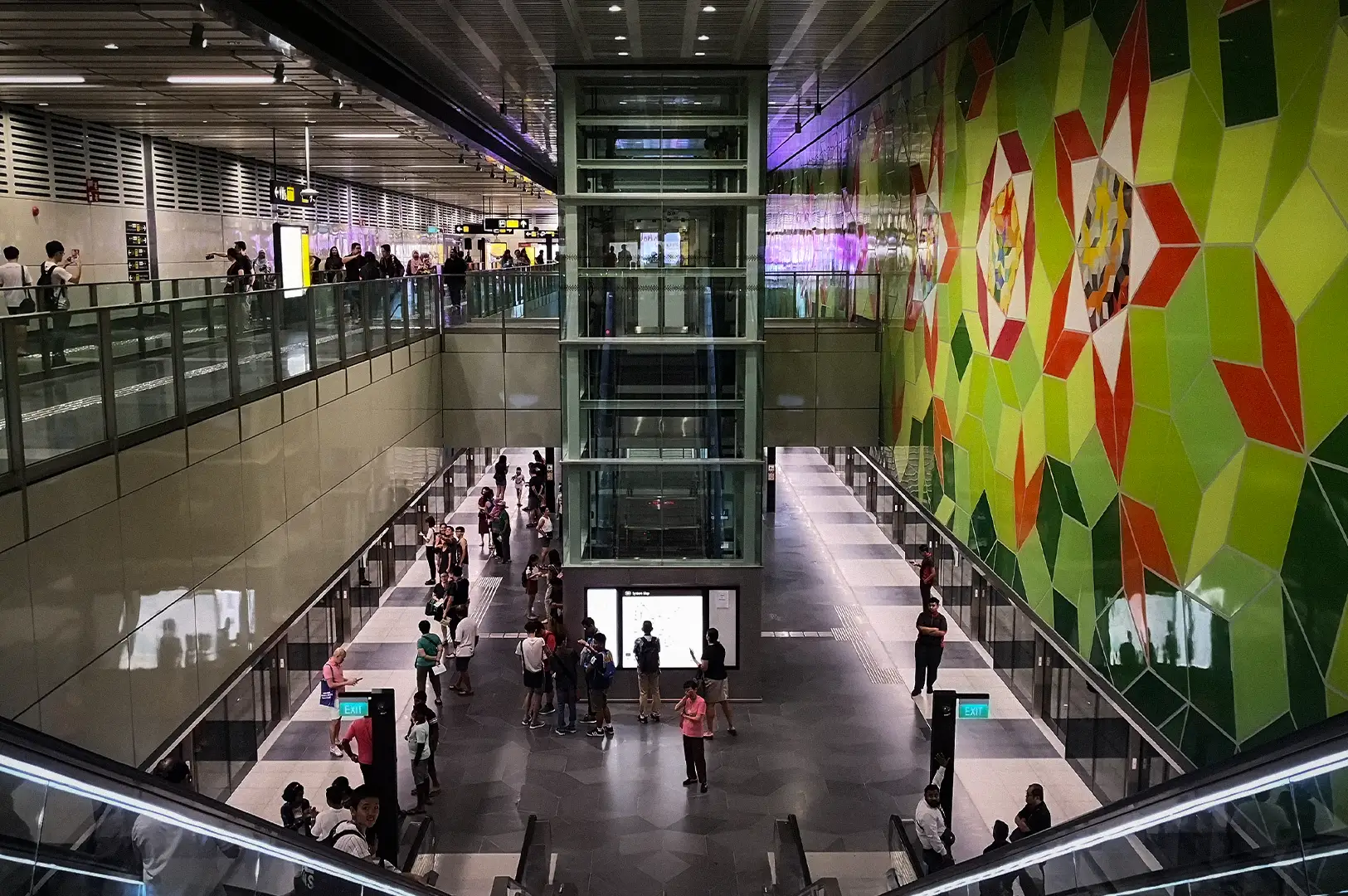
The station is not just a point of transit.
It is part of the neighbourhood’s daily routine.
Some MRT stations are remembered for what they offer.
Others are remembered for how they feel to return to.