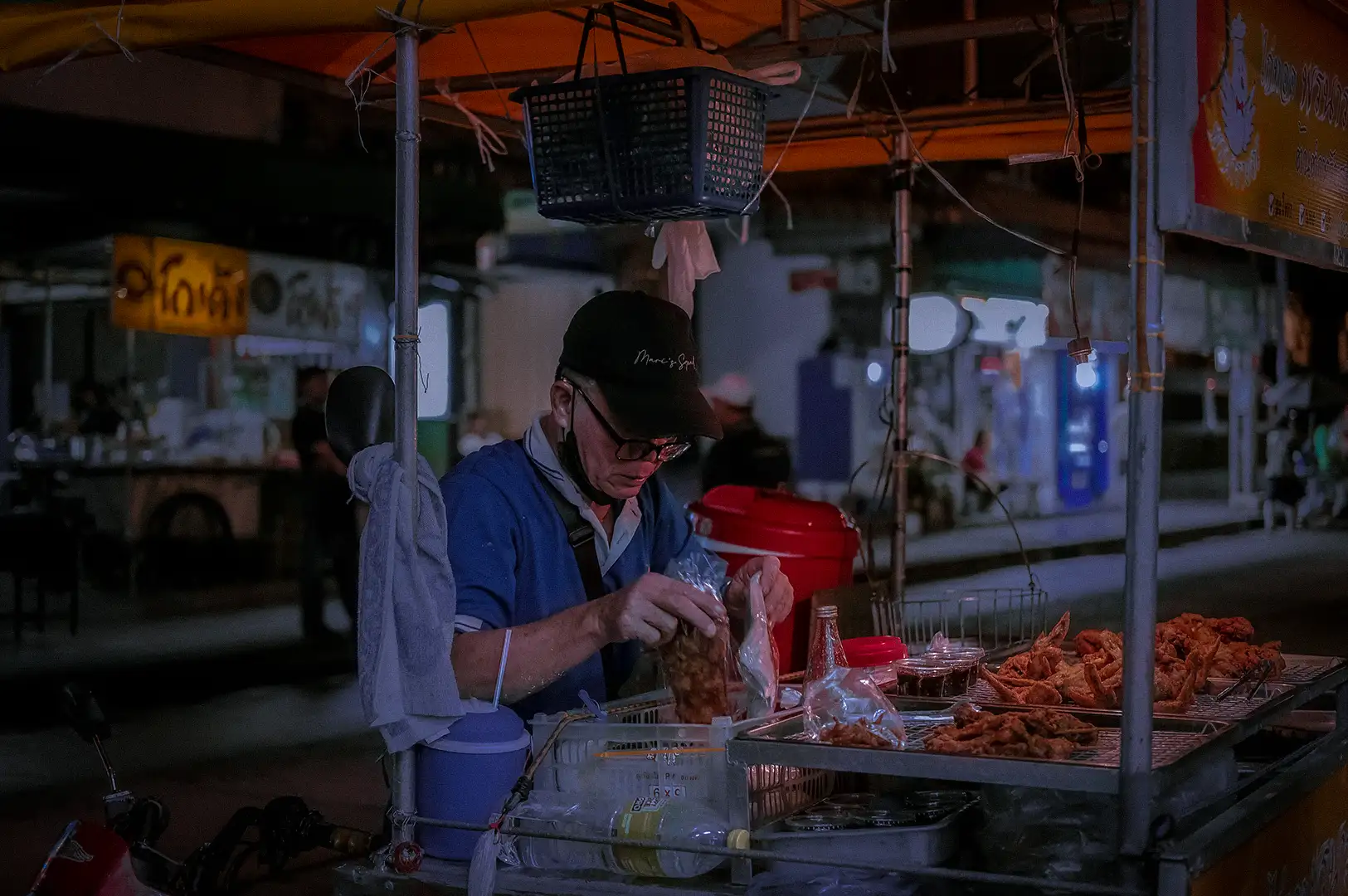

Breakfast near MRT stations tends to follow a consistent pattern.
Most commuters are working within a limited timeframe. The goal is not to explore options, but to complete the meal efficiently before continuing the journey.
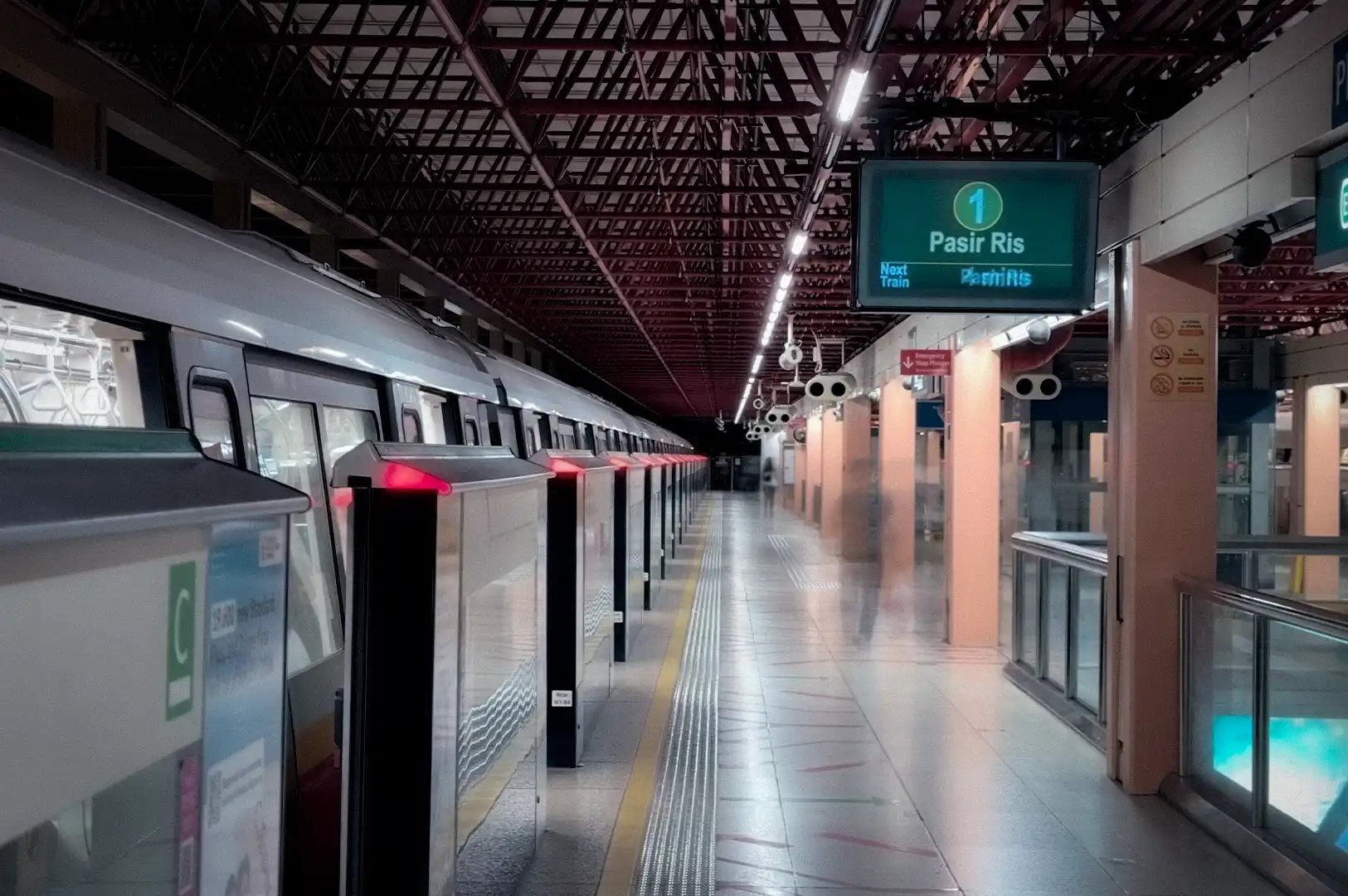
At certain stations, this pattern becomes more visible.
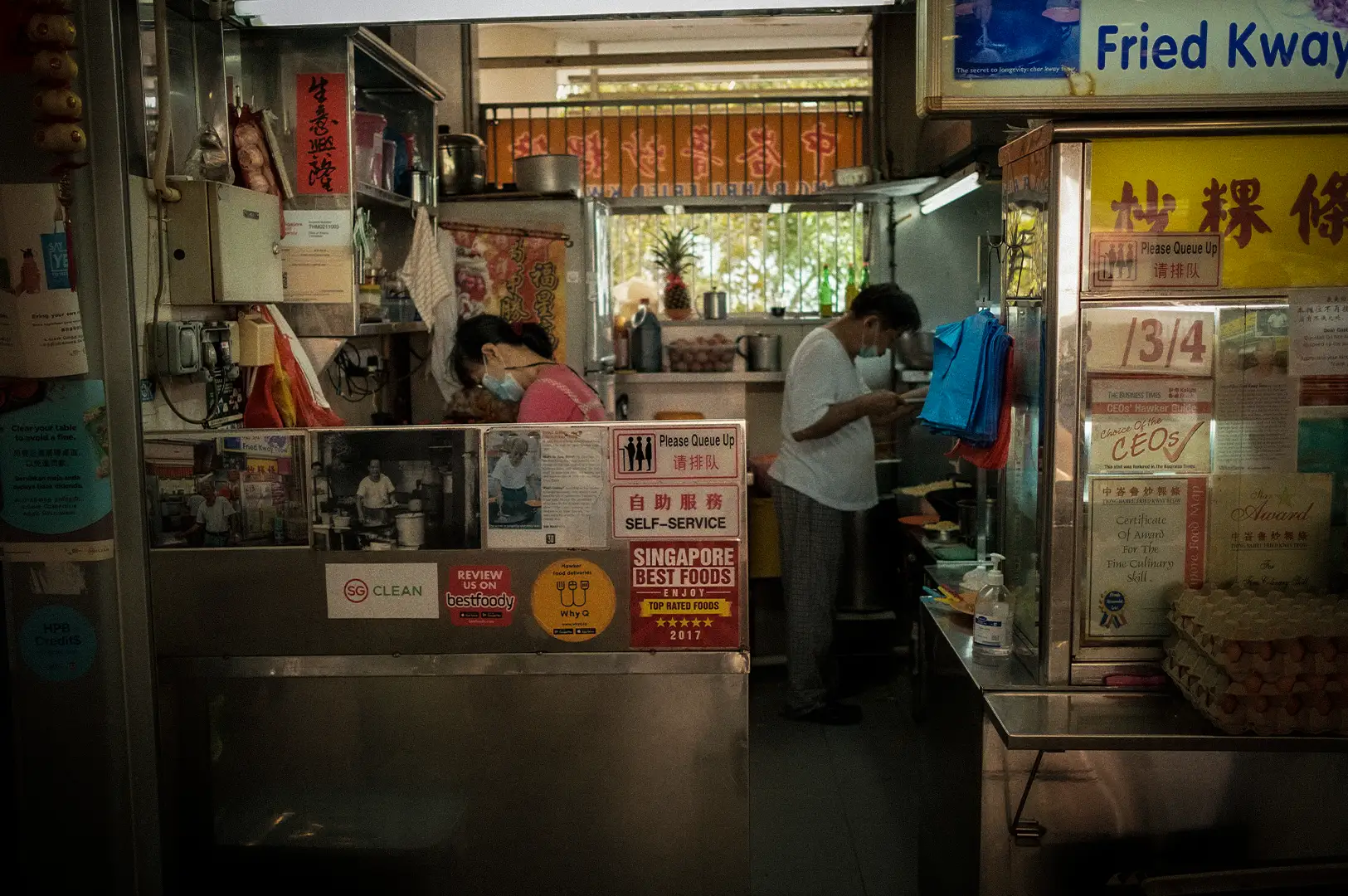
Coffee shops and small breakfast stalls located near MRT exits receive steady morning traffic. Orders are simple, kopi, toast, eggs, or takeaway items that can be consumed quickly.
Decisions are rarely delayed.
Commuters often head directly to the same stall each morning. The process is familiar, and the outcome is predictable. This reduces the time needed to choose and allows for a faster transition between eating and commuting.
Queue behaviour reflects this.
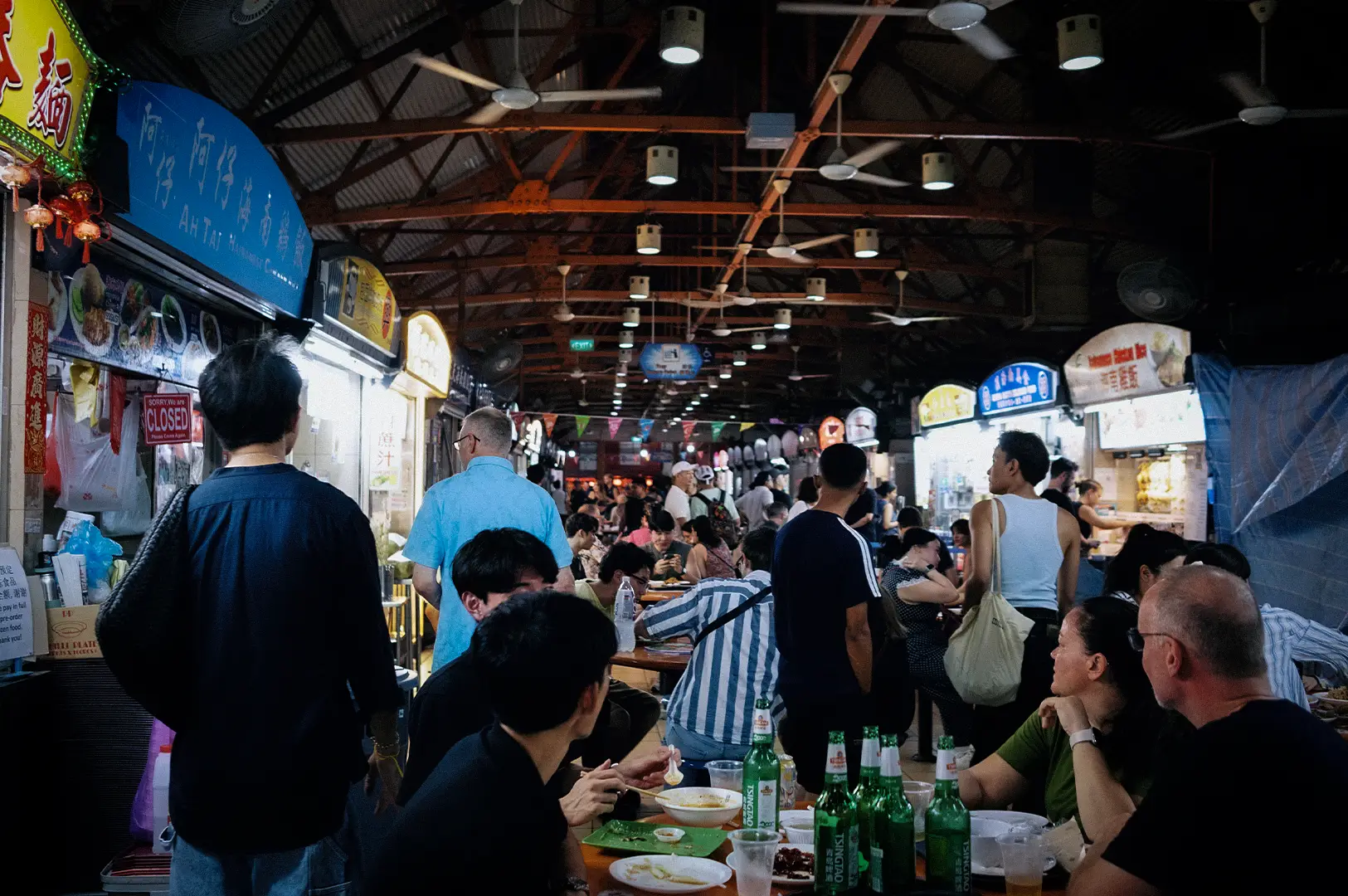
Lines form early but move quickly. Orders are standardised, and transactions are efficient. Seating turnover is high, with many customers finishing their meals within a short period.
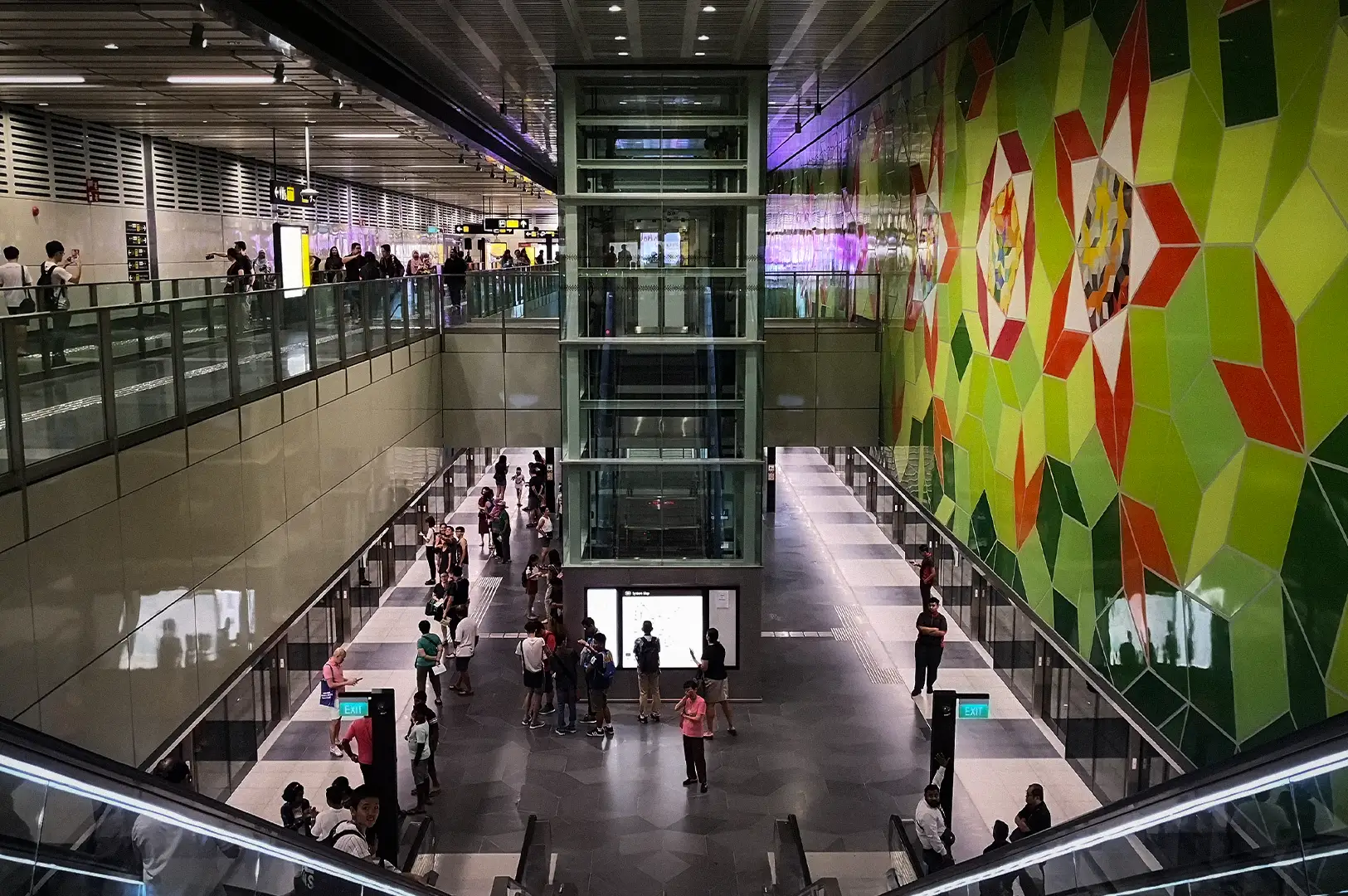
The layout of the station supports this flow.
Food options that are closest to the exits or along the main commuter path receive the highest volume. More distant options tend to serve those with slightly more time or different routines.
Across the MRT network, breakfast is less about variety and more about consistency.
The same stations, the same stalls, and the same orders repeat each morning.
It is a routine built around reliability.