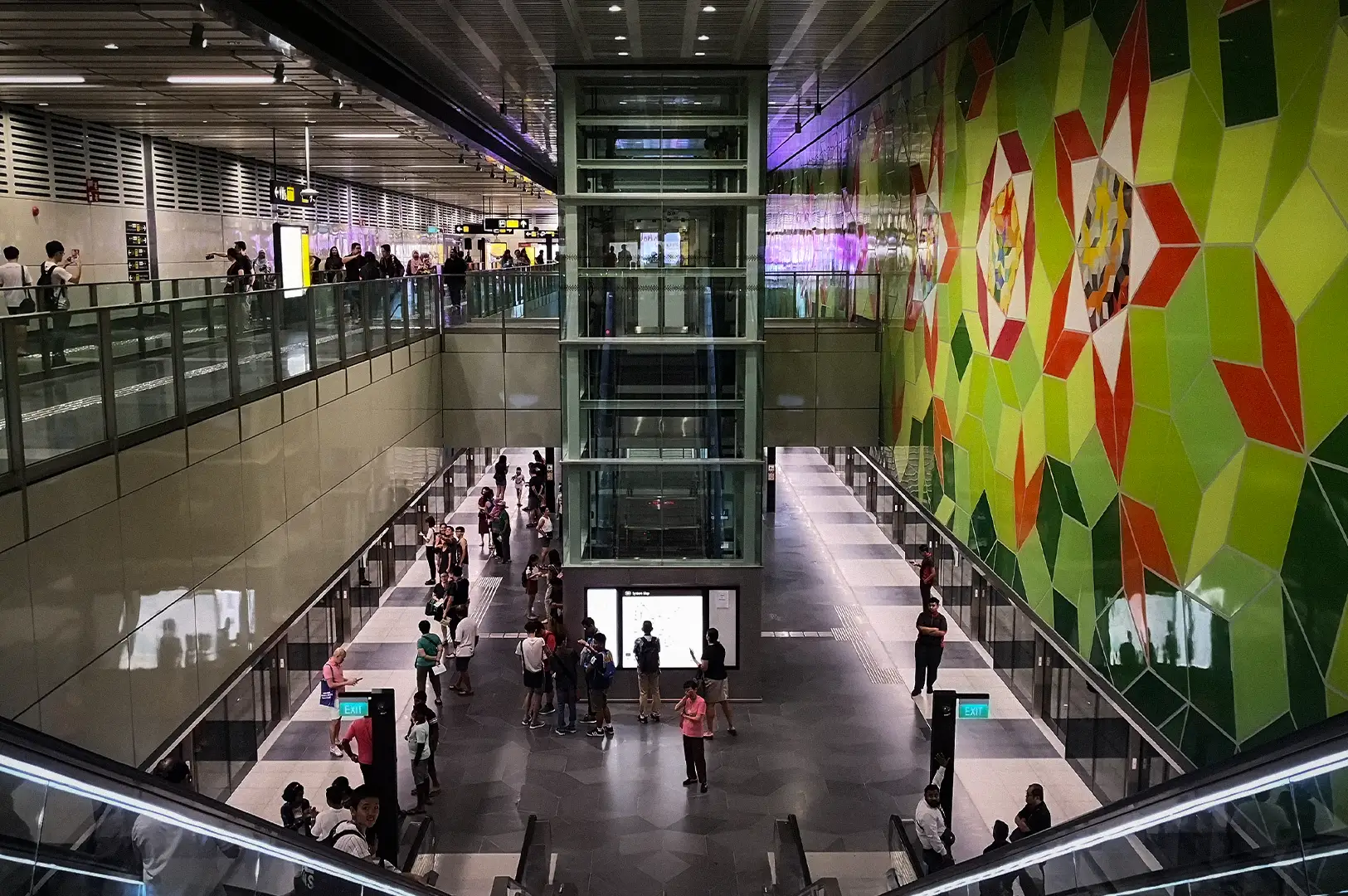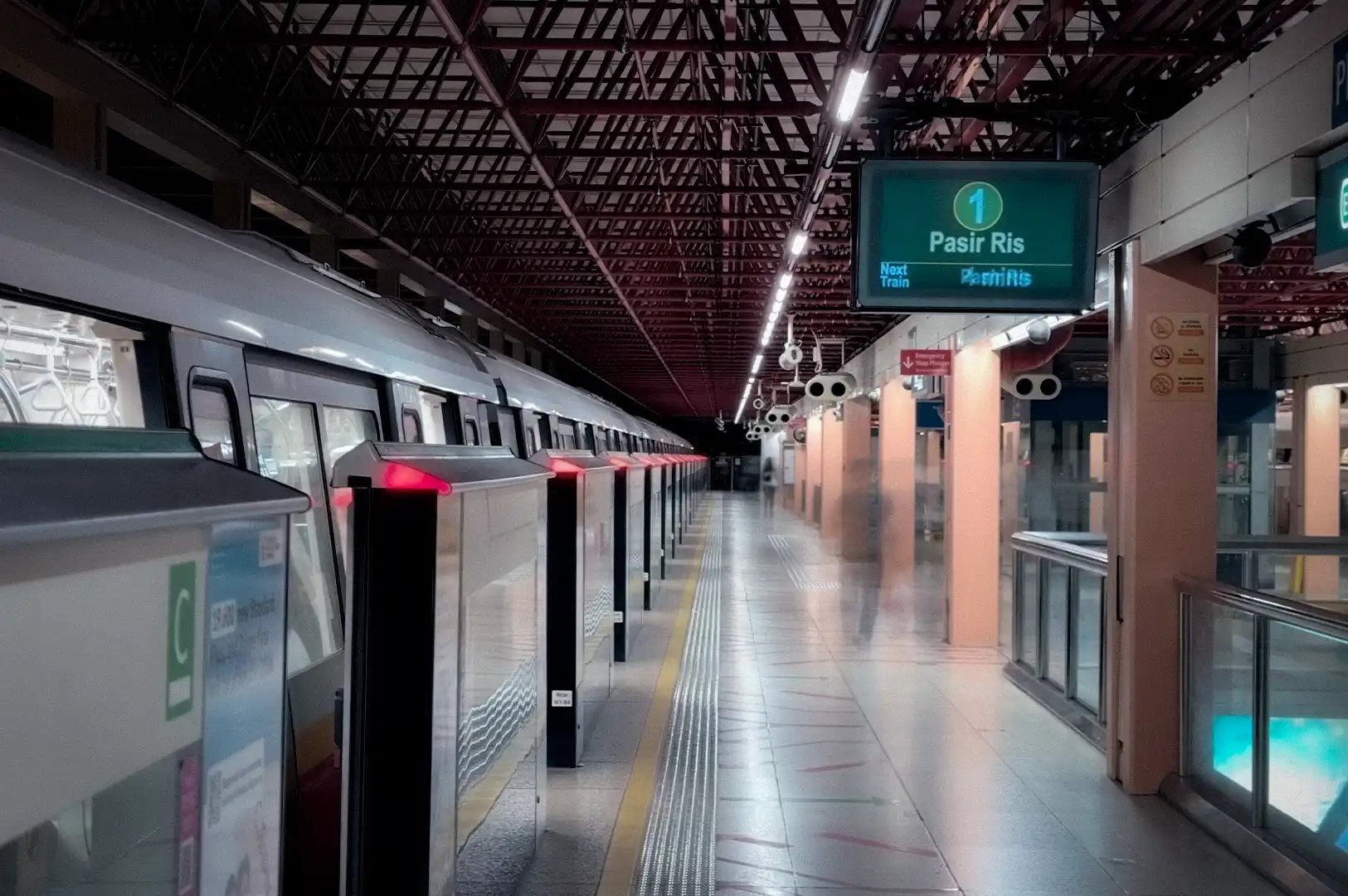
Some MRT stations do not appear crowded at first glance.
The platforms may not feel packed, and the exits may not be congested. But once you step outside, the activity becomes more noticeable.
The busyness is not concentrated.
It is spread out.
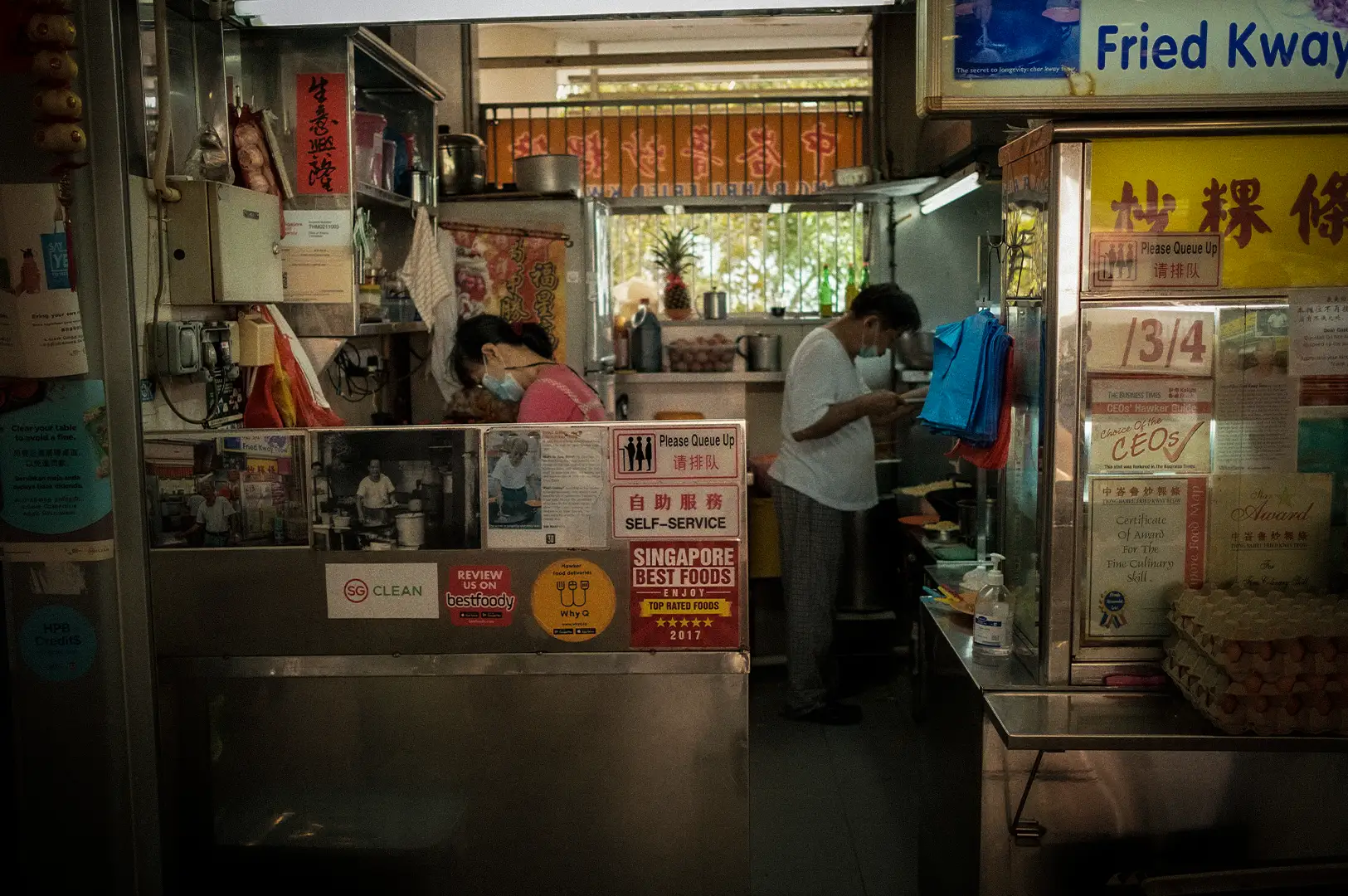
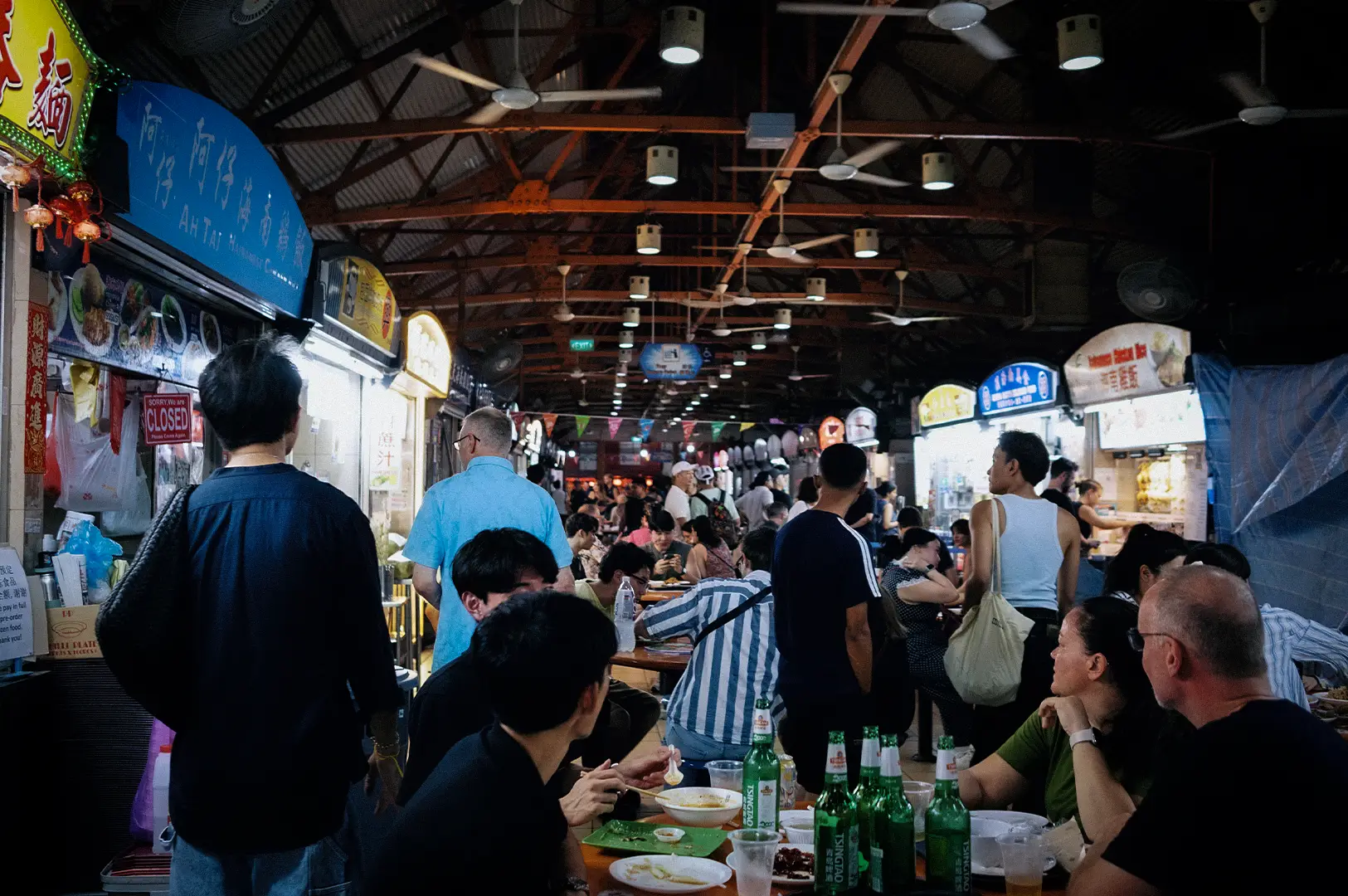
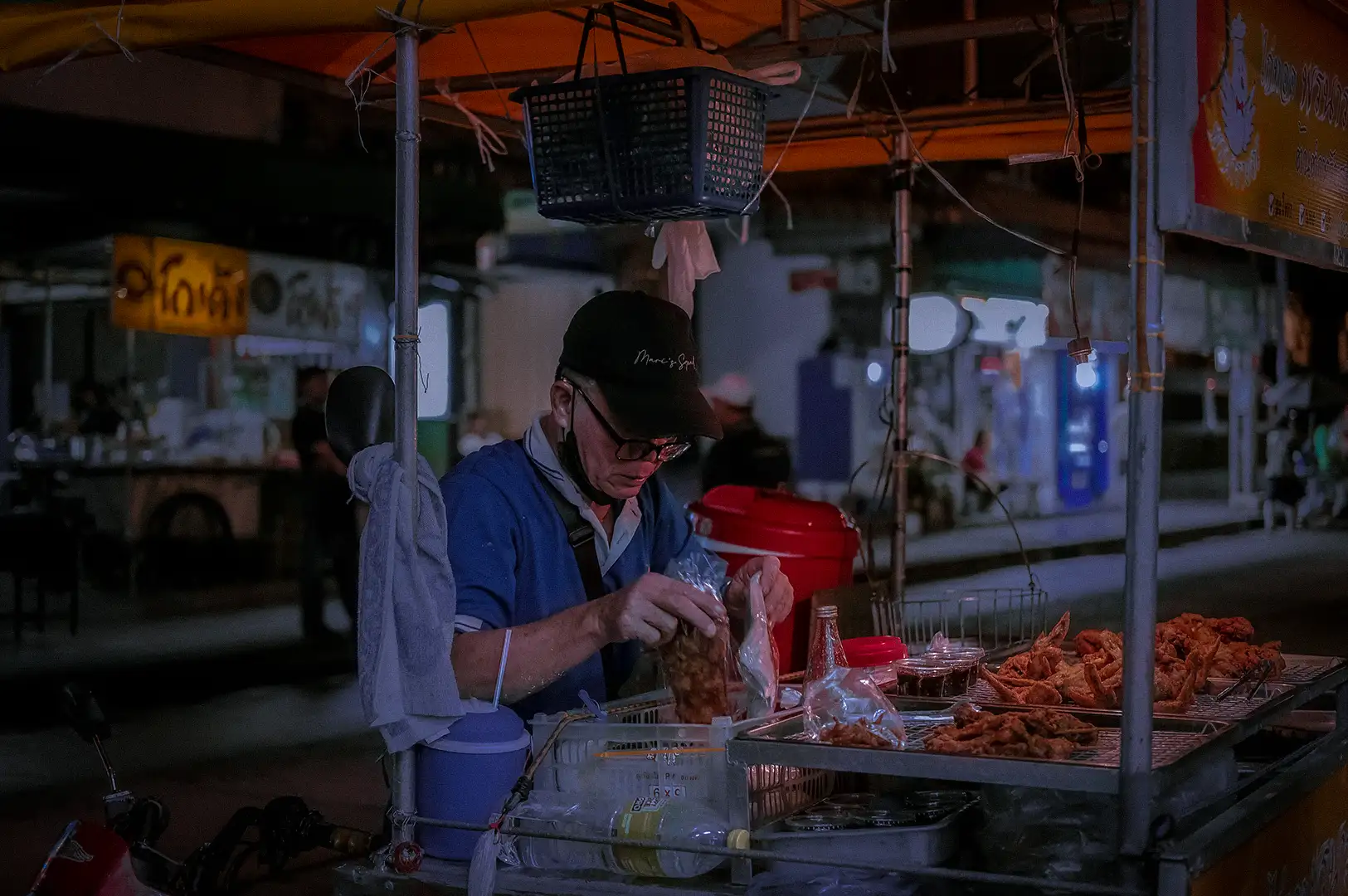
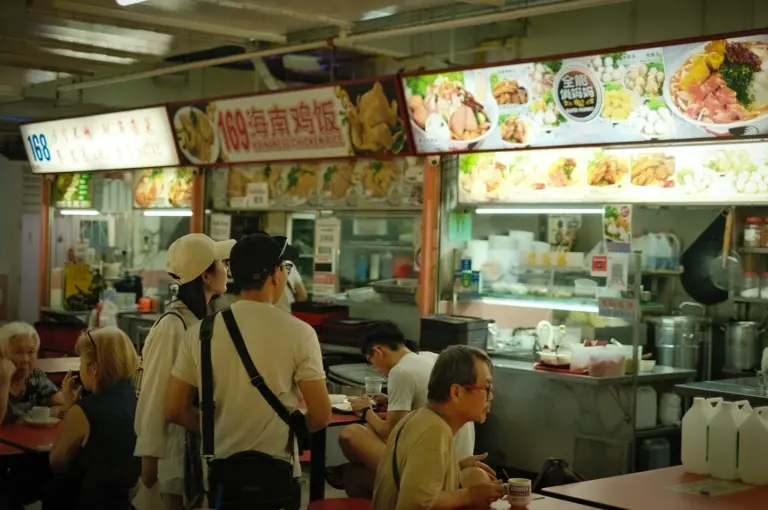
Instead of a single crowded food area, there are multiple smaller clusters. Coffee shops along side streets. Hawker centres a short walk away. Small eateries integrated into nearby buildings.
Each location holds part of the crowd.
This creates a different kind of movement.
People disperse quickly after exiting the station. Instead of forming long queues in one place, they spread across several options. The result is steady activity across a wider area rather than visible congestion.
Food patterns reflect this.
Queues are shorter, but more consistent. Seating is available, but turnover remains steady. The pace is active, but not intense.
These stations are easy to underestimate.
They do not show obvious signs of high demand, but they support a large number of daily meals through distribution rather than concentration.
Across the MRT network, this pattern appears more often than expected.
Not all busy stations look busy.