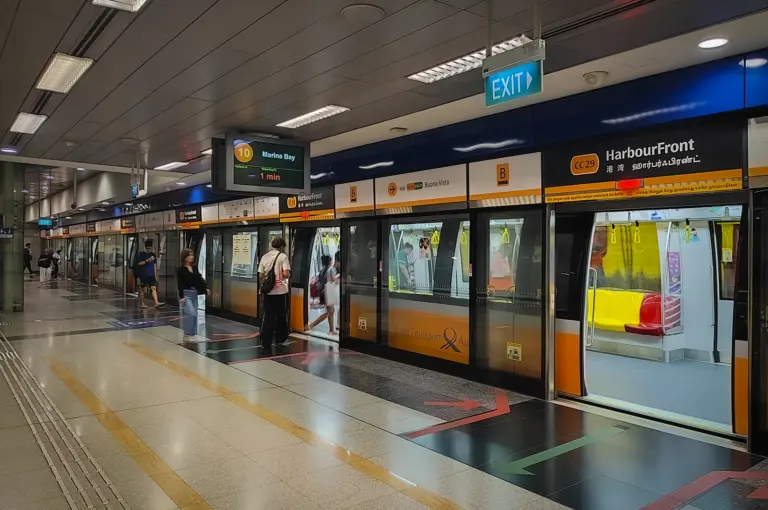
The Circle Line functions as a vital component of Singapore’s public transport network, managed by the Land Transport Authority. While other MRT lines prioritize direct transit for daily workers, the Circle Line serves a unique role as a dining-focused route. Compared to the North East Line or the Downtown Line, the Circle Line CCL provides direct access to diverse, destination-based food hubs. Commuters frequently use this line to travel intentionally for specific meals rather than eating out of mere proximity to their workplaces.
This guide outlines four key food destinations along the Circle Line. By organizing travel around these specific MRT stations, passengers can navigate from traditional hawker centres to modern lifestyle dining belts. The following sections detail the locations, food offerings, and price ranges to facilitate efficient food planning across the network.
Understanding the Circle Line Stage as a Destination-Based Dining Route
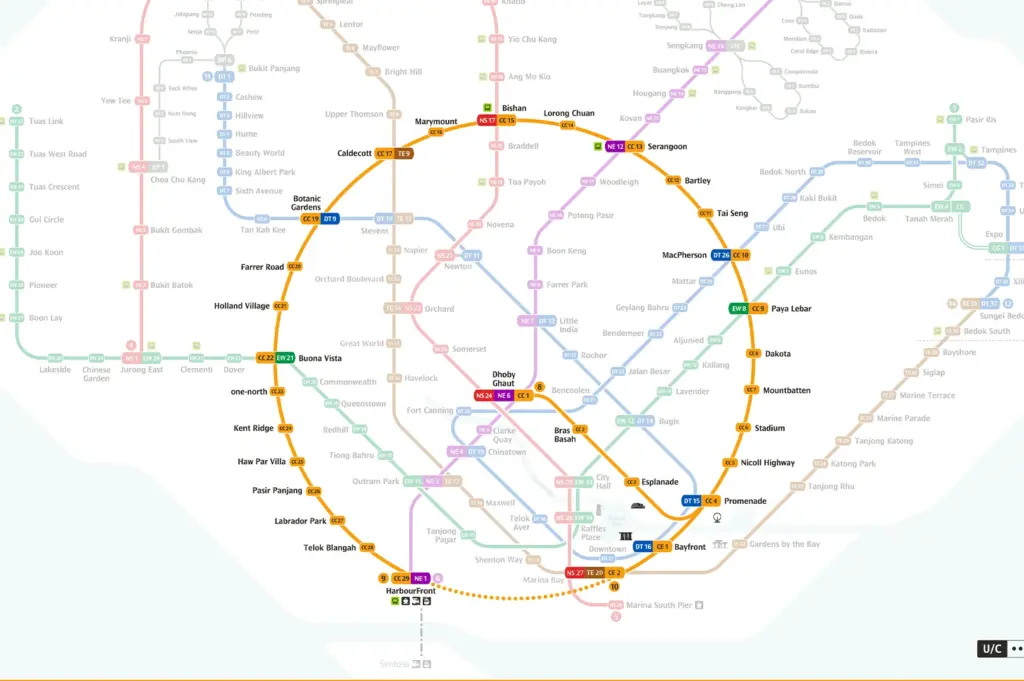
The Circle Line CCL operates as an orbital route linking all major rail arteries and key interchanges across the north, east, south, and west of Singapore. Its infrastructure supports a different transit behavior compared to linear train services. The line is less commuter-focused and heavily lifestyle-driven. Passengers actively use the entire CCL to decide where to spend their weekends or evenings, making it a primary transport option for food exploration.
Rather than settling for the closest available meal, diners utilize the connectivity of the Circle Line to access specialized food clusters. The loop design allows passengers from the north, south, east, and west to converge on central dining hubs. From the initial opening of the first Circle Line stage to the operations of the current underground stations, the focus has remained on connecting residential zones to key lifestyle districts.
Key Food Destinations at Circle Line MRT Stations
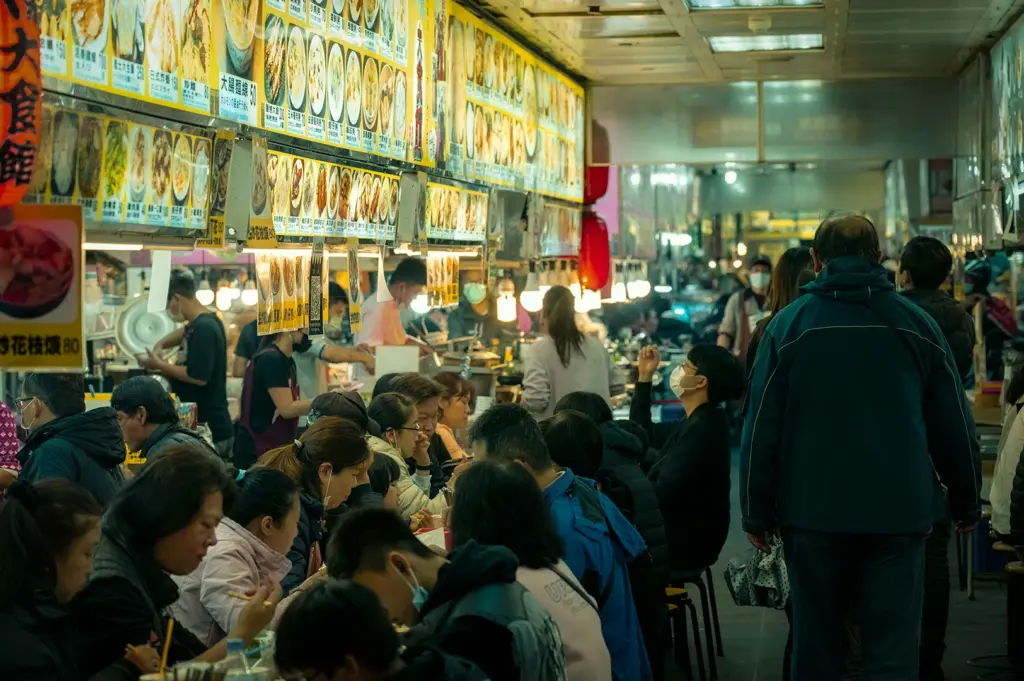
The network features multiple stations that serve as primary dining destinations. This MRT foodie guide focuses on four key locations that represent the most prominent food clusters accessible via the Circle Line.
1. Dakota MRT: Nam Sing Hokkien Fried Mee
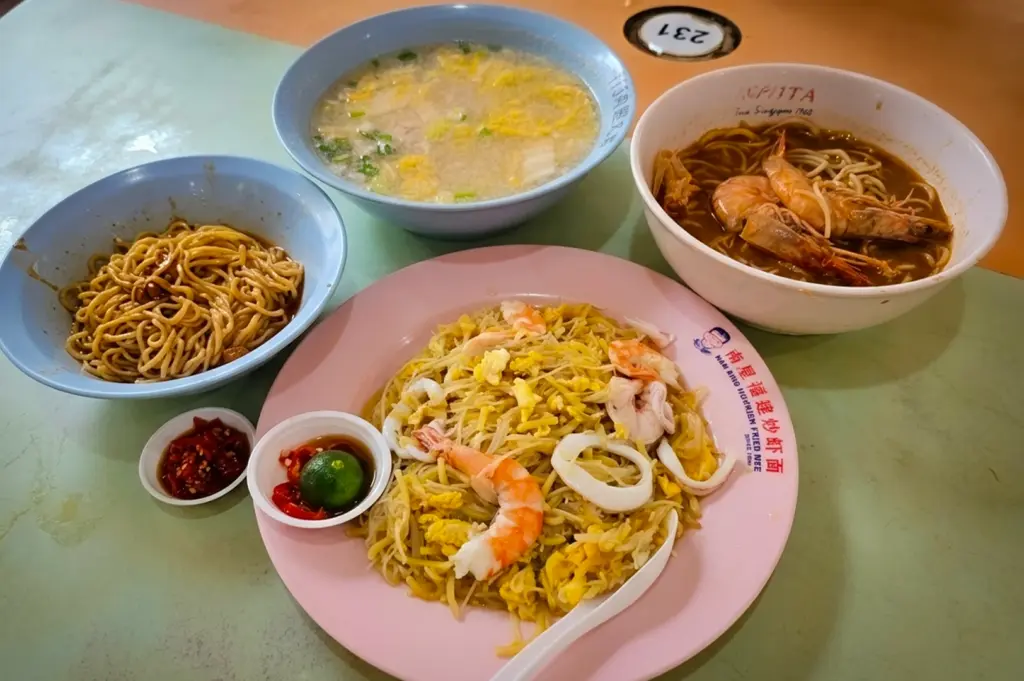
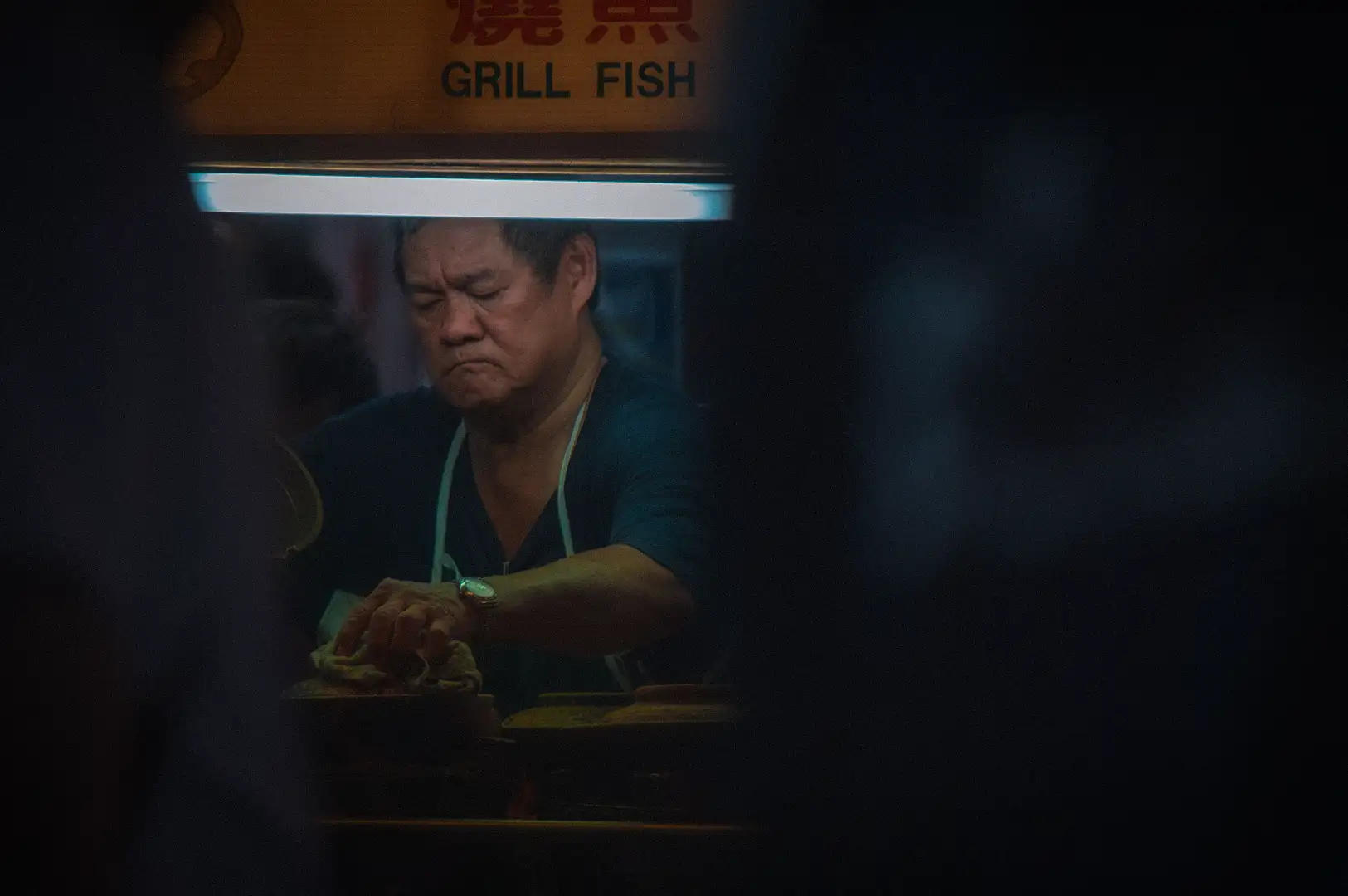
The stall offers Hokkien fried prawn mee in a dry-style, featuring rich prawn broth-based noodles combined with pork, squid, and prawns. It is one of the most established stalls in the hawker centre and is particularly known for its dry-style Hokkien mee, which differs from the wetter versions commonly found elsewhere. Notably, Nam Sing Hokkien Fried Mee has been recognized in the Michelin Guide Singapore, earning a Michelin Bib Gourmand for its consistent quality and authentic flavors.
Location: Old Airport Road Food Centre, 51 Old Airport Rd, near Dakota MRT station
Type: Hawker stall
Price range: ~$4–$6
The stall consistently draws long queues during peak hours due to its strong wok hei flavour and filling portions offered at reasonable prices. Customers should expect a slightly longer waiting time during lunch, making it ideal for those seeking traditional hawker dishes or first-time visitors to Old Airport Road.
2. Holland Village MRT: % Arabica (Holland Village)
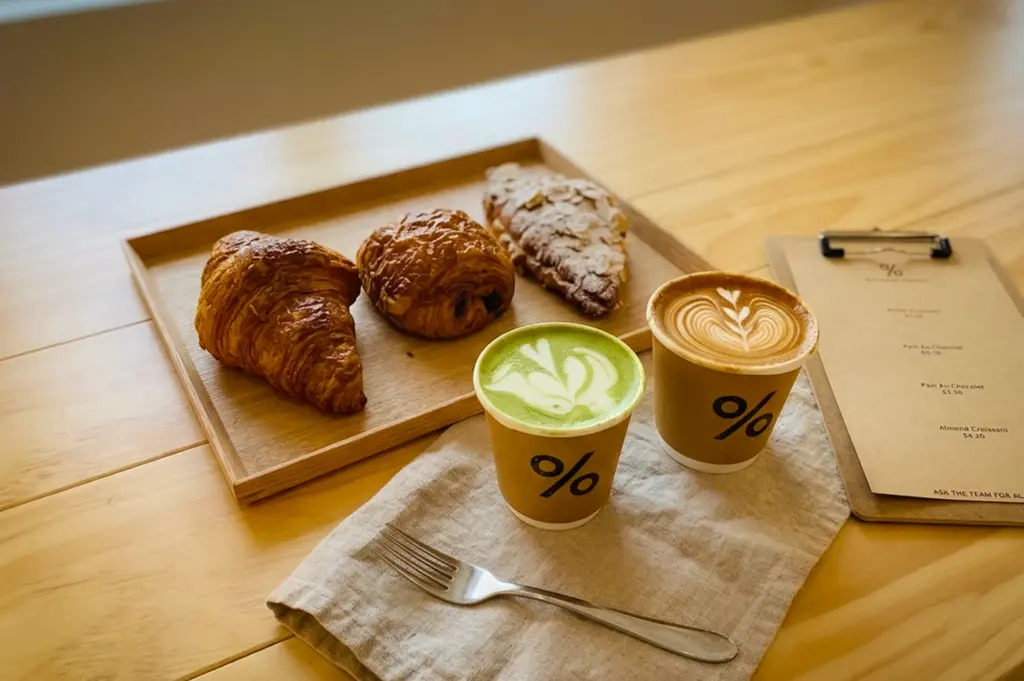
Holland Village MRT drops passengers directly into one of Singapore’s most established lifestyle enclaves. Within this area, % Arabica (Holland Village) stands out as a dedicated specialty coffee destination, attracting visitors who are specifically looking for a focused, high-quality coffee experience rather than a broad dining stop.
Location: 267 Holland Avenue, Singapore, accessible from Holland Village MRT station
Type: Specialty coffee café hub
Price range: ~$6–$12
% Arabica operates with a clear emphasis on coffee precision rather than menu variety. Its offerings are centered on espresso-based drinks, Kyoto-style iced coffee, and a limited selection of pastries. Prices typically range from around $6 to $12, reflecting its positioning as a premium specialty coffee brand.
The café sources beans globally and prepares drinks using calibrated equipment, ensuring consistency across visits. This approach appeals to customers who prioritise quality and reliability in their coffee rather than a wide range of food options. Overall, % Arabica functions as a focused coffee stop within Holland Village, best suited for quick visits and for those seeking a dependable specialty coffee experience near the MRT station.
3. Paya Lebar MRT: PUTIEN (PLQ Mall)
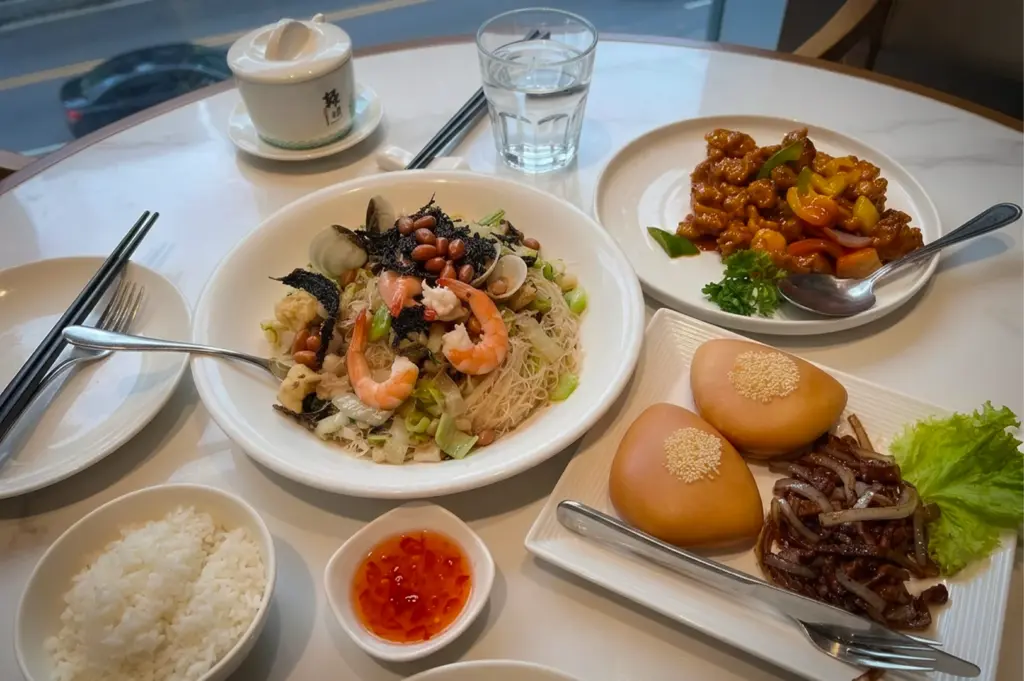
Paya Lebar MRT functions as a major commercial and transport node where the Circle Line intersects with the East-West Line, bringing a steady flow of commuters, office workers, and visitors into the area. Within this high-traffic environment, PUTIEN (PLQ Mall) stands out as a reliable casual dining option, particularly for those looking for a structured sit-down meal rather than quick food court choices.
Location: Paya Lebar Quarter (PLQ Mall), near Paya Lebar stations on the Circle Line and East-West Line
Type: Casual dining restaurant (Fujian cuisine)
Price range: ~$12–$25 per person
PUTIEN focuses on Fujian-style Chinese cuisine, with a menu built around familiar yet well-executed dishes. Signature items include its well-known lor mee, along with a range of stir-fried vegetables and seafood dishes. Prices typically range from approximately $12 to $25 per person, positioning it within the mid-range category for mall dining.
The restaurant’s Michelin Bib Gourmand recognition contributes to its steady popularity, particularly among office workers during lunch hours and families during evenings and weekends. The dining experience is structured and efficient, reflecting the high volume of customers moving through the area. Queues are common during peak hours, though turnover remains relatively quick.
4. Botanic Gardens MRT — Brunch and Lifestyle Dining Belt
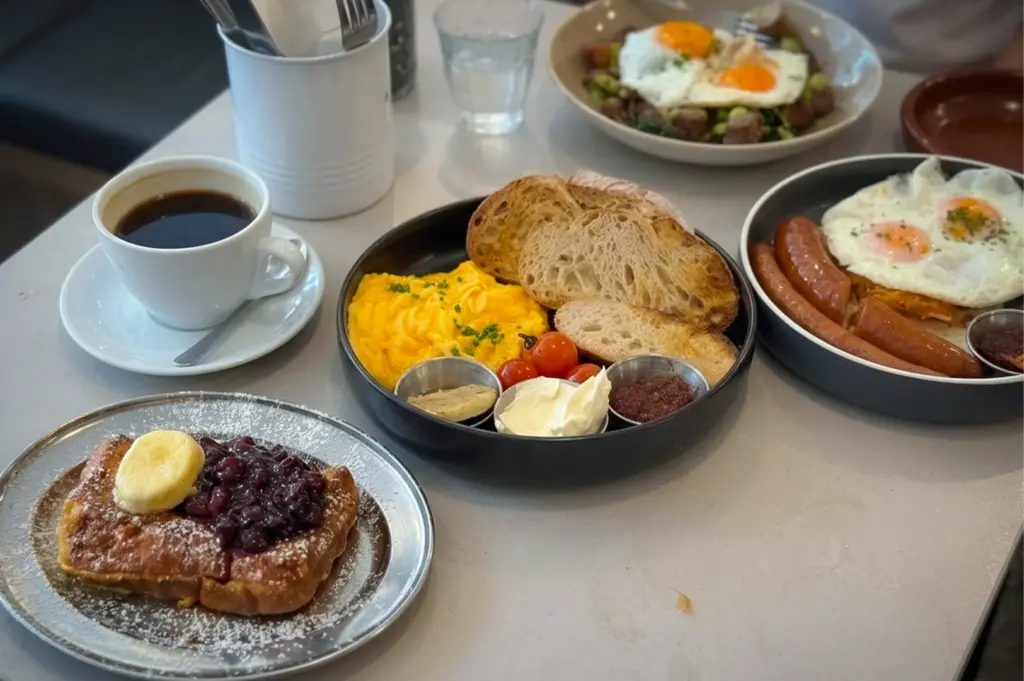
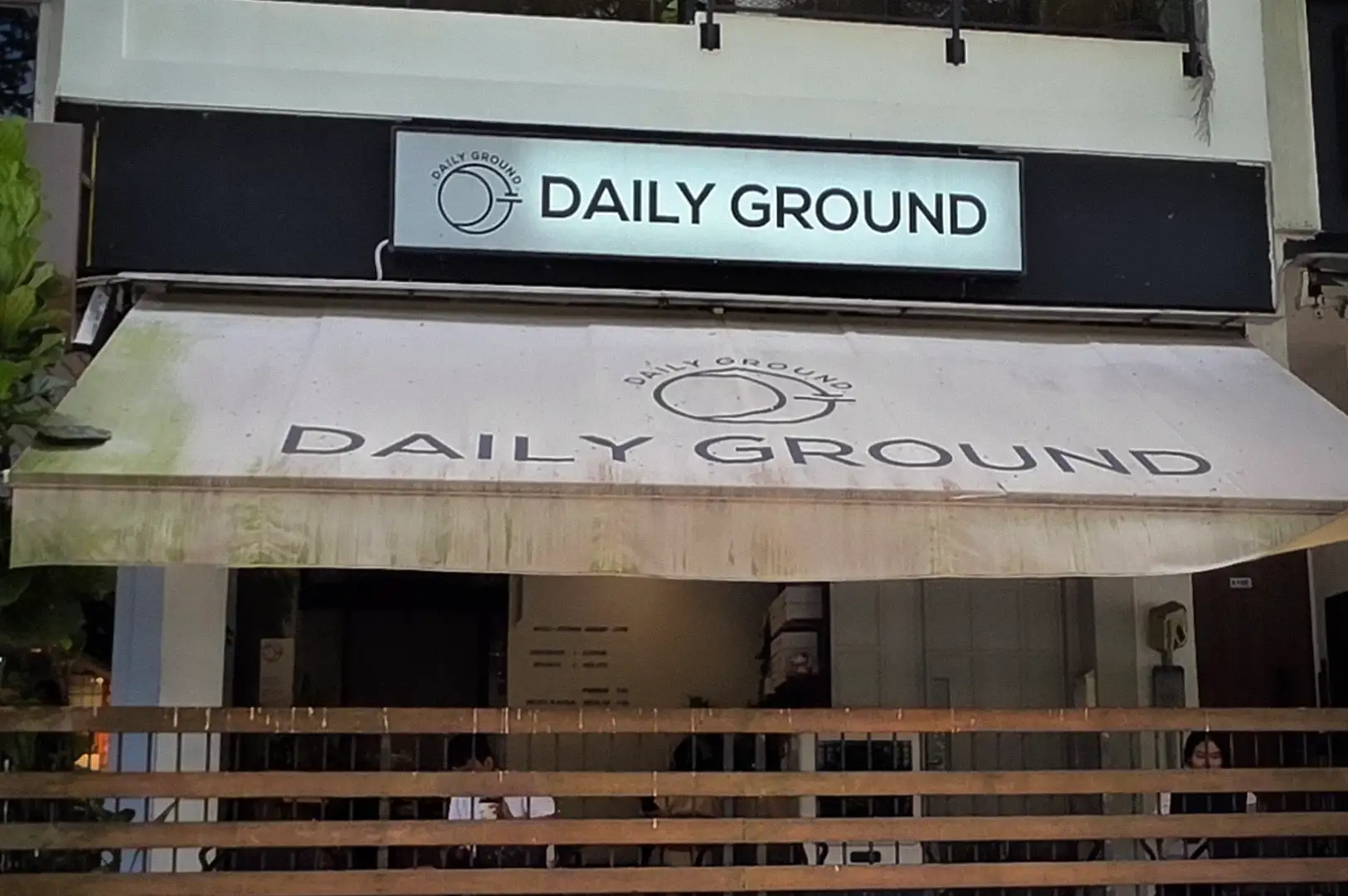
Botanic Gardens MRT provides access to one of Singapore’s most established lifestyle dining belts, where visitors combine time in the park with nearby café and brunch options. Within this area, Atlas Coffeehouse stands out as a consistently popular café, attracting steady foot traffic from both regular patrons and visitors exploring the Botanic Gardens vicinity. Located along Bukit Timah Road, just a short distance from the MRT station.
Location: Bukit Timah Road (near Botanic Gardens MRT station)
Type: Café and brunch restaurant
Price range: ~$15–$25 per person
Atlas Coffeehouse focuses on a structured brunch and café menu, offering espresso-based coffee, specialty drinks, and a range of Western-style dishes. Popular items include coffee-based beverages such as flat whites and iced lattes, alongside mains like rosti, pancakes, and hearty brunch plates. Prices typically range from approximately $5 to $8 for drinks and $15 to $25 for food, placing it within the mid-range café category in Singapore.
The café operates in a compact but well-utilised space, with a steady flow of customers throughout the day, particularly during weekends. Atlas Coffeehouse functions as a dependable brunch and café destination near Botanic Gardens MRT, best suited for casual meetups, weekend dining, and visitors looking for a structured café experience close to the MRT station.
Practical Tips for Spending Time Wisely on the Circle Line
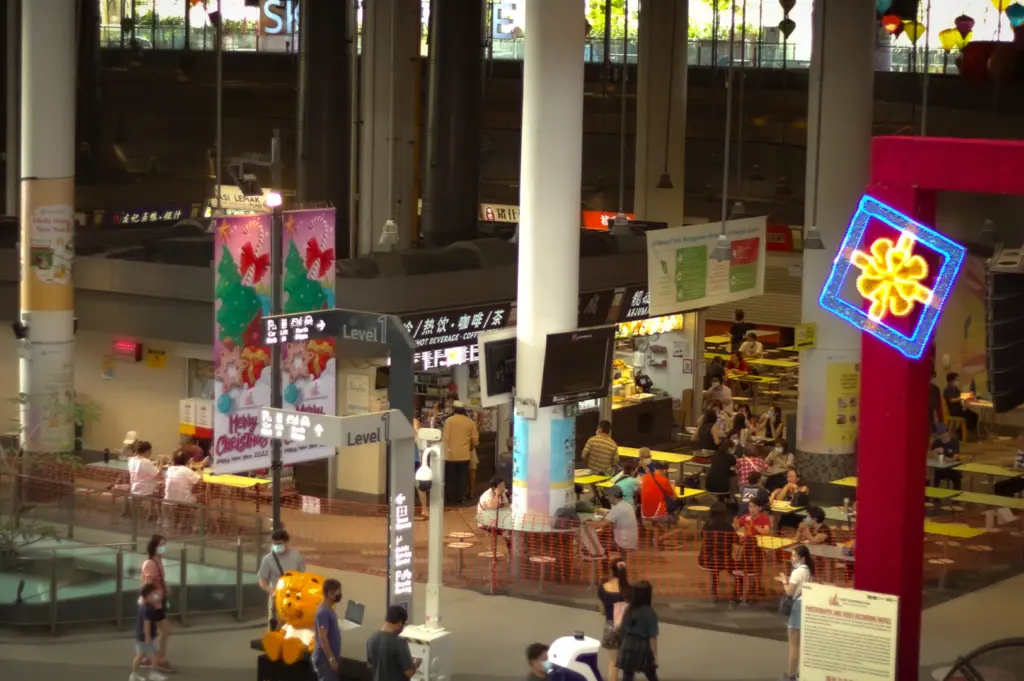
To make the most of your food journey along the Circle Line, consider these practical tips:
Plan Ahead for Service Adjustments: Keep an eye on updates from the Land Transport Authority about tunnel strengthening works or other maintenance that may affect train services. During these periods, trains might operate on a single platform or end earlier on weekends, but shuttle bus services will run to maintain connectivity along the affected stretch. Planning ahead helps avoid unexpected delays.
Use Shuttle Buses When Needed: If train services are disrupted due to tunnel works or other service adjustments, shuttle buses provide reliable alternatives to reach key food destinations like Dakota and Paya Lebar. These shuttle buses accept the same fares as the MRT, ensuring a smooth transition without additional pay.
Leverage Interchanges for Multiple Stops: The Circle Line connects with several other MRT lines, including the North East Line, Downtown Line, and East-West Line. Use these key interchanges to hop between lines and explore multiple food spots in one trip without backtracking.
Time Your Travel During Off-Peak Hours: To avoid crowds and long waits, consider traveling during off-peak hours, especially when popular food stalls or cafés tend to have queues during peak hours.
Download Transit Apps: Utilize apps like MyTransport.SG for real-time train and bus services schedules, service updates, and route planning to optimize your food excursions.
By following these tips, you can navigate the Circle Line efficiently and enjoy a seamless culinary adventure across Singapore’s diverse food hubs.
How to Use the Circle Line for Food Planning Amidst Service Adjustments
Maximizing the utility of the Circle Line requires basic route planning. Passengers should align their destination with their specific dining requirements.
Choose station based on dining purpose:
Budget → Dakota: Ideal for hawker fare and low-cost traditional meals.
Cafés → Holland Village: Best for coffee, desserts, and social gatherings.
Convenience → Paya Lebar: Offers immediate access to mall-based restaurant chains.
Brunch → Botanic Gardens: Suited for premium weekend meals near green spaces.
Use MRT connections to plan multiple stops: The loop structure allows diners to eat a main course at one station and travel to another for dessert.
Suitable for: Food exploration across different districts. Weekend dining trips without relying on private transport.
Conclusion: From Prince Edward Road to the Entire Network
The Circle Line is more than a transit route; it’s a curated guide to intentional dining. Each station offers a unique food experience, from heritage stalls at Dakota to modern cafes at Holland Village.
With the upcoming completion of the final stage connecting Marina Bay to three new stations at Prince Edward Road, connectivity will improve further. Rigorous tunnel strengthening works and safe and rigorous testing are underway to facilitate smooth operations. These engineering hours needed for tunnel works and testing ensure the entire CCL is ready for commuters.
Whether during busy weekdays or quiet weekends, the Circle Line remains the best choice for food exploration. Passengers should check station details and transit updates displayed at MRT Singapore stations or online to enjoy Singapore’s diverse culinary scene with confidence and convenience.