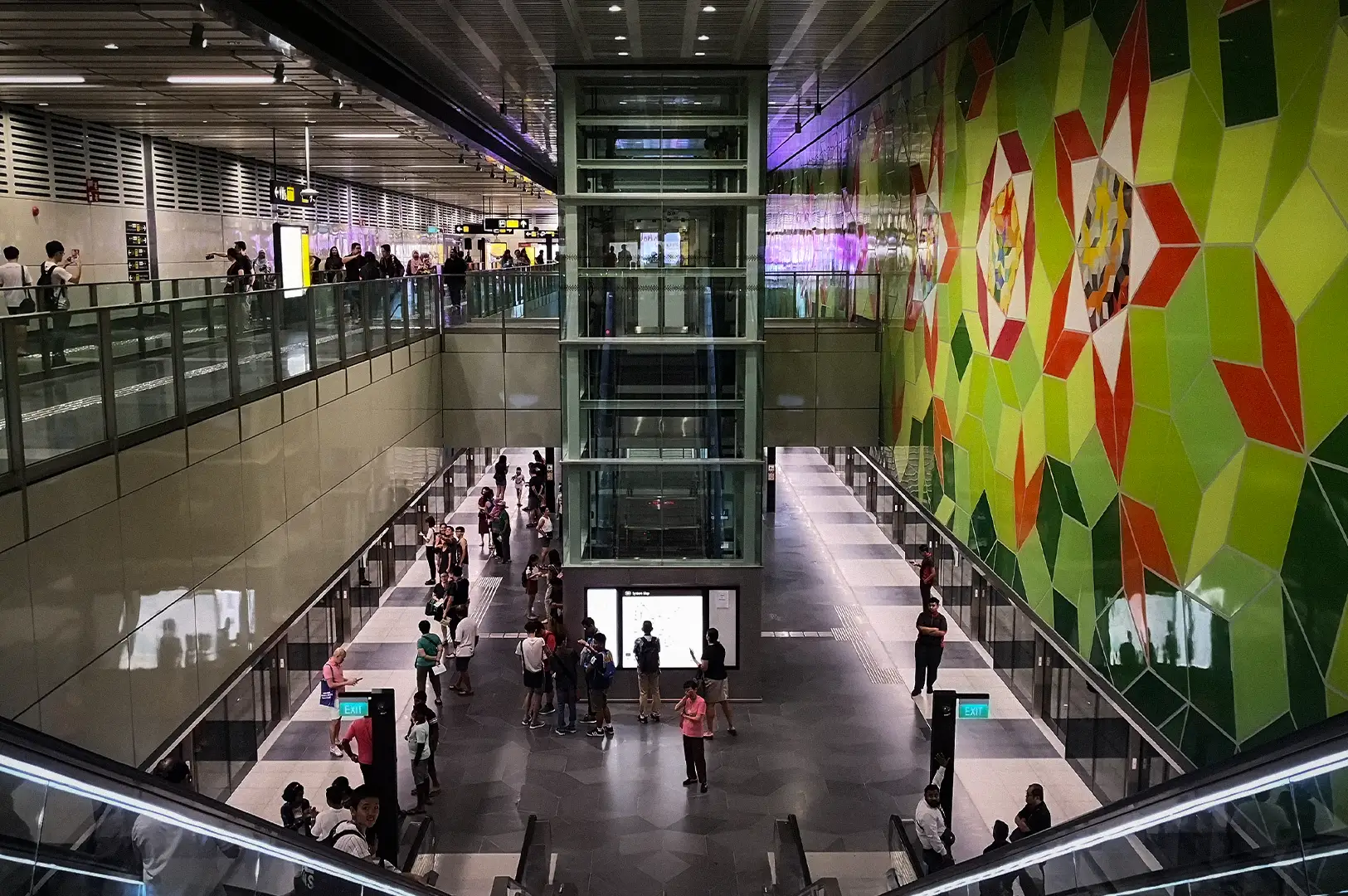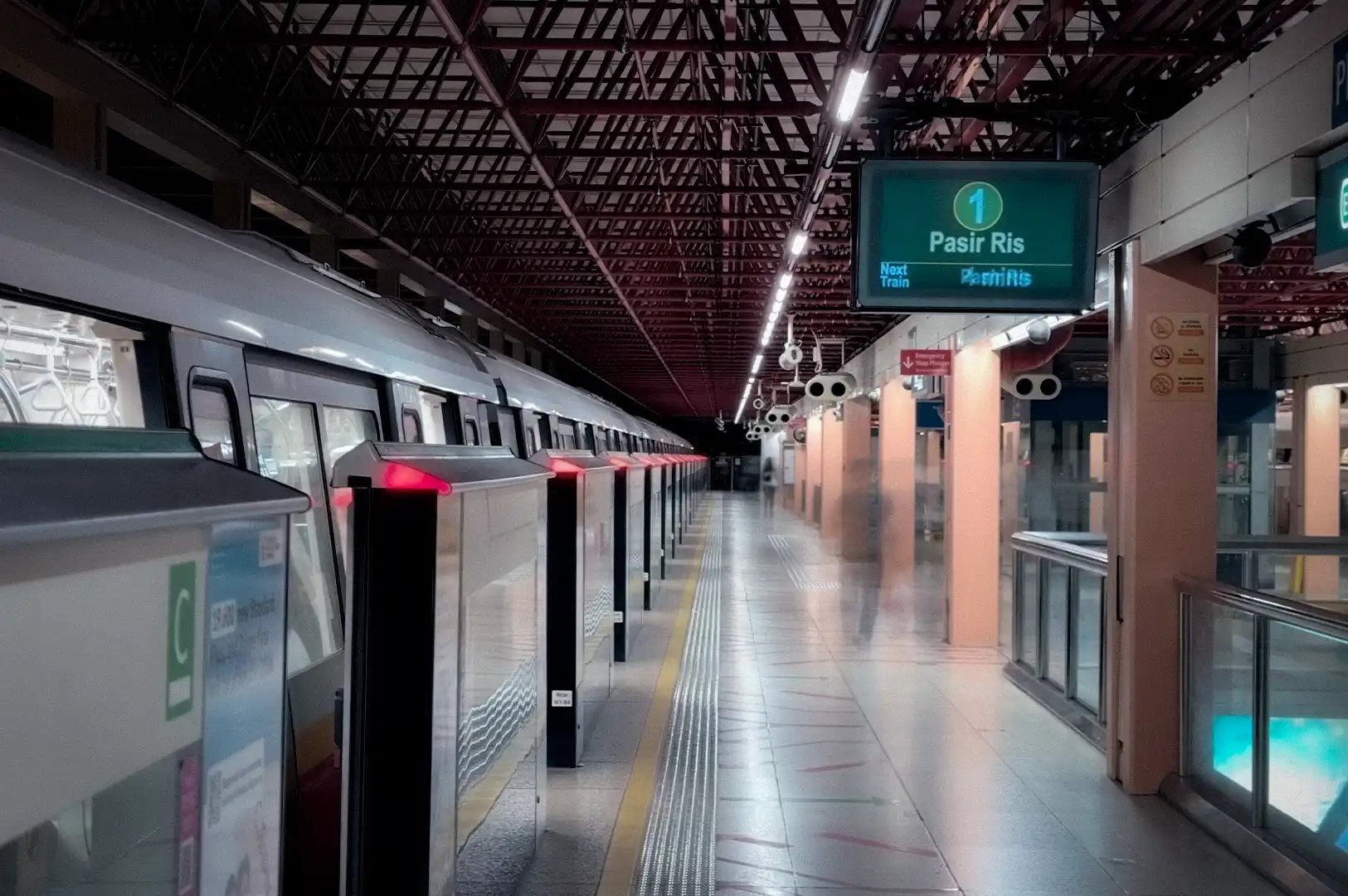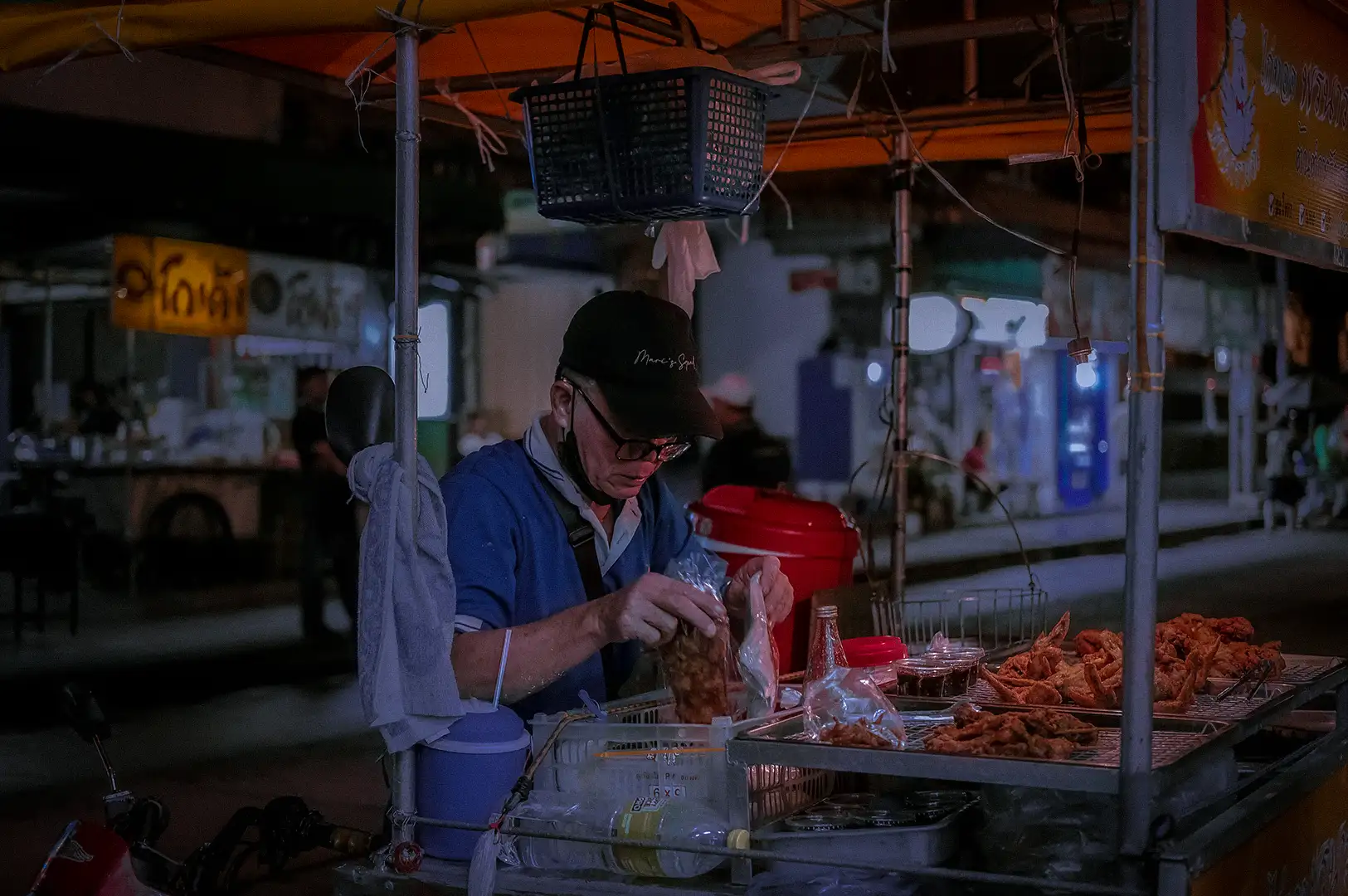
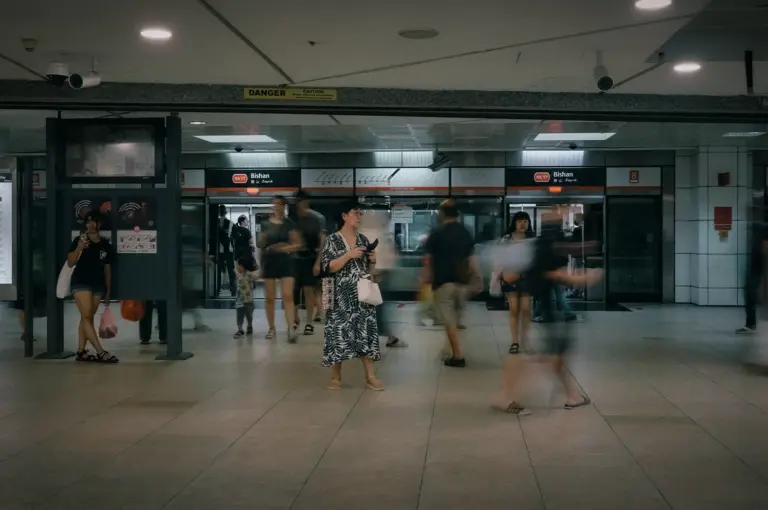
Not all MRT stations leave the same impression.
Some become part of daily routines so quickly that commuters stop noticing them. The route from the platform to the food stalls feels automatic. The surroundings become familiar through repetition rather than novelty.
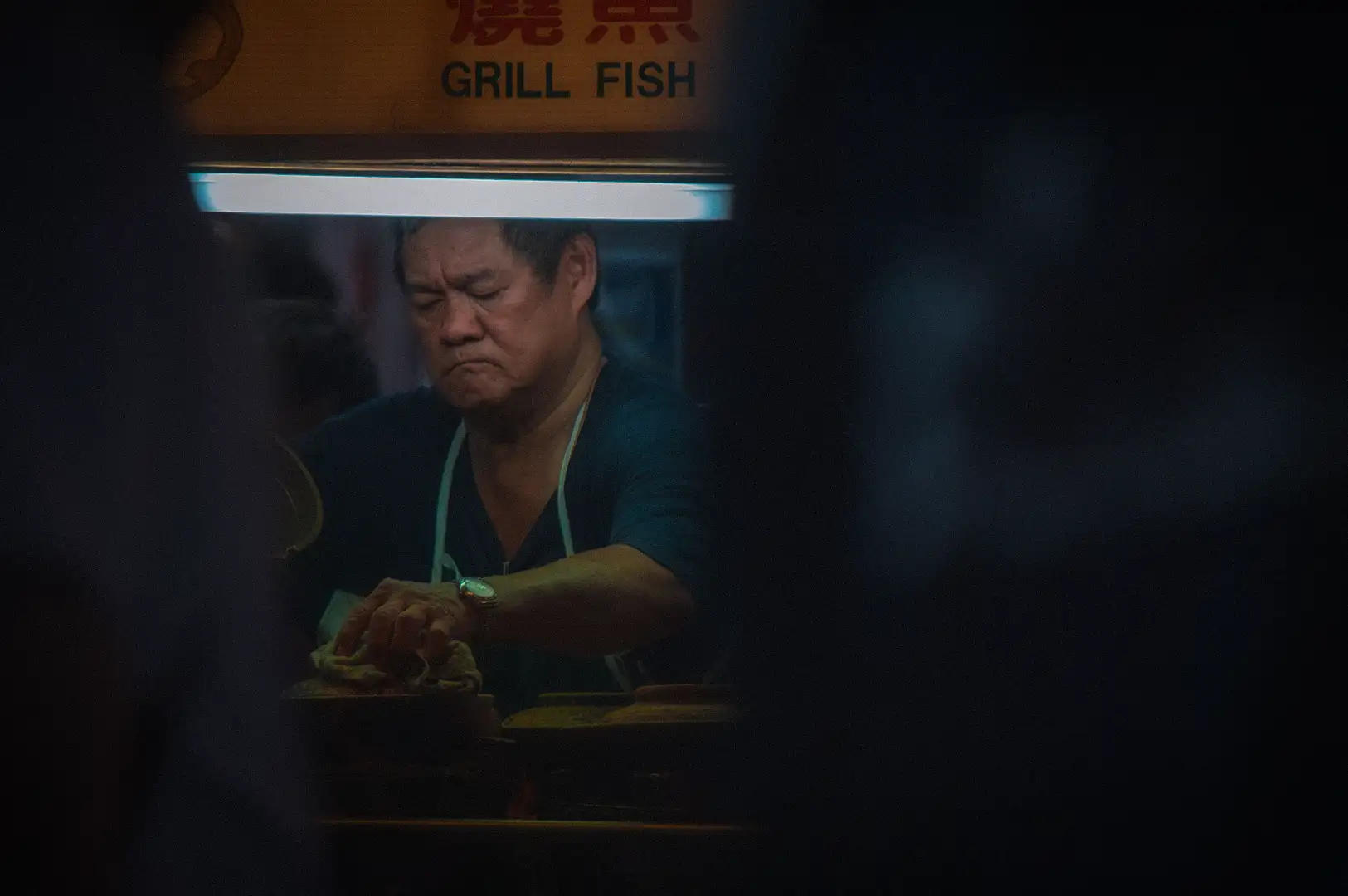
This familiarity often develops around food.
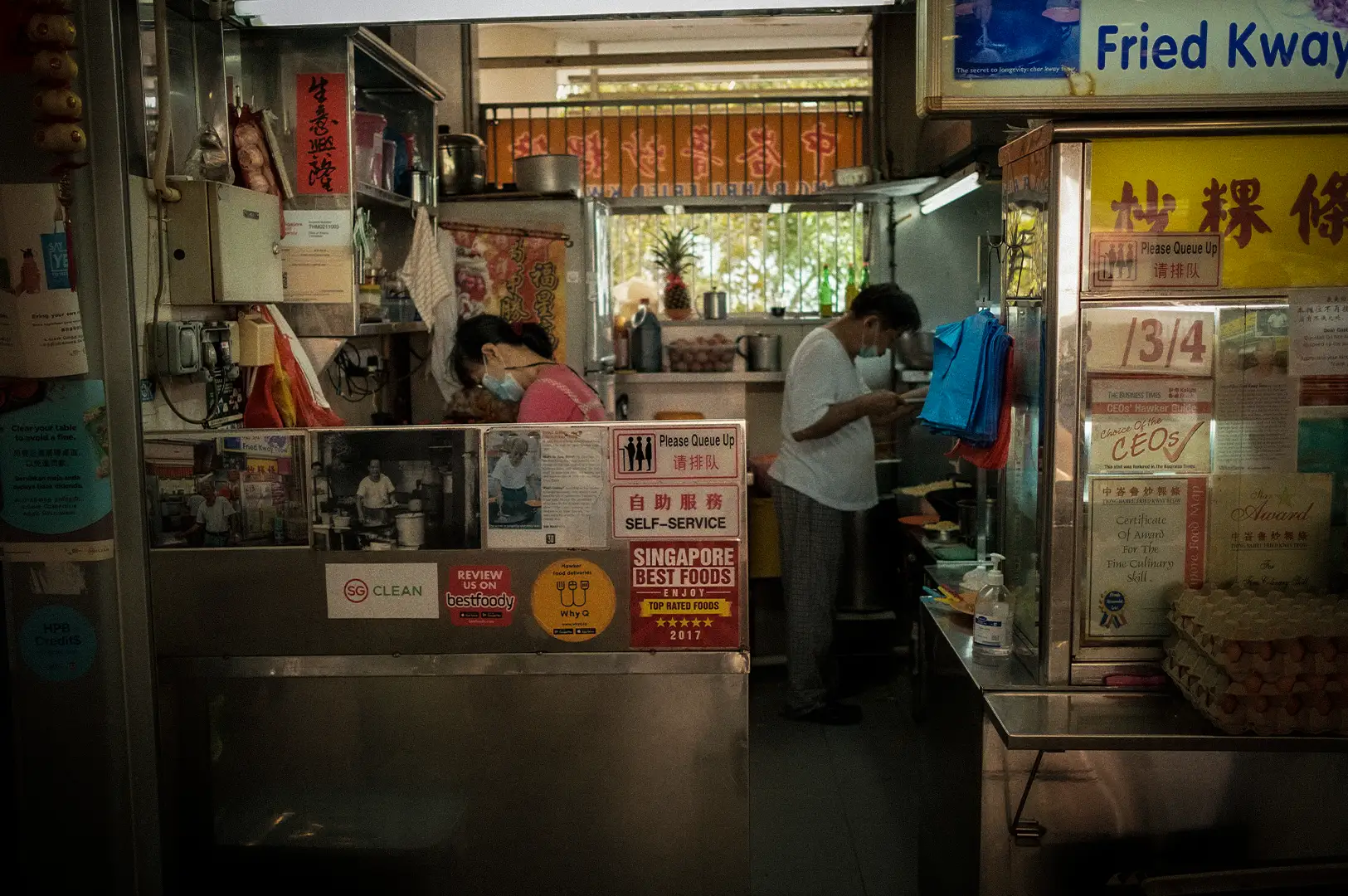
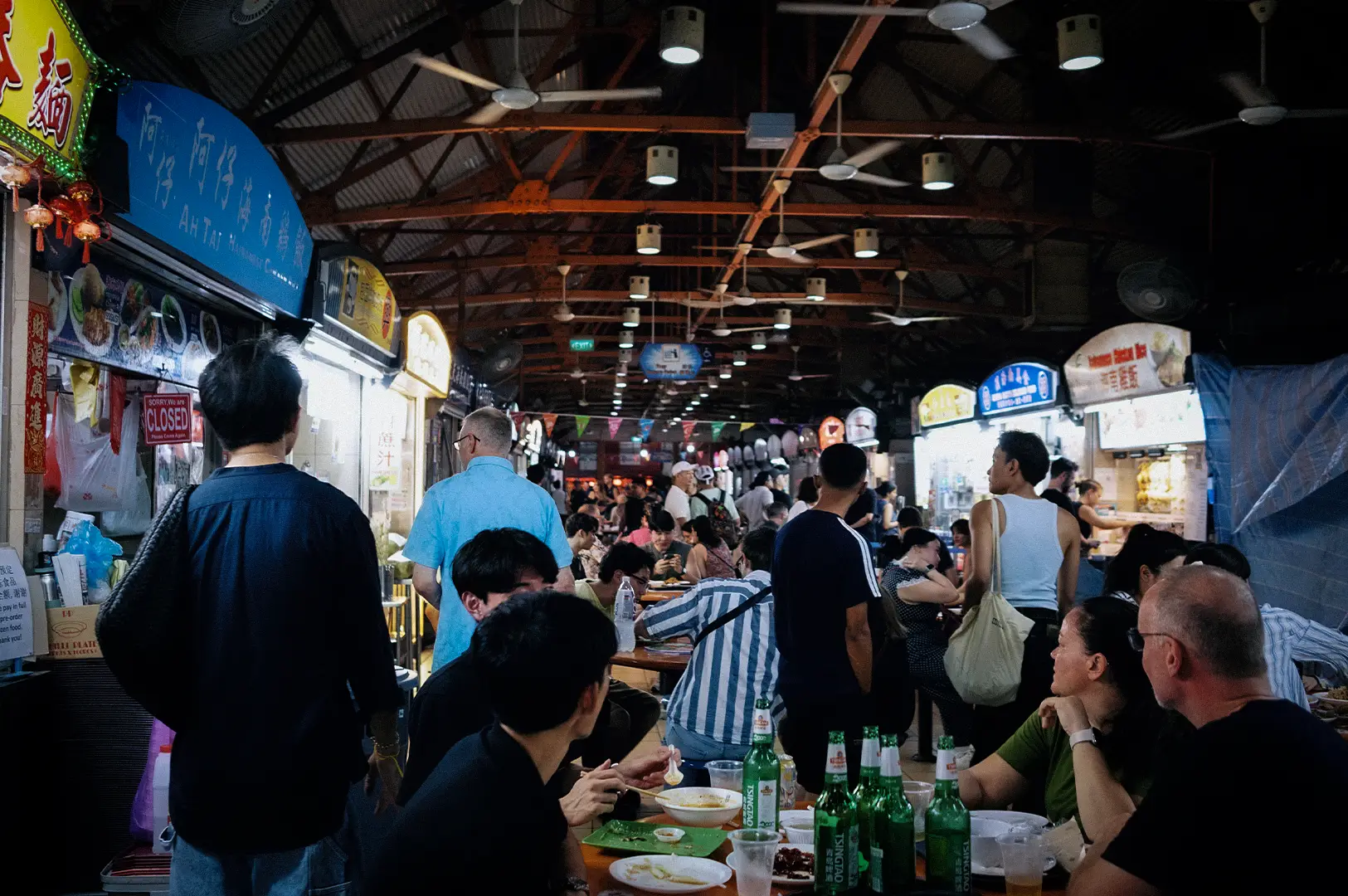
A regular coffee shop near the exit. A hawker centre visited after work. A breakfast stall that fits neatly into a morning routine. Over time, these places become associated with the station itself.
The process is gradual.
No single meal creates the connection. Instead, it forms through repeated visits and predictable experiences. The station becomes easier to navigate, and food decisions require less thought.
Other stations never reach this stage.
People pass through them occasionally, but they do not become part of a routine. The food options remain unfamiliar, even after multiple visits.
Across the MRT network, familiarity is often built through everyday meals.
The stations that feel most familiar are not always the busiest or most popular.
They are simply the ones that become part of daily life.