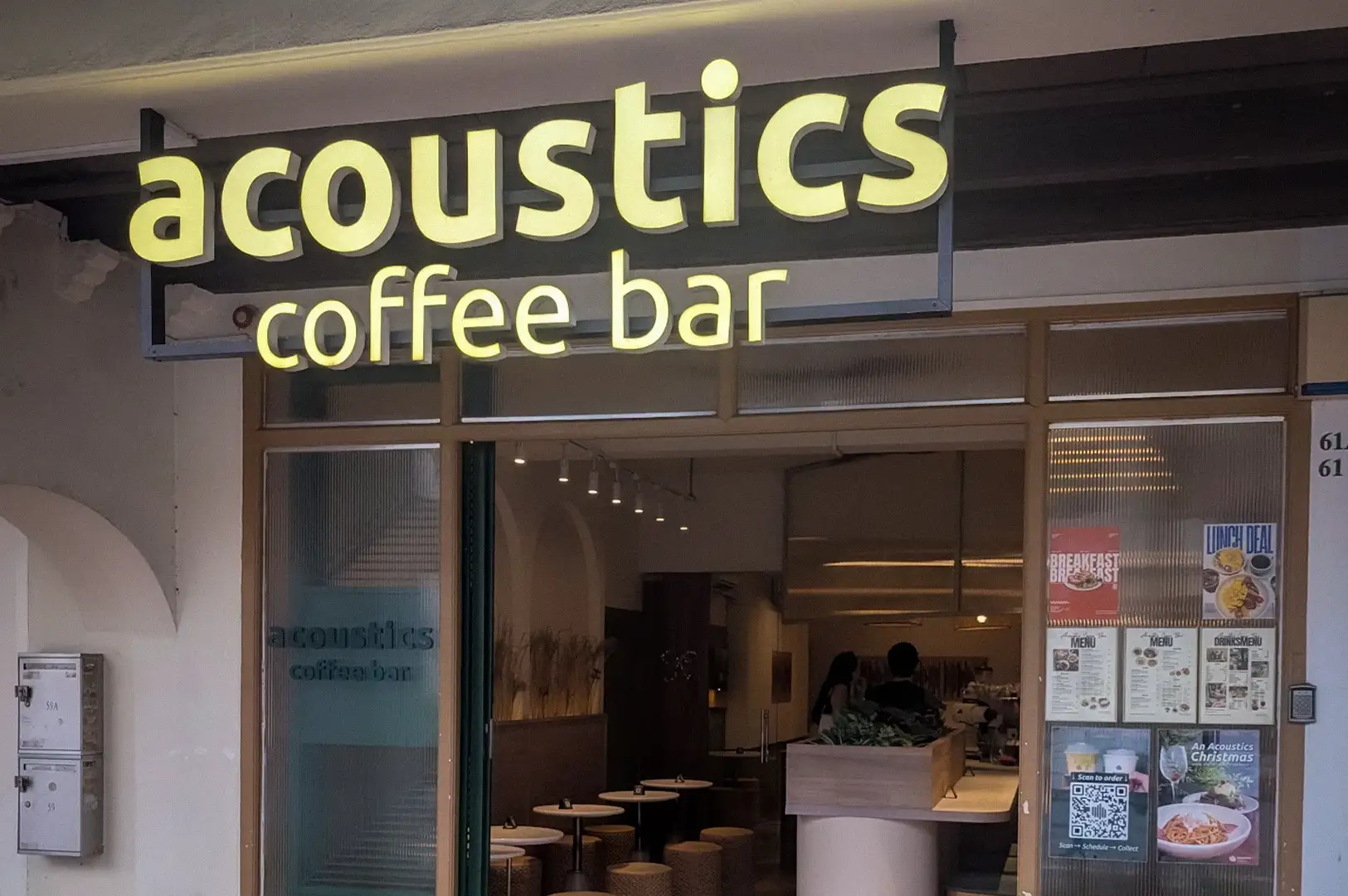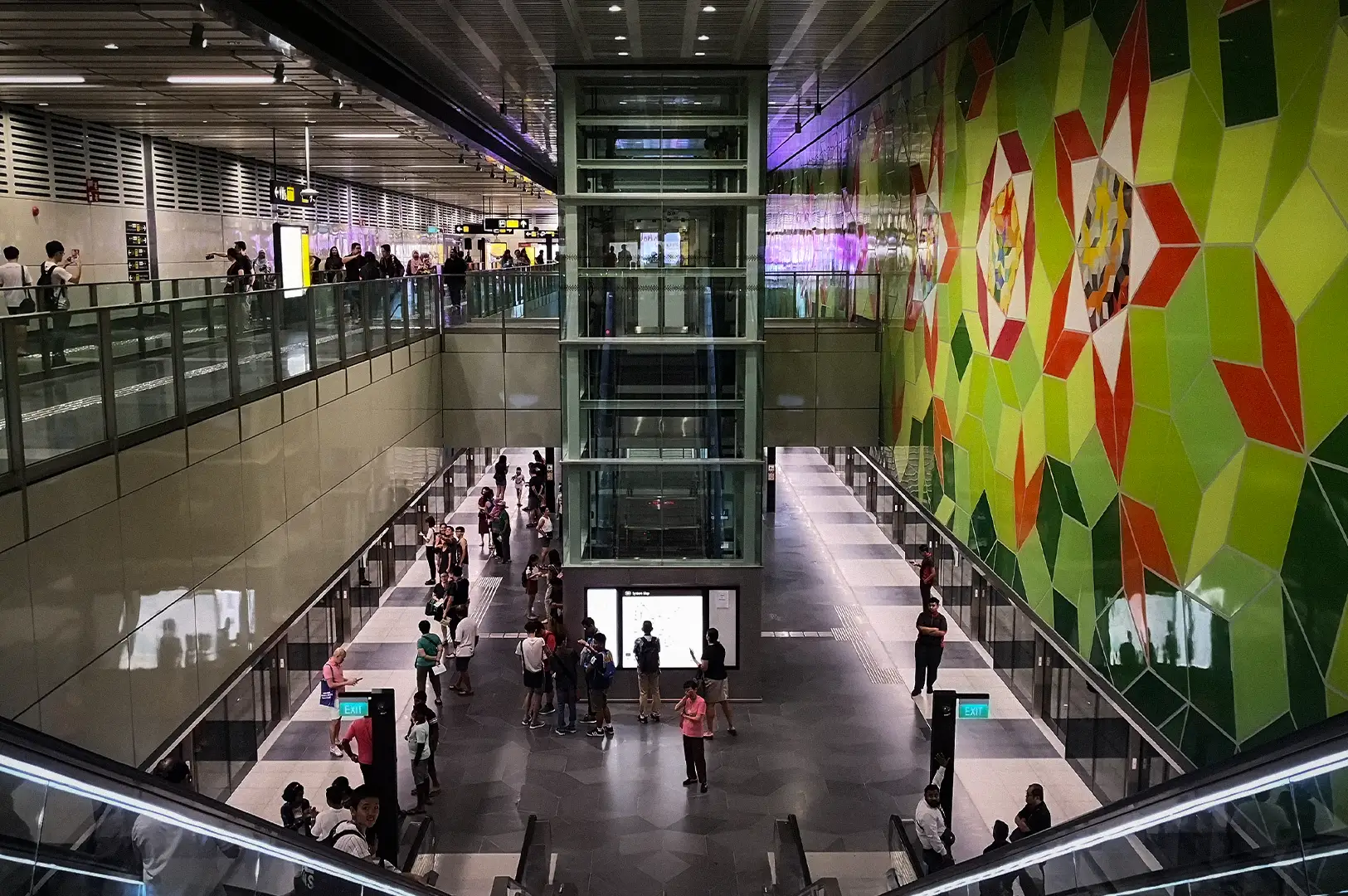
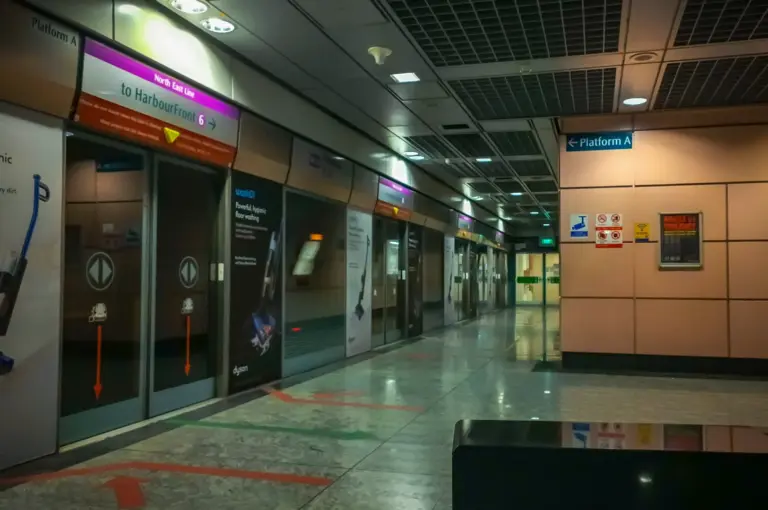
The North East Line is often discussed as an important part of Singapore’s public transport network, connecting neighbourhoods from HarbourFront to Punggol Coast Station. Yet from a food perspective, the line tells a different story. Rather than being defined by a single dining district, the North East Line connects a collection of neighbourhoods, each with its own food culture, routines, and community habits.
For many residents, food is woven into the daily journey. A commuter stepping out of a station during the morning peak might stop for breakfast before work. Someone returning home in the evening may pick up dinner before heading upstairs. Along the way, food becomes one of the most visible ways people interact with their neighbourhoods.
What makes the North East Line particularly interesting is that it reflects how Singapore eats on an everyday level. The line passes through mature estates, newer developments, and rapidly growing communities, creating a food landscape that continues to evolve alongside the city itself. For more detailed food guides along the route, visit mrtfoodieguide.com.sg.
North East Line: A Journey Through Singapore's Food Neighbourhoods
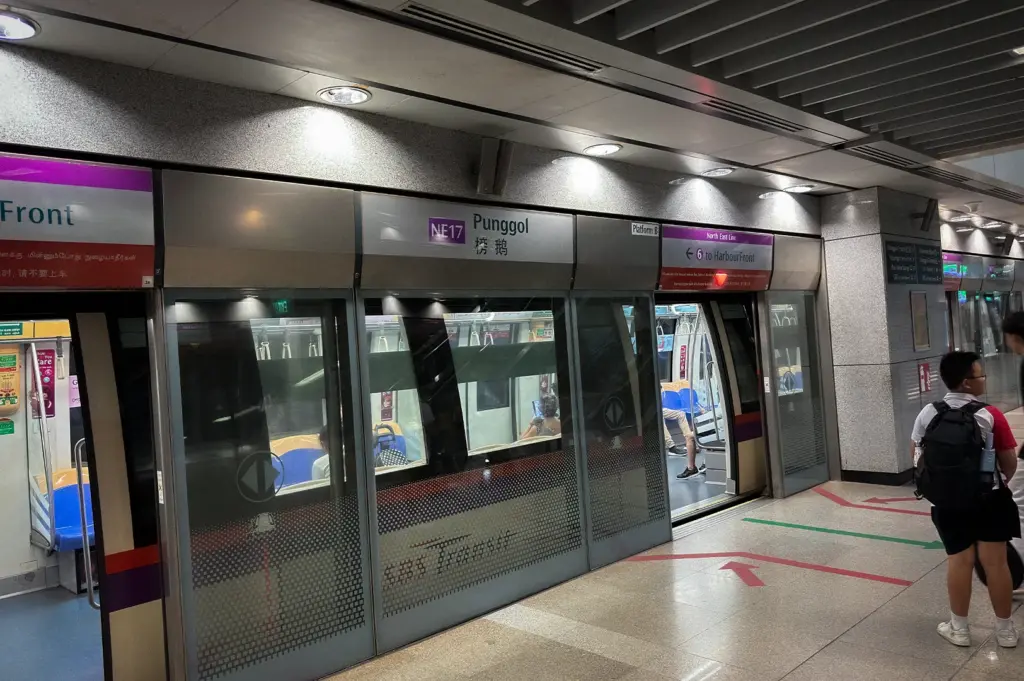
Since becoming Singapore’s first fully automated and fully underground MRT route, the North East Line has transformed how people move between neighbourhoods. Stretching across the island, this mrt line links residential districts, commercial hubs, and community spaces that each contribute something unique to the local food scene.
Unlike destinations built around a single attraction, the North East Line offers variety. One station may reveal a neighbourhood focused on family dining and community gathering spaces, while another may feel more connected to office workers, students, or residents looking for affordable meals close to home.
This diversity is one reason the line remains important. It allows passengers and commuters to move easily between different food environments without leaving the broader north east corridor.
North East Line Extension and the Changing Food Landscape
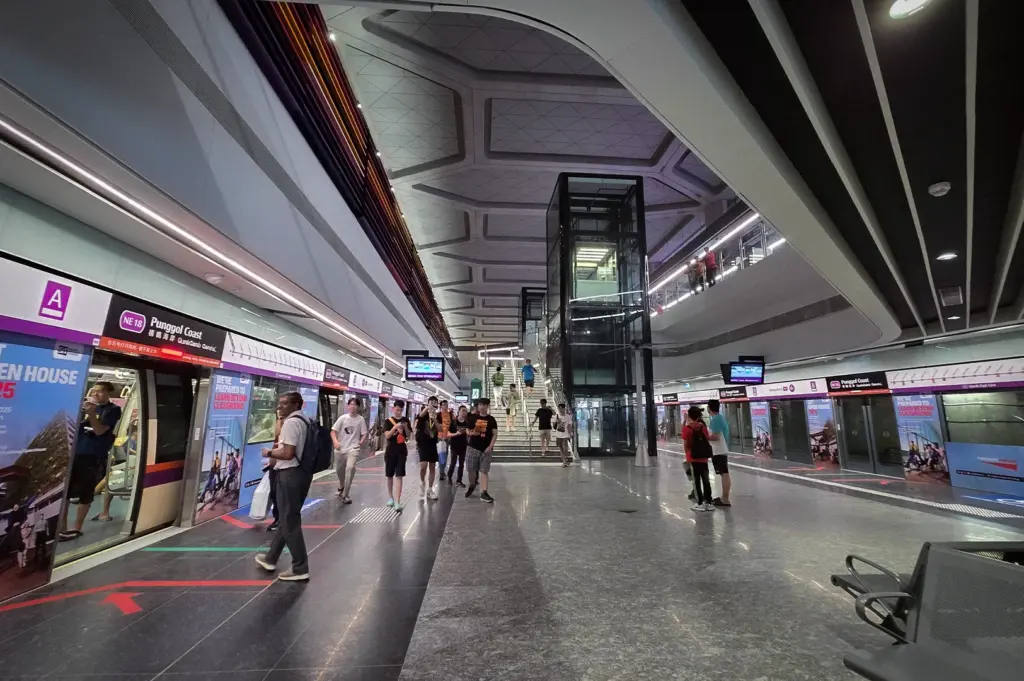
The recent North East Line Extension has added a new chapter to the story. With Punggol Coast Station opened and now serving the growing Punggol Digital District, the line continues to expand alongside Singapore’s changing urban landscape.
The extension is about more than additional transport infrastructure. New stations often encourage fresh commercial activity, increased foot traffic, and new food options designed to serve residents, students, and workers. As developments continue around Punggol Coast, the surrounding food environment is expected to grow as well.
Looking back at the line’s history, from its groundbreaking ceremony to the completion of later phases, it becomes clear that transport and food often develop together. As communities grow, dining habits follow, shaping the character of each neighbourhood along the route.
From Woodleigh Station to Buangkok Station: Everyday Food Habits
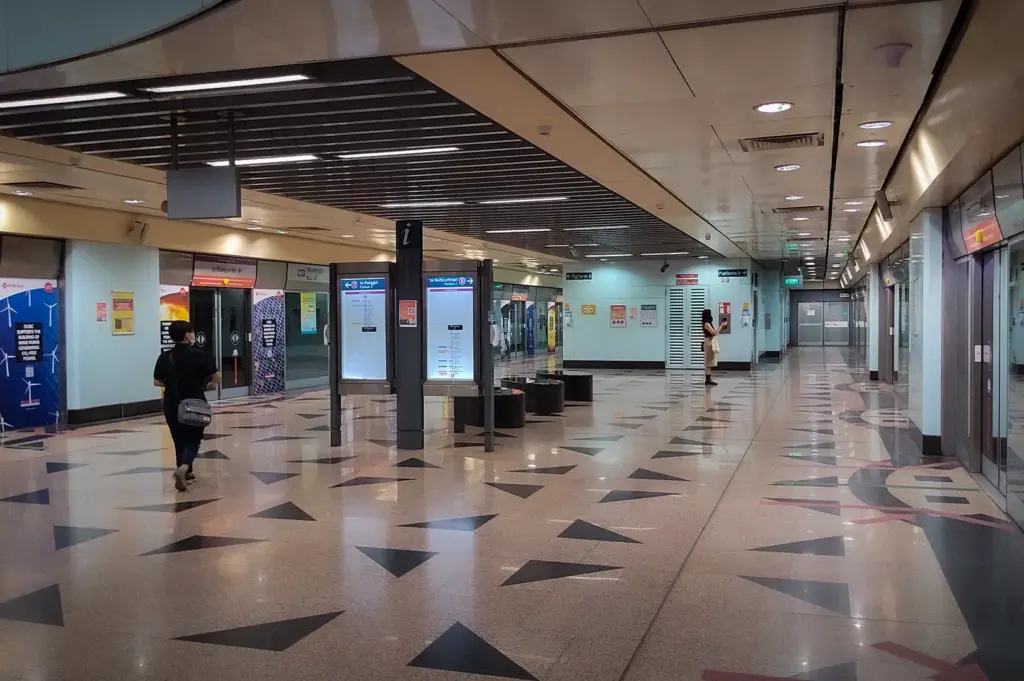
Among the many stations along the route, Woodleigh Station and Buangkok Station illustrate how food becomes part of everyday life rather than a destination activity.
The areas surrounding Woodleigh and Buangkok stations are largely residential, meaning much of the dining activity revolves around routine. Residents look for convenience, affordability, and consistency rather than novelty. Food here supports daily life, whether it is breakfast before work, lunch during the day, or dinner after returning home.
This pattern can be observed throughout the line. The food scene often reflects the people who live nearby, creating neighbourhoods where dining habits feel connected to community identity rather than tourism or entertainment.
Bus Stops, SBS Transit, and Everyday Connectivity
Food accessibility is not determined by MRT stations alone. Across the North East Line, nearby bus stops, SBS Transit routes, and the broader Singapore bus service network help connect residents to food options beyond their immediate surroundings.
Many stations are designed to integrate with surrounding transport facilities, including sheltered walkways, bus interchange facilities, and connections to nearby estates. These features make it easier for commuters to travel between neighbourhoods without relying entirely on private transport.
The result is a food landscape that feels interconnected. A short trip by MRT followed by a bus ride can introduce residents to a completely different dining environment while remaining within the same transport system.
Taxi Stands and Accessibility Around MRT Stations
While buses and trains form the backbone of the network, taxi stands continue to play an important supporting role. They provide additional flexibility for residents travelling with families, carrying groceries, or moving between destinations outside standard transport routes.
Combined with station entrance points, exit connections, lifts, and accessibility features, these facilities help make the food scene more reachable for a broader range of people. Good transport infrastructure often encourages exploration, allowing residents to discover neighbourhoods they might not otherwise visit.
Rolling Stock, Operations, and the People Behind the Journey
Much of the public discussion surrounding the North East Line focuses on the visible experience of travel, but the system relies on extensive behind-the-scenes work. The line’s rolling stock, automated operations, and ongoing maintenance programmes help ensure that trains continue operating safely and efficiently.
Each train consists of multiple carriage units equipped with four doors per side, designed to support high passenger volumes throughout the day. Behind the scenes, staff members monitor security, system performance, and operational reliability to support the daily movement of thousands of passengers.
For food exploration, this reliability matters. A dependable transport system allows people to travel further, explore more neighbourhoods, and experience different food cultures without significant inconvenience.
North East, Public Transport, and Singapore’s Evolving Food Culture
The broader public transport network continues to shape how Singaporeans interact with food. Connections to other lines, LRT services, and regional developments allow people to travel between districts more efficiently than before.
The Sengkang Punggol LRT network is a particularly important example. By extending connectivity into residential areas beyond the main MRT corridor, it helps integrate communities into the wider transport ecosystem. Together with the North East Line, these connections create a more seamless journey between home, work, and dining destinations.
As Singapore continues to develop, future projects, planned infrastructure upgrades, and evolving transport strategies are expected to further strengthen this relationship between mobility and food.
The North East Line: Where Journeys and Flavors Converge
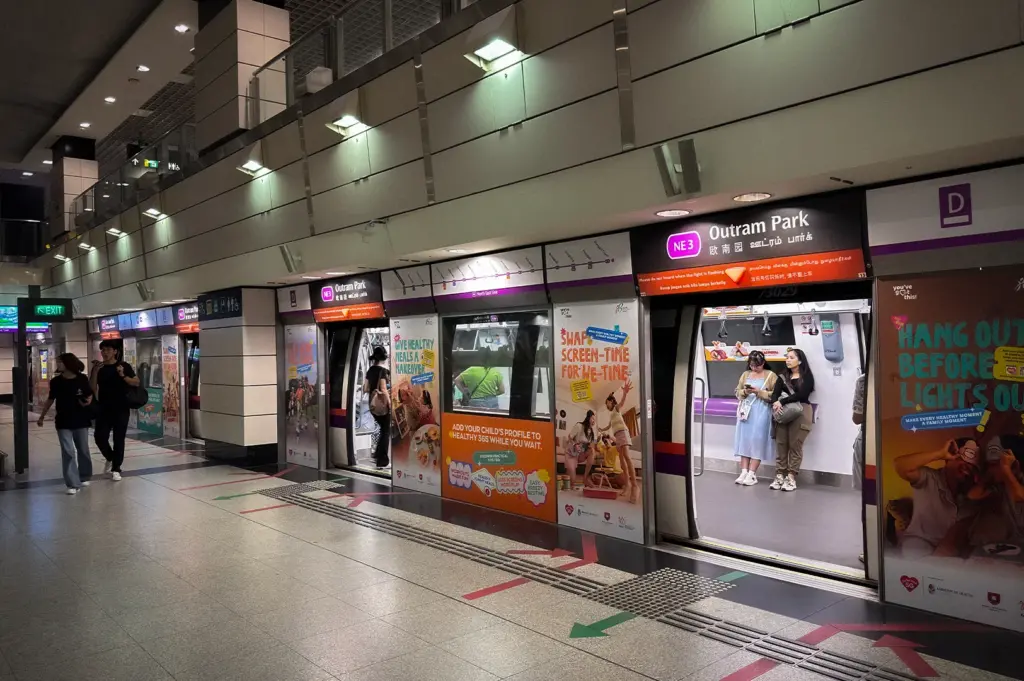
The North East Line is more than a transport route shown on a map. It is a corridor that connects communities, supports daily routines, and helps shape how residents experience food across Singapore.
From Clarke Quay and Chinatown to Punggol Coast Station, the line links neighbourhoods that each contribute their own character to Singapore’s food landscape. Whether through major developments such as the Punggol Digital District, improvements in accessibility, or stronger integration with surrounding transport services, the North East Line continues to influence how people move, gather, and eat.
For commuters, residents, and visitors alike, understanding the North East Line MRT Food Map means understanding how transport, community, and food are connected throughout everyday life in Singapore.