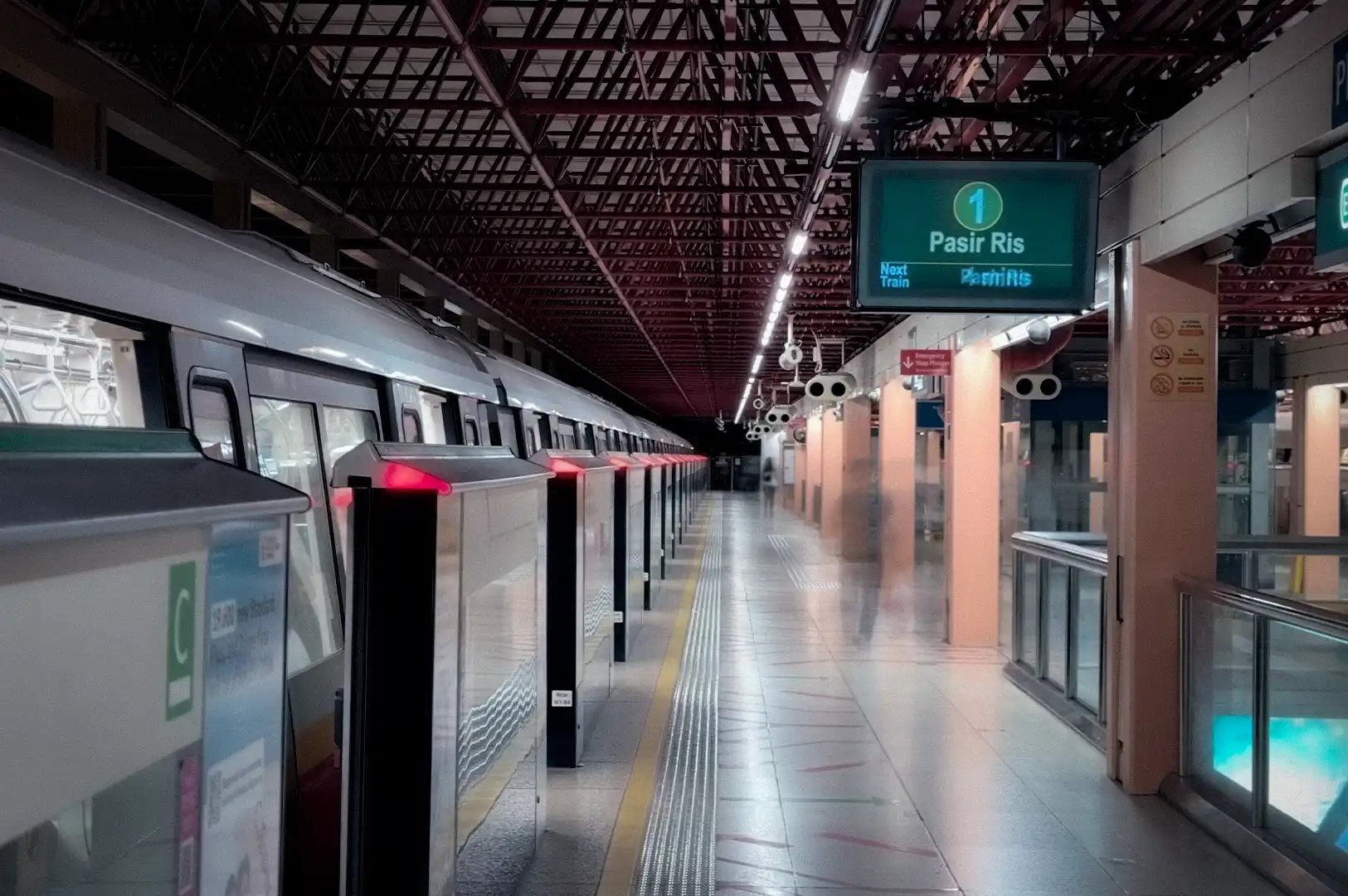
Dinner crowds near MRT stations rarely arrive all at once.
They arrive train by train.
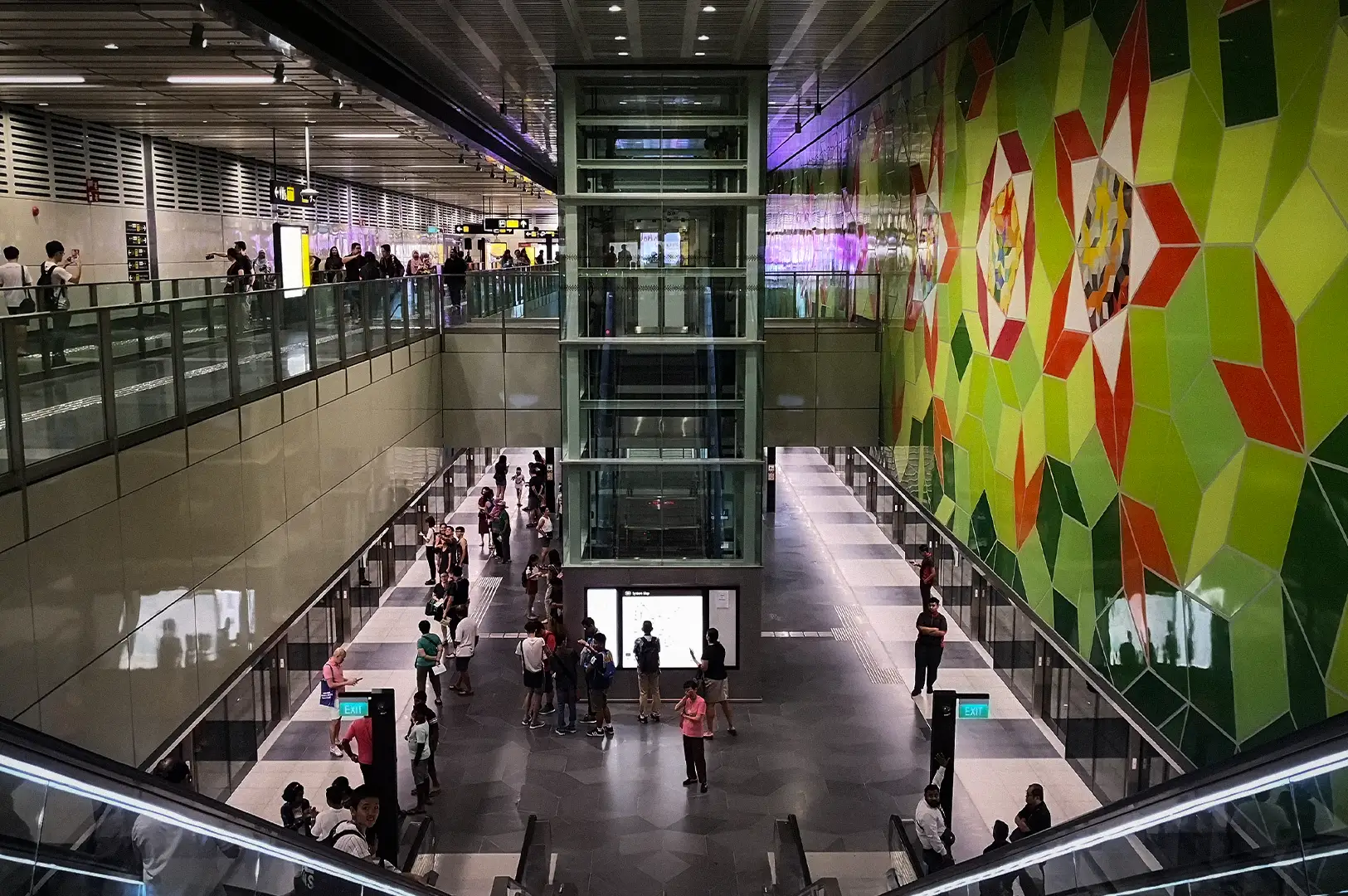
A train pulls into the platform. Minutes later, nearby food places become slightly busier. Another train arrives, and a few more tables fill. The pattern continues throughout the evening.
It creates a rhythm that is easy to miss.
Unlike lunch crowds, which often appear in concentrated waves, dinner crowds spread themselves across a longer period. People leave work at different times and arrive at stations throughout the evening.
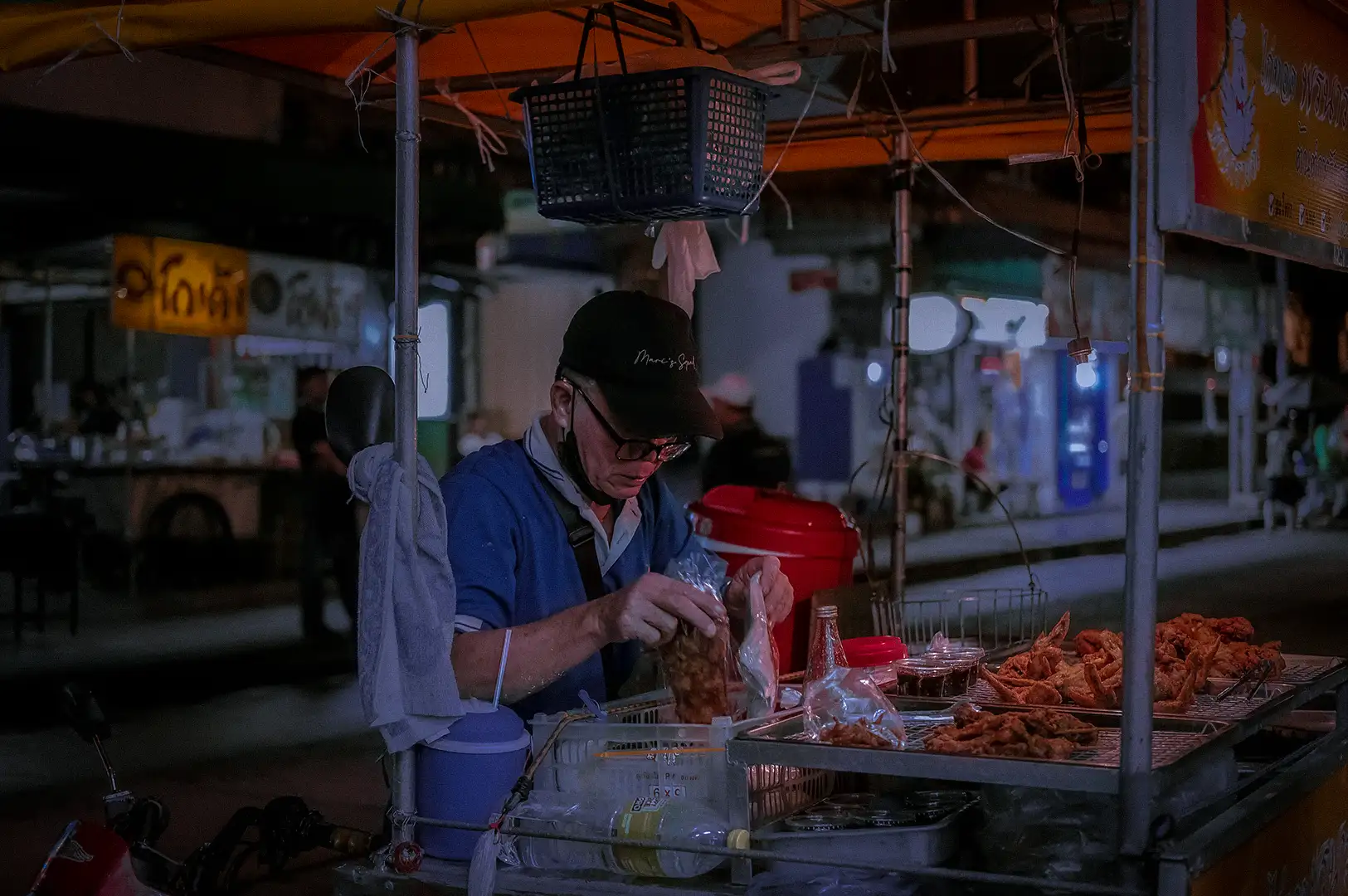
Food businesses adjust to this flow.
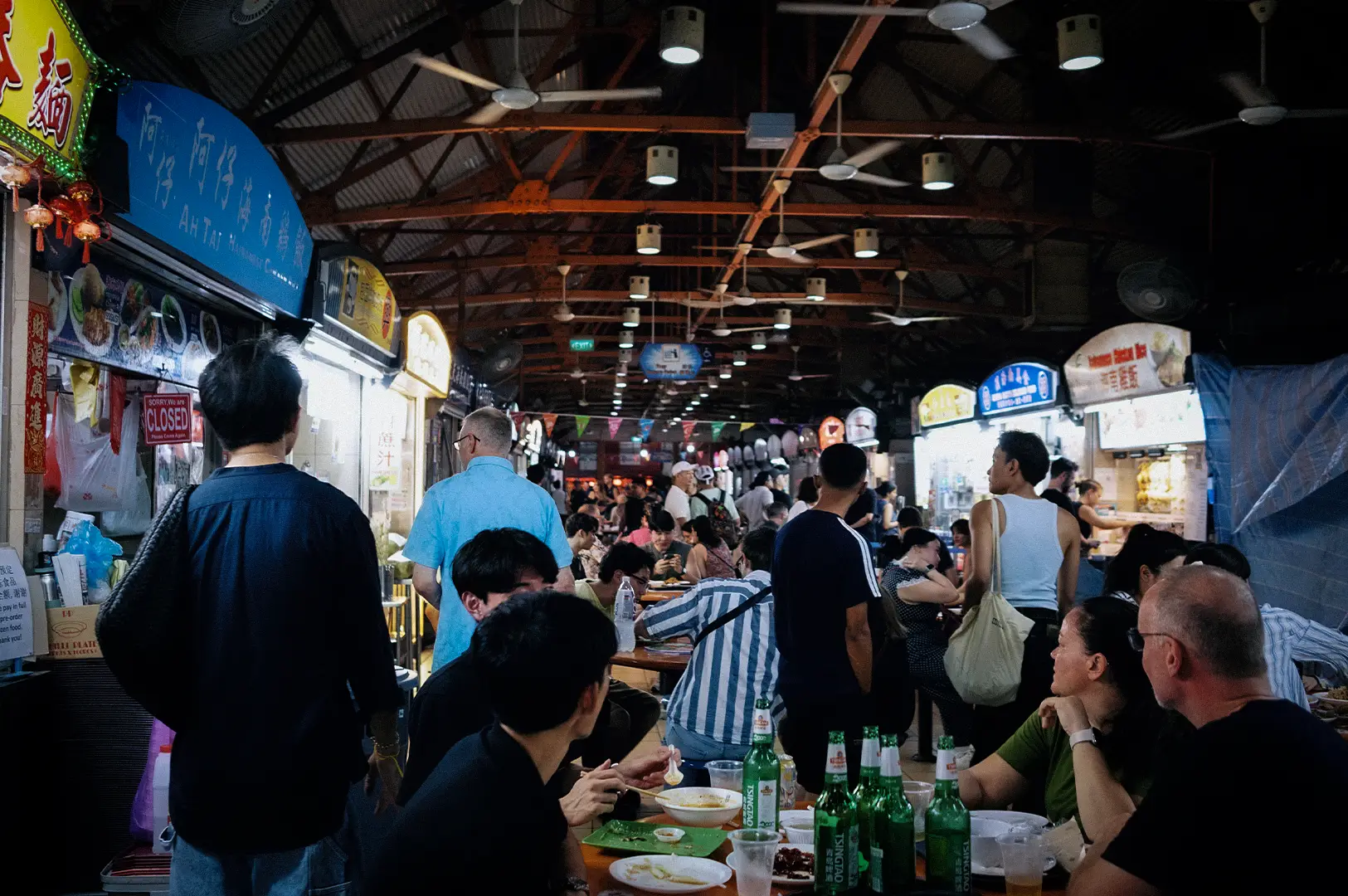
Queues build gradually. Seating fills more steadily. The pressure is distributed rather than concentrated into a single peak.
The station acts as a release point.
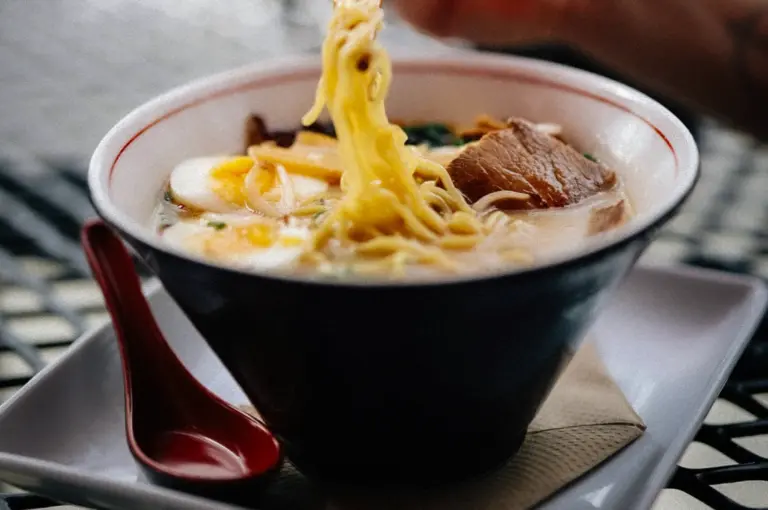
Each arriving train sends another group of potential diners into the surrounding area. Some head directly toward familiar stalls. Others take a few moments before deciding where to eat.
The process repeats itself dozens of times each evening.
Across the MRT network, many dinner crowds are shaped less by the clock and more by the arrival of the next train.