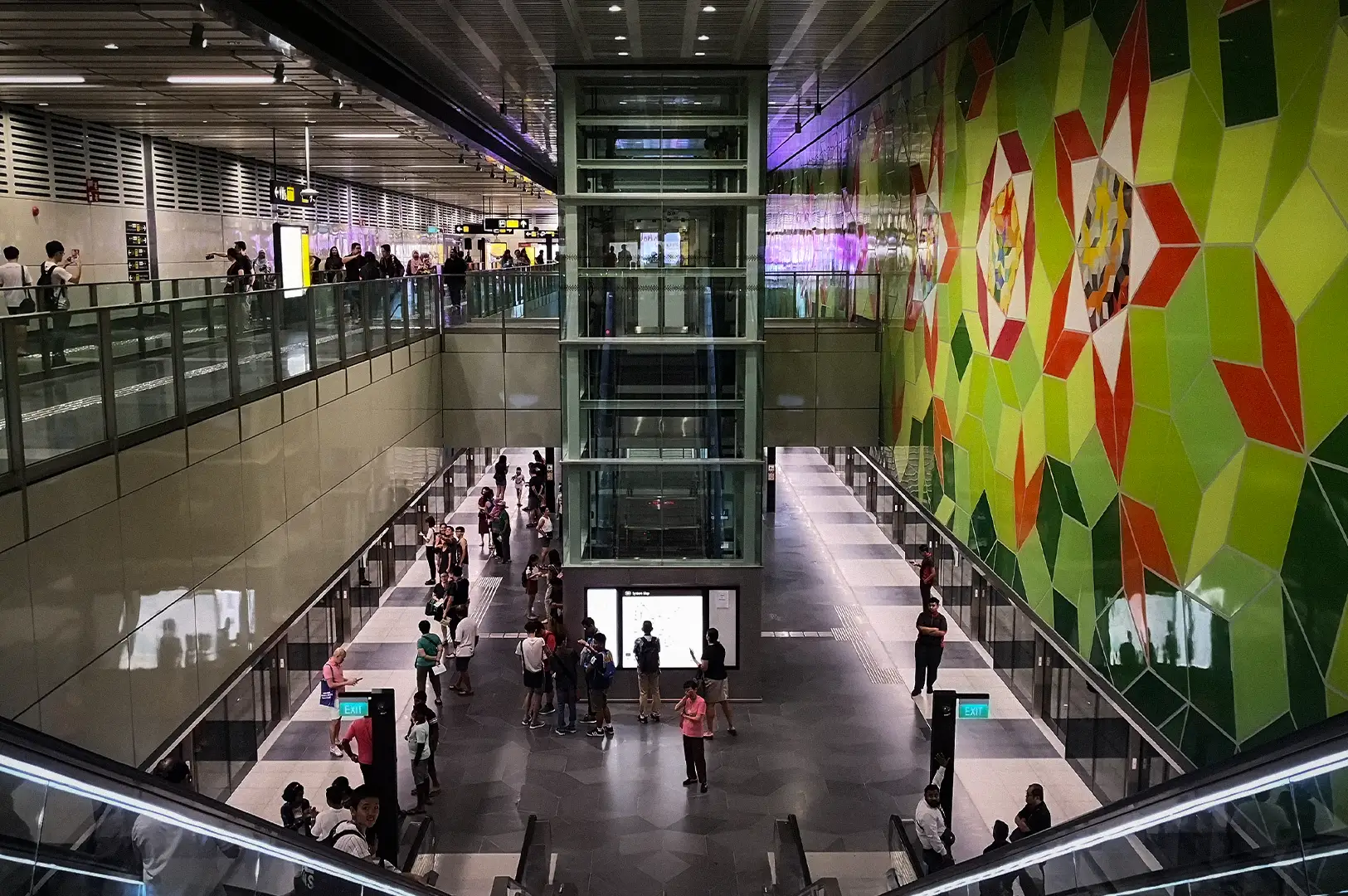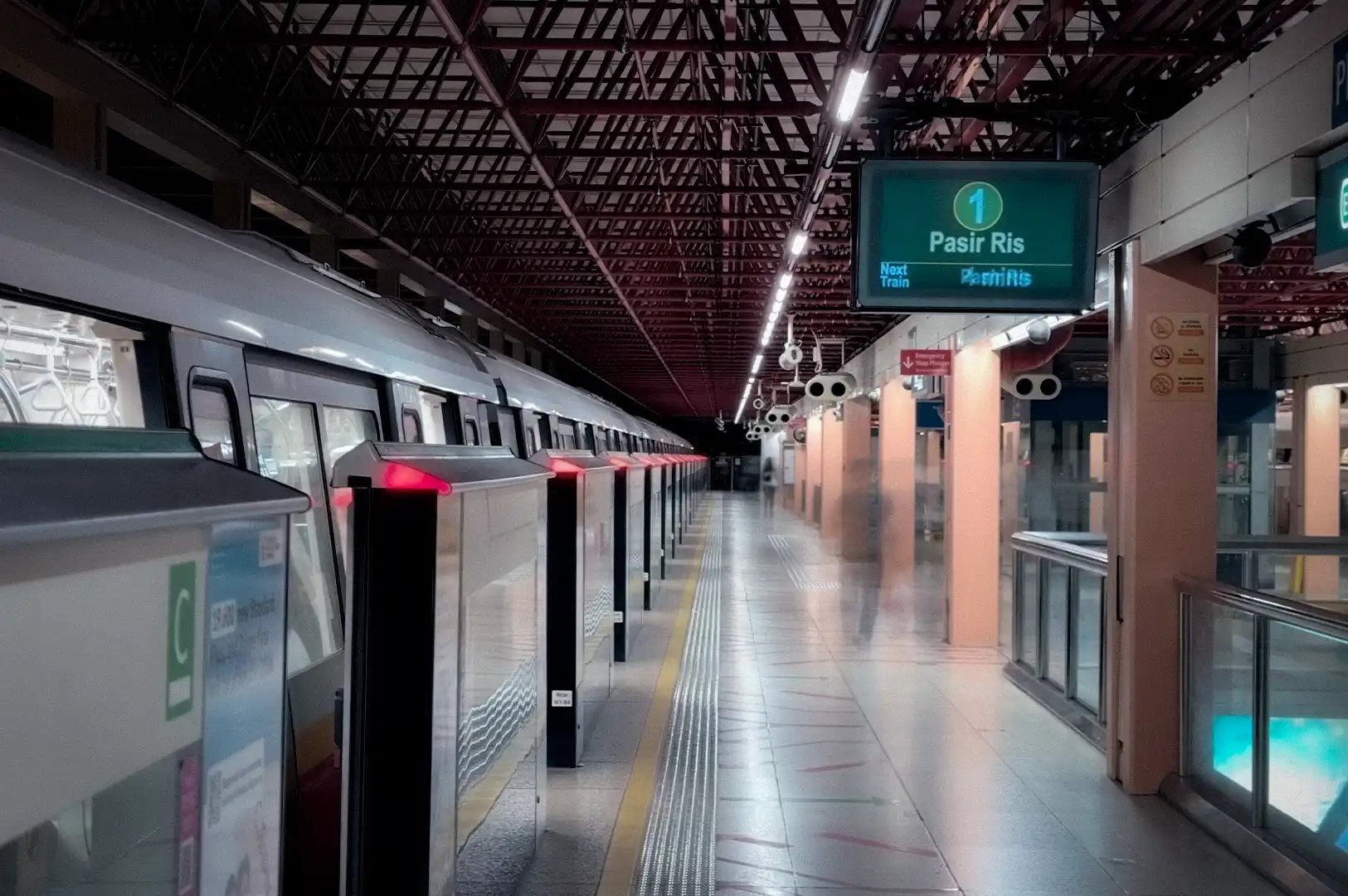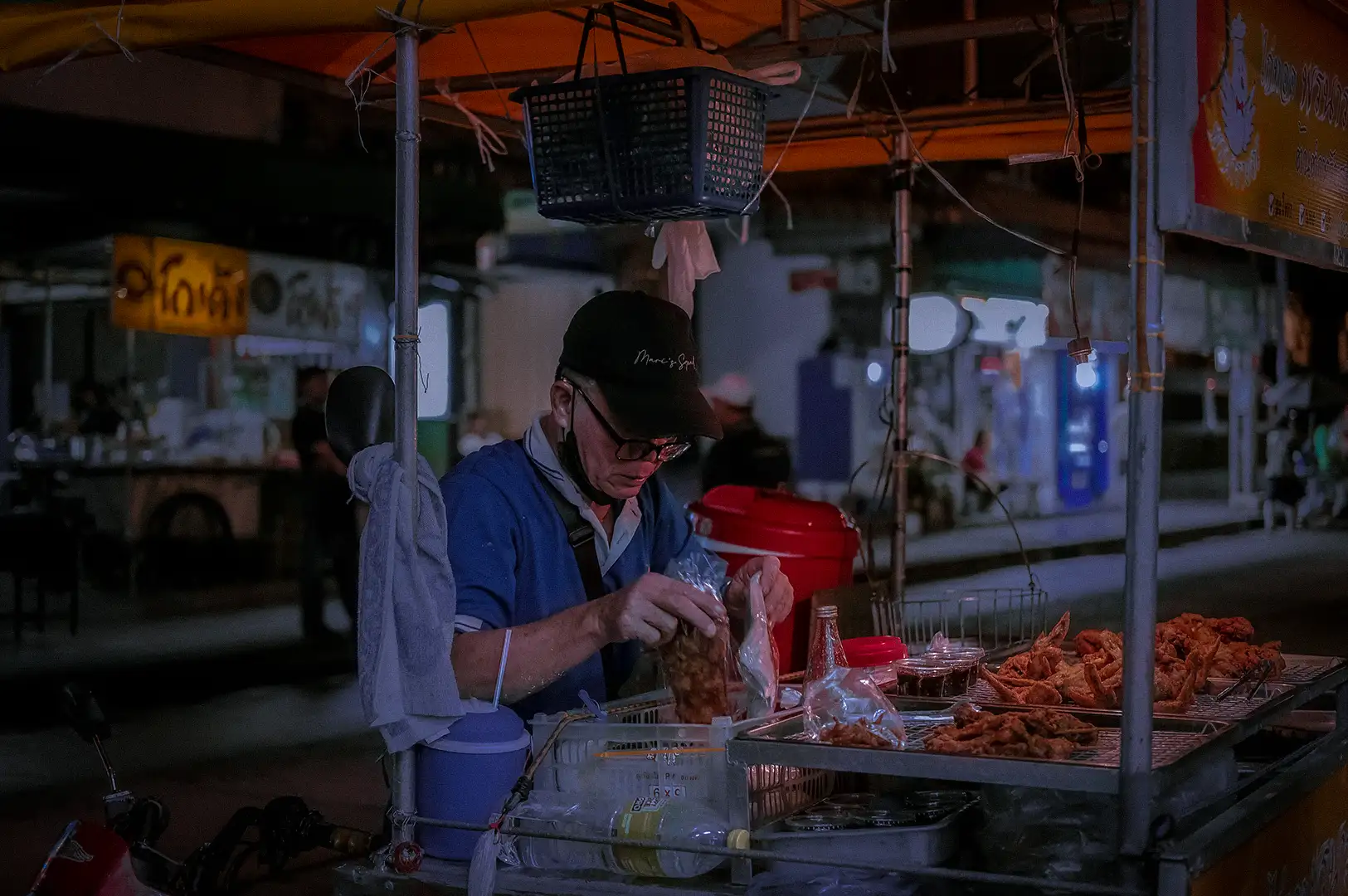
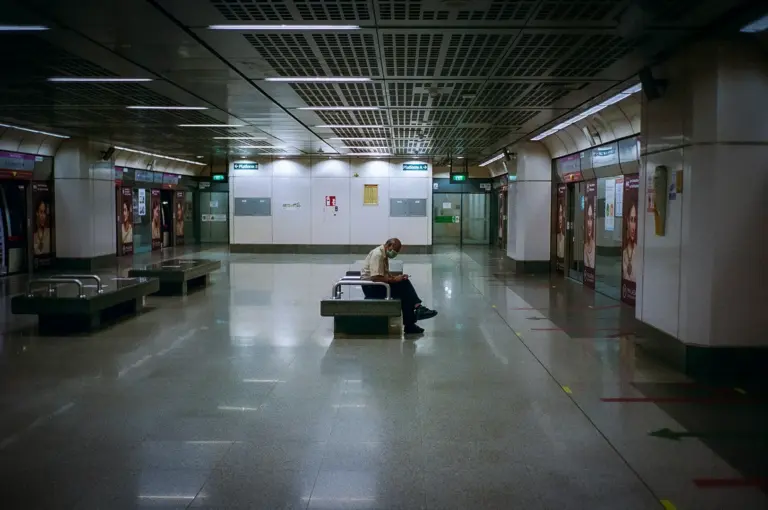
Not every MRT station places food directly outside the exit.
At some stations, the nearest food options are visible the moment commuters tap out. At others, a short walk is required before reaching a coffee shop, hawker centre, or cluster of eateries.
This changes the dining experience.
When food is immediately accessible, especially coffee in the morning, decisions happen quickly. Commuters see the available options and commit within minutes. The station itself becomes part of the food environment.
Where food requires a longer walk, the process becomes different.
People have more time to think about where they want to eat. They may pass multiple options along the way or adjust their plans depending on crowd levels and queues.
The extra distance also affects who visits.
Food places further from the station often rely more on residents and regular customers than passing commuters. The customer base becomes more stable and less dependent on MRT foot traffic.
Across Singapore’s MRT network, the distance between station and meal influences how people eat.
Sometimes a few extra minutes of walking is enough to change the entire decision.