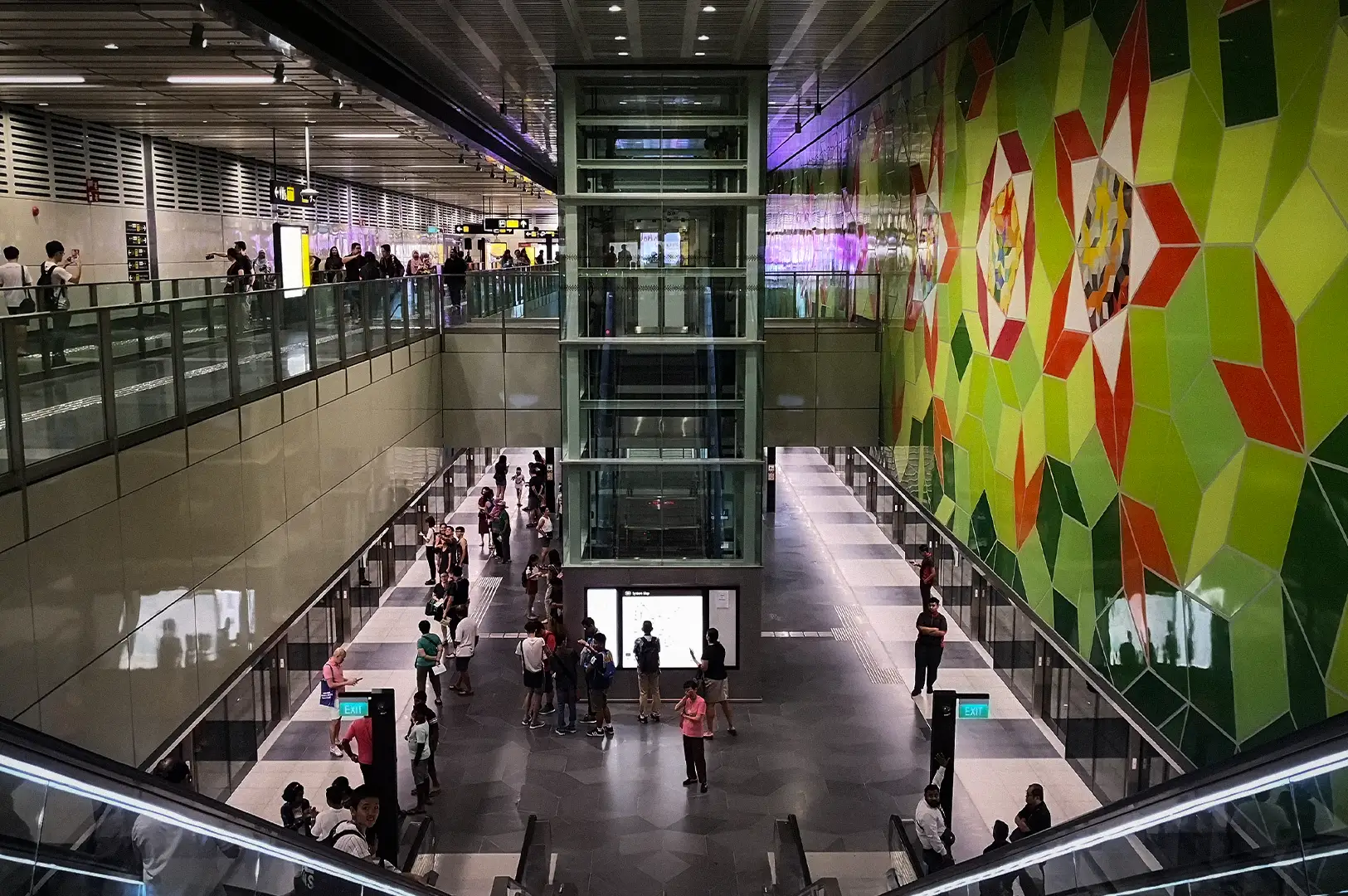
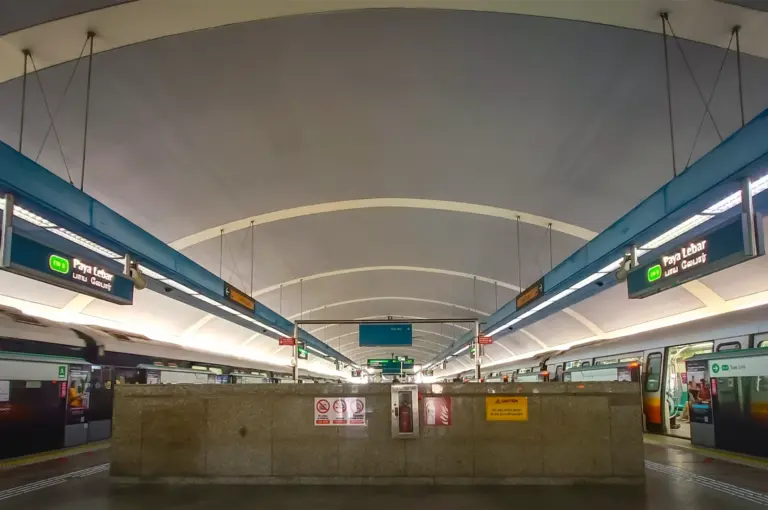
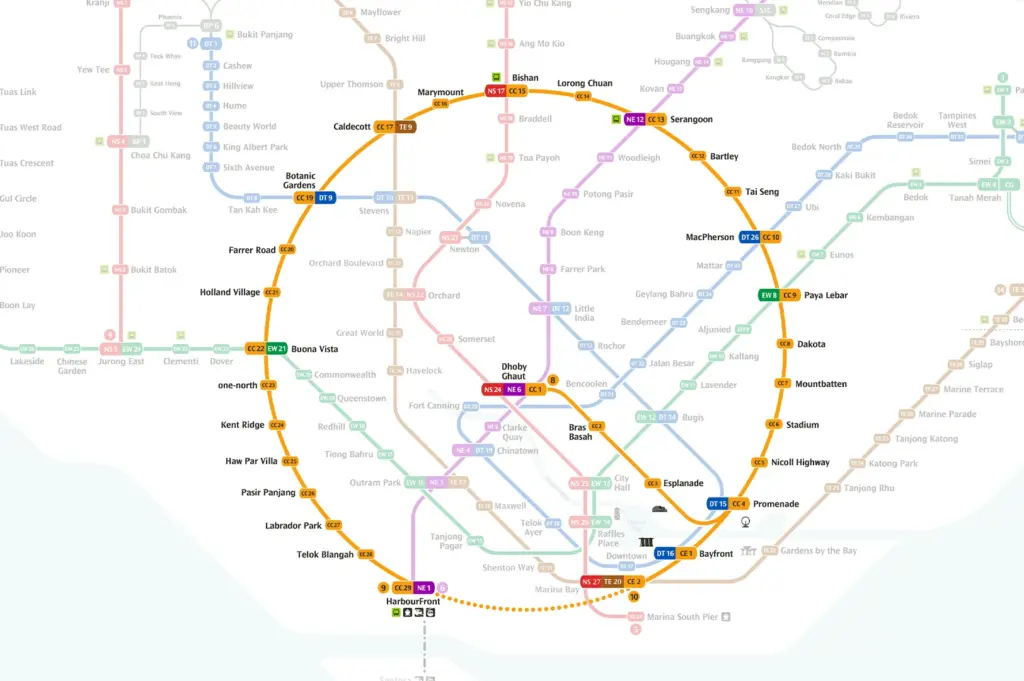
Stepping into Paya Lebar MRT station, you immediately feel the difference. This is not just another stop along the East West Line or a typical Circle Line station; it’s a major interchange station where movement and connectivity define everything.
I’ve passed through this MRT station countless times, usually during peak hours, observing how commuters experience the concourse level and navigate between island platforms. The signs guide passengers toward exits that connect directly into malls and surrounding streets, linking the Circle Line (CCL) and East West Line seamlessly.
Over time, I realised something more practical: people aren’t just passing through this station; they’re stopping here to eat. And if you’re specifically looking for Paya Lebar halal food, this area becomes one of the most convenient and accessible parts of Singapore to explore.
Paya Lebar: A Halal Food Hub Built on Connectivity
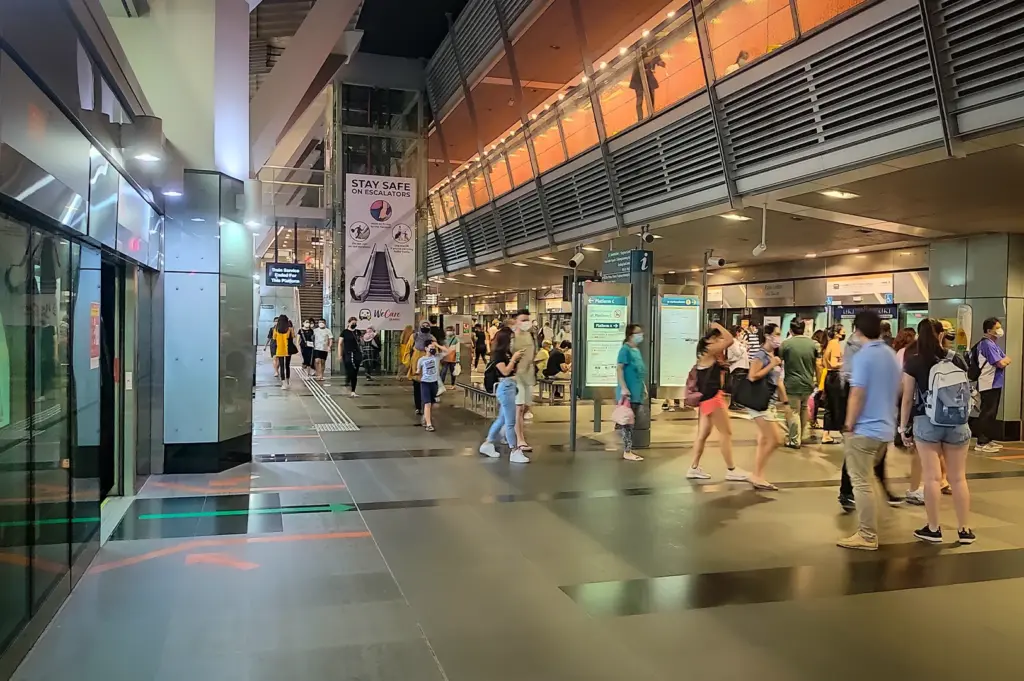
The strength of Paya Lebar station lies in its connectivity. As an interchange between the Circle Line (CCL) and the East West Line, it pulls in high passenger traffic from different parts of the city. The surrounding district, with its mix of commercial and residential developments, is built around that movement.
You have:
Paya Lebar Quarter (PLQ)
SingPost Centre
Paya Lebar Square
City Plaza
Streets along Paya Lebar Road and Sims Avenue
Nearby landmarks like Masjid Wak Tanjong and Tanjong Katong Complex
All within walking distance from the MRT exits. For halal food, this matters. The area sits close to strong Malay-Muslim communities and heritage landmarks, shaping what you find here, from modern halal chains to heritage dining. MRT stations often serve as more than just transit points; they are mrt food hubs where the convenience of travel meets the comfort of food, making them natural gathering spots for diverse culinary experiences. At Paya Lebar, this synergy is especially evident, as the station’s design and location encourage commuters to pause and enjoy a meal, turning everyday journeys into flavorful explorations.
1. Encik Tan at SingPost Centre
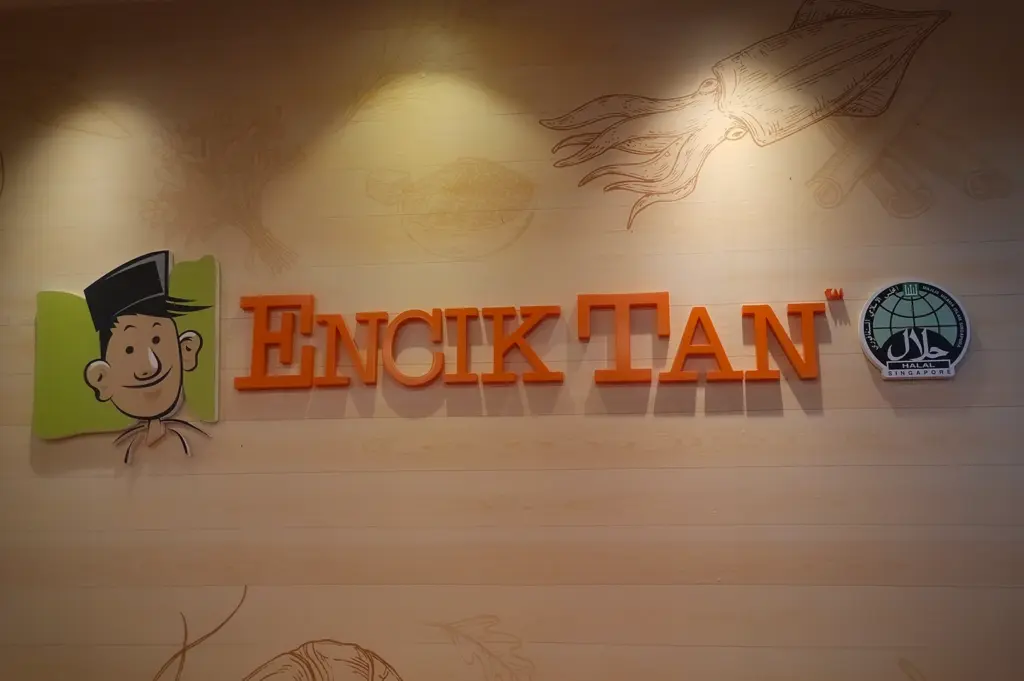
The first place I usually think of when stepping out of the MRT is Encik Tan. Located within SingPost Centre, which is directly connected to the MRT station, it’s one of the easiest spots to reach without stepping out into the heat. Encik Tan focuses on halal Chinese-style food, making it stand out in the Paya Lebar halal food scene.
On most visits, the queue moves quickly, and people already know what they want. The menu is straightforward:
Chicken rice
Wanton noodles
Curry rice
Fried rice dishes
Prices sit comfortably between $5 to $8, making it one of the more accessible options in this part of Paya Lebar. From observation and reviews, the appeal is clear. The food is consistent, portions are reasonable, and the experience is efficient. Encik Tan fits naturally into the rhythm of the station, catering to commuters who want a quick, reliable meal during their journey.
Most people here:
Step in after exiting the MRT
Order quickly
Eat within a short time
Leave to continue their travel
2. Stuff’d at Paya Lebar Quarter
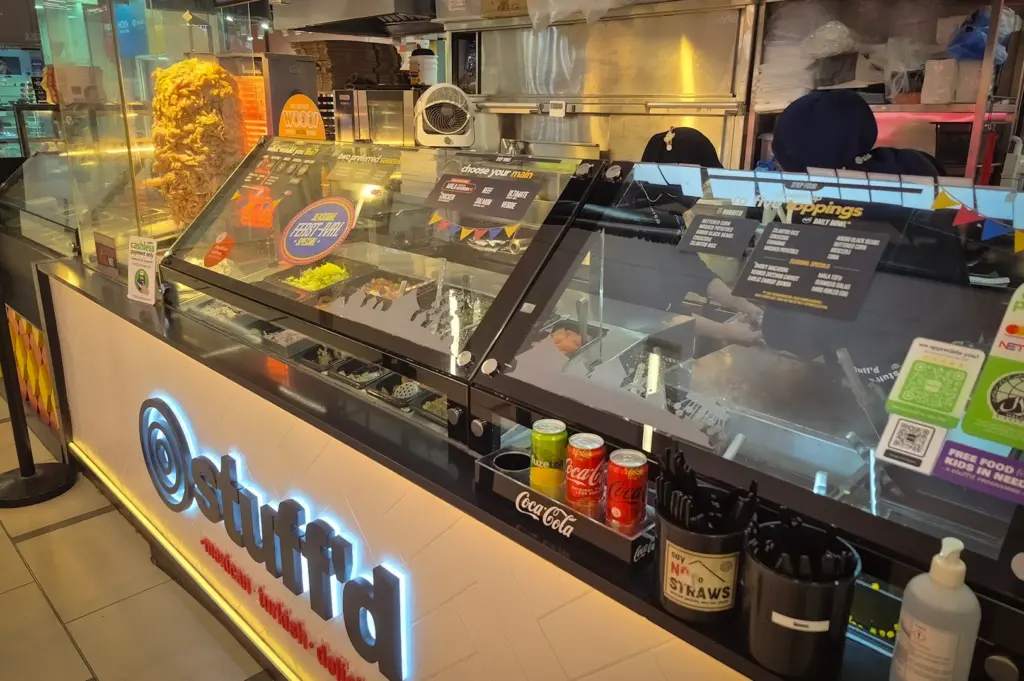
A short walk through the PLQ concourse leads to another common stop, Stuff’d. Compared to Encik Tan, Stuff’d feels more modern but serves a similar purpose: fast, reliable meals that fit into busy schedules.
The menu revolves around customisable options:
Burritos
Kebabs (wraps)
Rice bowls
Each order is assembled in front of you. During lunch, the line moves steadily, efficient enough that people don’t hesitate to join. Prices range from $6 to $10, depending on choices.
What stands out here is the flexibility offered by Stuff’d, allowing customers to build meals based on protein choice, portion size, and dietary preferences. Portions are generous, food quality remains consistent across outlets, and service is quick even during peak hours. Stuff’d tends to attract office workers from Paya Lebar Quarter and residents of nearby areas like Geylang East and Sims Avenue, who stay slightly longer and often order in groups.
3. Wok Hey at PLQ Mall
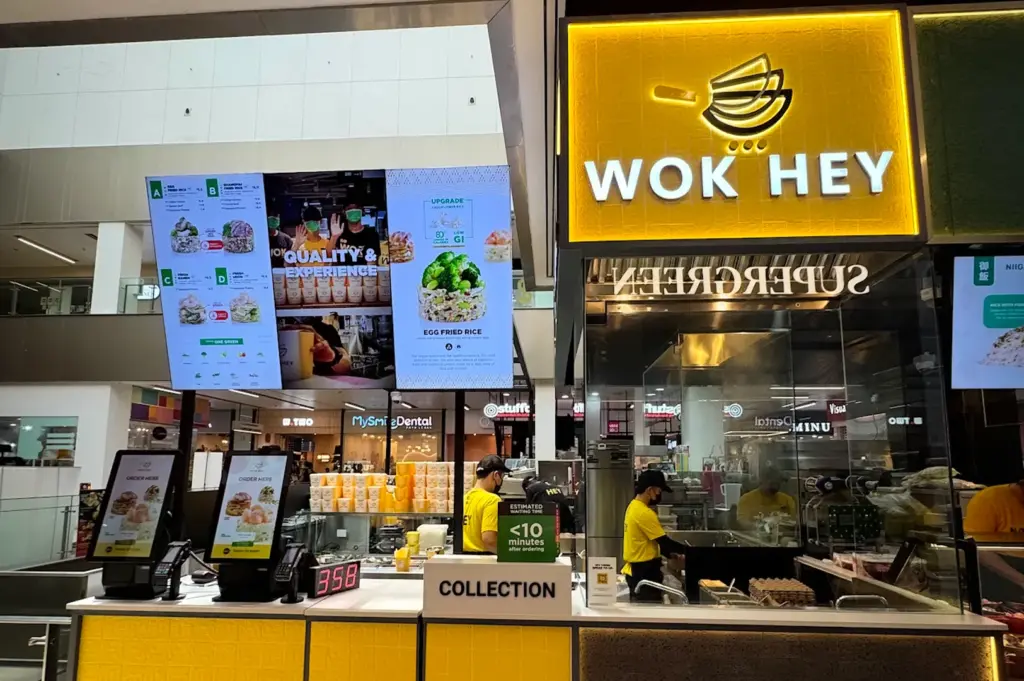
Further into PLQ Mall, another familiar name appears: Wok Hey. Here, the experience shifts slightly. Unlike the previous two, Wok Hey focuses on made-to-order meals, cooked individually in a wok. The waiting time is usually 5 to 10 minutes, enough to change the pace. People here are willing to wait for something freshly prepared.
The menu is simple:
Egg fried rice
Noodle dishes
Add-ons like chicken or prawns
Prices fall between $6 to $10.
From observation, the cooking process at Wok Hey is visible to customers, with orders handled one at a time, which often causes the queue to build during lunch hours. This is the kind of place you choose when you want a hot meal that is freshly cooked and offers a bit more flavour compared to standard fast food options.
Circle Line MRT Station Guide: Choosing the Right Halal Spot
After spending time around Paya Lebar MRT station, the structure becomes clear. The halal food scene here isn’t random; it’s layered.
Each place fits a specific need:
Encik Tan → quick, familiar meals
Stuff’d → customisable fast-casual options
Wok Hey → freshly cooked, flavour-focused meals
Hajjah Maimunah → heritage dining experience
Most people already know which category they’re looking for before they arrive. That’s what makes this Circle Line station different. It’s not about discovering food; it’s about choosing the right one quickly.
Paya Lebar Road: Hajjah Maimunah and the Shift to Heritage Dining
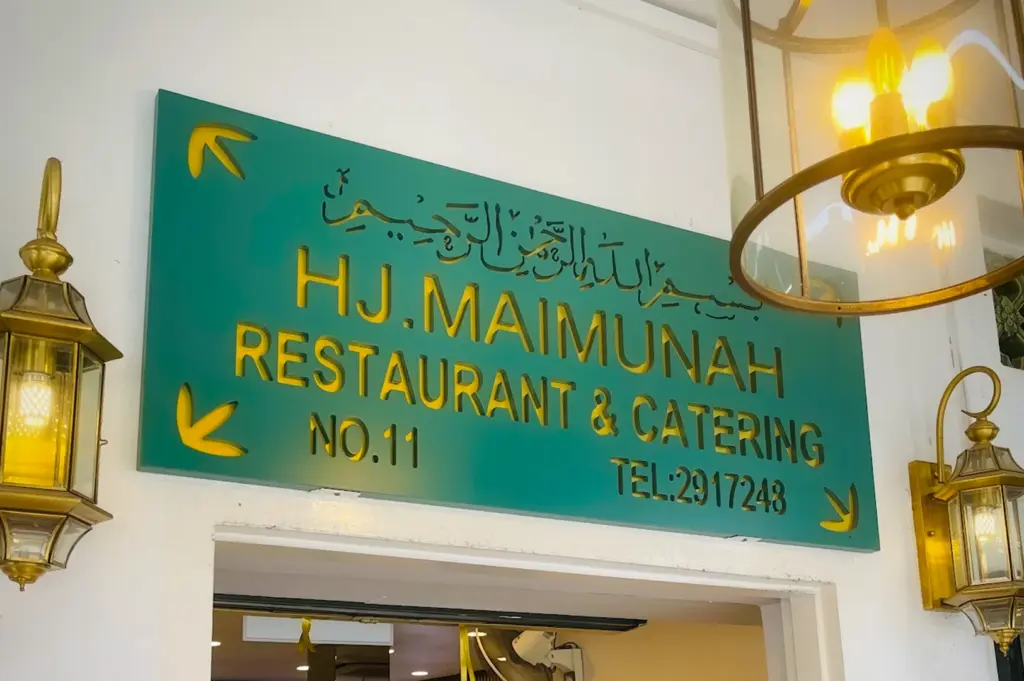
If you move slightly away from the MRT, toward Geylang East or the Sims Avenue stretch, you enter a different category of halal food entirely. Hajjah Maimunah represents that shift. This isn’t fast food. It’s a heritage dining experience rooted in Malay cuisine and recognised with a Michelin Bib Gourmand.
The setup is familiar to anyone who has visited a nasi padang restaurant, with rice at the base and rows of dishes displayed upfront for customers to select. Typical options include beef rendang, sambal goreng, ayam bakar, and various vegetable dishes. Prices vary depending on selection, usually ranging between $8 to $15.
What stands out here is the depth of flavour; the food feels richer and more intentional. The crowd builds quickly during lunch, reflecting its popularity. This is the place where people take their time choosing dishes, meals last longer, and conversations extend beyond eating. It’s not just about convenience; it’s about the overall dining experience.
Paya Lebar MRT Station: Why This Area Works for Halal Food
There’s a reason why Paya Lebar halal food stands out compared to other MRT stations.
It comes down to three factors:
Accessibility: The MRT station connects directly into malls and nearby streets. No long walks, no complicated routes.
Cultural Influence: The proximity to Malay communities, Masjid Wak Tanjong, and heritage areas shapes the food landscape.
Commercial Development: Places like Paya Lebar Quarter, SingPost Centre, Paya Lebar Square, and City Plaza bring modern dining into the mix.
Conclusion: Eating Your Way Through Paya Lebar MRT
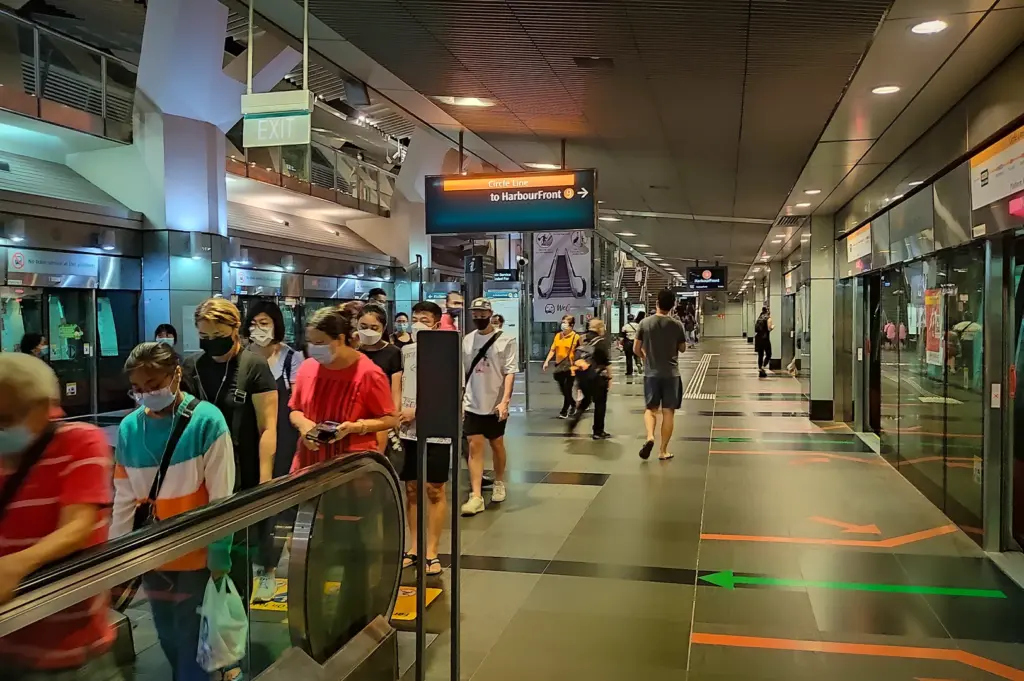
Every time I pass through Paya Lebar MRT station, I notice how the space is designed for movement, yet within that movement, there are moments where people pause, and food is usually the reason. Whether transferring between the East West Line and Circle Line, stepping out for a quick lunch, or planning a longer meal, this station offers options that are accessible, halal-certified, and structured around real needs.
Once you understand how each place fits into that system, choosing where to eat becomes straightforward. This thoughtful design and variety make Paya Lebar one of the most practical halal food destinations on the MRT Circle Line network, reflecting the vibrant, multicultural city it serves.