There is a different kind of decision-making that happens late in the evening.
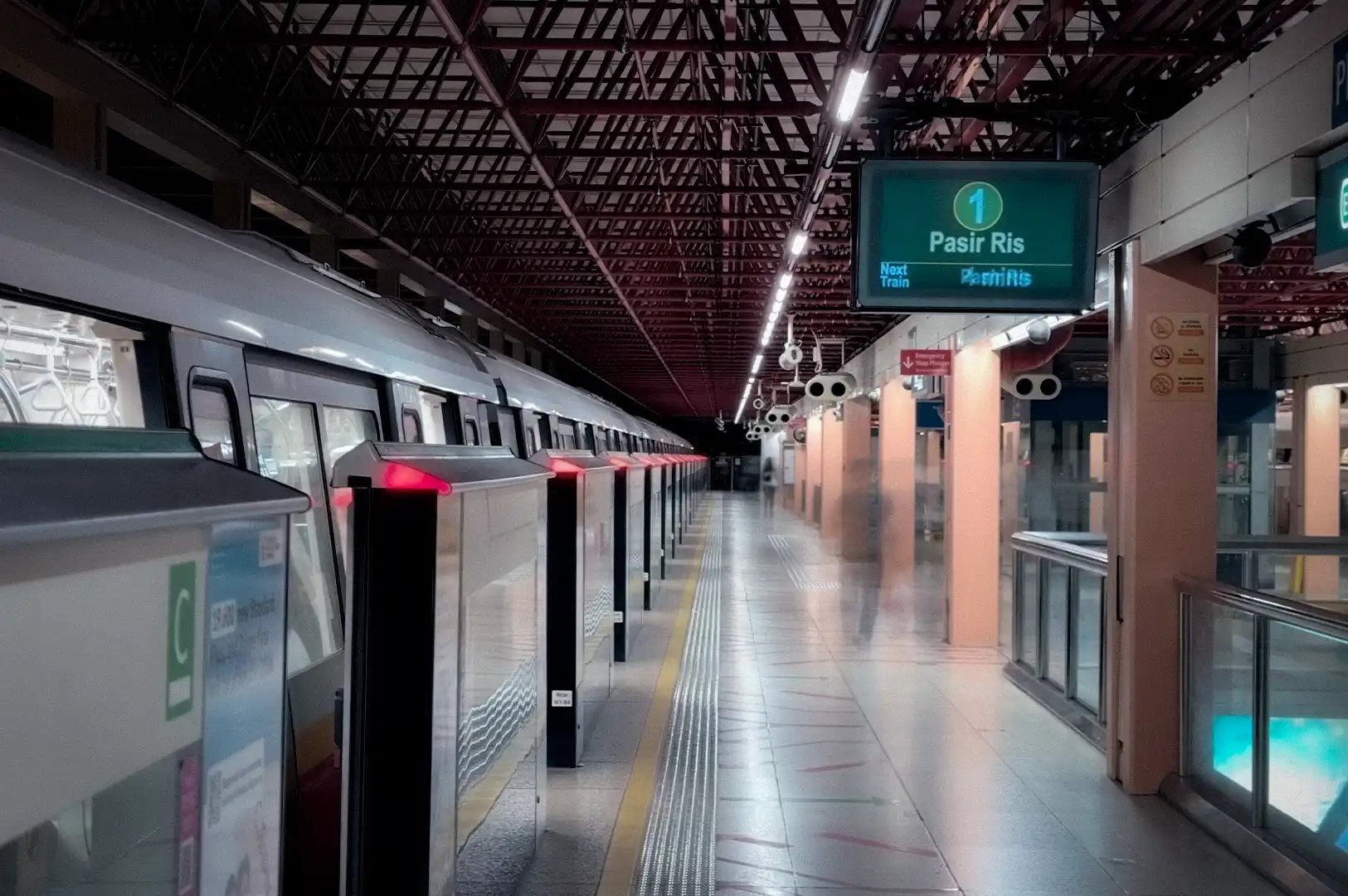
Not the lunch-hour rush, not the after-work crowd, but the quieter period when people start checking the time against the last train.
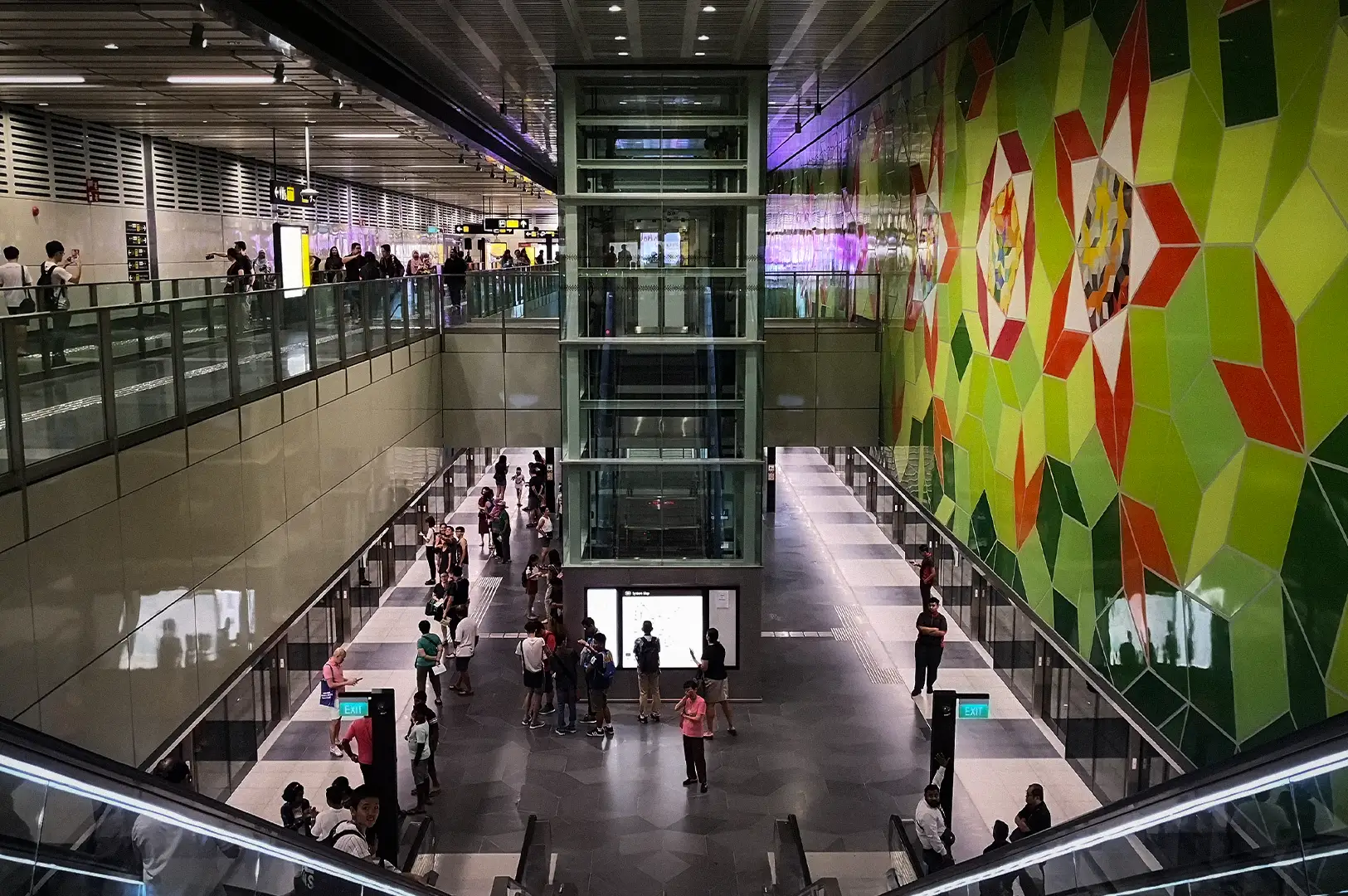
At certain MRT stations, this changes how people eat.
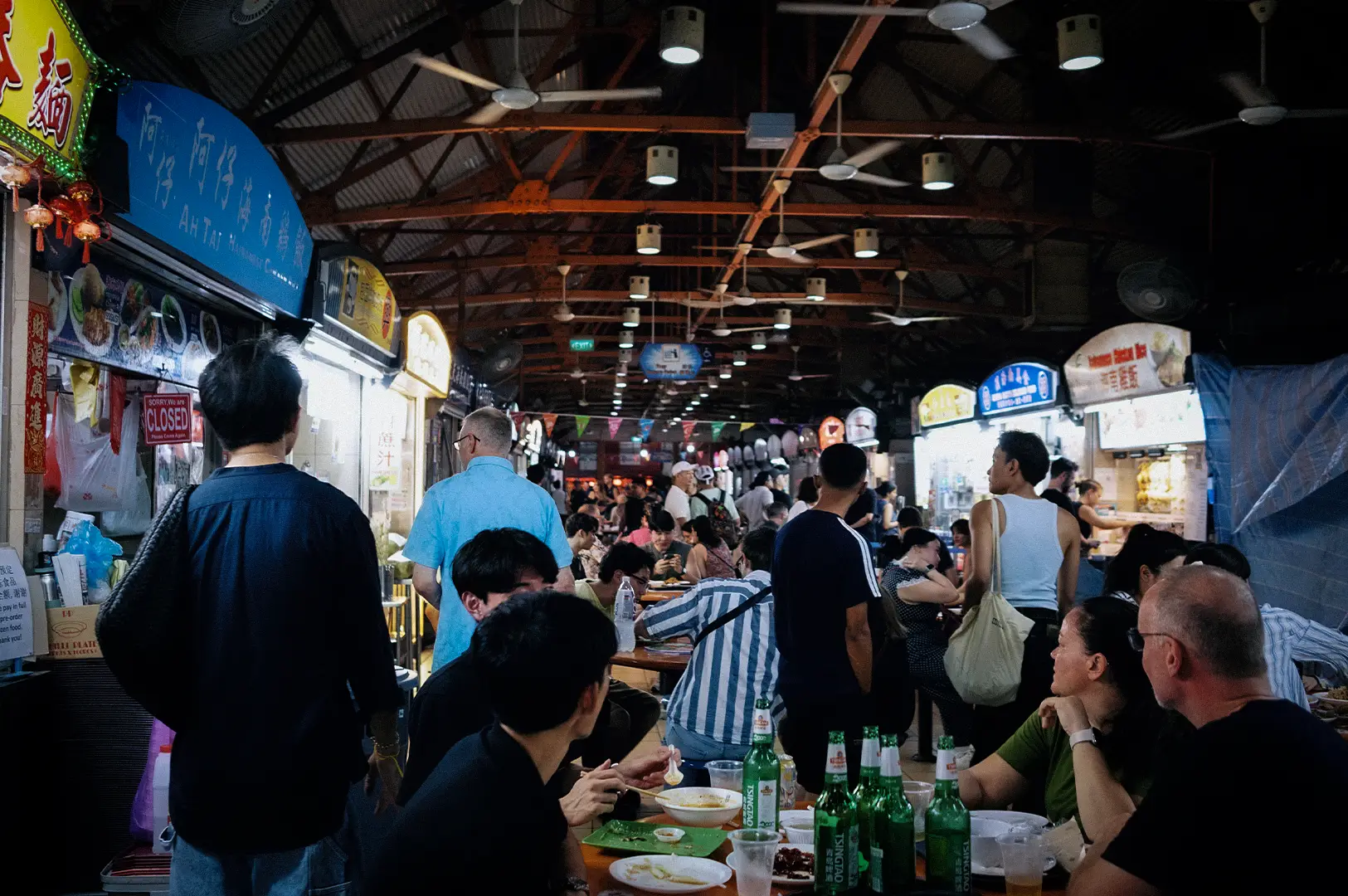
You can see it in the pace. Commuters move more deliberately, but also more cautiously. There is less willingness to explore. Food options closer to the station become more important, especially those that can be ordered and finished quickly.
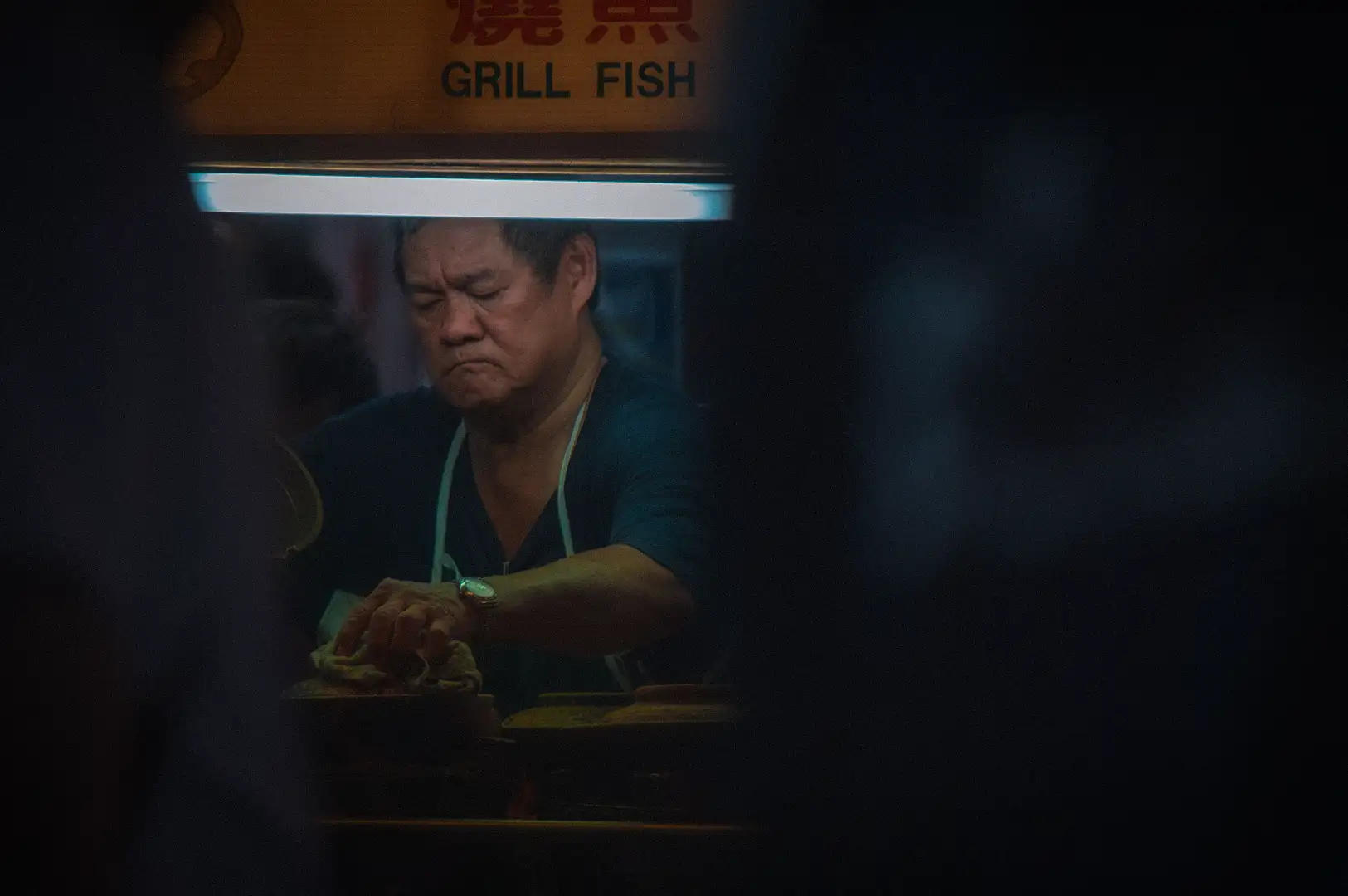
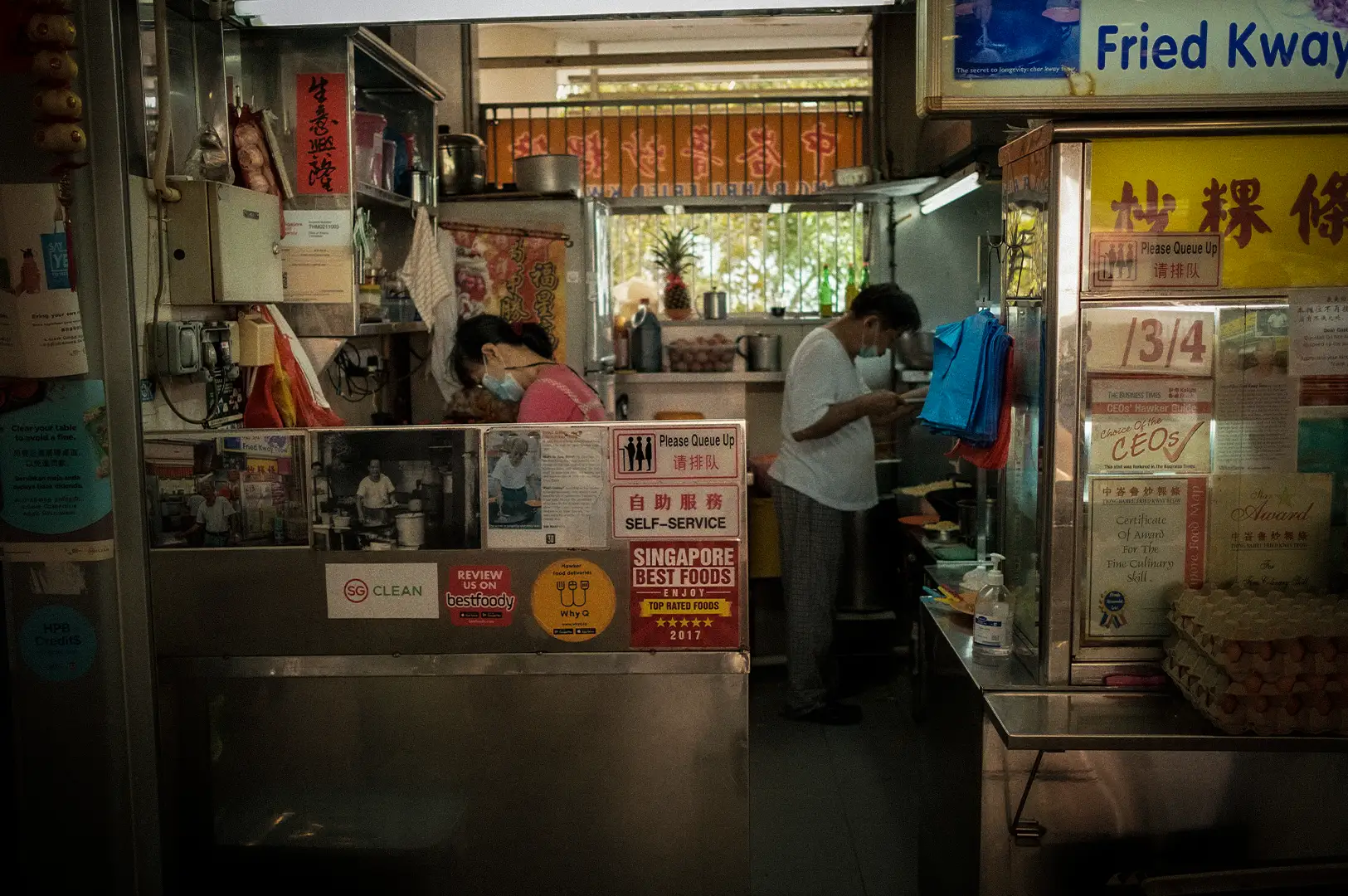
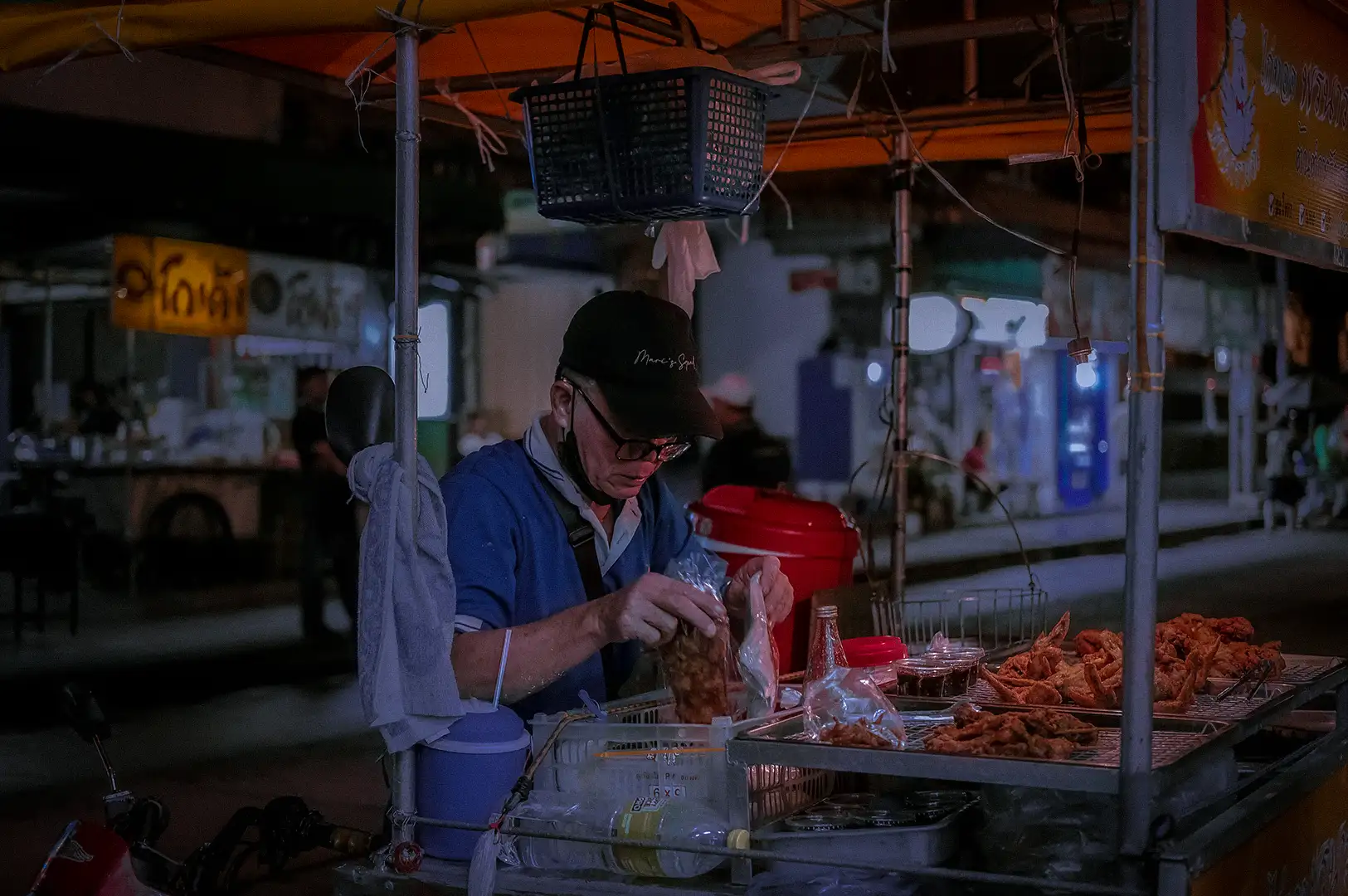
Some stalls remain open just long enough to catch this crowd.
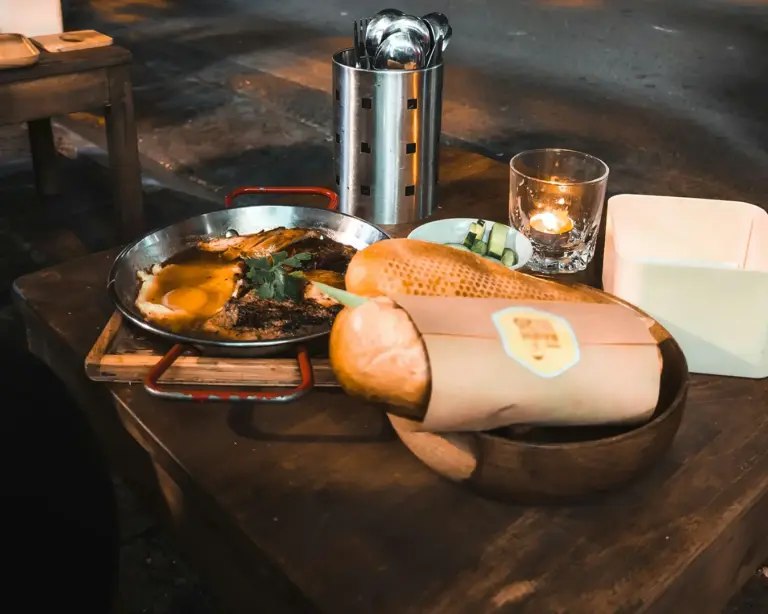
Takeaway becomes more common. Instead of sitting down for a full meal, many people choose something they can bring onto the train or eat quickly before heading back to the platform.
The timing influences everything.
A longer queue may no longer be worth waiting for. A familiar stall becomes more attractive than something new. Even distance matters more, a place that requires an extra five-minute walk can feel too far when the next train might be the last.
At interchange stations, this effect is stronger.
Crowds move in tighter flows, and food choices cluster around areas that are directly connected to the MRT exits. People tend to stay within sheltered routes, avoiding unnecessary detours.
Late evening meals are not about variety.
They are about certainty.
Knowing how long it takes to order, how quickly food is served, and how close the stall is to the station becomes part of the decision.
Across the MRT network, this pattern repeats quietly every night.
As the last train approaches, the way people eat shifts with it.