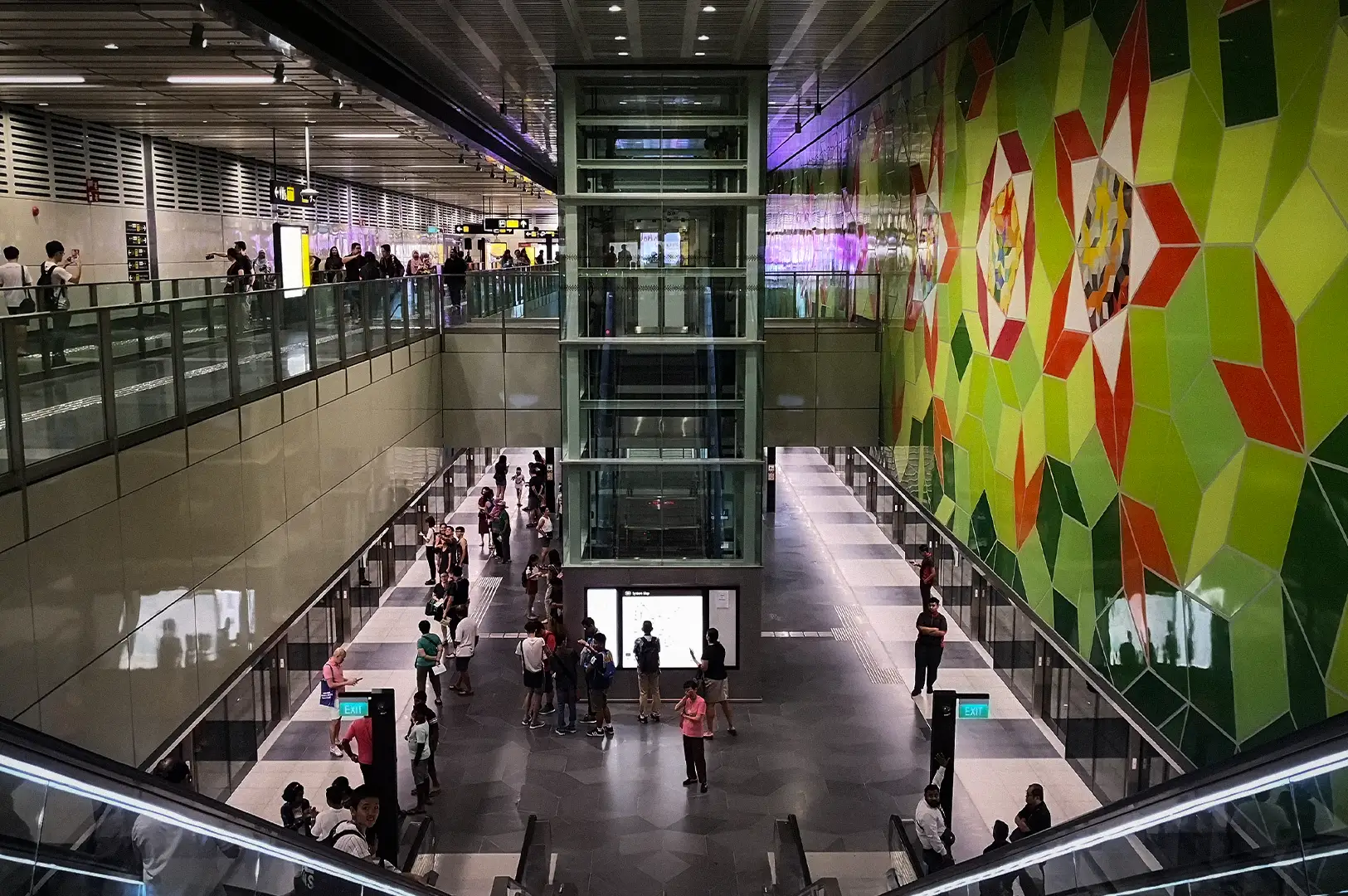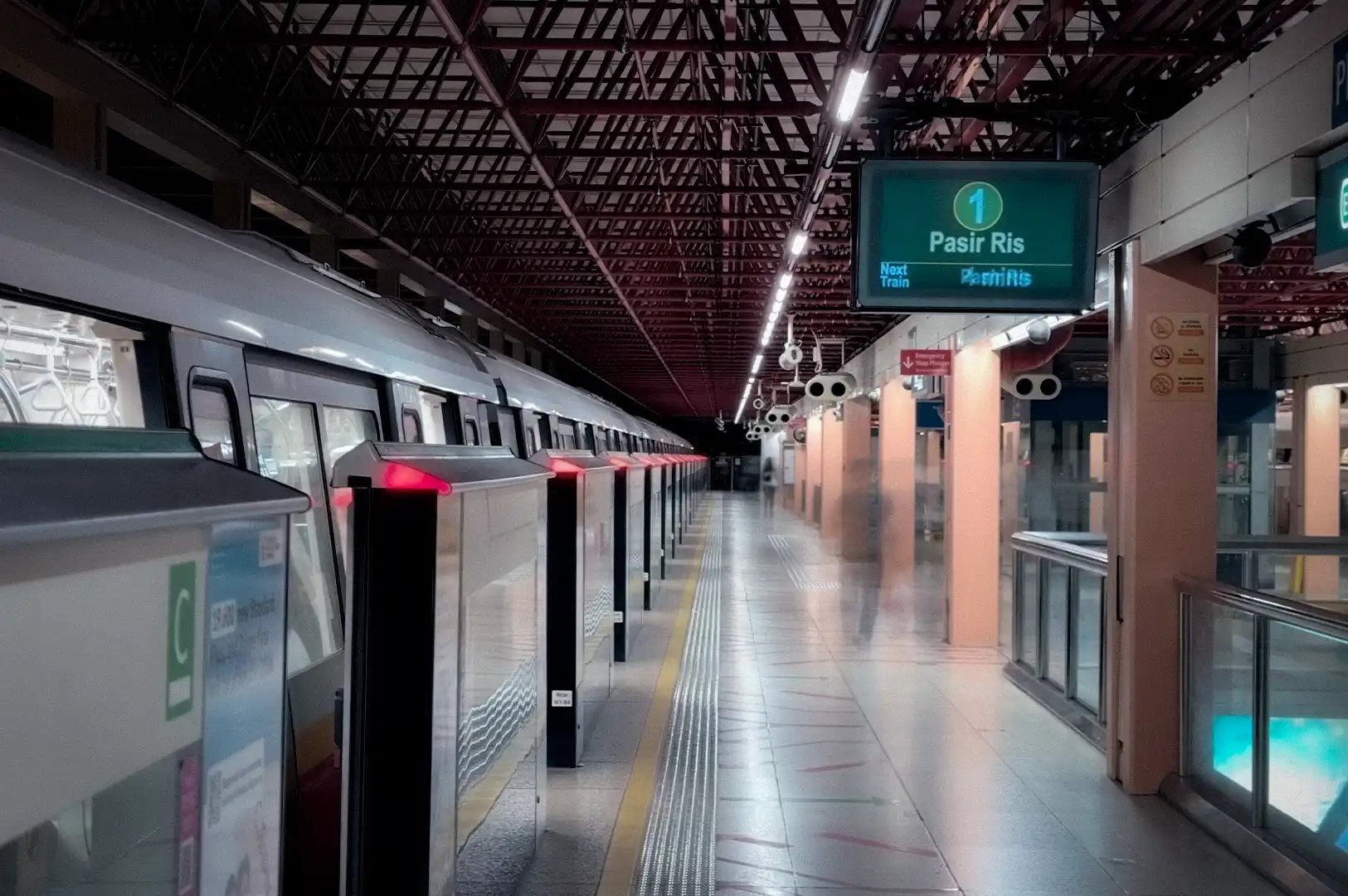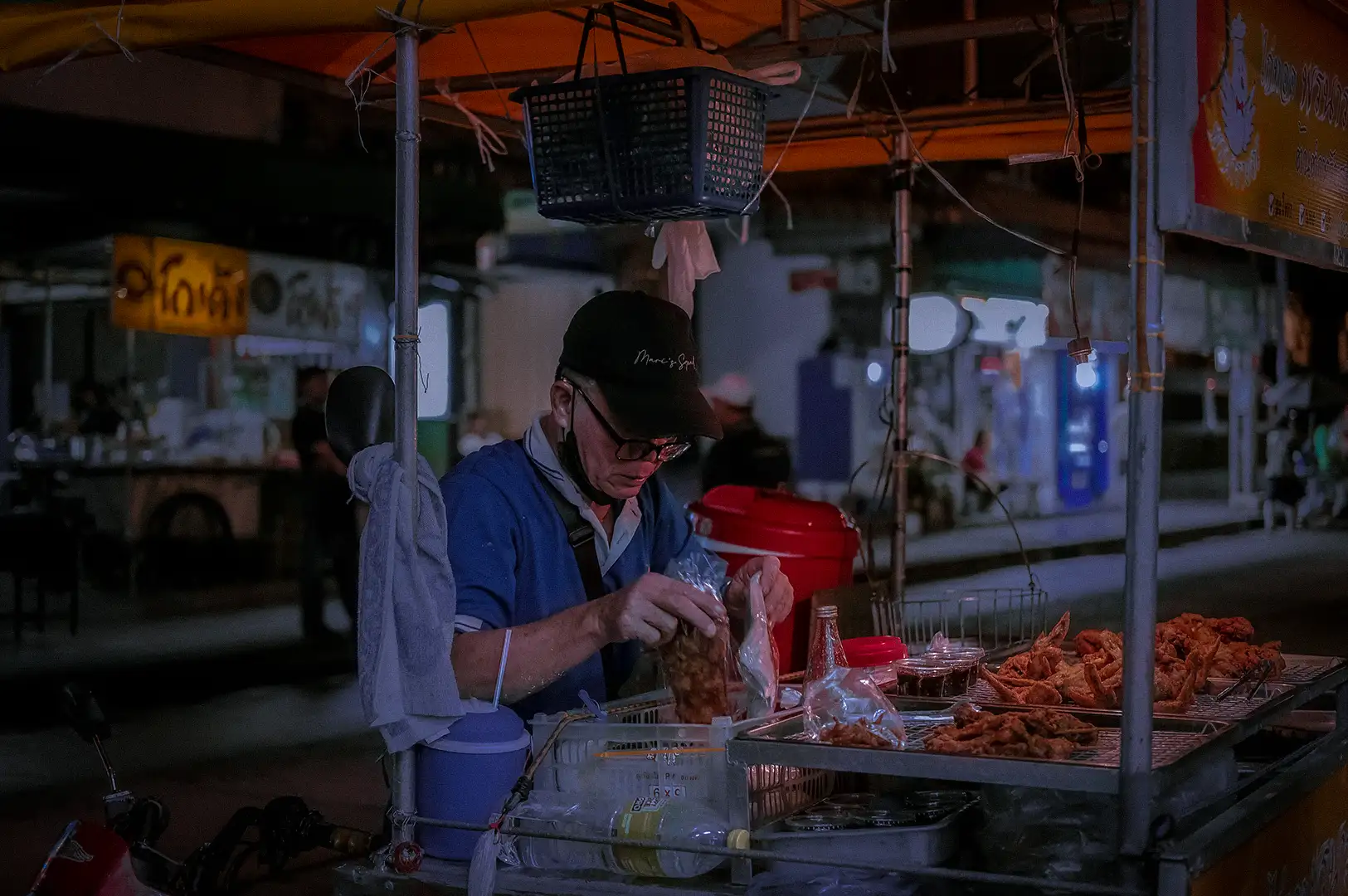
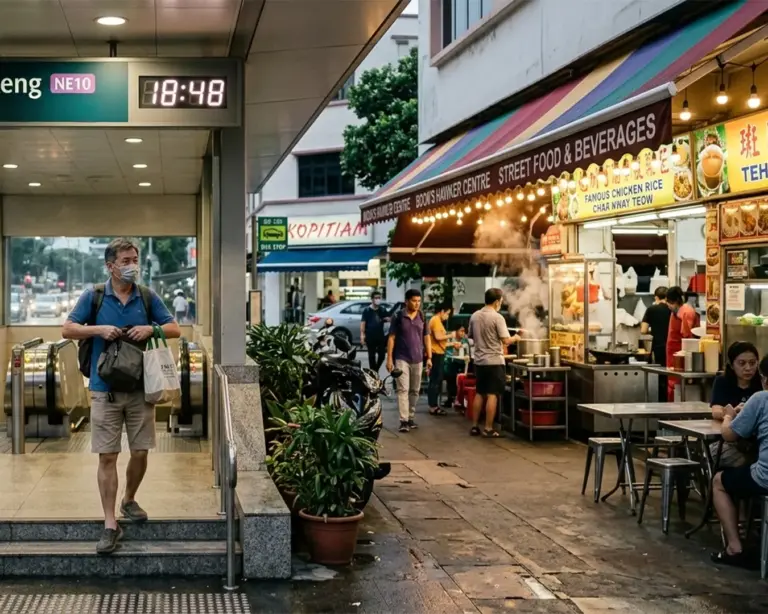
Some MRT stations are not associated with variety.
They are associated with consistency.
At these stations, dinner tends to follow a predictable pattern. Commuters step out, walk toward familiar food spots, and order meals they have had many times before. The process is quick, and there is little hesitation in the decision.
These stations are usually surrounded by residential areas.
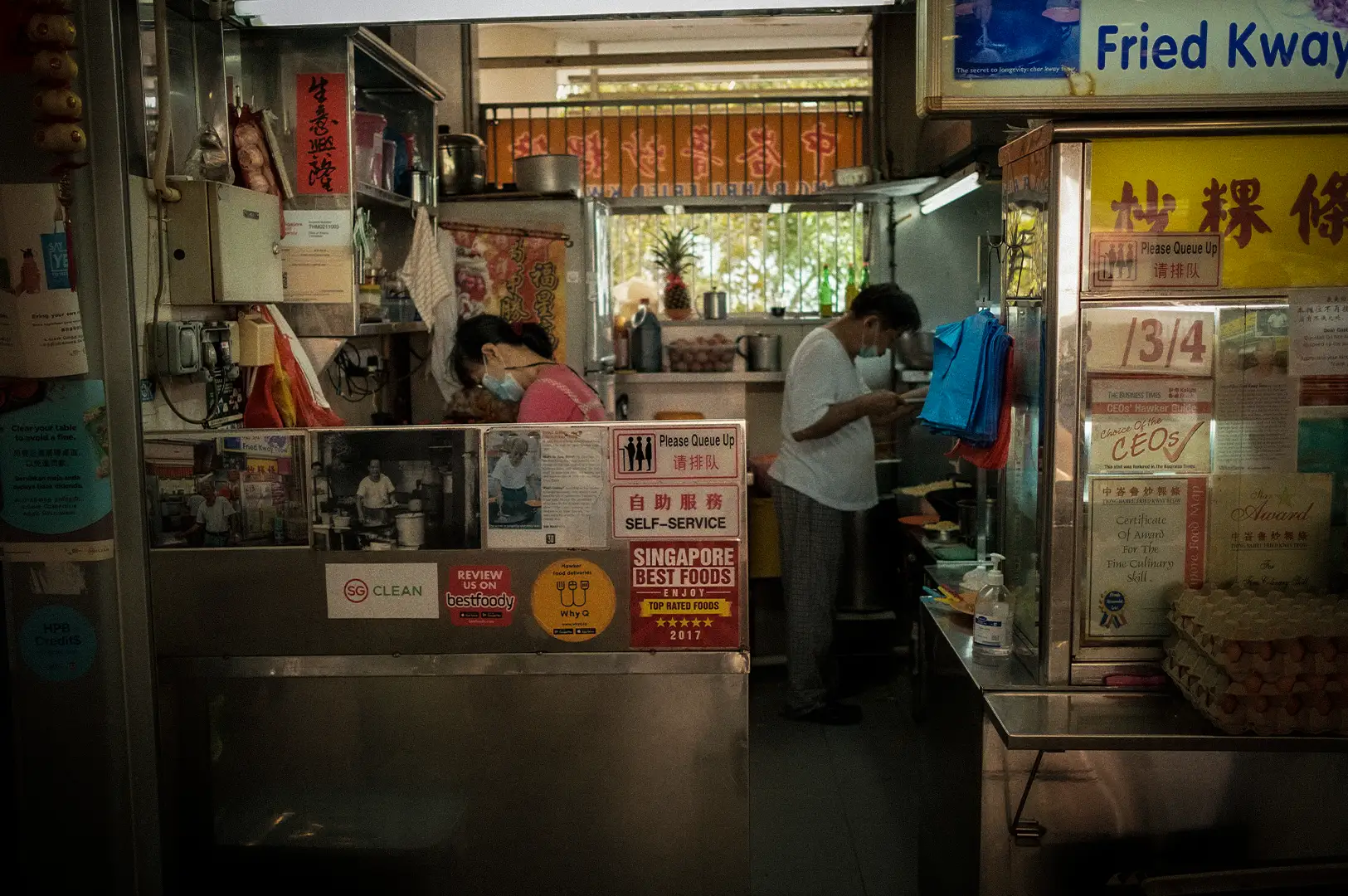
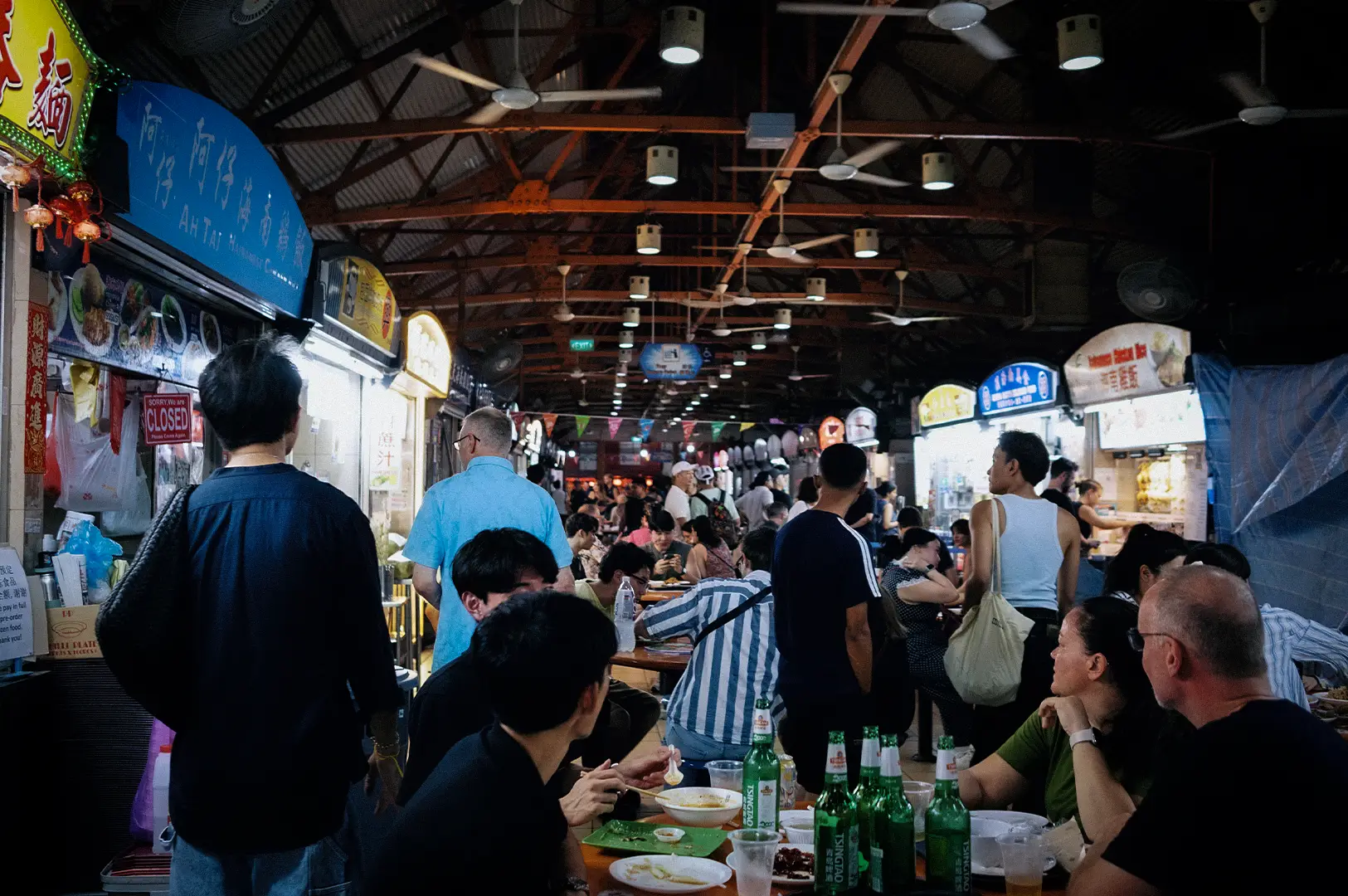
Food options are often located within a short distance from the exits, coffee shops, hawker centres, and small eateries that serve the neighbourhood. The menus do not change frequently, and the stalls focus on a few reliable dishes.
Because of this, the decision-making process is reduced.
People are not comparing options or exploring new places. They are selecting something that fits into their routine. The same stall, the same dish, and often at a similar time each day.
Queues reflect this pattern.
They are steady rather than sudden. Customers arrive in small groups, order quickly, and leave without delay. Seating turnover is consistent, and the pace remains stable throughout the evening.
The station becomes part of that routine.
It is not just where people arrive. It is where they expect to eat.
Across the MRT network, these stations are common.
They may not stand out, but they support a large part of how people eat daily, through repetition, familiarity, and reliability.