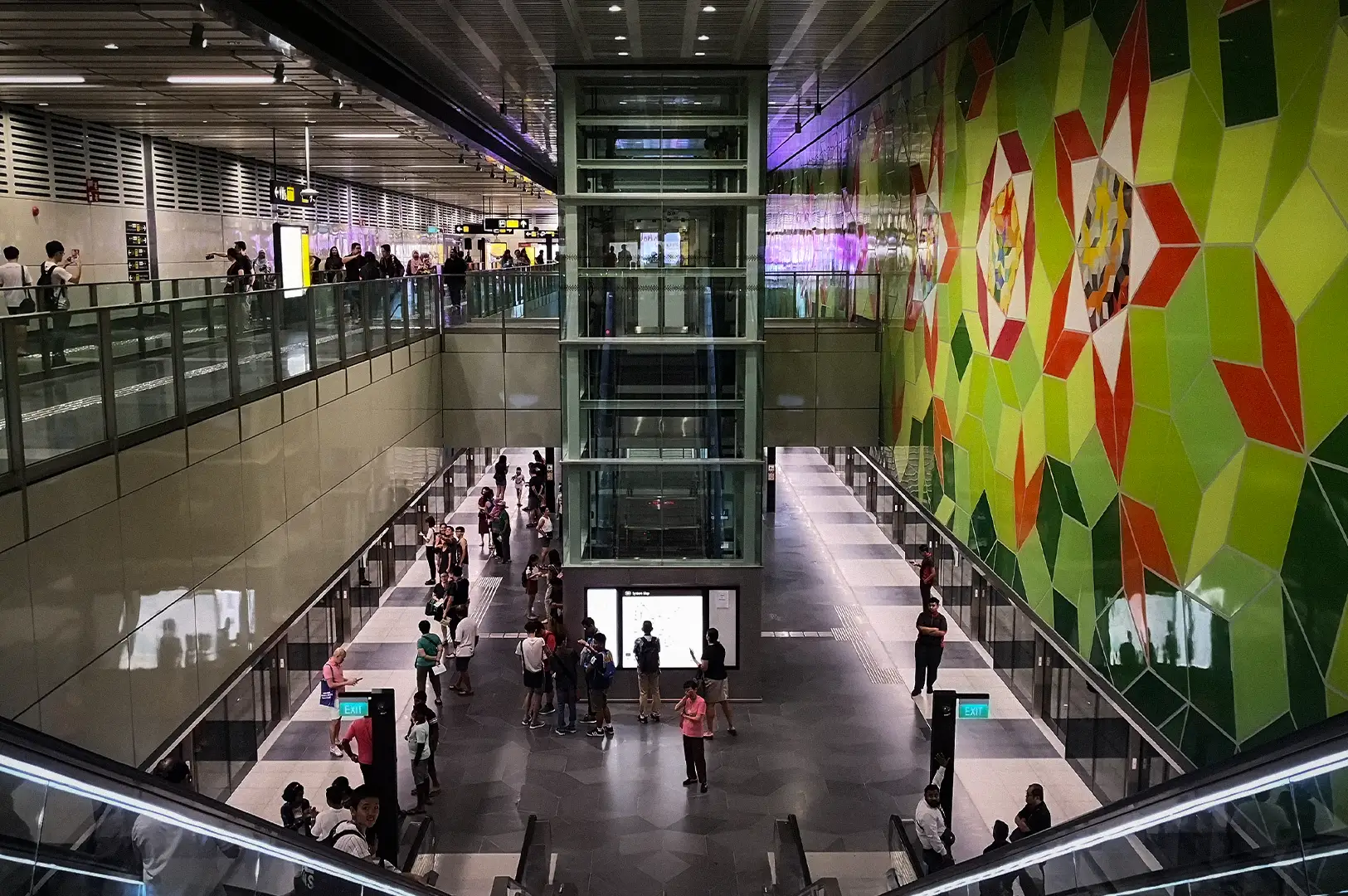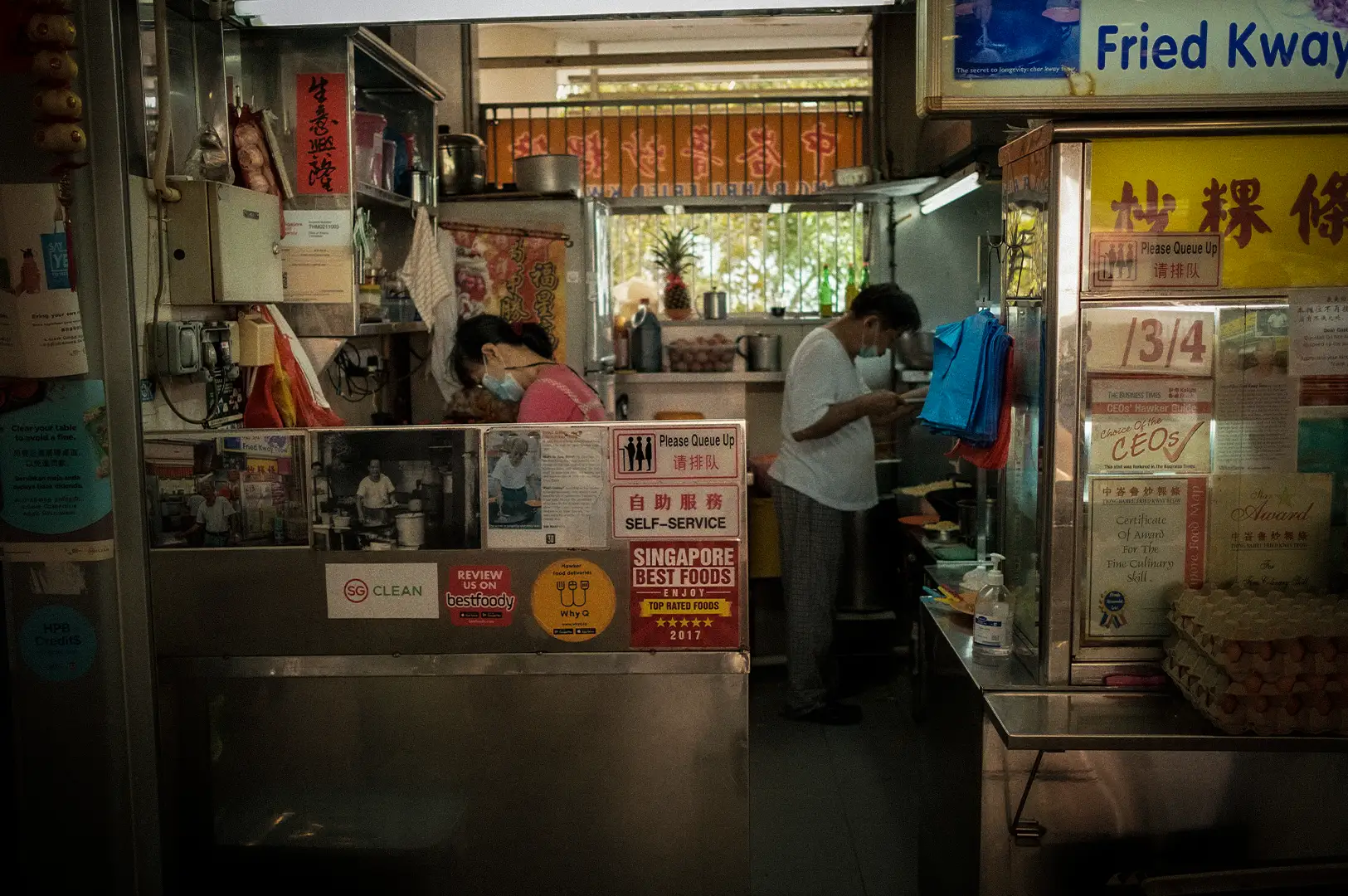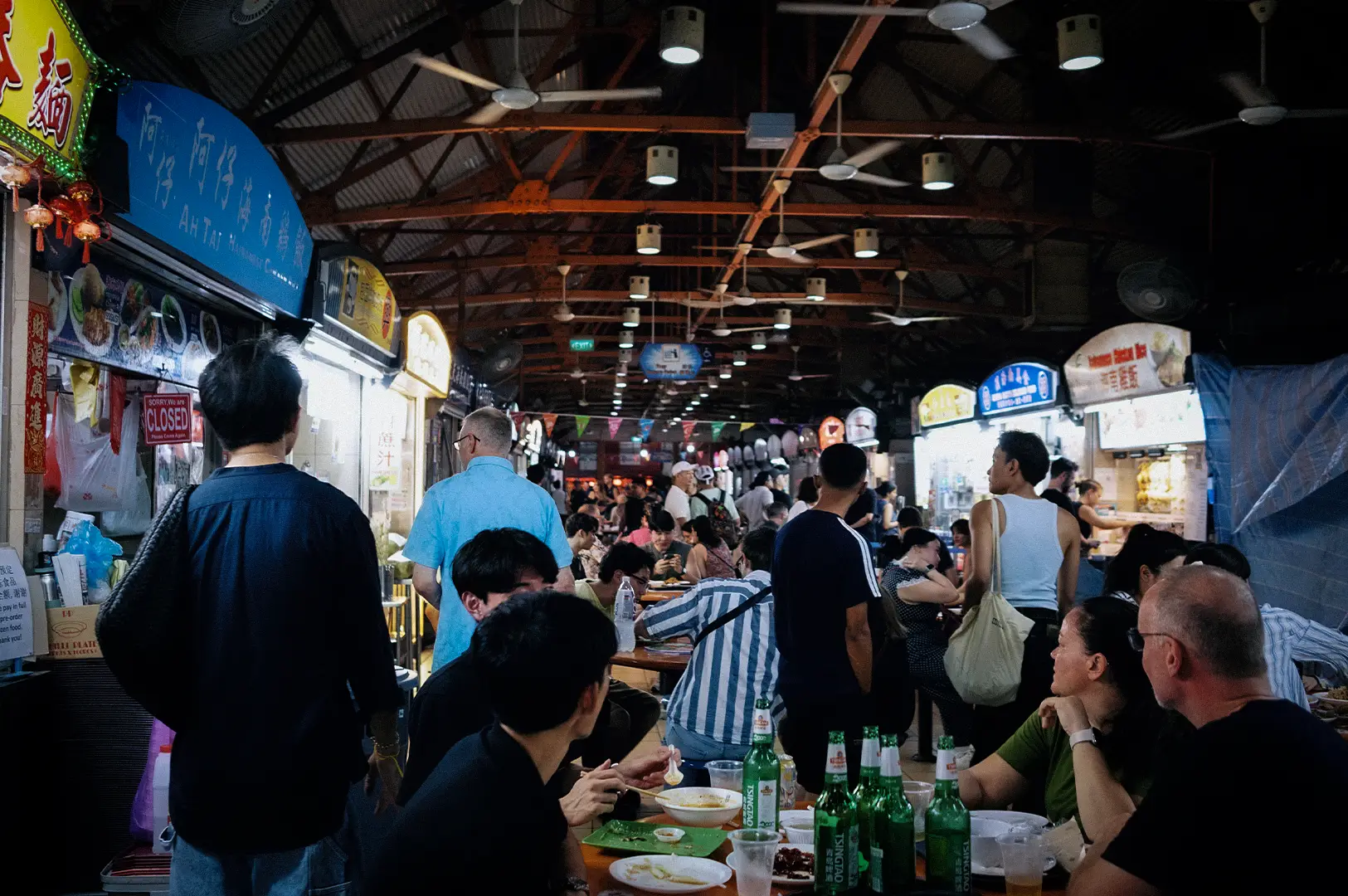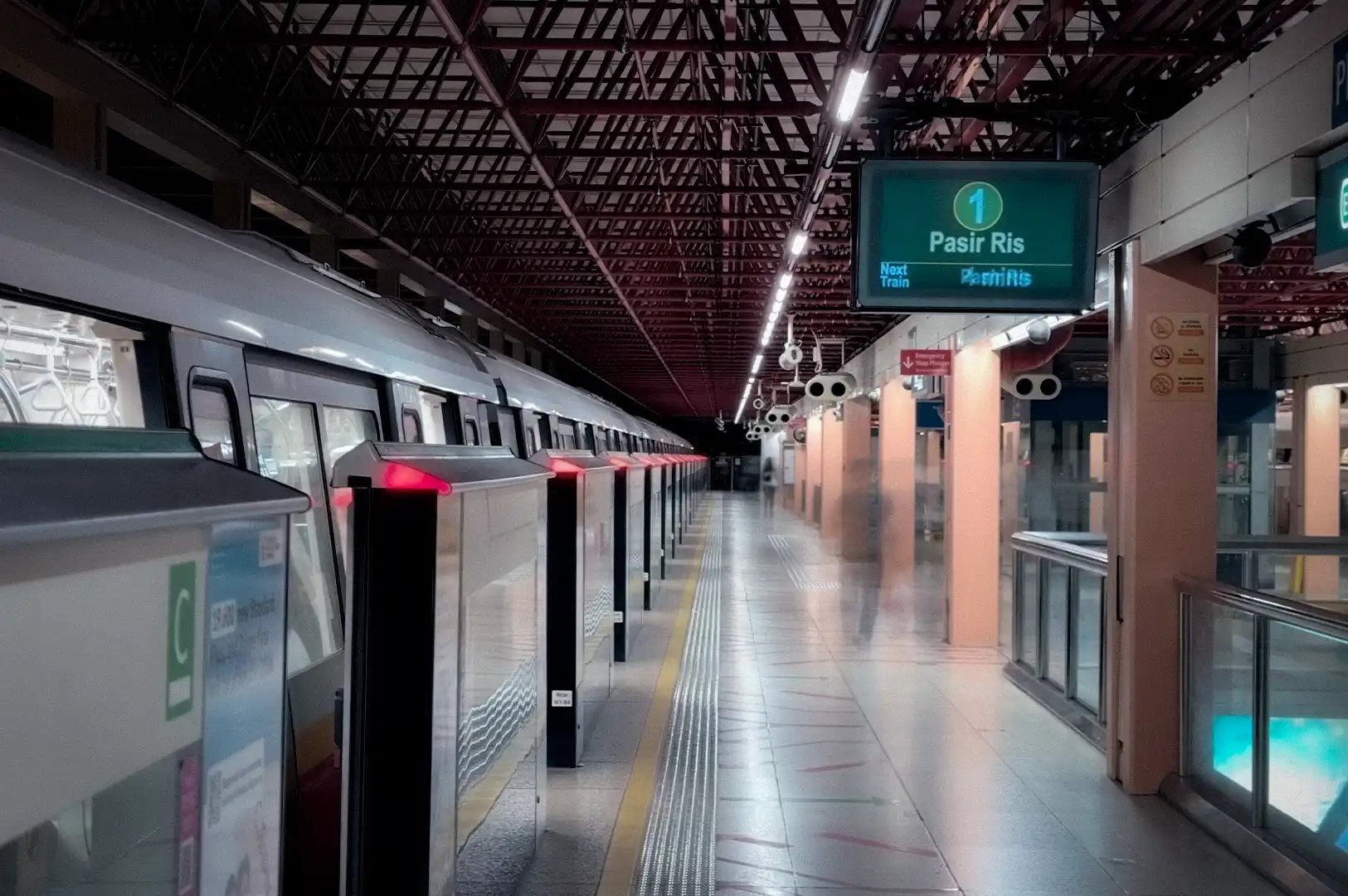
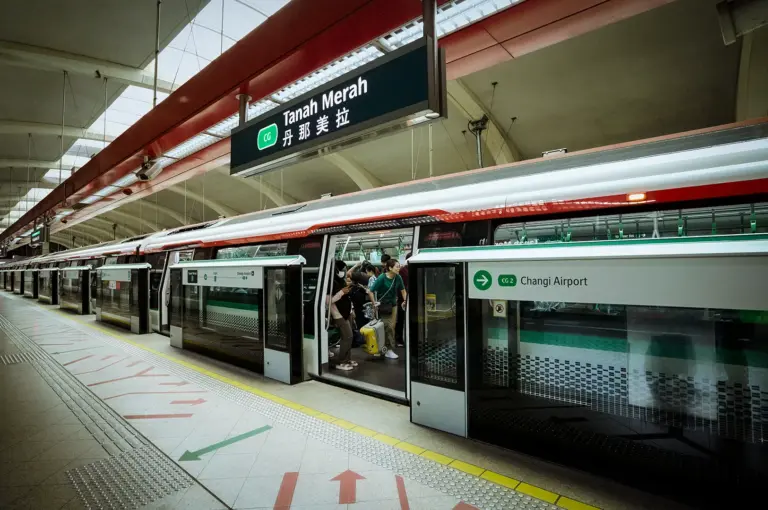
Some MRT stations change noticeably during school holidays.
The trains still arrive. The food stalls remain open. The station itself stays the same.
But the people moving through it are different.
Students who normally fill trains during the morning and afternoon are absent. Family groups become more visible. Weekday movement begins to resemble a slower version of the weekend.
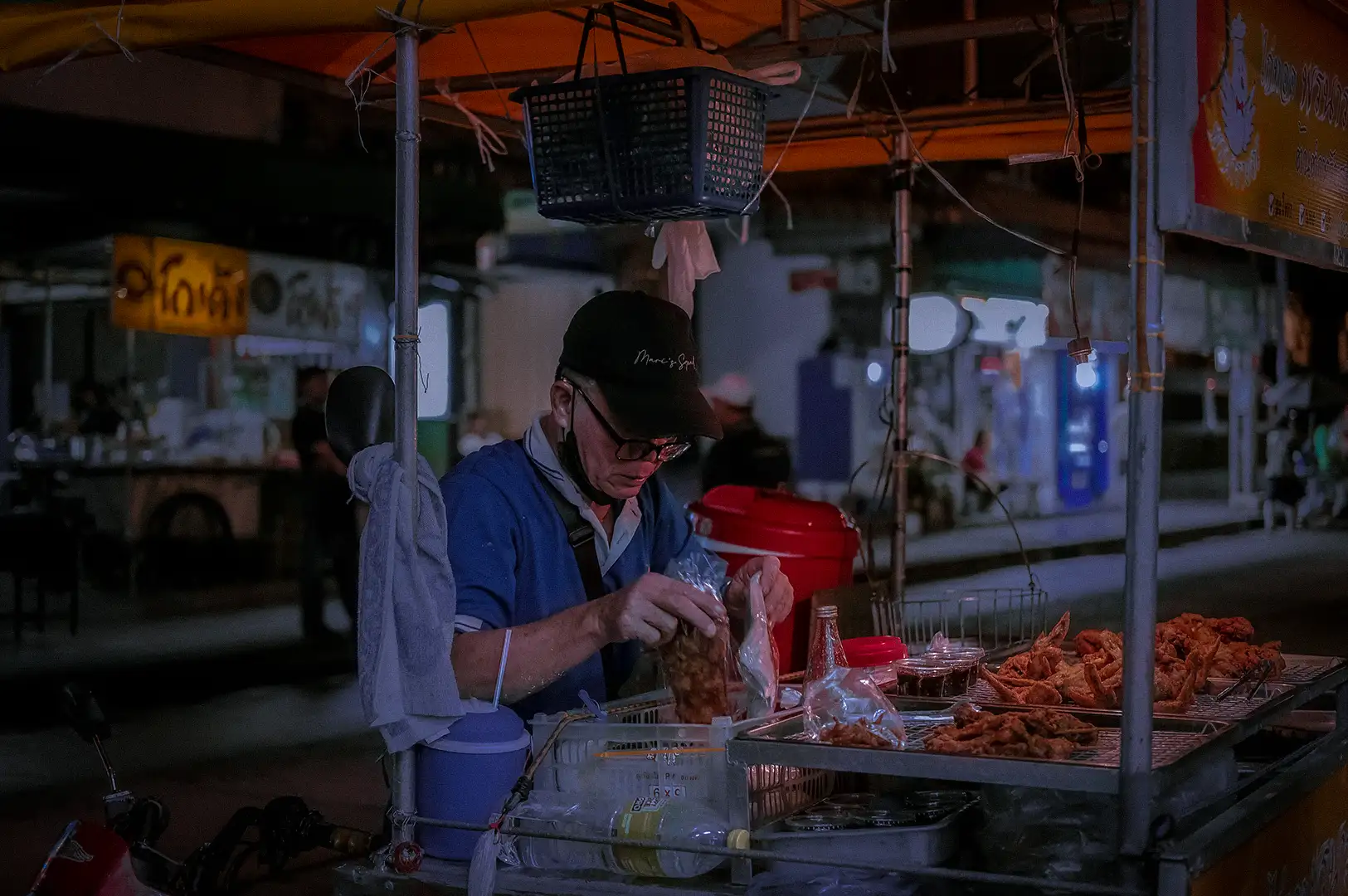
The effect reaches nearby food places as well.
Queues form at different times. Food courts that usually serve students see a shift in customer mix. Cafés and casual eateries attract more families and visitors spending time in the area.
The atmosphere becomes less structured.
Without school schedules shaping movement, dining patterns spread more evenly across the day. Lunch crowds arrive later, and afternoon activity feels less predictable.
The change is subtle but consistent.
Stations located near schools often reveal it most clearly.
For a few weeks each year, the rhythm of movement around these stations shifts, creating a different food environment without changing the places themselves.