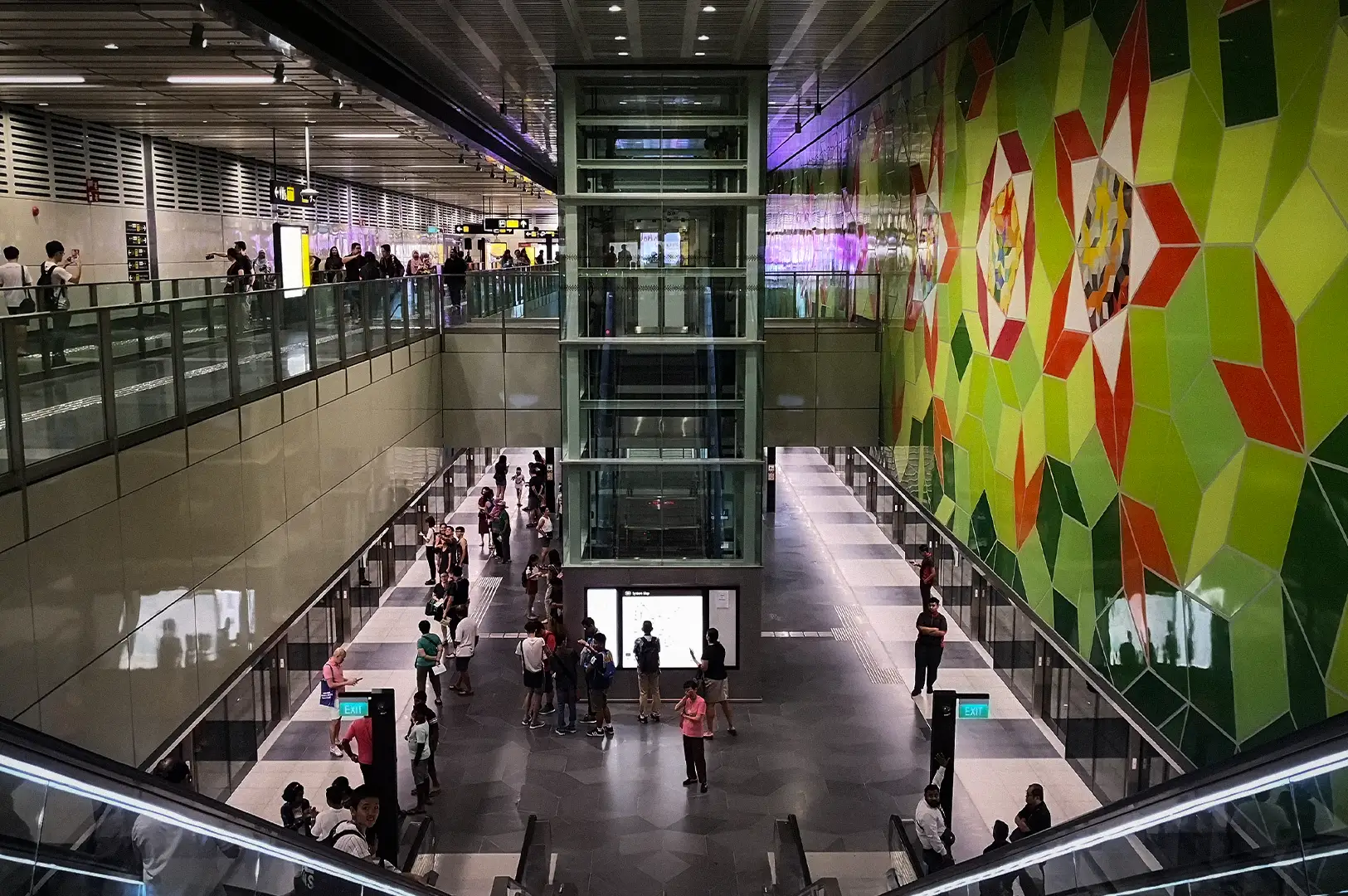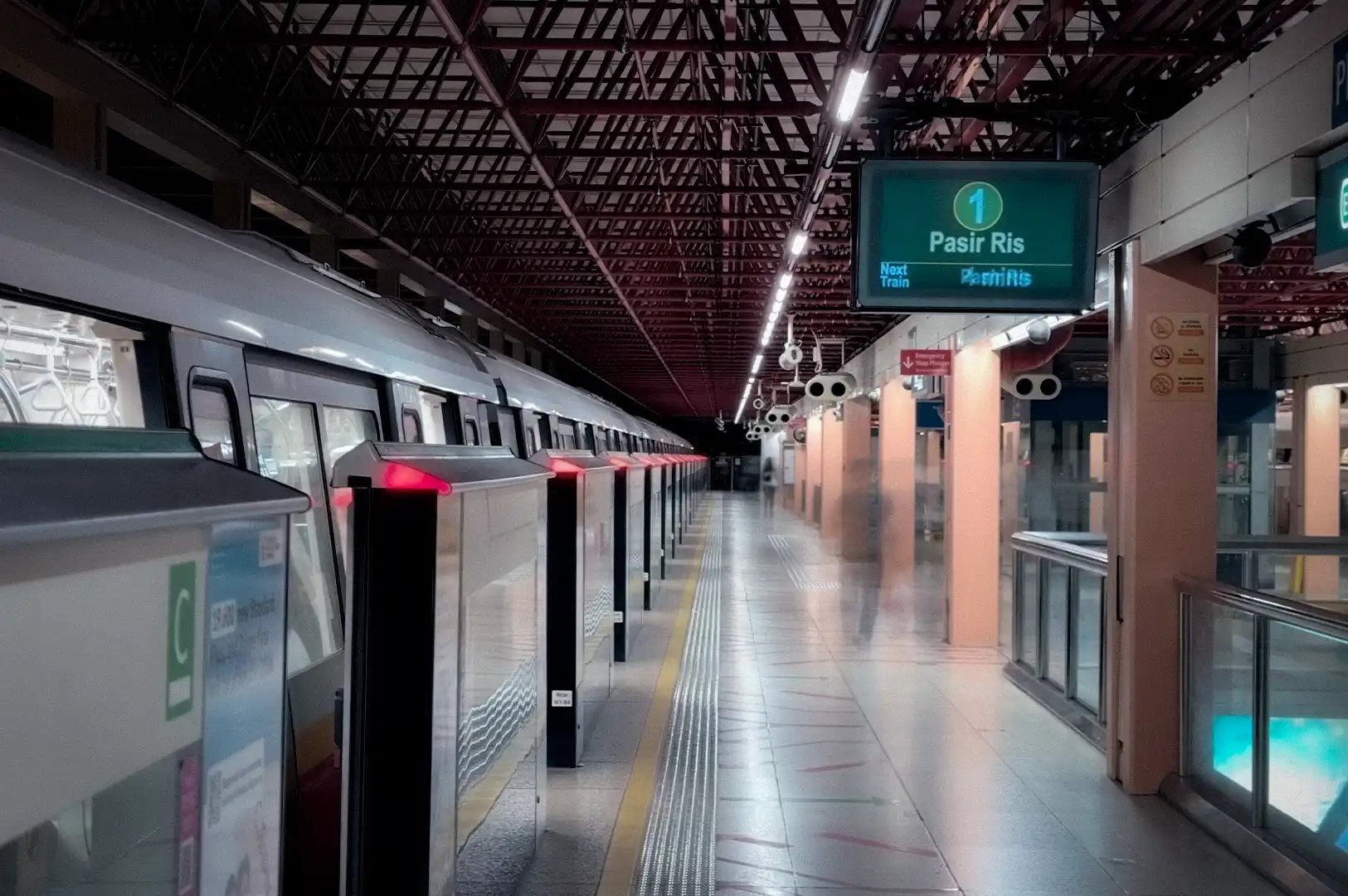
Most commuters leave MRT stations through the most direct route available.
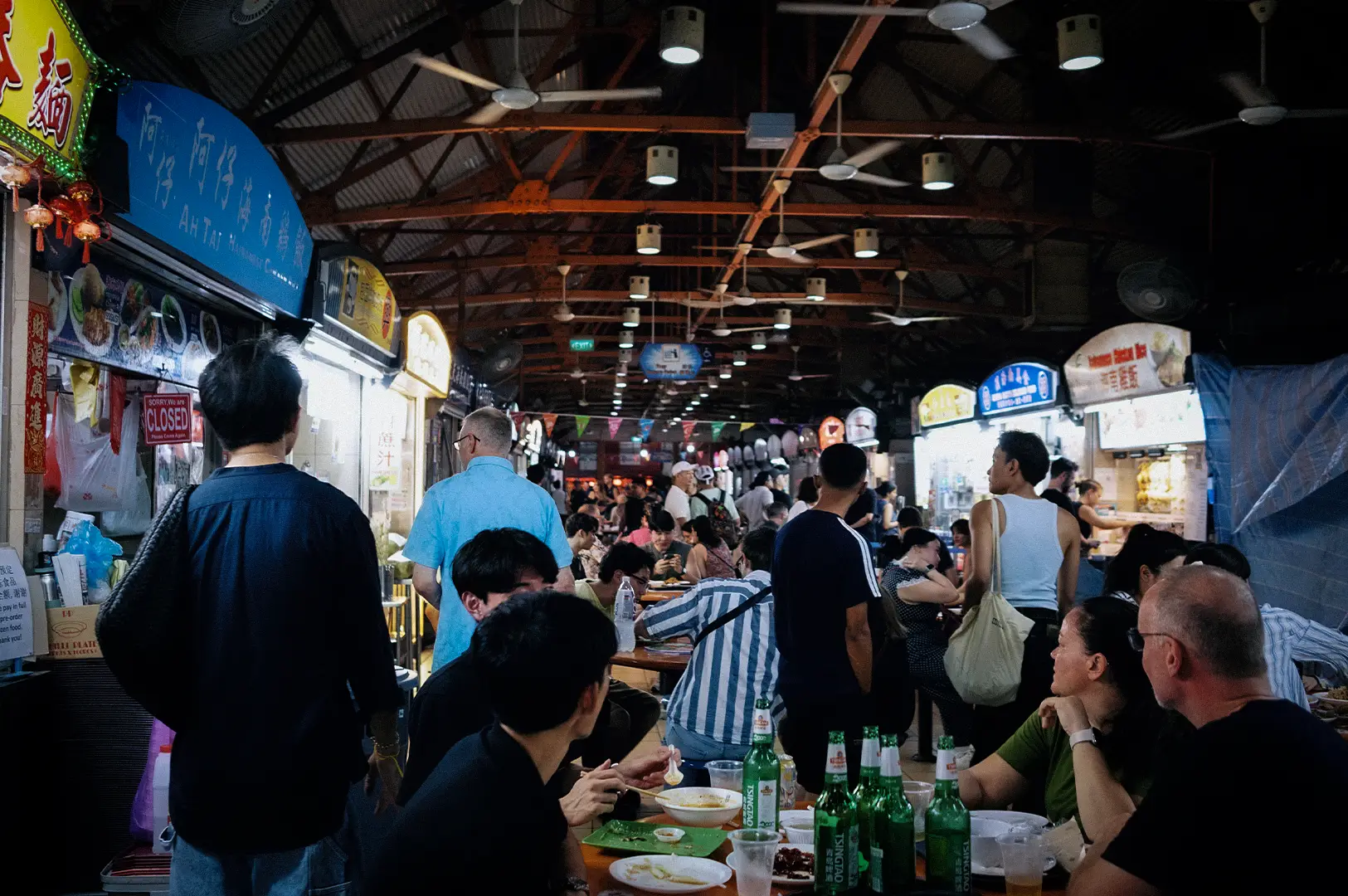
The result is predictable. Food places closest to the main exits receive the highest visibility and often the highest foot traffic.
But many stations have secondary routes.
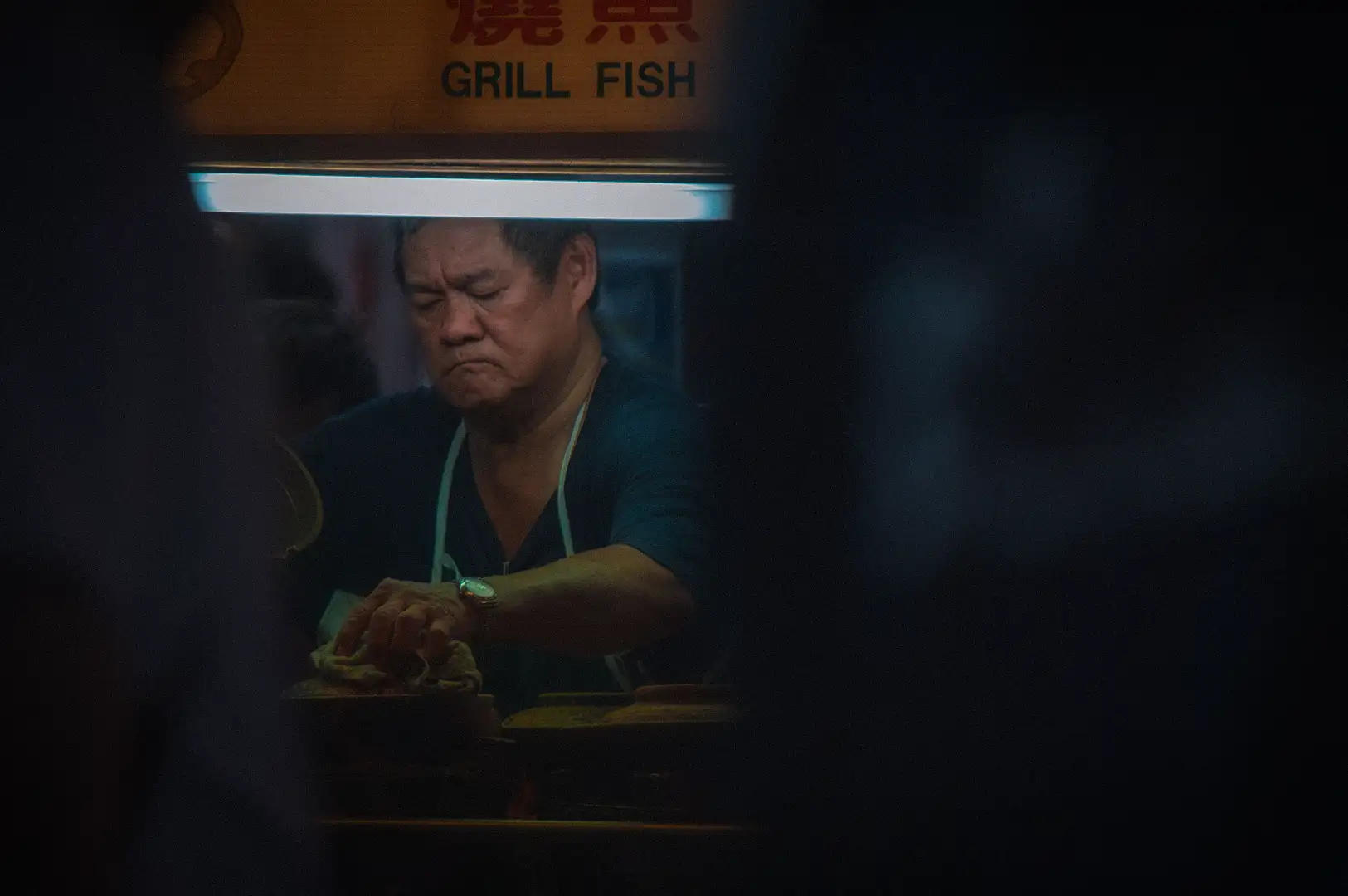
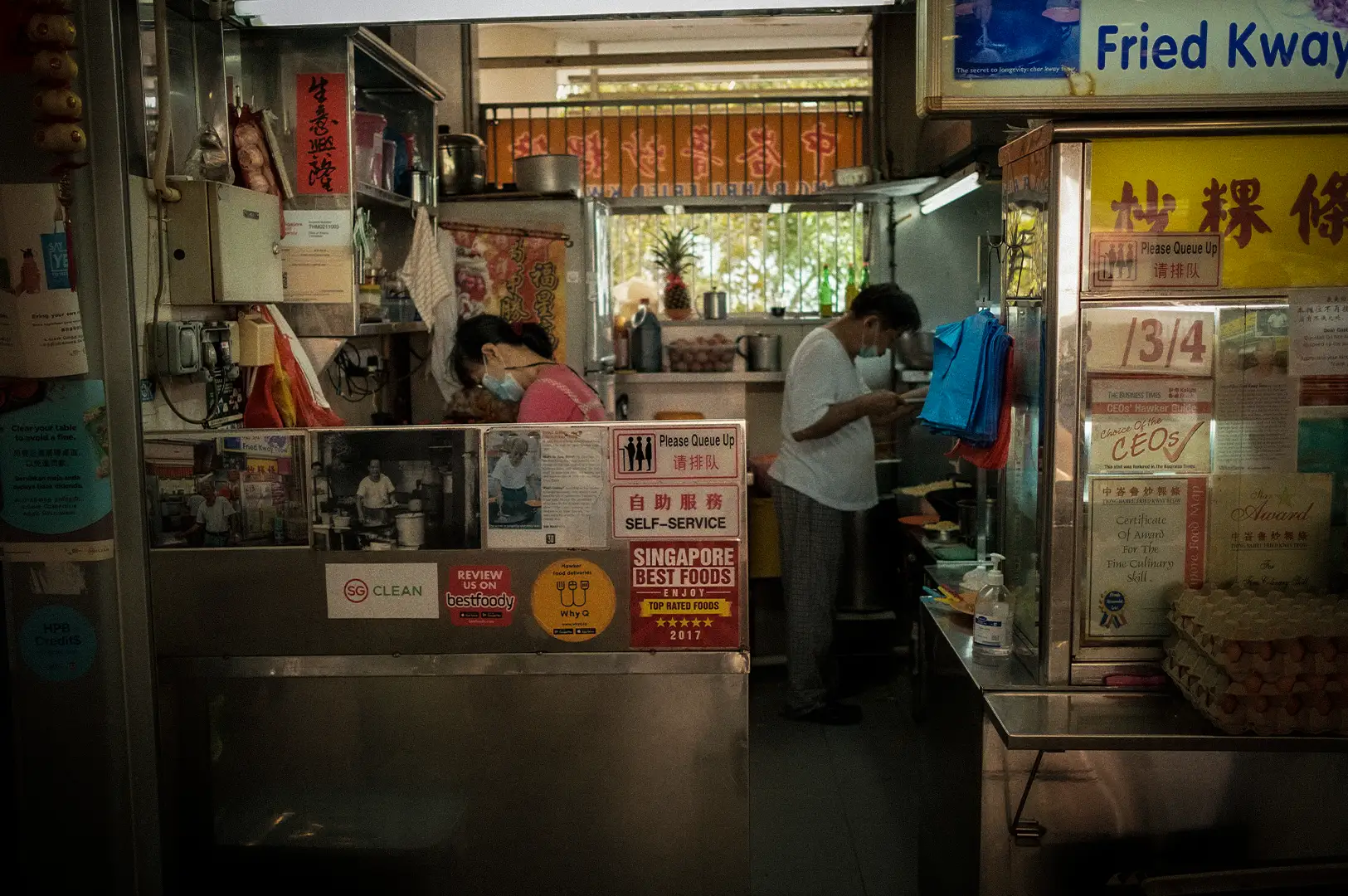
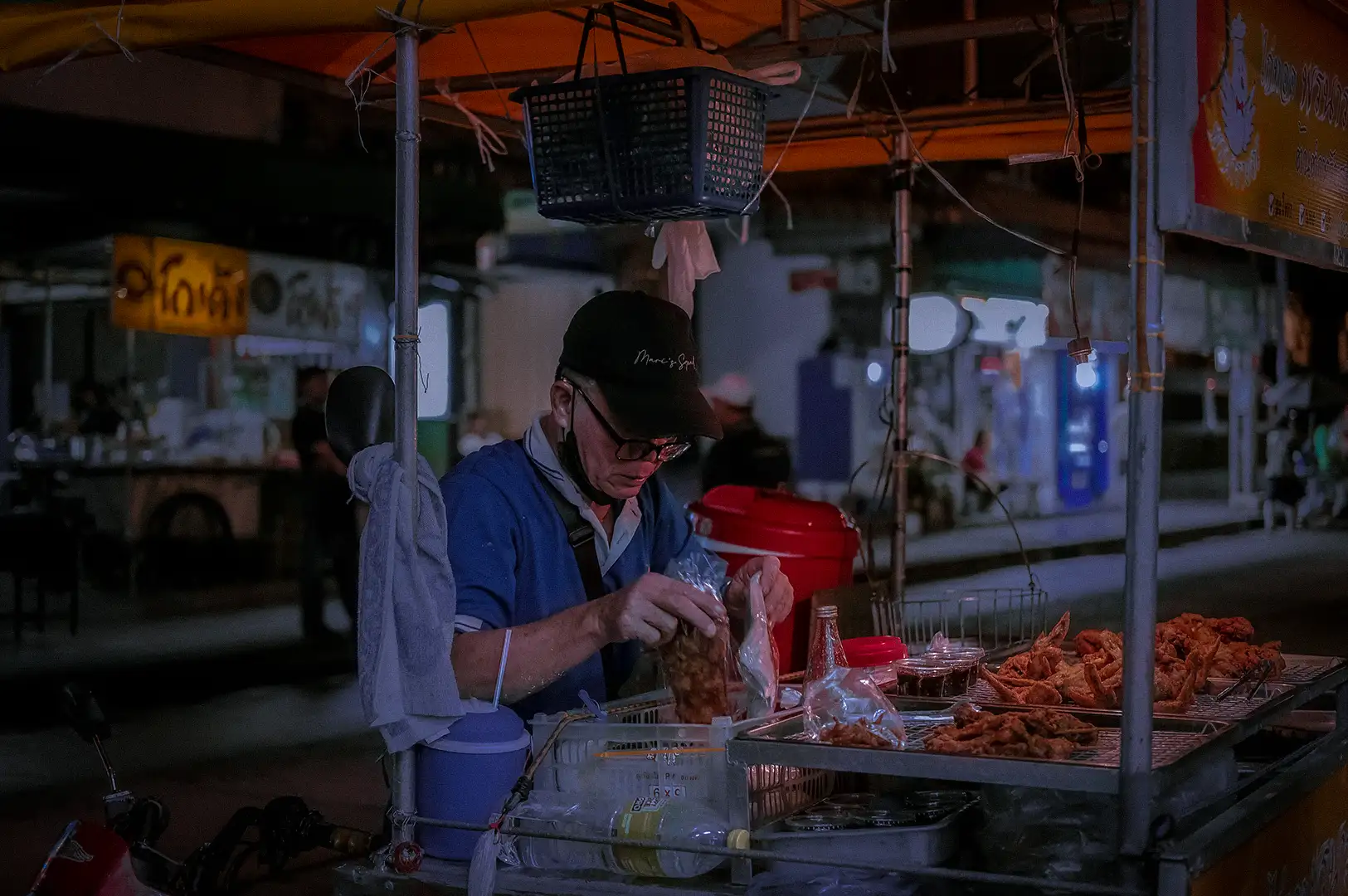
These paths lead away from the busiest flow of people and often reveal a different set of food options. Small coffee shops, neighbourhood eateries, and stalls that are easy to miss during a routine commute.
The difference is not necessarily quality.
It is exposure.
Commuters following familiar paths rarely encounter these places. As a result, they tend to serve regular customers who know the area well rather than passing foot traffic.
This creates a different atmosphere.
Queues are steadier. The pace is slower. The customer base is often more local.
Across the MRT network, these quieter food stops exist near many stations.
They are not hidden because they are far away.
They are hidden because most people simply walk in another direction.