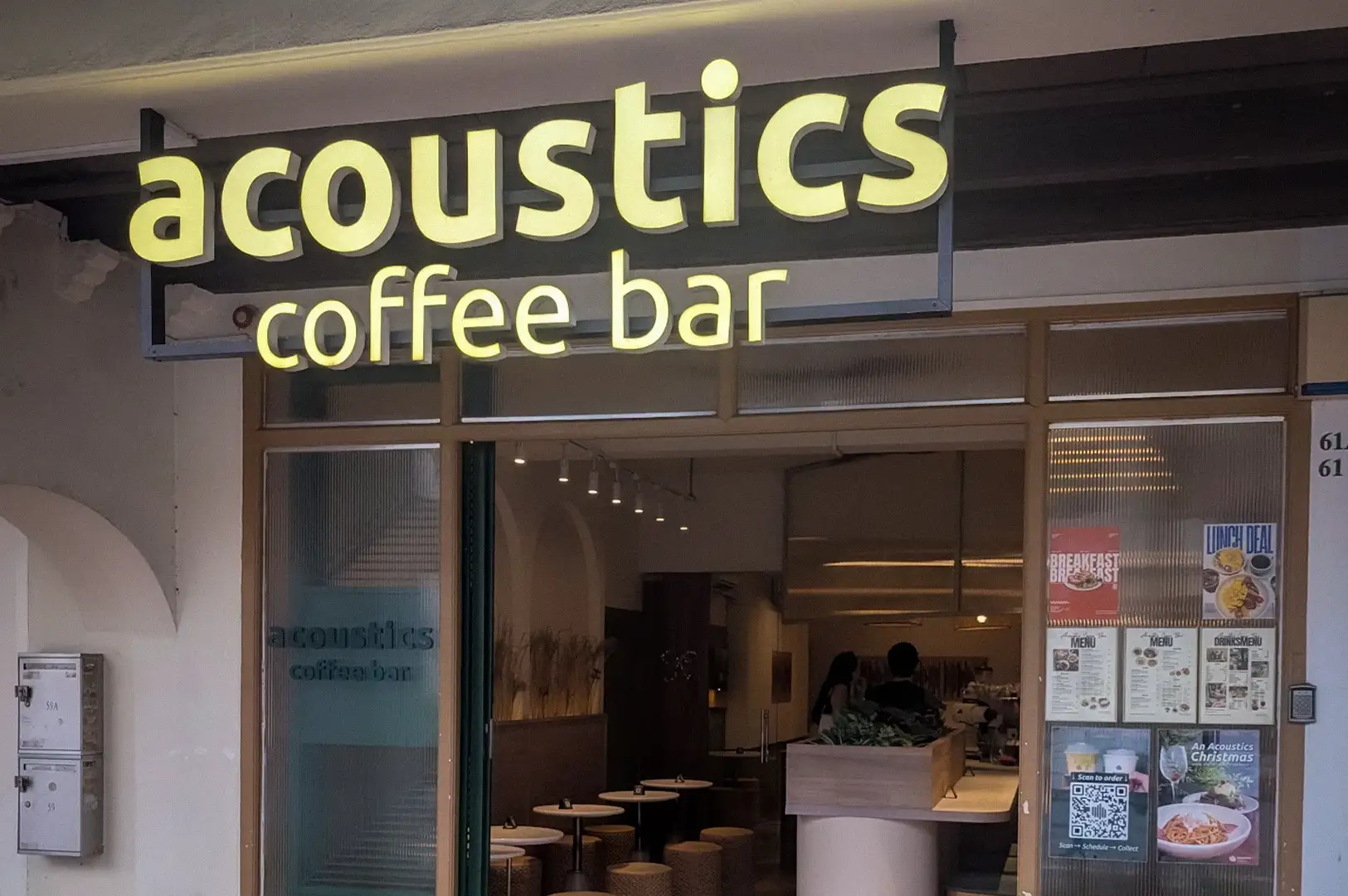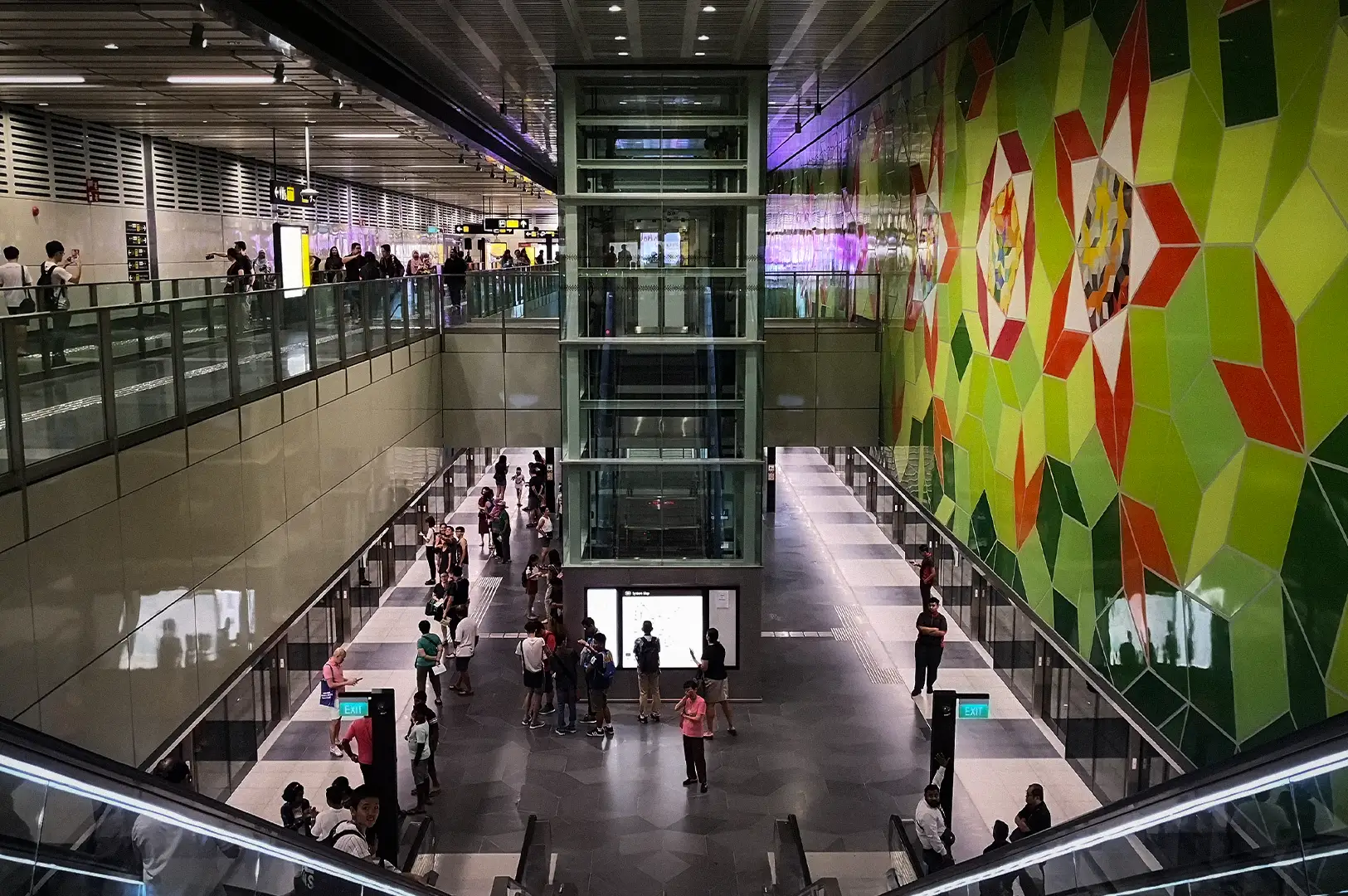
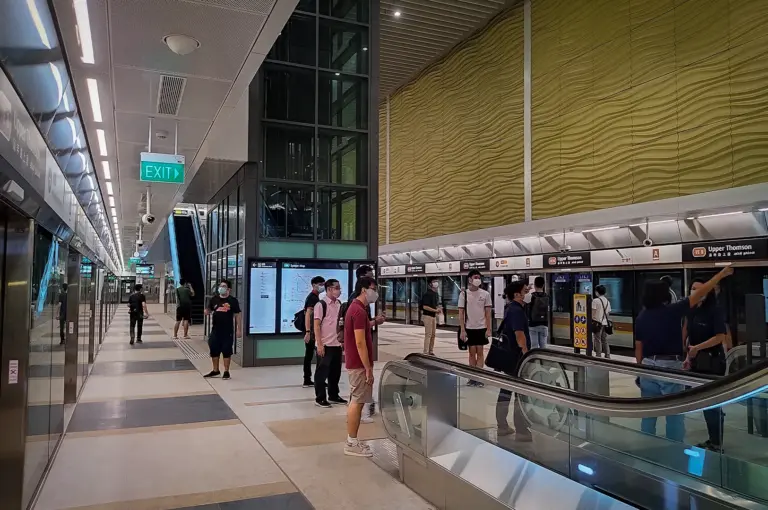
The arrival of the Thomson MRT corridor has changed how many people experience food in Singapore. What was once a collection of separate neighbourhoods connected mainly by roads and bus routes is now linked through the Thomson East Coast Line, making it easier for commuters to move between different food environments within a single journey.
What makes this stretch interesting is that it does not revolve around one food identity. Unlike areas that are known primarily for hawker centres or café culture, the Thomson corridor combines residential dining habits, supper traditions, community gathering spaces, and newer lifestyle developments. For a first time visitor stepping off the train, each mrt station reveals a slightly different side of how residents eat and spend their time, making it a unique mrt food guide in itself.
Thomson MRT and the Thomson East Coast Line
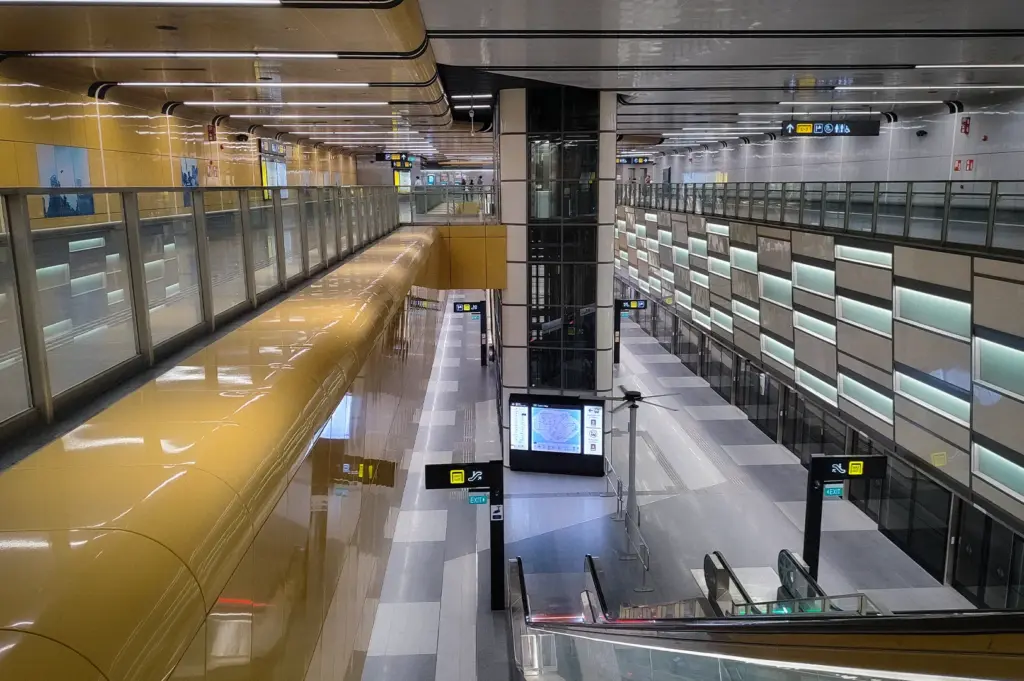
The Thomson East Coast Line stretches across a wide portion of Singapore, connecting northern neighbourhoods to the city before eventually extending toward the eastern region and the east coast. Along the way, commuters move through residential districts, commercial centres, and long-established community spaces that each contribute something different to the local food landscape.
One of the most noticeable aspects of the line is how naturally food fits into the daily rhythm of travel. A short ride can take passengers from a quiet residential area to a bustling dining corridor without ever feeling disconnected. Unlike some transport routes that function mainly as commuter corridors, many tel stations sit directly within neighbourhoods where food remains an important part of community life.
Even before the line was fully completed, new developments around various stations began reshaping how people move, shop, and eat, creating fresh opportunities for both existing businesses and new concepts.
Upper Thomson MRT Station and the Culture of Supper
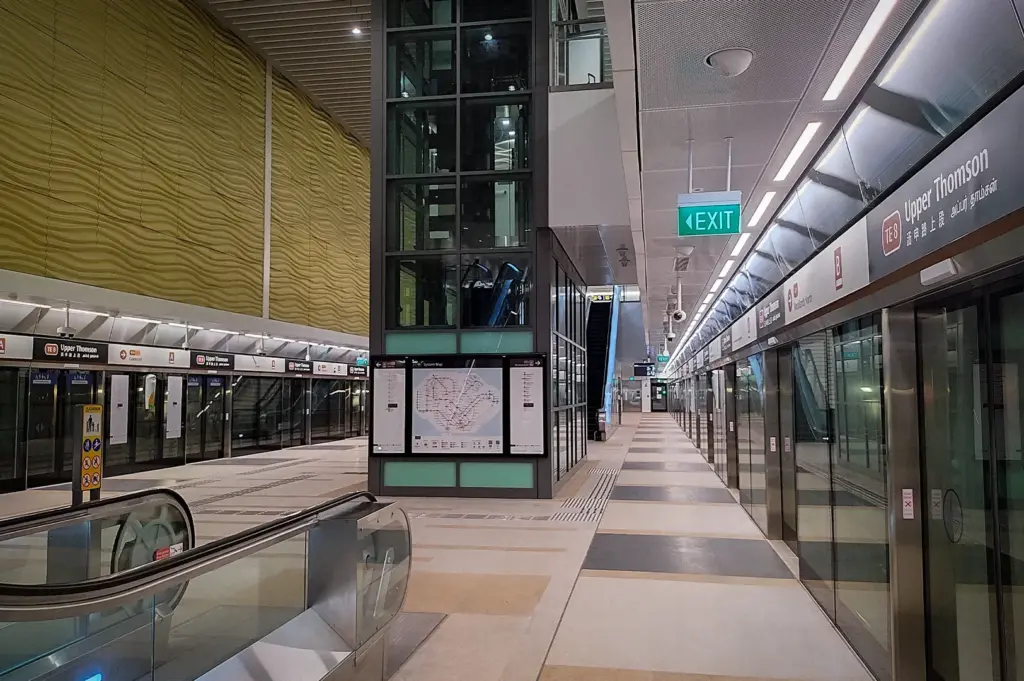
Among all stations along the Thomson corridor, Upper Thomson MRT Station has perhaps developed the strongest food identity. Long before the thomson line opened, Upper Thomson Road was already known as a destination for late-night dining, attracting residents from across Singapore looking for food after dinner hours.
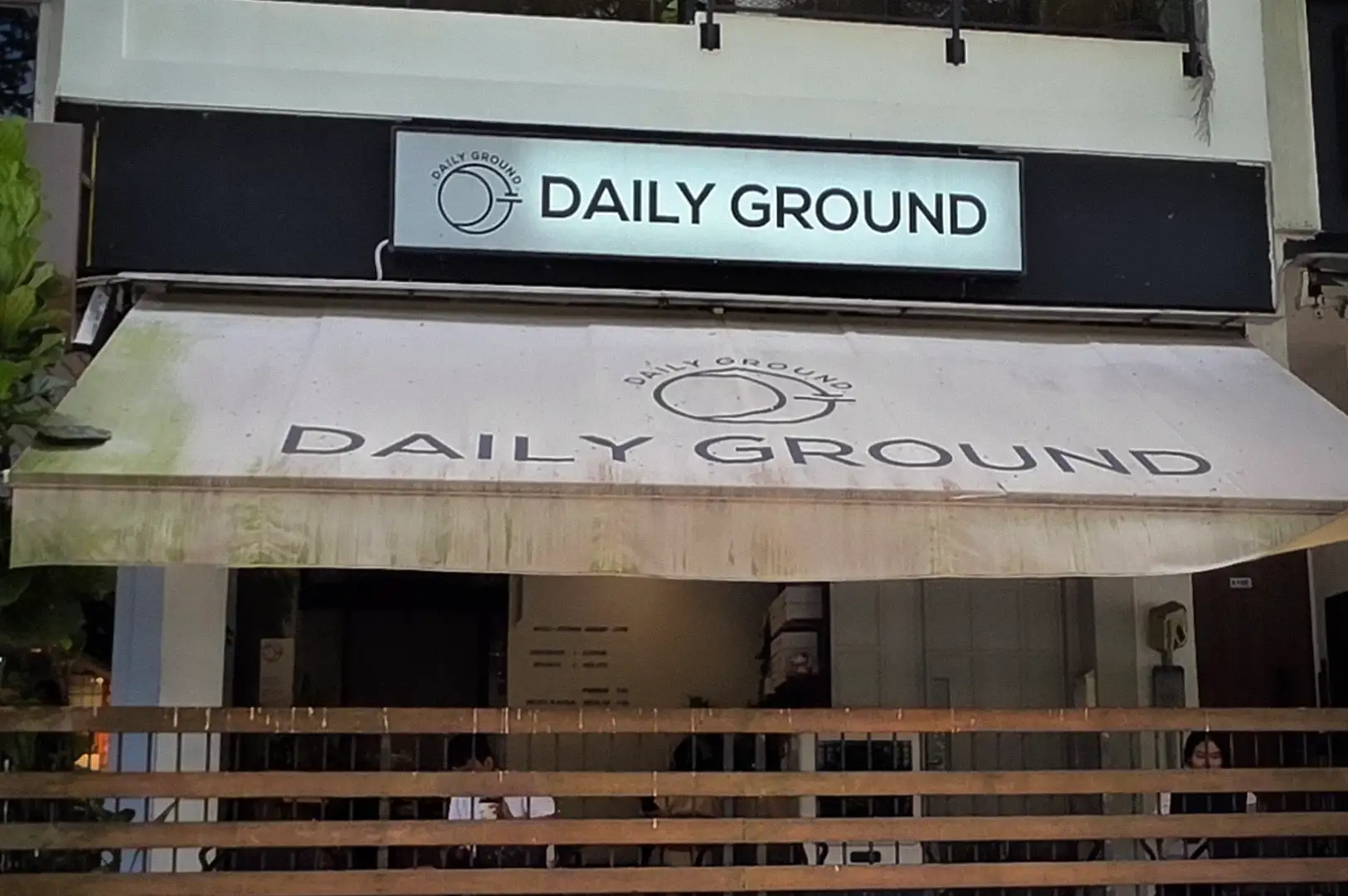
The atmosphere changes noticeably as the day progresses. Mornings are quieter, with people stopping for a coffee, breakfast, or a quick drink before work. By evening, the entire stretch becomes more animated as groups gather for supper, casual meals, and social catch-ups that often continue late into the night.
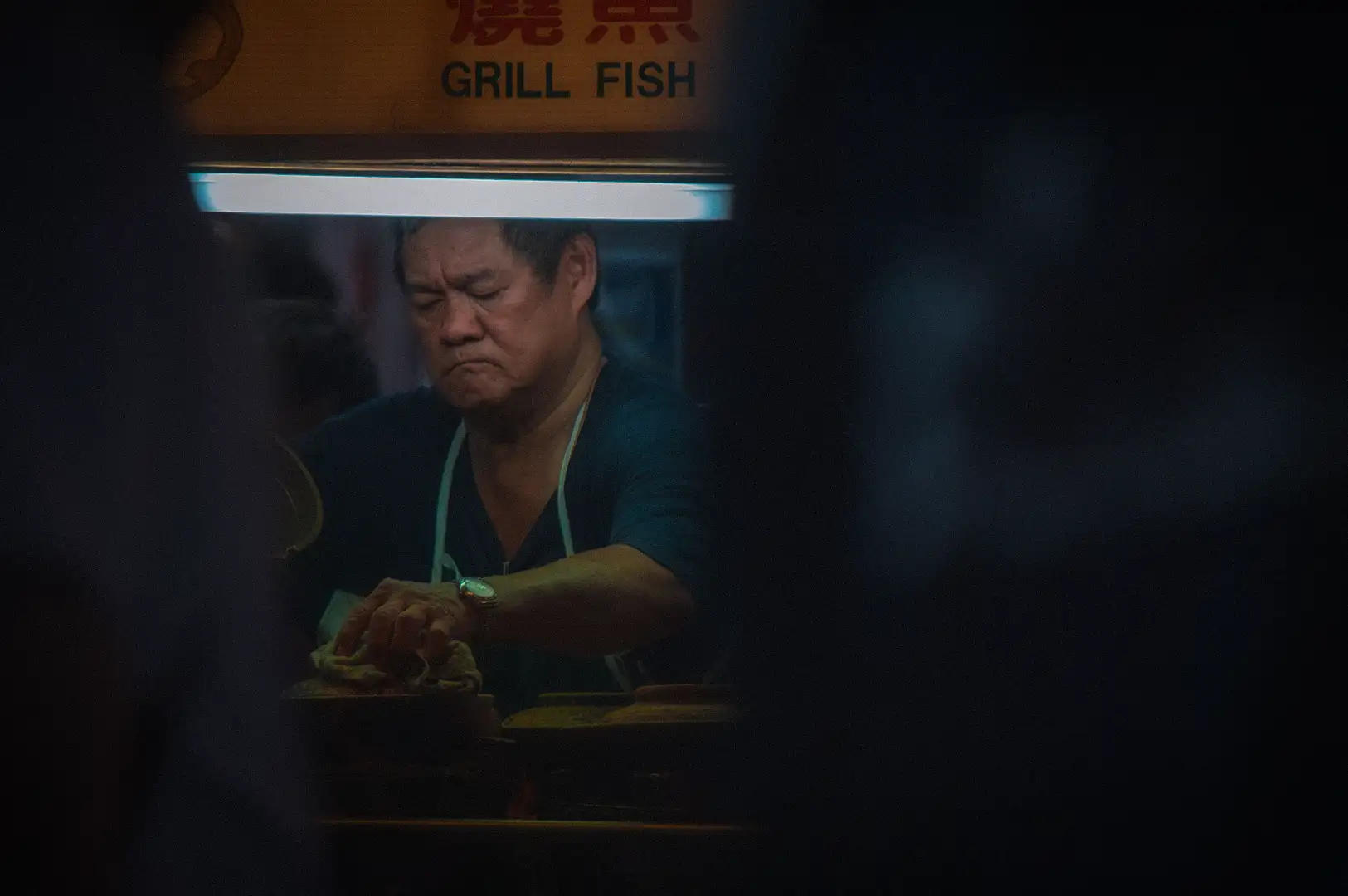
What stands out most is how food here feels integrated into everyday routines. Families, students, office workers, and long-time residents all share the same dining spaces, creating an environment that feels active without becoming overly commercial.
Bright Hill Station and Community Food Habits
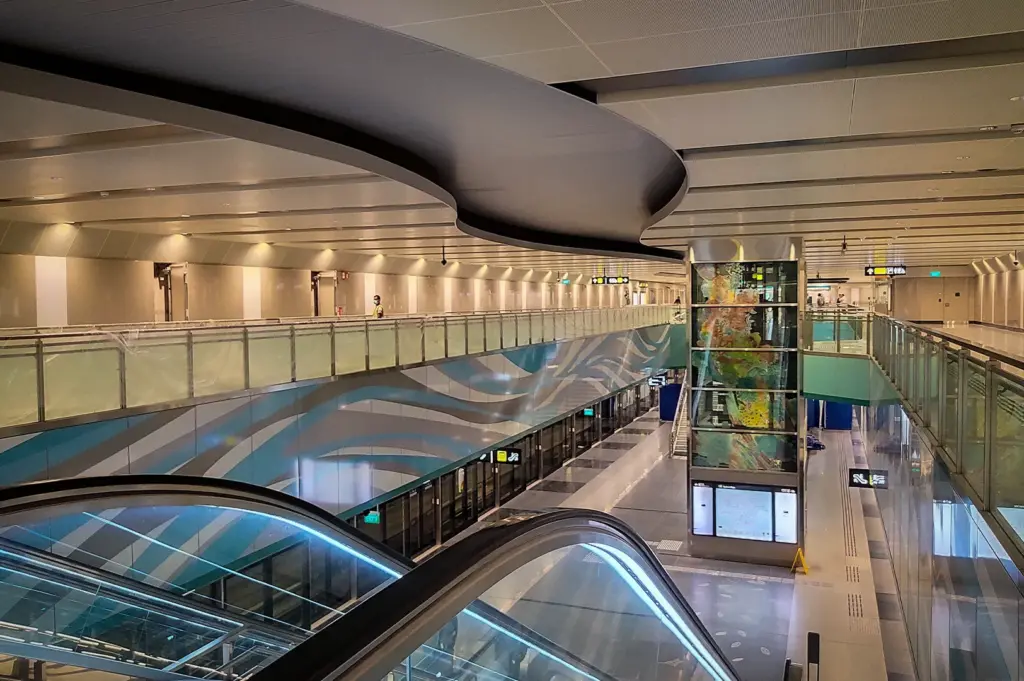
A short distance away, Bright Hill Station presents a different side of the Thomson experience. While Upper Thomson is often associated with movement and activity, Bright Hill feels more closely tied to community life and long-established neighbourhood patterns.
The area surrounding the station includes residential developments, religious landmarks such as the Holy Spirit Church, and community spaces that contribute to a slower pace of daily life. Food here is less about destination dining and more about routines. Residents often return to familiar cafés, coffee shops, and small eateries that have become part of their weekly schedules.
This is one of the reasons why the Thomson corridor remains interesting from a food perspective. Within only a few stations, the atmosphere shifts from a well-known supper district to a neighbourhood where dining is closely connected to everyday community interactions.
Thomson Plaza, Everyday Dining, and Daily Routines
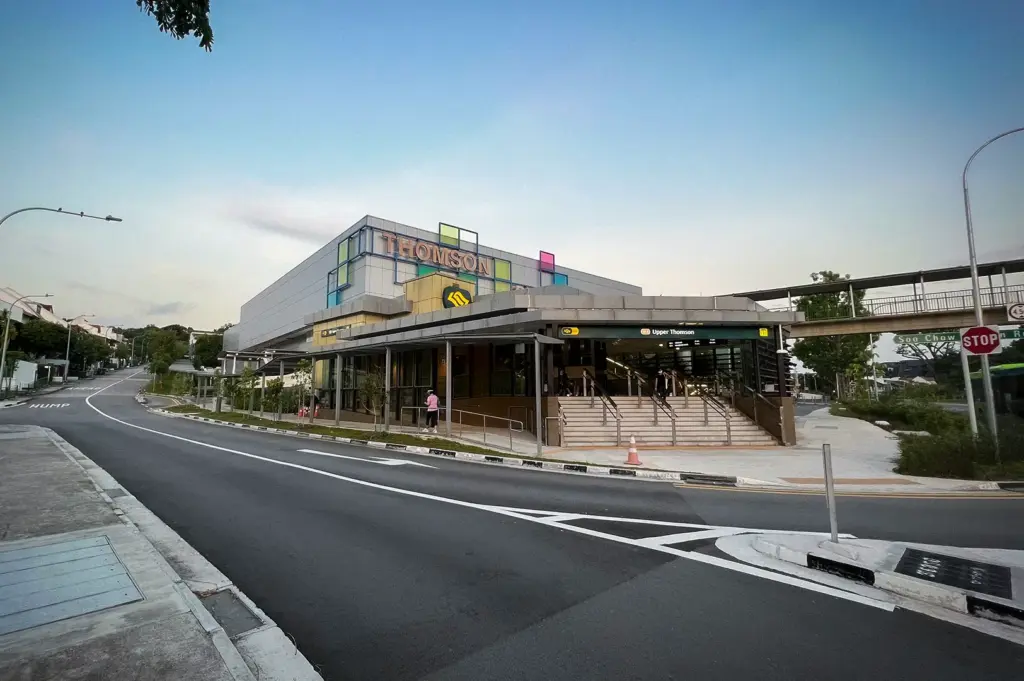
For many residents, Thomson Plaza acts as a practical anchor within the area. While newer developments continue to emerge around various stations, the mall remains a familiar reference point for shopping, services, and daily dining.
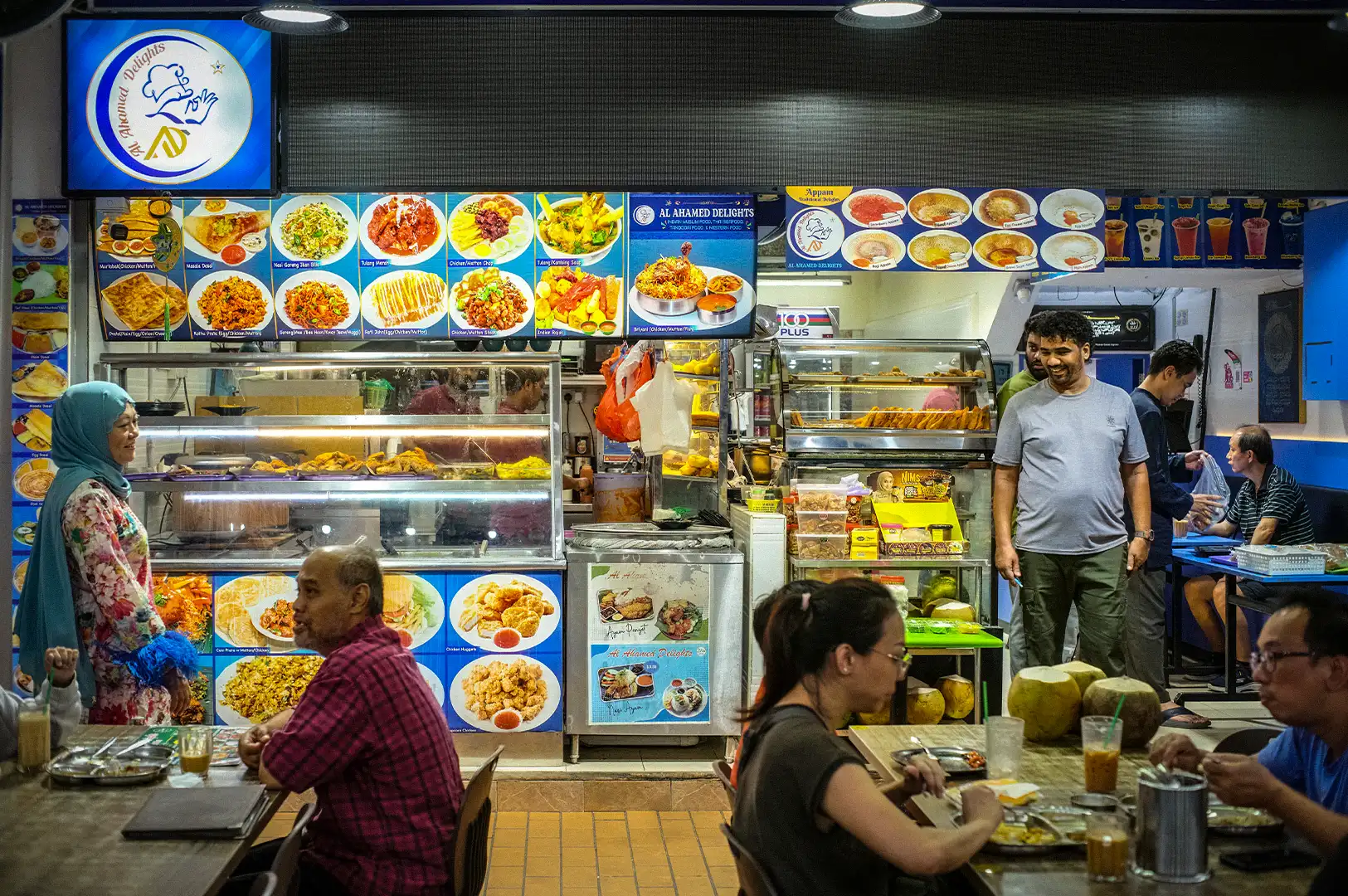
The food environment here reflects the needs of the surrounding neighbourhood. Instead of focusing on destination concepts or highly specialised menus, many establishments emphasise convenience, familiarity, and value. People stop by for lunch, pick up dinner on the way home, or meet friends for a casual meal without needing to travel far.
Observing the crowd throughout the day reveals how strongly food remains tied to routine. Unlike major city districts where dining often revolves around tourism or office workers, much of the activity around Thomson Plaza is driven by residents simply going about their daily lives.
How the Downtown Line and Thomson Line Shape Food Movement
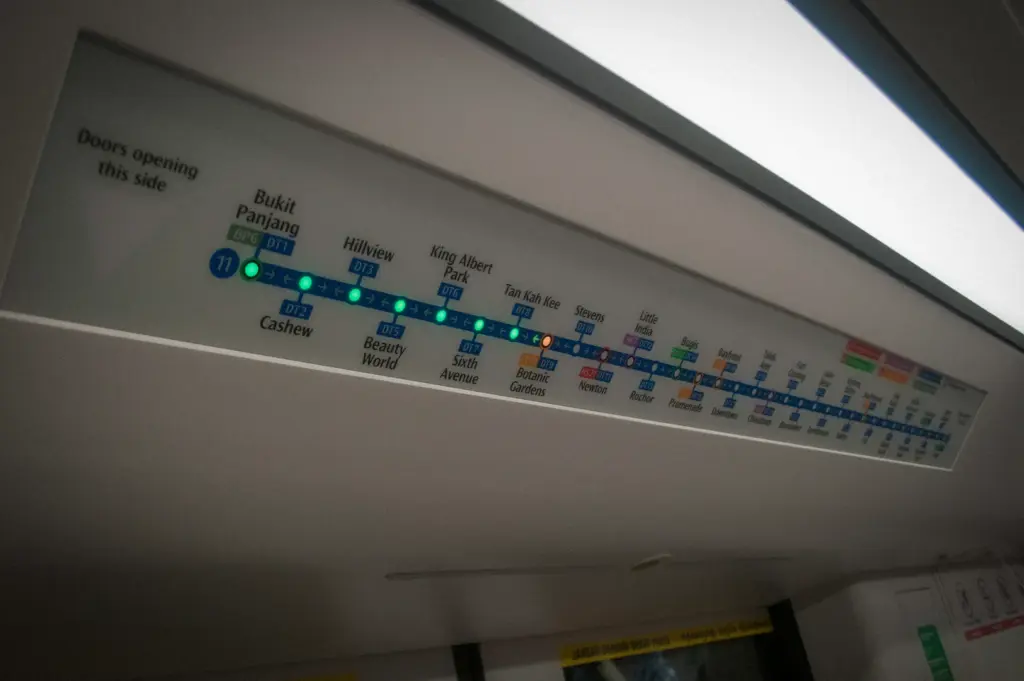
Although the focus here is on the Thomson corridor, it is impossible to ignore the role played by other transport connections. The Downtown Line intersects with parts of Singapore that offer very different food environments, allowing commuters to move between districts quickly and efficiently.
These connections have subtly changed dining behaviour. Someone living near Upper Thomson can easily travel toward the city for lunch before returning home for dinner. Likewise, visitors from other parts of Singapore can explore the Thomson corridor without needing lengthy transfers between train and bus services.
As a result, food neighbourhoods that were once primarily local now attract a broader mix of visitors. This exchange has helped shape the current identity of many stations along the line while still preserving much of their original character.
Looking Beyond the MRT Station
One of the easiest mistakes visitors make is treating each station as the destination itself. In reality, the most interesting experiences often begin after leaving the station and exploring the surrounding streets.
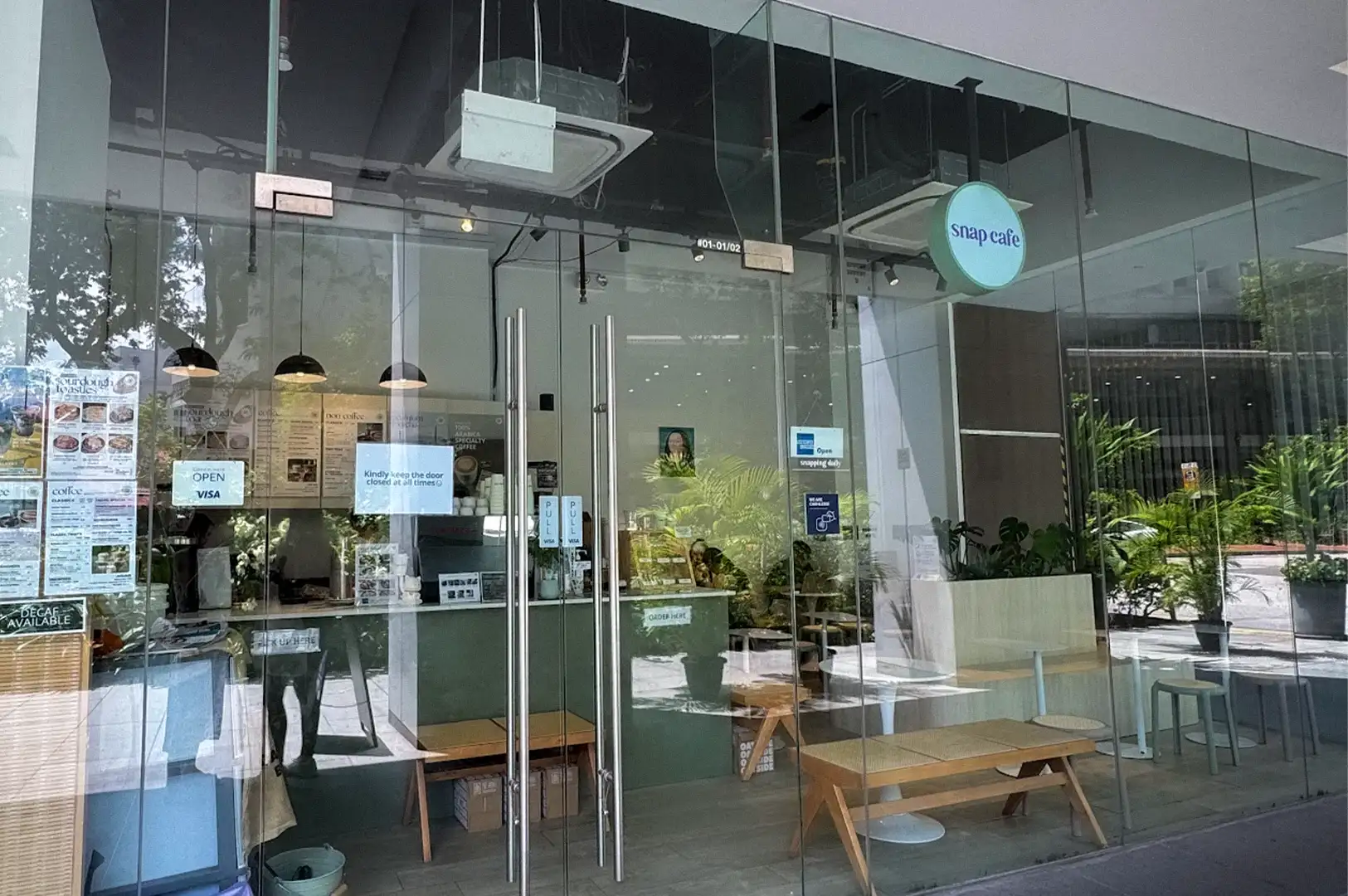
Areas near upp thomson, community centres, residential blocks, and local gathering places reveal how people actually interact with food. Some neighbourhoods lean toward casual cafés, while others support traditional coffee shops, family-run eateries, and affordable meal options that continue serving the same customer base year after year.
The food culture surrounding Thomson MRT is therefore not defined by a single restaurant, menu, or trend. It is shaped by thousands of small daily decisions made by residents who live, work, and travel through these neighbourhoods.
External Links Between Food, Neighbourhoods, and Transport
The relationship between transport and food is often more significant than people realise. Stations create external links between communities, making it easier for commuters to discover places they may never have visited otherwise.
This pattern can be seen throughout the Thomson corridor. New stations bring increased foot traffic, encourage commercial activity, and influence how businesses position themselves within the surrounding vicinity. At the same time, established neighbourhoods continue to preserve many of the traditions that existed long before the arrival of the MRT.
As the network continues evolving, including future developments linked to destinations such as the Founders Memorial and other parts of the eastern region, the relationship between mobility and food will likely become even more important.
The Final Stop: Savoring the Essence of Thomson MRT’s Food Journey
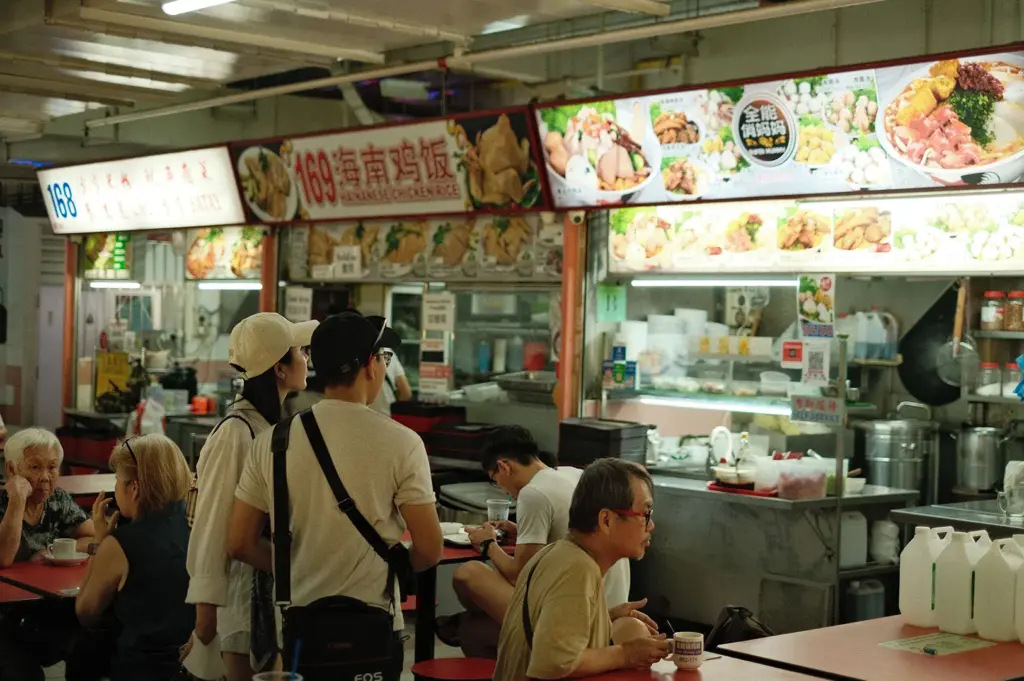
The story of Thomson MRT is not simply a story about transport. It is a story about neighbourhoods and how those neighbourhoods express themselves through food.
From the supper culture of Upper Thomson MRT Station to the community rhythms surrounding Bright Hill Station and Thomson Plaza, each stop contributes something different to the broader character of the corridor. Together, they form one of Singapore’s most distinctive food landscapes, one that continues to evolve while remaining deeply connected to the people who call these neighbourhoods home.
For commuters, residents, and curious visitors alike, the journey through Thomson is not just about getting from one station to another. It is about discovering how food, community, and movement intersect along one of Singapore’s most interesting MRT corridors.
Start your adventure along this vibrant MRT line by diving into our article Top Coffee Spots on the Thomson-East Coast Line, where every station unlocks a new flavour, story, and hidden gem waiting to be discovered.